
Rustic Dining Seating
Rustic dining seating brings together robust timber benches, Windsor chairs and refectory tables rooted in nineteenth-century country traditions.
Rustic Dining Seating
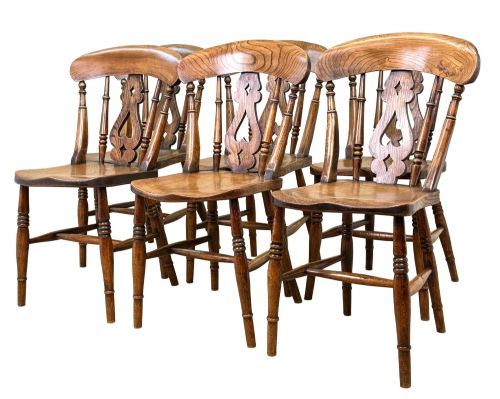
Rustic dining seating encompasses sturdy wooden chairs, benches and tables designed for everyday domestic use in farmhouse and country interiors. Buyers searching for rustic dining seating encounter numerous nineteenth-century examples alongside early twentieth-century pieces.
Origins span English country workshops to French provincial makers, reflecting utilitarian design priorities. These pieces suit modern kitchens and dining rooms seeking straightforward, honest construction.
Materials and construction
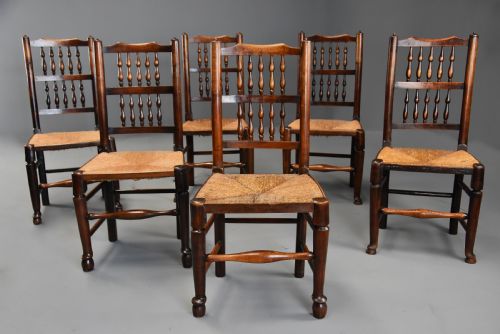
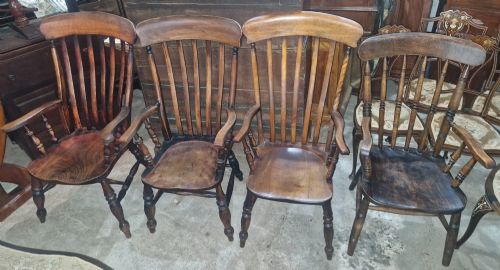
Construction relies heavily on native hardwoods such as elm, oak, beech, ash and yew, often paired with rush for seating inserts. Elm frequently provides strong, figured seats for Windsor chairs while ash and oak form resilient spindles, legs and frames.
Joinery methods utilise traditional techniques including wedged tenons, turned spindles and steam-bent hoops to achieve structural durability without metal fixings. Pine and fruitwood also appear in tables and chairs, shaped by regional village carpenters.
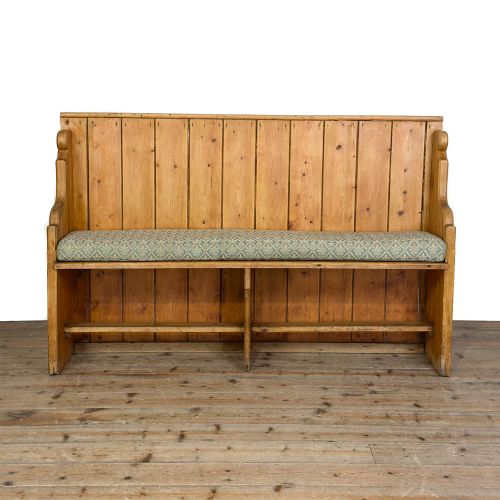
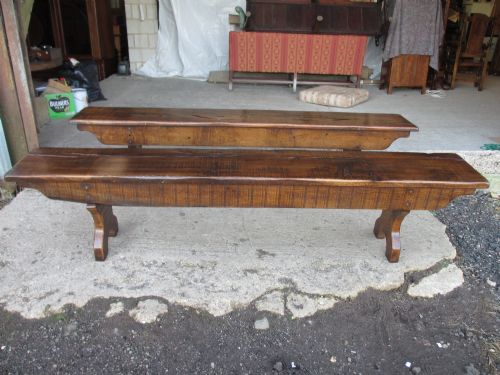
Church pews appear among dining seating, proving that Sunday stiffness makes surprisingly durable weekday supper companions.
Judging quality
Quality rests on the integrity of the timber, the depth of natural patina accumulated through decades of use, and the retention of original components. Pieces retaining their early surface finishes and tight structural joints stand apart from heavily restored examples.
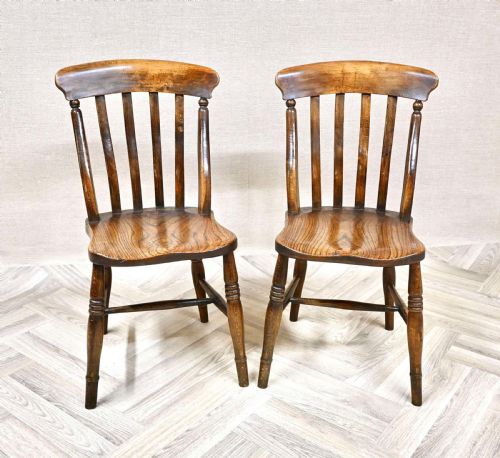
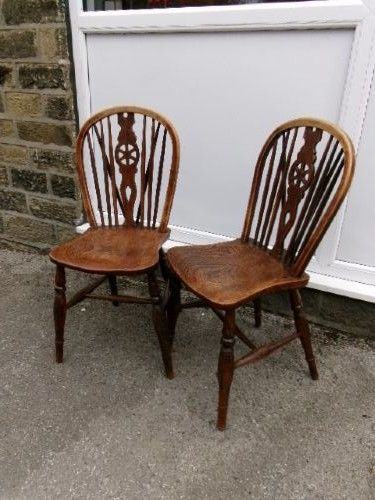
Proportion and turning detail differentiate ordinary utility chairs from finer vernacular commissions. A well-balanced hoop back or carefully sculpted elm seat demonstrates superior craftsmanship by regional makers.
The Rustic Dining Seating Glossary
- Windsor chair
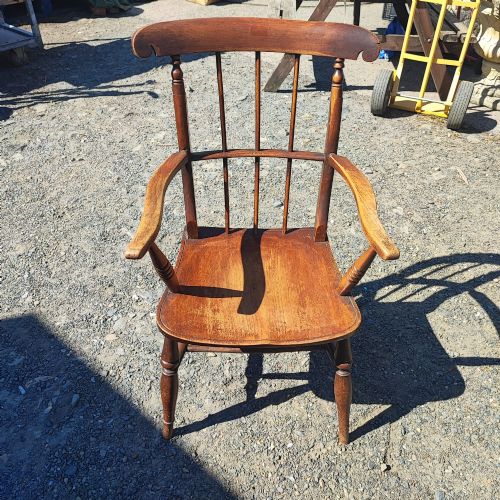
- A wooden chair built with a solid sculpted seat into which the legs and back spindles are separately socketed. These chairs often feature bentwood hoops or comb backs.
- Refectory table
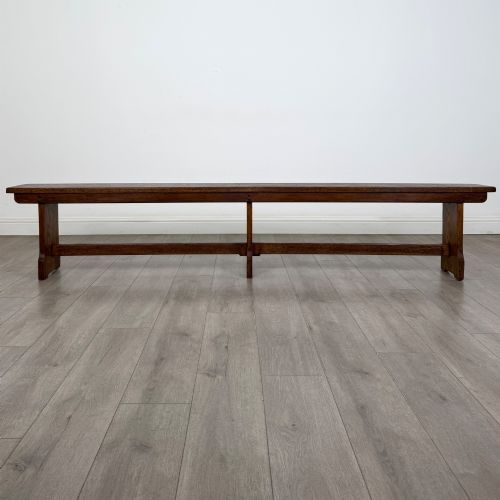
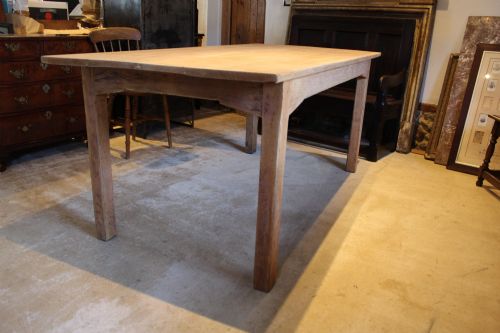
- A long, narrow dining table traditionally used in communal dining halls and adapted for large country kitchens. They provide substantial seating capacity along long benches.
- Lathe back
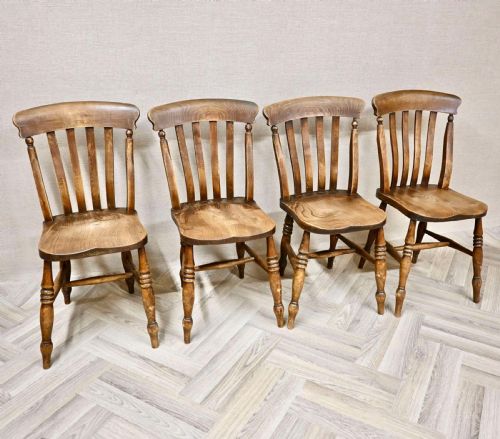
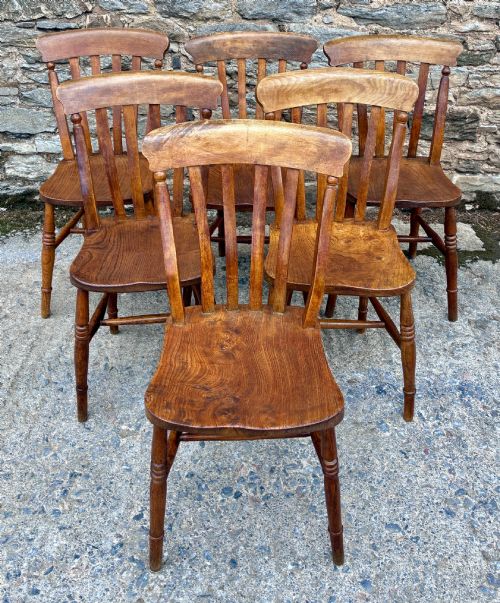
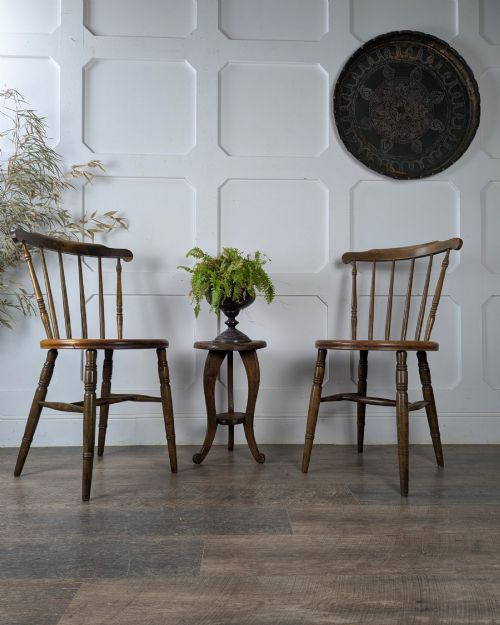
- A chair back constructed with flat wooden slats shaped on a lathe, common in nineteenth-century country seating. This design offers robust support for daily dining.
- Rush seat
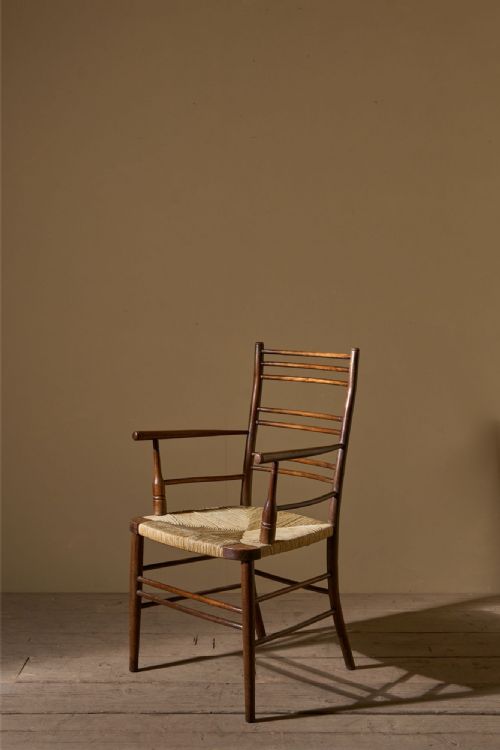
- A seating surface woven from dried marsh rushes, providing a flexible and supportive base. They require careful handling to preserve the natural plant fibres.
- Harlequin set
- A collection of dining chairs that match in general style and period but vary in minor details. Such sets assembled over time offer a collected, authentic country look.
Rustic Dining Seating: Frequently Asked Questions
What defines rustic dining seating?
Rustic dining seating consists of nineteenth and early twentieth-century wooden chairs, benches, and tables made in regional country styles. These utilitarian pieces utilise native timbers and traditional joinery.
They reflect practical domestic life in farmhouses and provincial homes rather than formal urban workshops. The category includes Windsor chairs, ladder-backs, refectory tables, and church pews.
How do I care for antique wooden seats?
Maintain antique wooden furniture by keeping them away from direct heat sources and sudden temperature fluctuations. Regular dusting and occasional application of appropriate wax help preserve the timber.
Avoid excessive moisture, particularly on rush seats, which can weaken the natural plant fibres over time. Gentle handling ensures the original patina remains undisturbed.
Are harlequin sets authentic?
Harlequin sets are collections of similar chairs gathered together over time rather than manufactured as a single batch. Country households frequently accumulated chairs in this manner as needs changed.
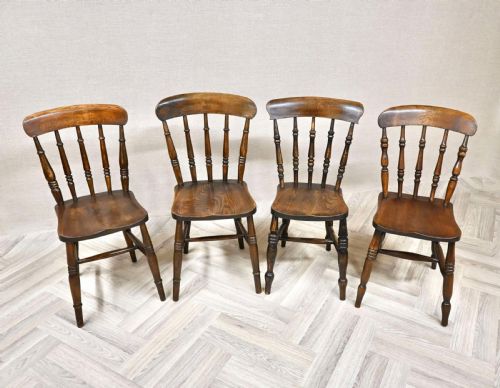
Such sets share common design traits, such as ladder-backs or spindle backs, while showing slight variations in turning and proportion. This variation adds character to a rustic dining setting.
Which woods were used?
Country makers utilised locally available native hardwoods and softwoods for strength and flexibility. Elm was favoured for solid chair seats due to its resistance to splitting.
Ash, oak, beech, and yew provided durable frames and turned spindles, while pine and fruitwood appeared in tables and benches. Rush was commonly woven for lightweight seating inserts.