



Rustic Cricket Table
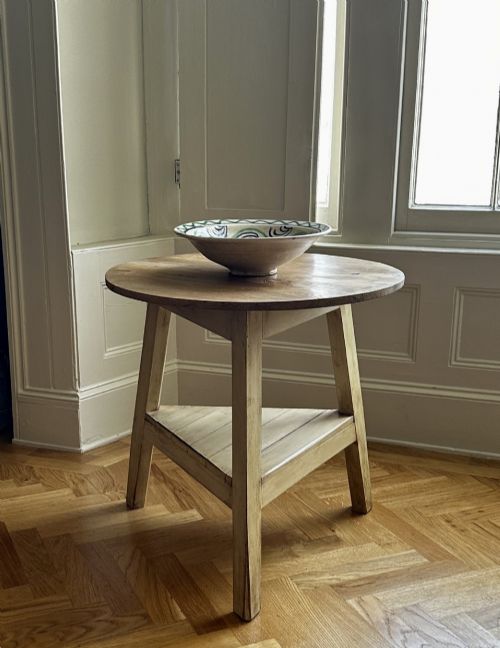
A rustic cricket table brings three-legged vernacular utility and sturdy country charm into a modern interior.
Rustic Cricket Table
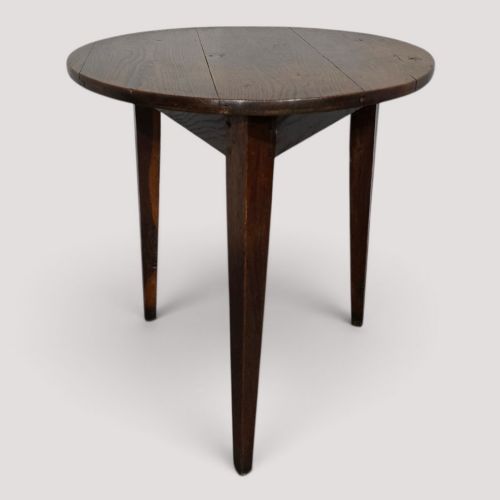
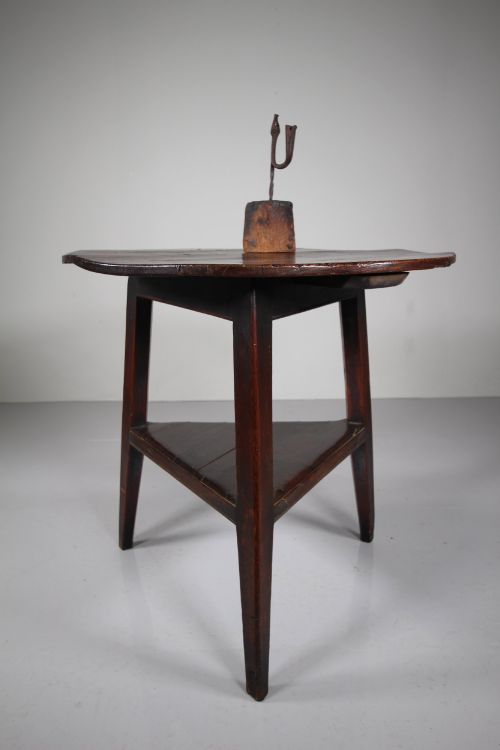
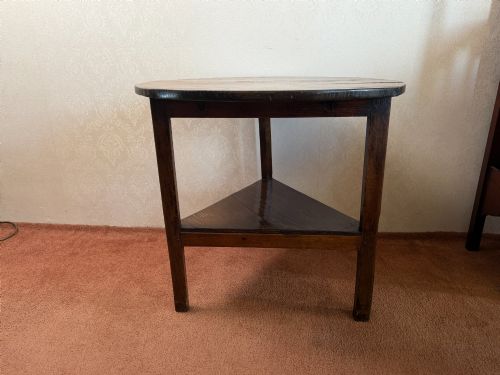
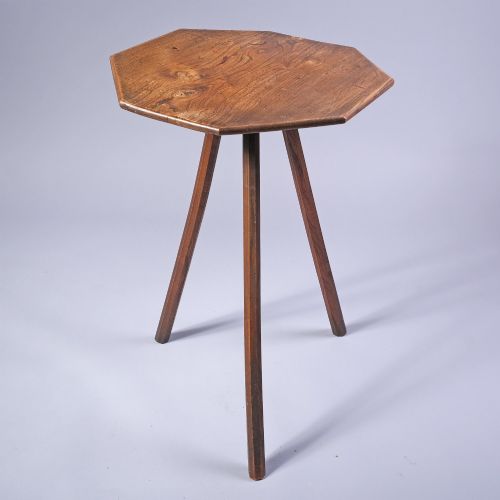
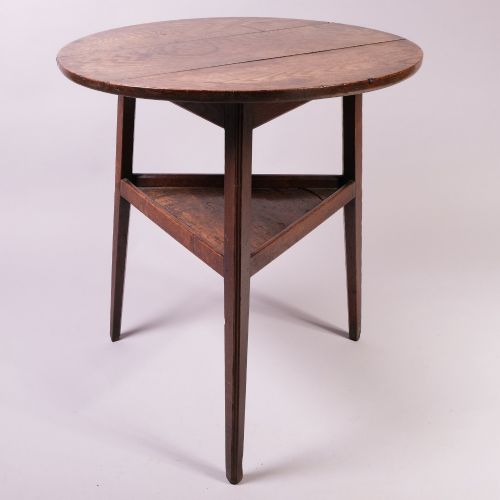
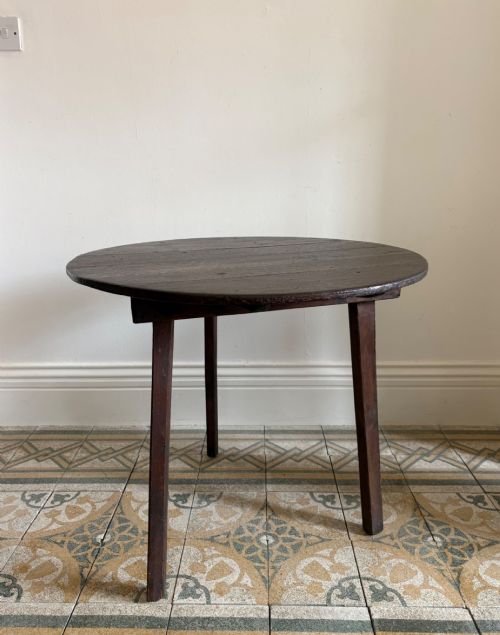
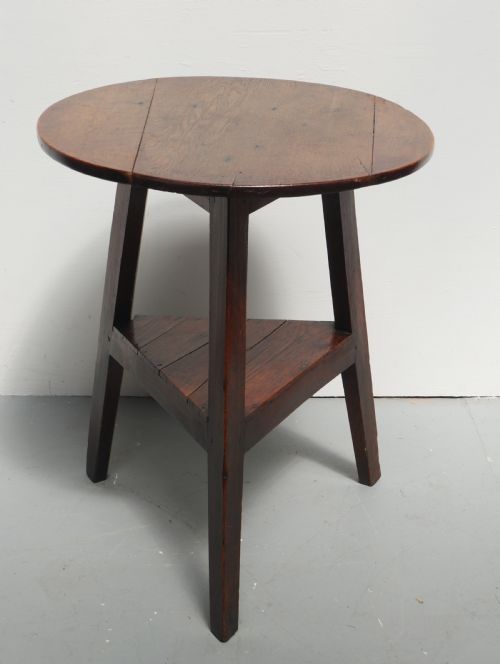
A rustic cricket table is a traditional three-legged occasional table designed for stability on uneven farmhouse floors. These small tables appear primarily in oak, pine, and elm, originating from periods spanning the eighteenth and nineteenth centuries.
Most examples found here belong to English and Welsh country vernacular traditions, often featuring circular timber tops supported by splayed legs. Makers built these pieces for utilitarian service in cottages, taverns, and farmhouses rather than formal parlours.
How they were made
Craftsmen built these tables using solid native hardwoods and softwoods such as oak, ash, elm, and pine. Tops were frequently fashioned from single-plank timber or joined boards, mounted onto three turned or shaped legs.
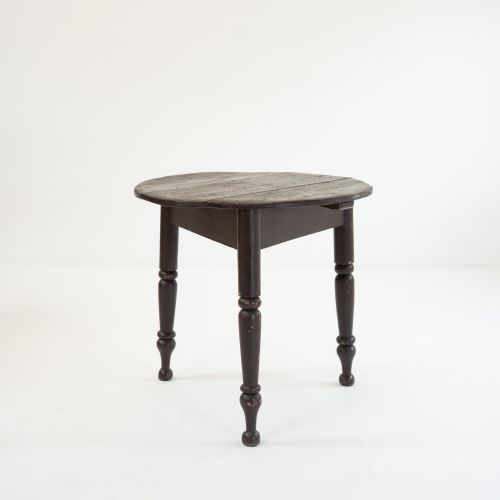
Joinery methods relied on sturdy pegging and through-tenons where legs pierced the tabletop directly. Surfaces often retain traces of early paint finishes, bleached patination, or simple carved details.
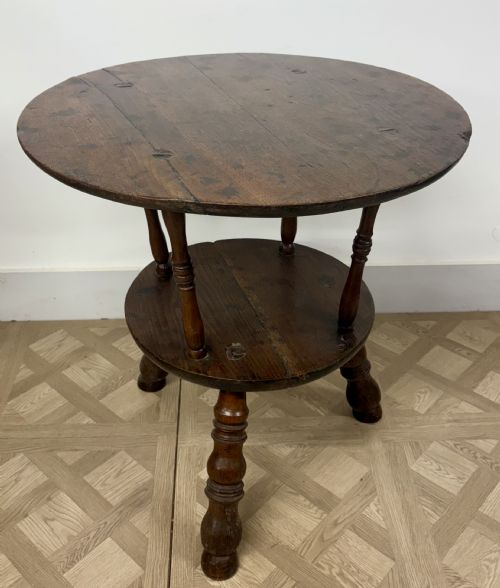
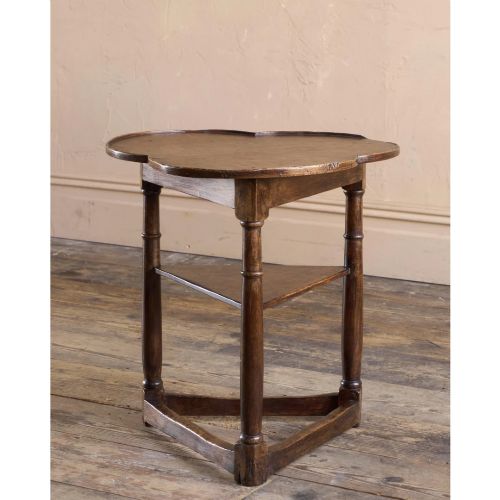
Several examples feature clever two-tier designs or trefoil tops, proving country makers enjoyed surprising shape-play.
What varies in quality
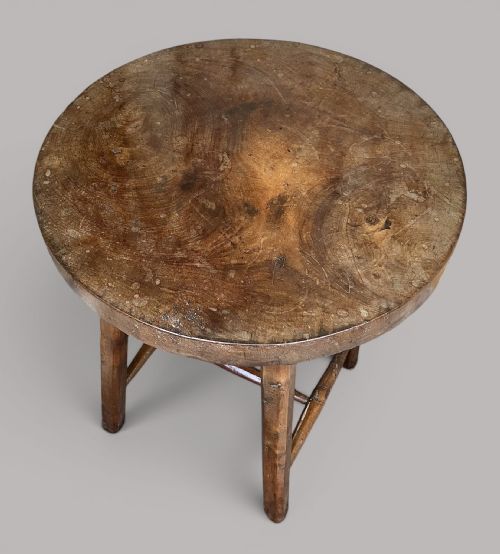
Quality in these pieces rests upon the integrity of the timber and the honesty of the construction. Tables featuring dense pollard oak, figured elm, or well-figured eighteenth-century oak display superior material selection.
Proportion and stance dictate visual success, with balanced leg splay and unaltered height distinguishing better examples. Retained original surface patination, whether bare scrubbed pine or early painted pigment, elevates a piece considerably.
The Rustic Cricket Table Glossary
- Cricket table
- A traditional small table supported by three legs, historically designed to stand firm on uneven floors. This form is the central focus of these listings.
- Vernacular furniture
- Domestic pieces made by local country joiners using regional timbers for everyday utility. These objects lack the formal design rules of urban cabinet making.
- Pad foot
- A compact, rounded foot terminating the bottom of a leg. This feature appears on certain Georgian examples.
- Trefoil top
- A tabletop shape resembling a three-lobed clover leaf. This uncommon configuration provides distinct visual character.
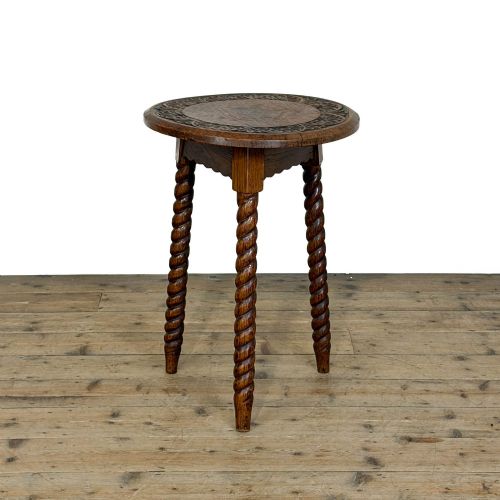
- Bobbin turned
- Legs shaped on a lathe into a series of rounded, spool-like swellings. This decorative turning style occurs on nineteenth-century pieces.
Rustic Cricket Table: Frequently Asked Questions
Why do these tables have three legs?
Three legs ensure that a table remains entirely stable on uneven or flagstone floors without wobbling. This practical geometry made the form popular in early rural homes and taverns.
Makers relied on this triangular arrangement because three points determine a plane automatically. It represents utilitarian design driven entirely by everyday domestic function.
Where were these tables used?
Country folk placed these small tables beside hearths, in corners, or as movable surfaces for dining and drinking. Welsh taverns and rural cottages utilised them extensively for daily tasks.
Their light and portable nature allowed residents to shift them easily around small living spaces as needed.
How do I date a cricket table?
Dating relies on examining the timber species, construction joinery, and tool marks left on the underside. Eighteenth-century versions often feature pegged oak construction and simpler hand-planed boards.
Later nineteenth-century examples frequently introduce pine, softwood bases, or machine-turned components like bobbin legs. Comparing these physical traits against documented regional styles clarifies the age.
Are painted finishes original?
Many pine and softwood examples retain early or original painted surfaces applied to protect the timber. These layers often show wear and patination accumulated over generations of domestic use.
Evaluating the pigment adherence and underlying wood helps determine whether the paint dates to the period of manufacture.