





Round Oak Cricket Table
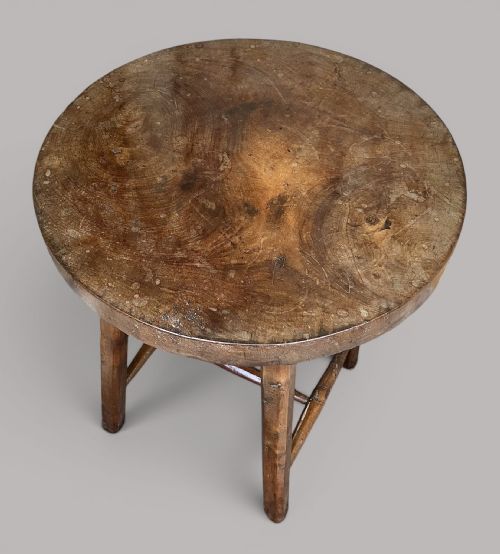
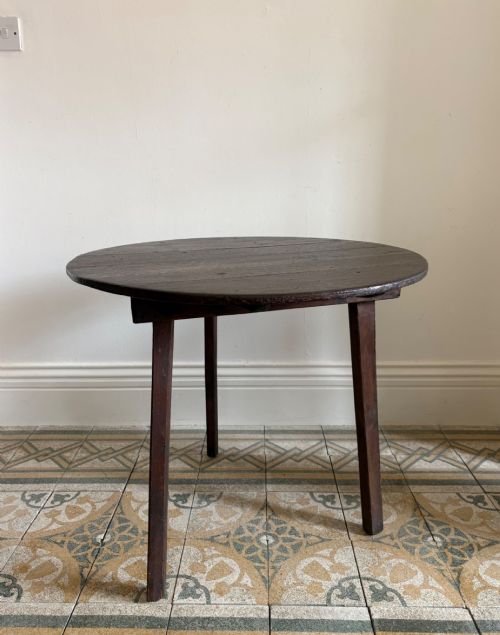
A round oak cricket table brings sturdy vernacular charm to a corner, offering three splayed legs and a circular top rooted in centuries of country house utility.
Round Oak Cricket Table
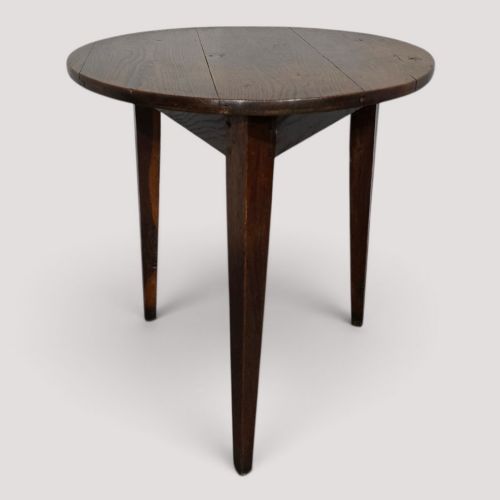
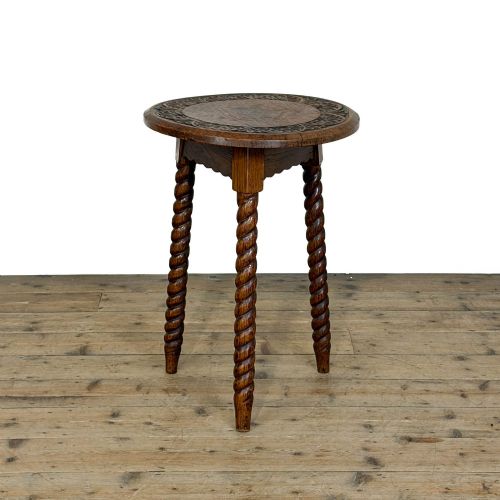
A round oak cricket table stands on three legs to maintain stability on uneven flagstone floors, making it a staple of English country vernacular and Welsh vernacular furnishing. When searching for this form, buyers encounter pieces spanning from the seventeenth century through to the Edwardian era and mid twentieth century.
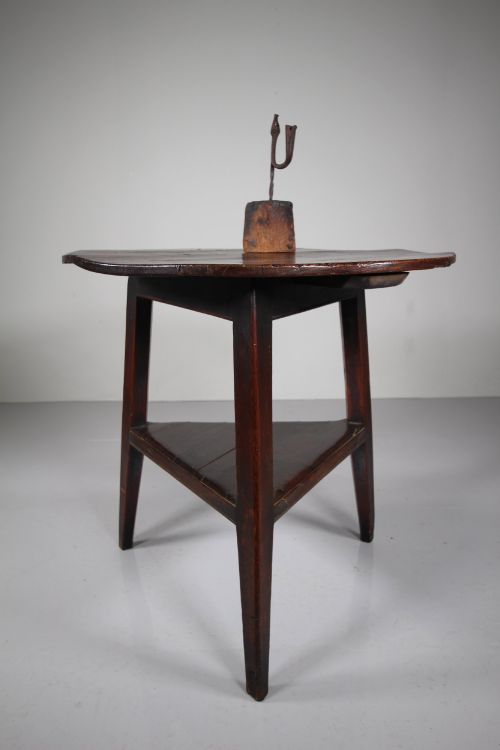
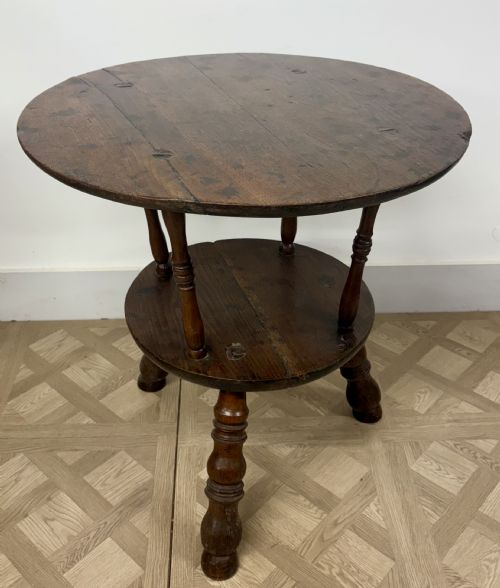
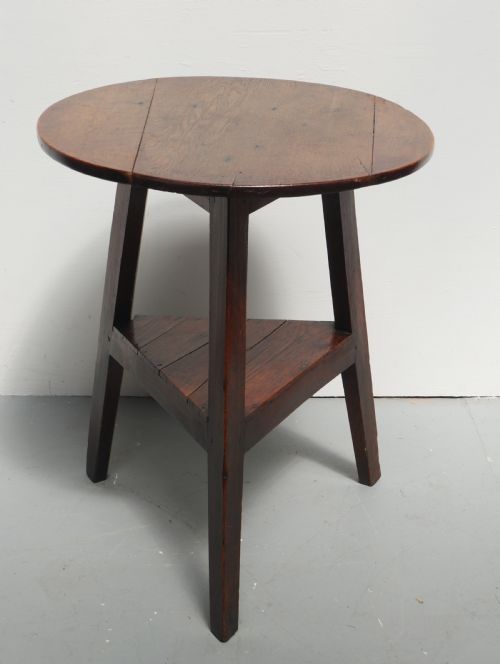
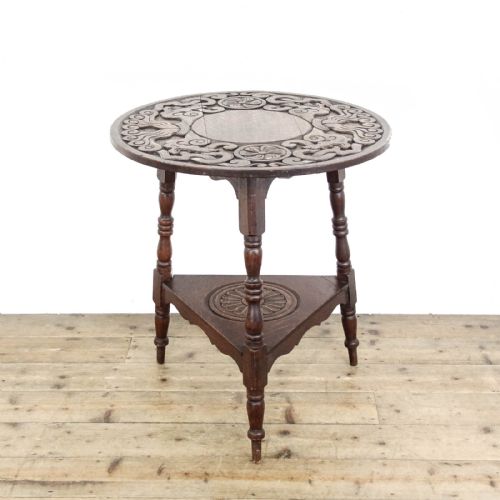
The construction typically involves a circular top paired with a tripod base, sometimes incorporating a lower tier for storage. Regional variations emerge clearly in the record, with pieces hailing from locales such as Monmouthshire and Snowdonia alongside standard English examples.
Functioning historically as side or occasional tables, these items suit modern interiors as bedside stands or lamp tables. The selection includes examples in solid oak, alongside variations featuring elm tops, pine bases, and painted finishes.
What varies in quality
Quality rests upon the selection of timber and the integrity of the joinery connecting the three legs to the top. Tables fashioned from solid oak or figured pollard oak with well-balanced proportions command greater regard than simpler utility variants.
The harmony between the thickness of the plank top and the taper of the splayed legs determines the visual success of the piece. Retaining an honest surface texture and original construction joints separates a genuine vernacular survival from later revivals.
Listings feature woods including oak, pine, elm, pollard oak, solid walnut, and bleached oak, alongside painted surfaces.
Liberty and Co
The Round Oak Cricket Table Glossary
- Cricket table
- A small circular table supported on three legs, traditionally designed for stability on uneven floors. The name derives from the three-legged wooden stools used by cricketers or from a perceived resemblance to wicket stumps.
- Vernacular furniture
- Domestic pieces made by local craftsmen for everyday use rather than high-style urban production. These items rely on regional traditions and readily available local woods like oak, elm, and pine.
- Tripod base
- A support structure composed of three legs. This arrangement prevents rocking on uneven stone or flagged flooring.
- Plank top
- A tabletop constructed from joined wooden boards rather than a single wide panel. This method was standard practice for circular tables made from native hardwoods.
- Two-tier table
- A table featuring an additional lower shelf or tier fitted between the legs. This provides extra surface area while maintaining the compact footprint of the base.
Round Oak Cricket Table: Frequently Asked Questions
What is a round oak cricket table?
A round oak cricket table is a traditional three-legged occasional table with a circular wooden top. These pieces originated in English and Welsh country homes where three legs provided natural stability on uneven floors.
Craftsmen built them from native timbers like oak and elm for everyday utility. Today they function as versatile small tables in traditional and modern rooms alike.
How old are these tables?
The surviving examples span a considerable period, starting from the seventeenth century through the Georgian era and into the nineteenth and early twentieth centuries. Jacobean revival and later vernacular pieces also appear in the record alongside early originals.
Dating relies on construction methods, timber patination, and tool marks left by the maker. Regional styles often help place a table within a specific century or decade.
Where were cricket tables used?
They served as general-purpose household tables in rural English and Welsh properties. Their compact round shape made them useful as side tables or occasional stands beside chairs and hearths.
Some regional variants emerged from specific areas like Monmouthshire and Snowdonia. Their portability allowed them to move easily around a farmhouse interior.
How do I style a cricket table at home?
A round oak cricket table fits neatly into corners, beside armchairs, or as a bedside stand. Its three-legged profile requires very little floor space while offering a characterful surface for a lamp or small objects.
The tactile grain of oak, elm, or painted pine introduces warmth and texture to a room. They pair naturally with both period interiors and contemporary minimalist spaces.