


Vintage Three Leg Table
When you search for a vintage three leg table, you are looking at tripod designs and nests of three tables spanning the Georgian to the 1930s.
Vintage Three Leg Table
A vintage three leg table encompasses pieces described as tripod tables, cricket tables, and nests of three tables originating from the Georgian period through to the 1930s. The selection includes occasional tables, wine tables, and lamp tables constructed with three supports rather than standard four-legged frames.
The materials span mahogany, oak, walnut, pine, elm, and hardwood, alongside brass and marble components. Styles range across Edwardian, Georgian, Jacobean Revival, Queen Anne Revival, English Country, French Provincial, and rustic country aesthetics.
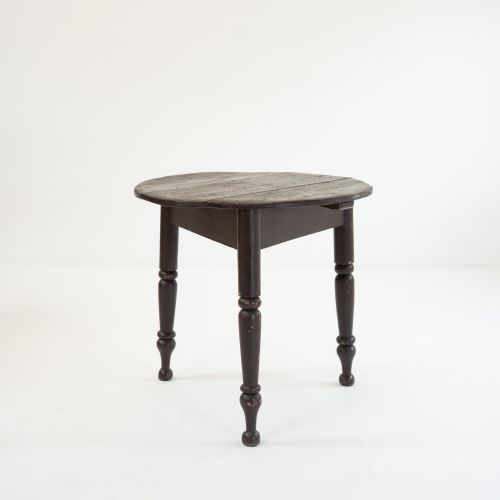
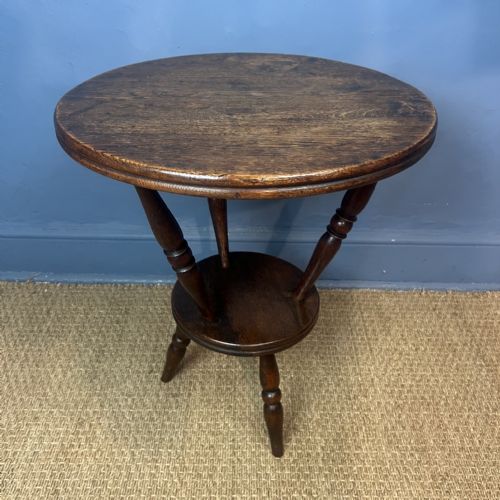
Buyers will encounter small circular cricket tables with plank tops, tilt-top wine tables, and stacked sets designed for compact spaces. These versatile forms served functional roles as bedside stands, side tables, and occasional furniture in domestic interiors.
Materials and construction
Timbers such as mahogany, oak, walnut, and pine form the primary structure of these pieces, sometimes complemented by brass fittings and marble tops. Cabinetmakers utilised dense hardwoods for durability and softer timbers like pine and elm for vernacular country furniture.
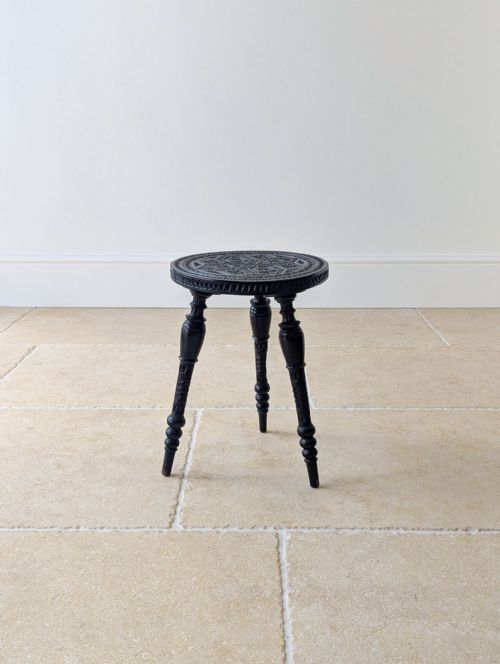
Construction techniques include hand-carving, turned legs, marquetry inlay, chip-carving, and bobbin turning. Cricket tables typically employ three sturdy legs fitted into plank tops, while tripod wine tables feature central pillars supported by three splayed feet.
Materials utilised across the current selection include brass, mahogany, oak, walnut, pine, marble, hardwood, and elm.
Factors of quality
The standard of timber selection and joinery marks the division between ordinary pieces and finer examples. Superior execution shows in the precision of hand-carved details, smooth turning on legs, and the grain matching in walnut or mahogany surfaces.
Proportion and structural integrity define the better specimens in this category. Tables that retain their original surfaces, stable three-legged balance, and crisp mouldings command greater appreciation than those with replaced components or clumsy repairs.
Liberty of London
The Vintage Three Leg Table Glossary
- Cricket table
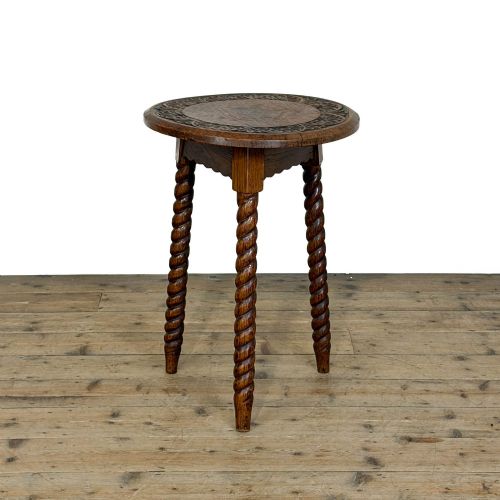
- A small vernacular table with three splayed legs and a round wooden top, traditionally used in English cottages. These pieces often feature sturdy oak or pine construction.
- Tripod table
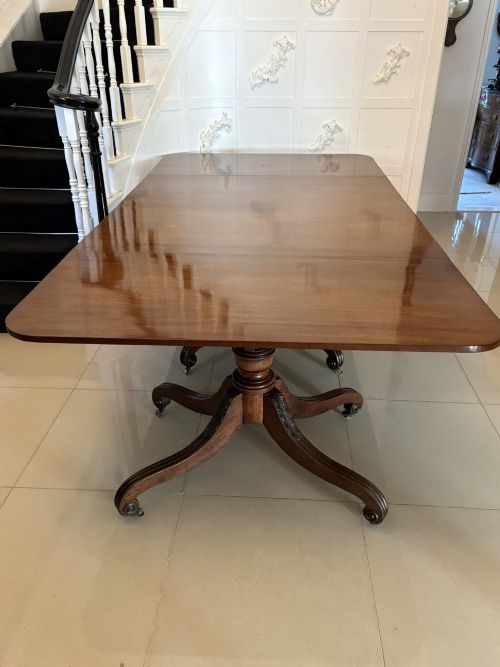
- A standalone table supported by a central pillar resting on three feet. This form frequently incorporates a tilt-top mechanism for storage.
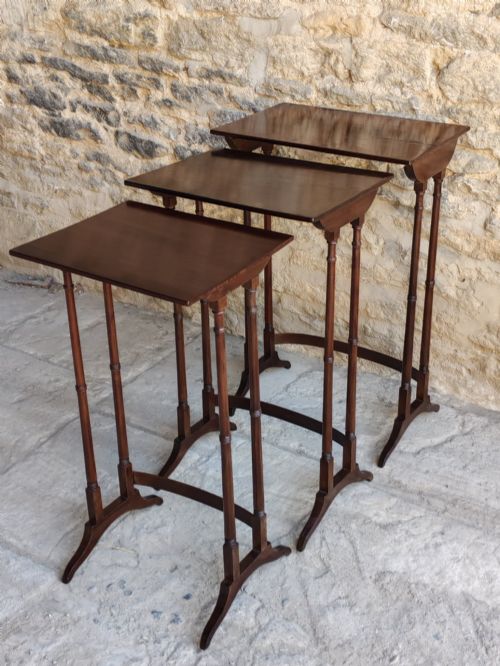
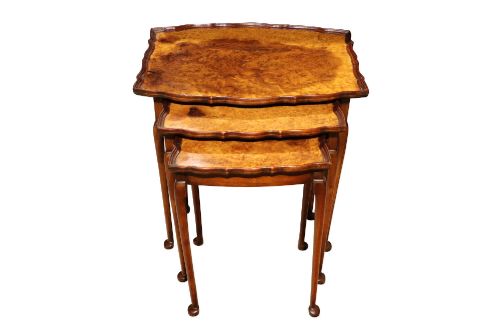
- Nest of tables
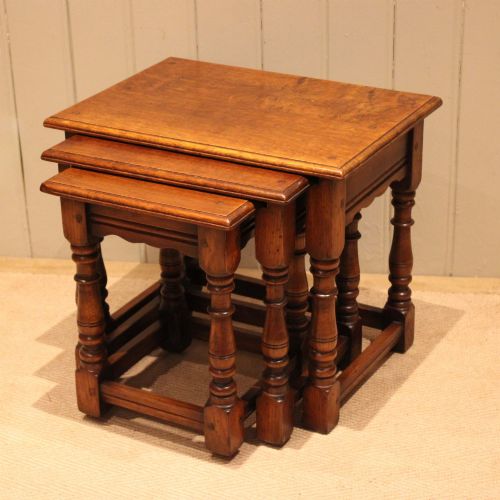
- A set of graduated tables designed to fit neatly beneath one another. They appear in mahogany, walnut, and oak across Georgian and 1920s periods.
- Marquetry
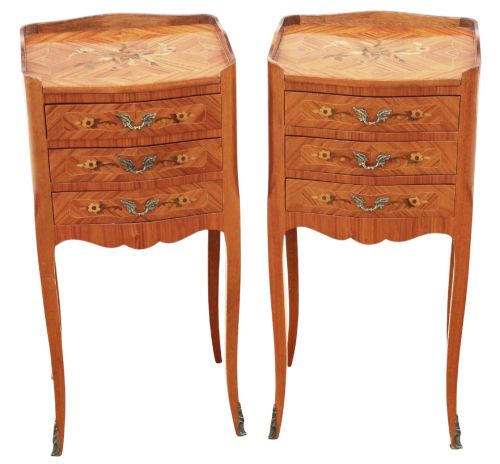
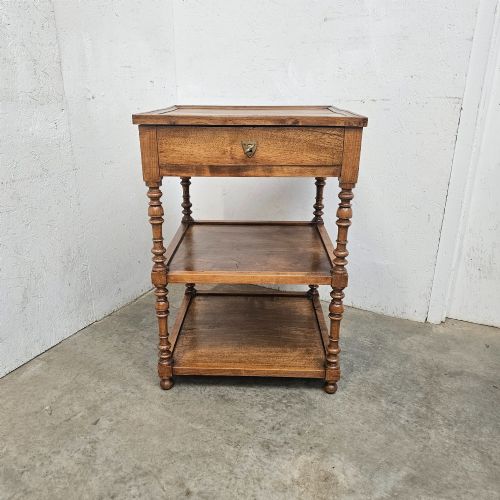
- Decorative inlay work using various coloured wood veneers to create geometric or floral patterns on tabletops. This technique appears on twentieth-century French bedside tables.
- Bobbin turning
- A form of lathe turning that produces a series of rounded spheres resembling bobbins along the length of a table leg. It is characteristic of small oak tables from around 1900.
Vintage Three Leg Table: Frequently Asked Questions
What is a cricket table?
A cricket table is a traditional small table featuring three legs and a circular wooden top. These pieces were built for stability on uneven floors in English country houses.
The design relies on three splayed legs inserted into a plank top, typically made of oak, pine, or elm. They function well today as compact side tables.
How do I use a tripod table?
Tripod tables serve well as occasional pieces for lamps, drinks, or small display items. Their single central column and three-legged base allow them to fit into corners and tight spaces.
Many period versions feature tilt-top mechanisms, enabling the surface to be stored flat against a wall when not in use.
Are nest of tables antique?
Nests of tables span several periods represented here, from Georgian sets to 1920s burr walnut and Queen Anne style Chinoiserie versions. They were designed for versatility in entertaining and daily living.
The graduated sizes allow the smaller tables to slide entirely beneath the main surface, saving floor space in smaller rooms.
How do I identify the age of these tables?
Dating relies on observing timber choices, construction methods, and stylistic details associated with periods like the Georgian era, Victorian times, or the 1920s. Hand-cut joinery and timber patination point to older vernacular pieces.
Revival styles from the early twentieth century often mimic earlier Georgian or Jacobean forms, so examining the wood beneath and overall wear helps clarify the date.