

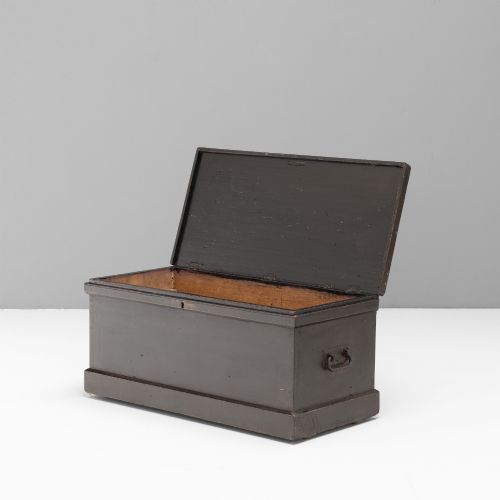
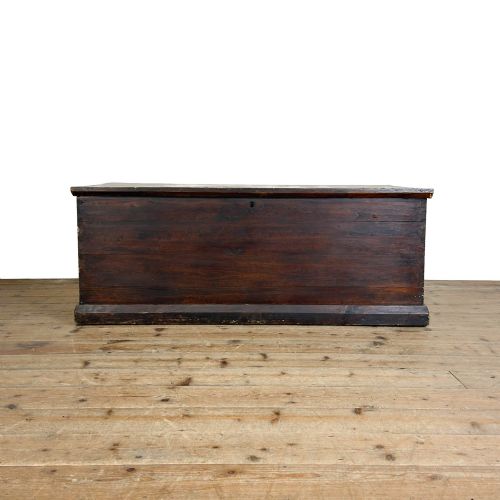
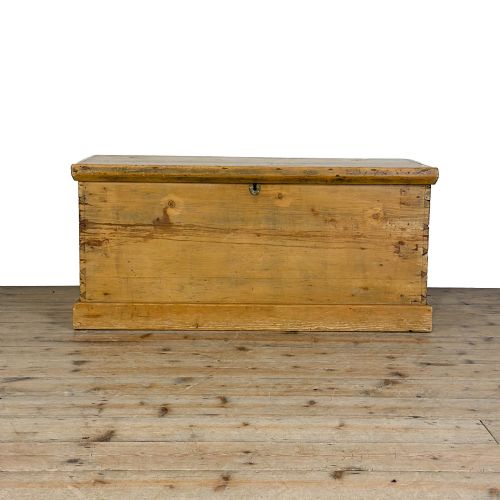
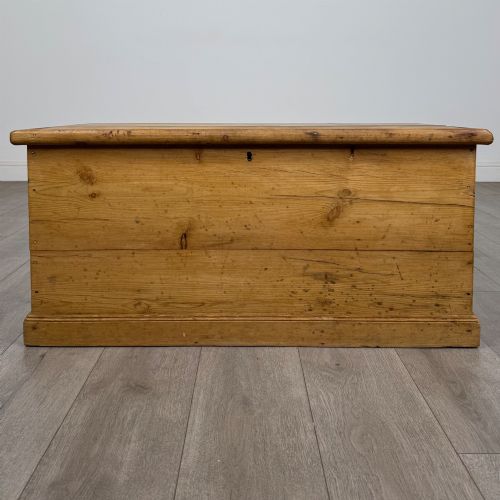
Rustic Country Storage Trunk
A rustic country storage trunk offers rugged utility and timeless warmth, shaped by centuries of practical domestic life.
Rustic Country Storage Trunk
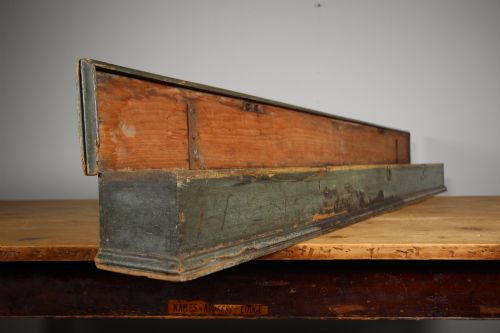
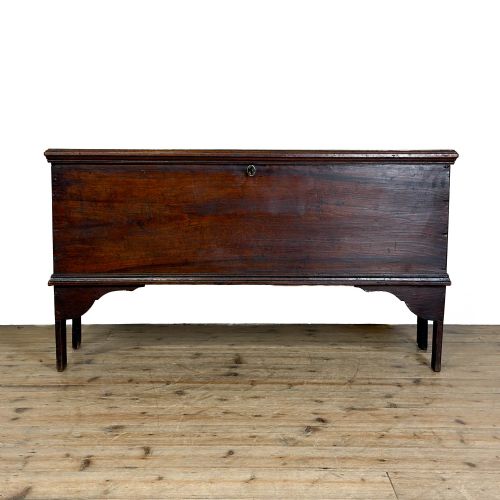
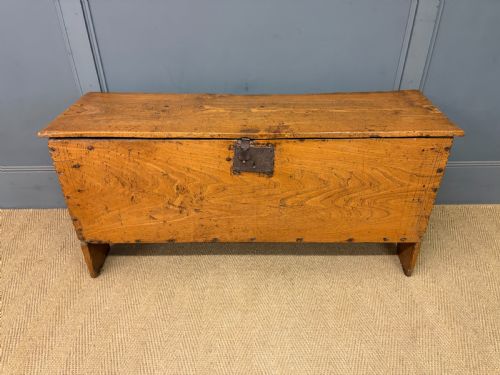
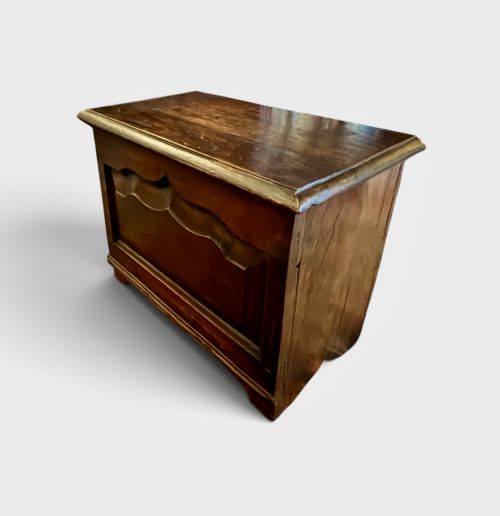
A rustic country storage trunk encompasses robust coffers, blanket boxes, mule chests, and storage chests spanning from the seventeenth century through the Victorian era. These utilitarian pieces originate from domestic and rural settings across Britain, France, and Scandinavia.
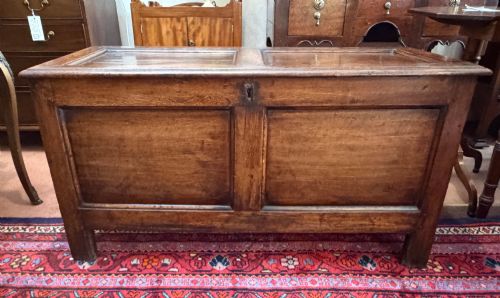
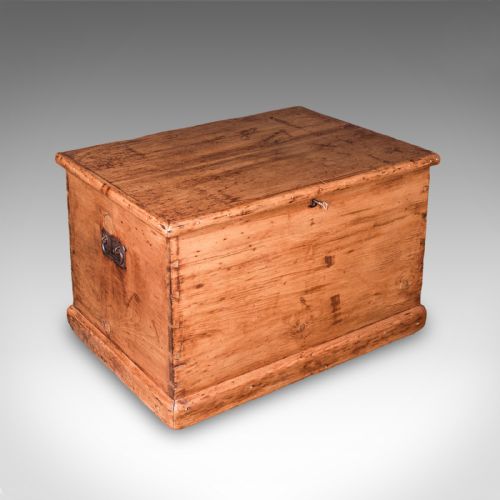
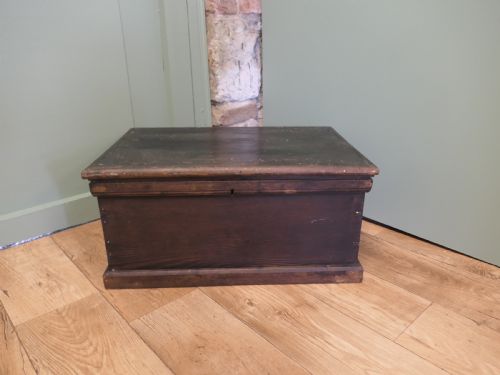
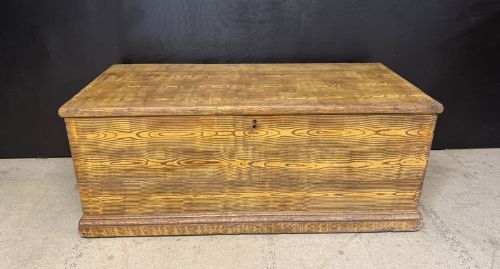
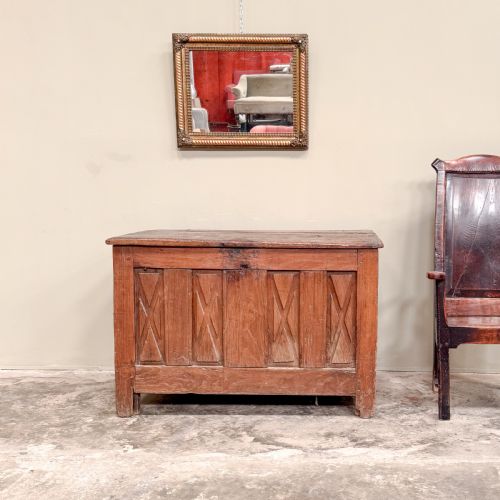
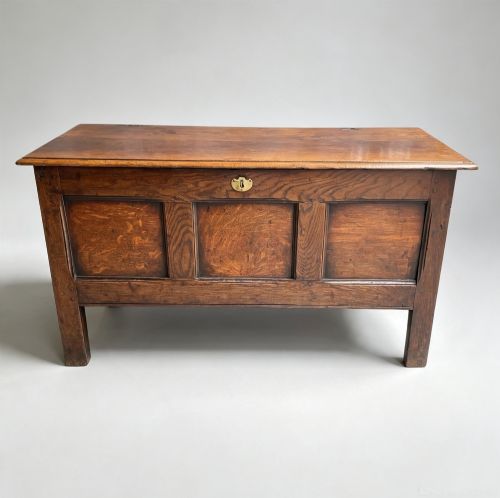
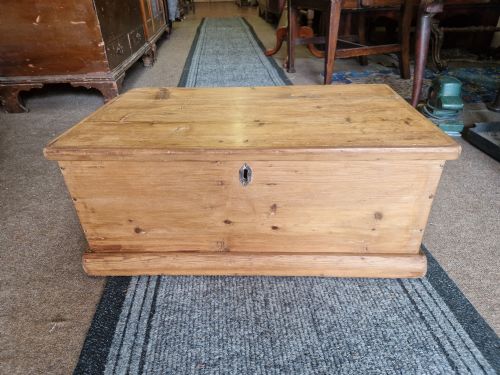
Pine blanket boxes and oak coffers dominate the selection, often featuring simple hinged lids and sturdy plank construction. Buyers regularly encounter nineteenth-century stripped or painted pine alongside earlier seventeenth-century and eighteenth-century oak examples.
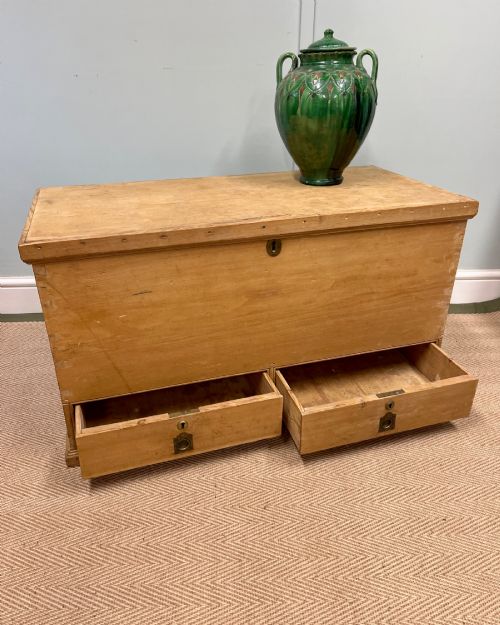
Specialised regional forms such as grain arks, sword chests, and mule chests with lower drawers appear among the standard blanket boxes and storage trunks. Each piece reflects the everyday storage needs of historic rural households.
Quality and Character
Quality rests in the integrity of the timber, the honesty of the construction, and the degree of original surface treatment surviving on the wood. Pieces retaining their early hinges, original locks, and unblemished board thickness stand apart from heavily altered examples.
The sophistication of the joinery and the selection of figured or quarter-sawn oak distinguish finer formal pieces from utilitarian farmhouse boxes. Proportion and scale also dictate quality, with smaller portable trunks and early plank coffers holding particular appeal for collectors.
Rustic Country Storage Trunk Retail Price Guide 2026
Typical asking prices for rustic country storage trunk among the pieces listed under this phrase on Sellingantiques today, from the lower quarter to the upper quarter. They describe what is for sale here now, not the wider market.
Listings feature timbers including pine, oak, elm, cherrywood, and painted wood, alongside iron and brass hardware.
The Rustic Country Storage Trunk Glossary
- Cofer
- A large wooden chest traditionally used for storing valuables, linen, or documents. These heavy boxes often feature domed or flat hinged lids.
- Mule chest
- A storage chest fitted with one or more drawers beneath the main compartment. This form bridges the evolution between the simple blanket box and the modern chest of drawers.
- Six-plank coffer
- An early form of chest constructed from six principal boards joined at the edges. Pegs and simple butt joints typically hold the structure together.
- Grain ark
- A specialised agricultural chest designed for storing grain or seed in rural farmhouses. These pieces usually feature deep interiors and sturdy boarded lids.
- Sword chest
- A long, narrow chest historically utilised for storing side arms and military equipment. They present distinctive proportions compared to standard blanket boxes.
Rustic Country Storage Trunk: Frequently Asked Questions
What did people store in a country trunk?
These trunks served as secure domestic repositories for heavy woollen blankets, family linens, winter garments, and personal valuables. In rural farmhouses, similar boxes held dry goods, grain, or tools.
Over generations, their robust construction made them reliable containers for household possessions that required protection from dampness and pests.
How do I date an old pine trunk?
Dating relies on examining the construction methods, nail types, hinge styles, and the overall wear of the timber. Hand-forged ironwork and pegged joints generally point towards earlier centuries.
Victorian and later nineteenth-century pieces often display machine-sawn boards, simpler butt joints, and standardised hinges alongside softer pine patination.
Can I use a storage trunk as a coffee table?
Many buyers repurpose flat-topped blanket boxes and coffers as living room coffee tables because their sturdy lids provide a stable surface. Their internal cavities offer practical hidden storage for books and blankets.
It is wise to check the height and stability of the lid before daily use to ensure the antique timber remains fully supported.
What is the difference between an oak coffer and a pine box?
Oak coffers represent earlier, heavier craftsmanship dating predominantly from the seventeenth and eighteenth centuries, often featuring panelled construction. Pine boxes are typically lighter, softer in texture, and frequently date from the nineteenth century.
While oak pieces suggest formal vernacular rooms, pine trunks generally reflect more utilitarian country domestic settings.