
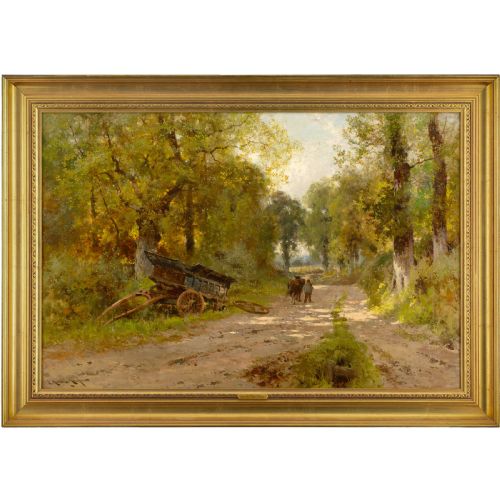
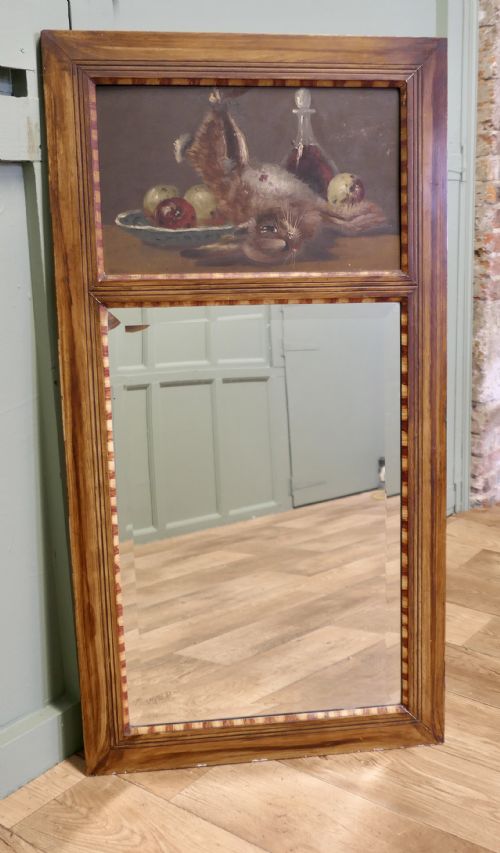
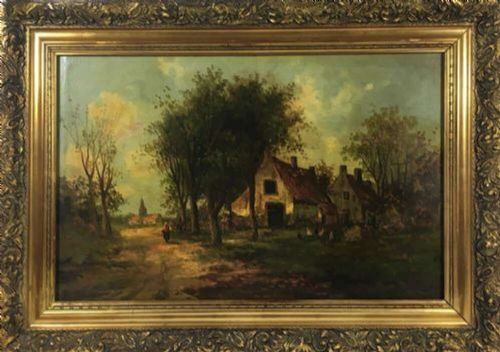
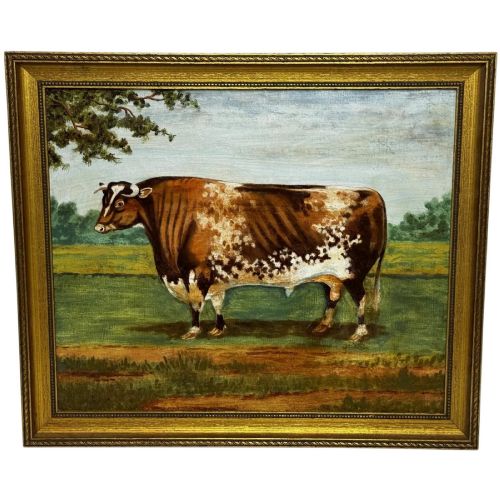




Rustic Country Oil Painting
When you search for a rustic country oil painting, you find works capturing traditional farmyard scenes, landscapes, and rural life on canvas or board.
Rustic Country Oil Painting
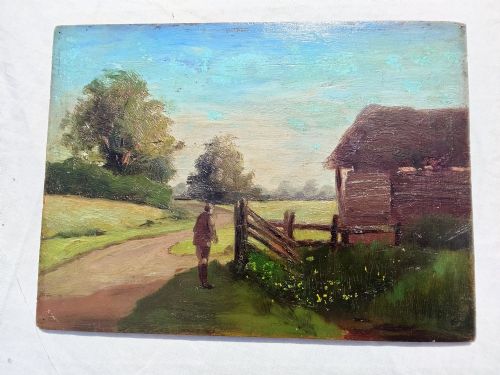
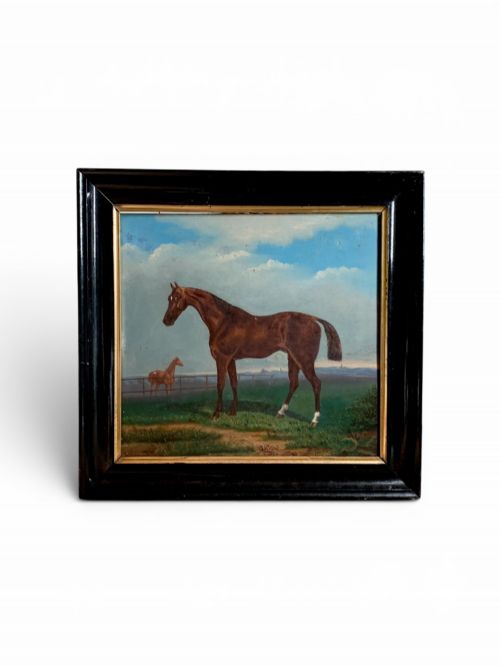
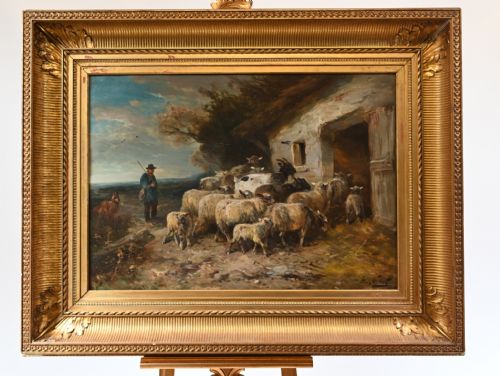
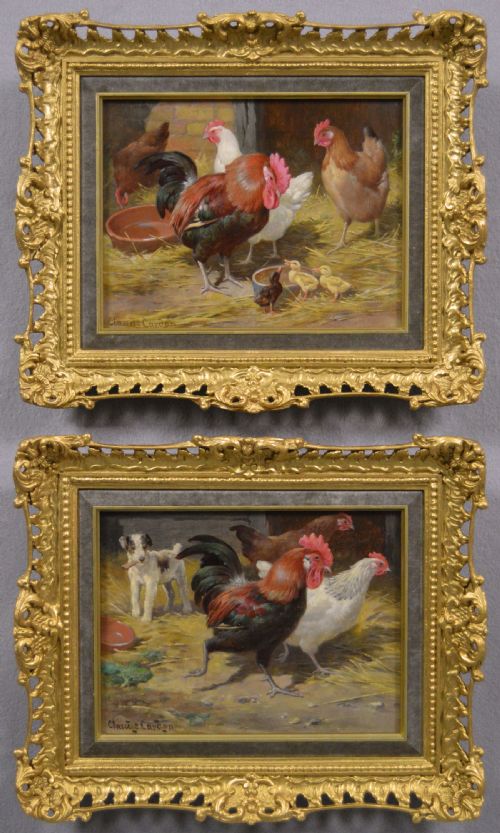
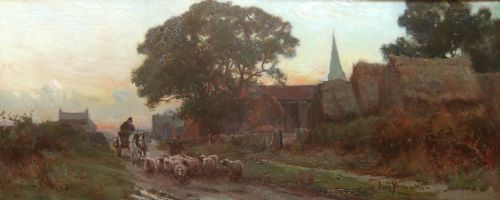
A rustic country oil painting brings historical rural scenes, farmyard animals, and quiet cottages directly into interior spaces. These works typically depict livestock, shepherds with flocks, horses and carts, or quiet village pathways set against British, French, or wider European landscapes.
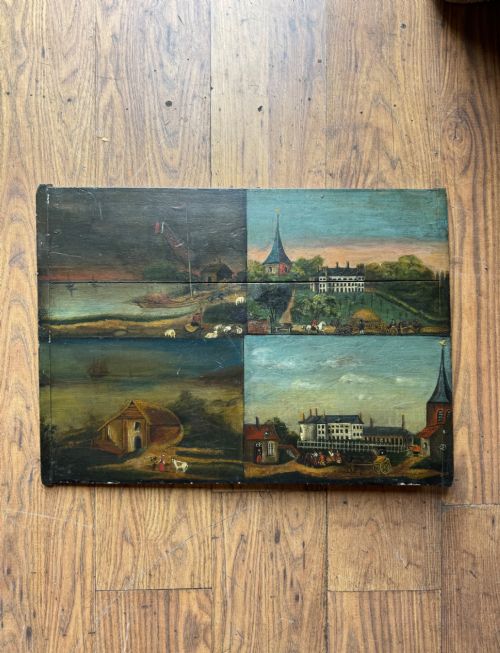
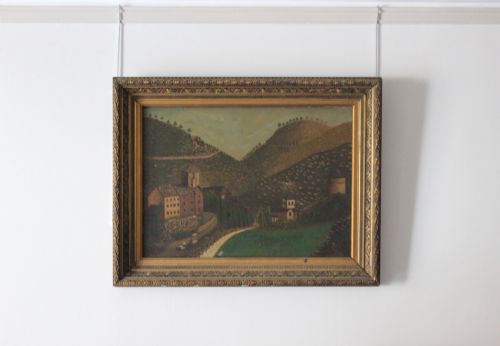
The pieces appearing here span from the Georgian period through the Victorian era into the mid-twentieth century. Buyers encounter provincial naive folk art alongside accomplished academic works by named artists of the nineteenth and early twentieth centuries.
Most selections take the form of traditional framed oil paintings on canvas or wooden board, though variations include works on panel and tondo formats. Occasional related objects such as trumeau pier mirrors and ceramic vessels also appear alongside the paintings.
Materials and Techniques
Artists painted primarily with oil paint on stretched canvas, wooden boards, or wooden panels, applying pigment in layered brushstrokes to build depth and texture. Some nineteenth-century canvases were later laid onto board to ensure structural stability over time.
Framing materials reflect the period of production, incorporating wood, gesso, and giltwood or gilt wood surrounds. These frames often complement the rural subject matter, ranging from simple mouldings to decorative trumeau mirror surrounds.
Rustic Country Oil Painting Retail Price Guide 2026
Typical asking prices for rustic country oil painting among the pieces listed under this phrase on Sellingantiques today, from the lower quarter to the upper quarter. They describe what is for sale here now, not the wider market.
Materials recorded across the inventory include oil on canvas, wooden board, gesso, giltwood, and framed panels.
Distinctions in Quality
Quality rests in the handling of light, anatomical precision in animals and figures, and the depth of composition. Masterful brushwork breathes life into farmyard scenes and landscapes, distinguishing accomplished academic or Barbizon School canvases from simpler naive folk art pieces.
The integrity of the original surface and the condition of the support material matter significantly. Works retaining their original stretchers, stable paint layers, and period frames hold greater artistic and historical cohesion.
John Horace Hooper·Edgar Hunt·Henry Schouten·George Morland·Claude Cardon·Owen Bowen·John Constable·John Bell·Henry John Yeend King·Andre de Moller·Percival Glenfern·Fred Stead·John Henry Dell·Paul Jones·Abraham Hulk Junior
The Rustic Country Oil Painting Glossary
- Oil paint
- A slow-drying medium made by mixing pigments with oils such as linseed. This allowed artists to blend colours smoothly and build rich textures on canvas.
- Canvas
- A heavy woven fabric stretched across a wooden frame to form a rigid support for painting. It remains the most common surface for nineteenth-century oils.
- Board
- A rigid wooden or composite sheet used as a painting support instead of canvas. Smaller landscapes and sketches often utilised this firmer panel.
- Gesso
- A plaster-like mixture applied to wooden frames or panels to prepare the surface for gilding or painting. It provides a smooth base that accepts gold leaf.
- Trumeau
- An architectural wall mirror or panel placed between windows or above a fireplace. These French decorative pieces often incorporate an oil painting within the upper wooden frame.
Rustic Country Oil Painting: Frequently Asked Questions
What subjects appear most often?
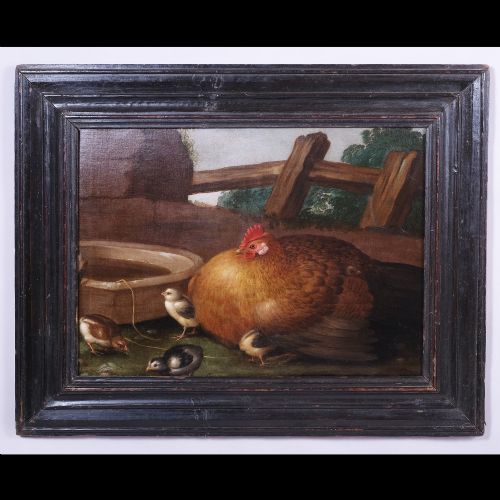
Farmyard scenes featuring horses, chickens, sheep, and cattle dominate the selection alongside rural cottages and pastoral landscapes. Domestic animals and agricultural workers form the core of these traditional compositions.
Artists also recorded specific local views, coastal countryside, and naive folk art interpretations of rural daily life across Britain and Europe.
How do I date an oil painting?
Dating relies on stylistic evidence, costume details of any figures depicted, stretcher construction, and framing materials. Signatures, monograms, and artist biographies provide concrete chronological markers.
Examine the reverse of the canvas or board for old labels, inscriptions, or stamps left by nineteenth-century framers and artists' suppliers.
Where should I hang these pieces?
These works suit dining rooms, libraries, and hallways where traditional country aesthetics complement wooden furniture and period interiors. Adequate wall space allows the framed canvas to anchor the room.
Keep paintings away from direct sunlight and damp environments to protect the oil pigments and wooden stretchers from warping or fading.
What is naive folk art?
Provincial naive folk art describes paintings created outside the formal academic tradition, often by self-taught artists. These works prioritise direct expression and storytelling over strict perspective and anatomical accuracy.
Collectors prize them for their charm, simplicity, and honest portrayal of nineteenth-century rural existence.