


Rustic Country Hall Seat
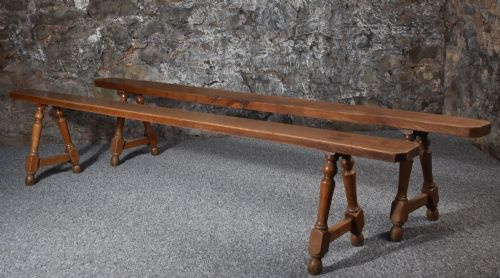
A rustic country hall seat is a sturdy utilitarian bench designed for passageways, offering straightforward seating crafted from honest local timbers like oak, pine, and elm.
Rustic Country Hall Seat
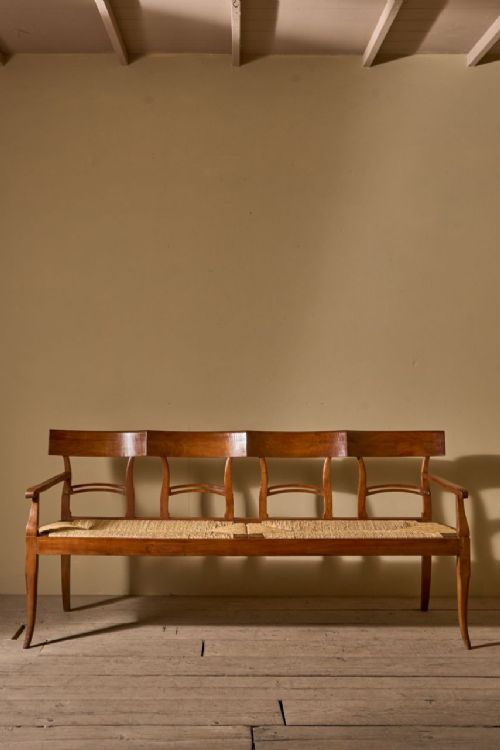
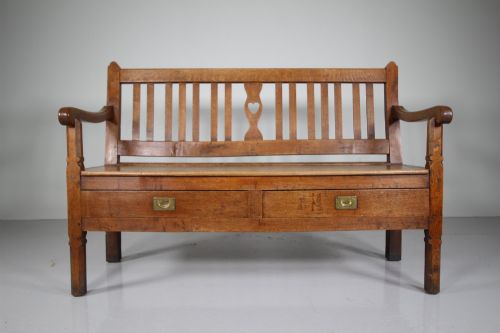
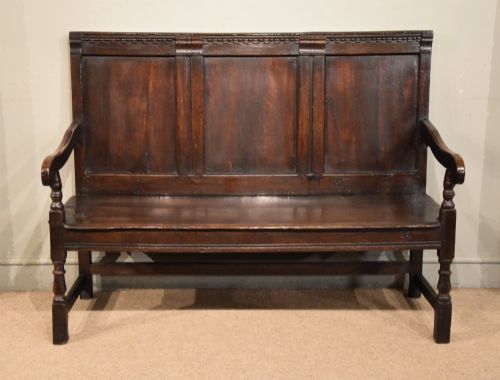
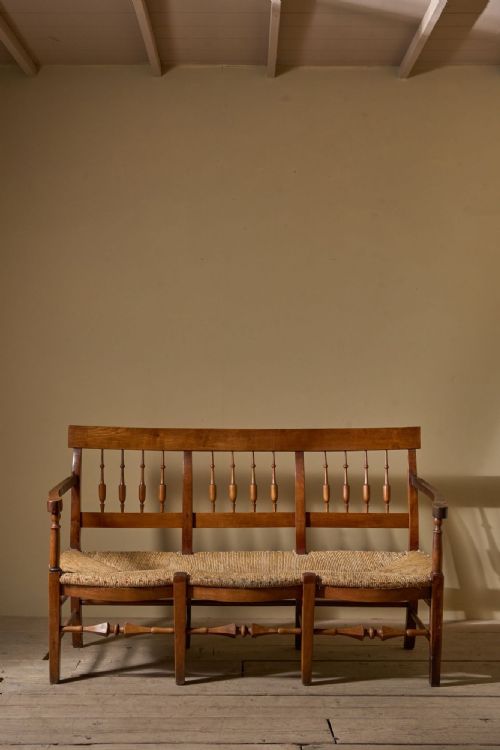
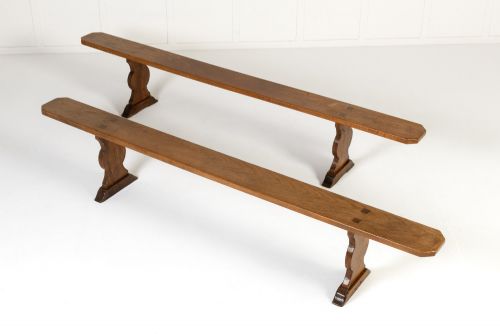
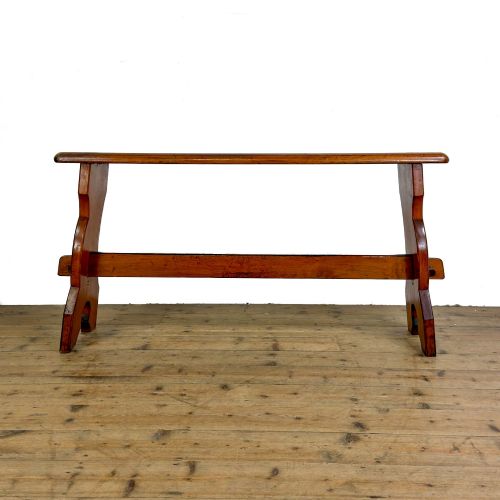
A rustic country hall seat encompasses benches, settles, and long forms designed to sit practically in hallways, entranceways, and farmhouses. Pieces span from the eighteenth century through to the early twentieth century, showing regional European and British vernacular traditions.
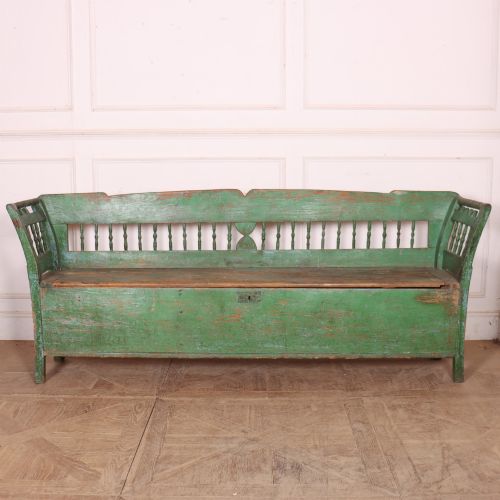
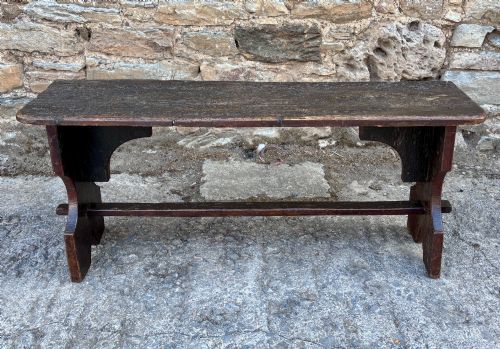
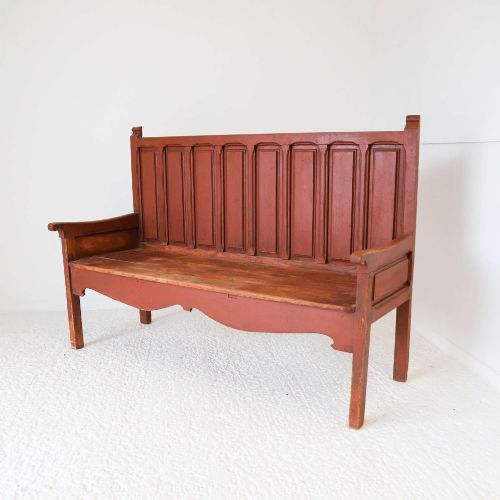
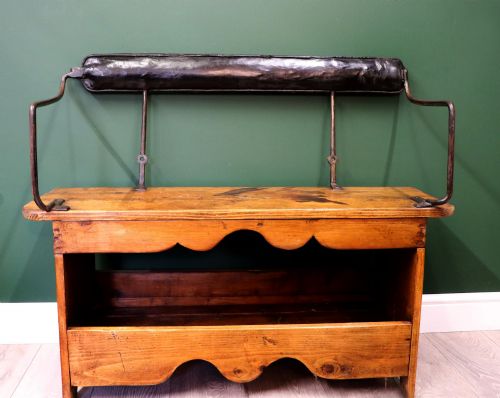
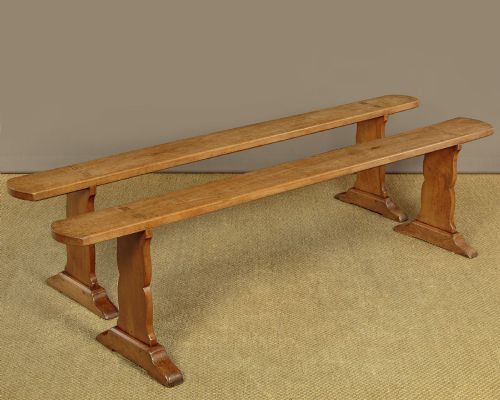
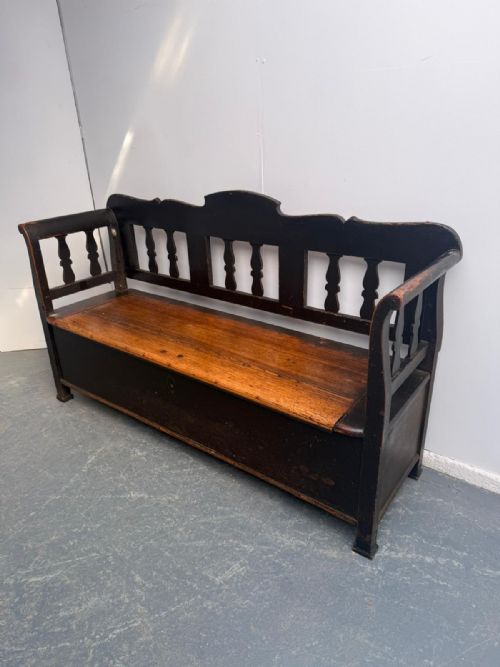
The form most frequently met on this page is the pine box settle or long wooden bench, often originating from Welsh, French, Hungarian, or Scandinavian workshops. These range from simple open-leg benches to high-backed settles with integrated storage compartments beneath the seat.
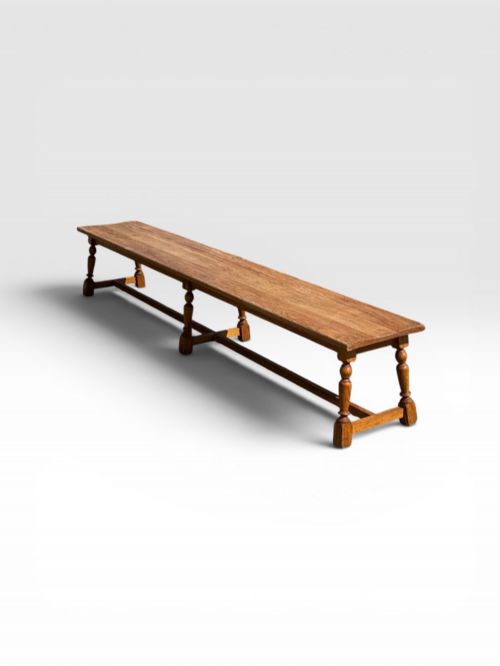
Constructed primarily for utility, these items reflect domestic life in farmhouses, taverns, and country homes. Their forms vary from narrow two-seater benches to imposing eight-foot oak examples intended for substantial hallways.
Assessing quality and character
Quality rests upon the integrity of the timber and the preservation of original surfaces, such as undisturbed historic paint or deep patination built up through generations of use. Altered proportions or heavily restored framework diminish the integrity of vernacular pieces.
The Rustic Country Hall Seat Glossary
- Settle
- A wooden bench with a high back, solid arms, and often a closed base or box seat designed to block draughts in entrance halls. These pieces served as both seating and protective screens near doorways.
- Box settle
- A settle featuring a hinged seat lid that lifts to reveal a storage compartment beneath. This cavity provided practical containment for blankets, boots, or household stores.
- Rush seat
- A seating surface woven from dried marsh rushes, commonly found on chairs and benches from the eighteenth and nineteenth centuries. The natural cordage yields a flexible, supportive texture.
- Vernacular furniture
- Domestic objects made by local tradesmen using regional materials and traditional methods rather than following academic design rules. These pieces prioritise functional utility over stylistic fashion.
Rustic Country Hall Seat: Frequently Asked Questions
Where should I place a rustic country hall seat?
These benches suit entrance halls, boot rooms, and wide corridors where their narrow profile leaves walkways clear. They also function effectively along dining tables or beneath windows.
Ensure you measure the depth and length of your space, particularly with longer eighteenth and nineteenth-century examples that can exceed two metres.
How do I care for antique pine and oak benches?
Maintain waxed wooden surfaces with occasional applications of beeswax to nourish the timber and preserve its finish. Avoid placing pieces near direct heat sources to prevent the wood from splitting.
For painted examples, dust gently with a dry cloth and avoid harsh chemical cleaners that might strip historic pigment.
What is the difference between a bench and a settle?
A standard bench provides open seating with simple legs, while a settle incorporates a solid high back and enclosed sides. Settles were originally designed to shield occupants from cold draughts in unheated hallways.
Many period settles also include box seating beneath the lift-up lid for concealed storage.
How can I tell the age of a country hall seat?
Examine the construction methods, tool marks, and timber shrinkage to estimate period origins. Hand-sawn boards, pegged joinery, and natural wear patterns indicate eighteenth or nineteenth-century craftsmanship.
Original painted surfaces or early patination further confirm the age and historical integrity of the piece.