
Rustic Country Folk Art
Rustic country folk art comprises utilitarian everyday objects and vernacular furniture shaped by local hands across the eighteenth, nineteenth and twentieth centuries.
Rustic Country Folk Art
Rustic country folk art covers a diverse range of domestic and utilitarian objects created for daily use in rural households and farms. When exploring rustic country folk art, buyers encounter seating, storage and decorative pieces shaped by regional traditions.
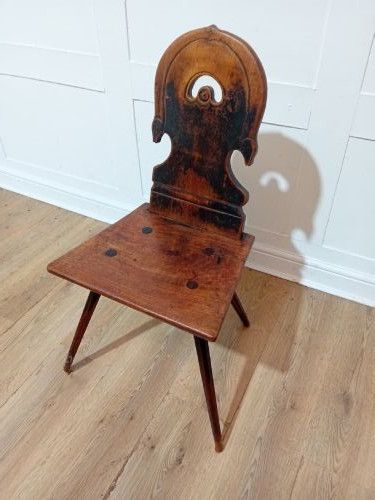
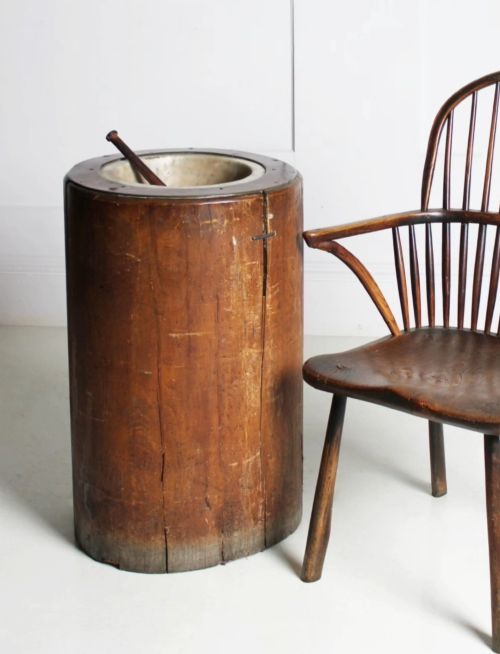
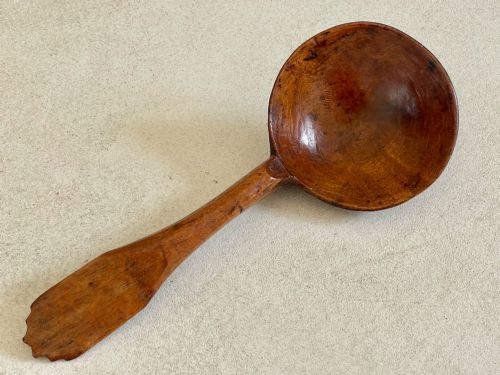
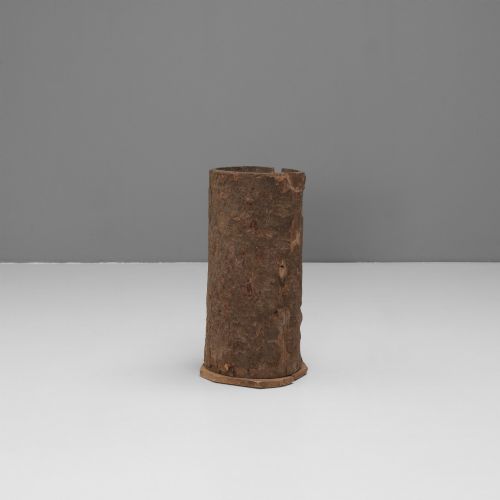
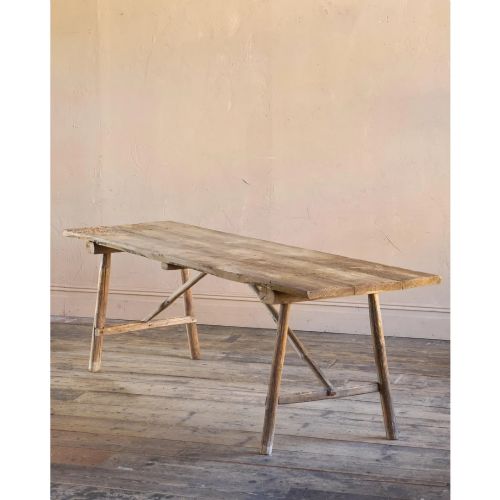
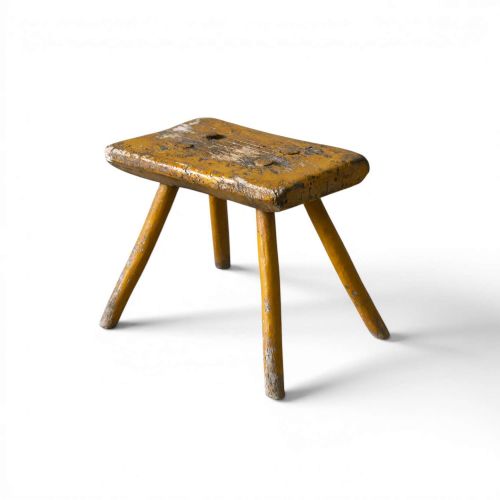
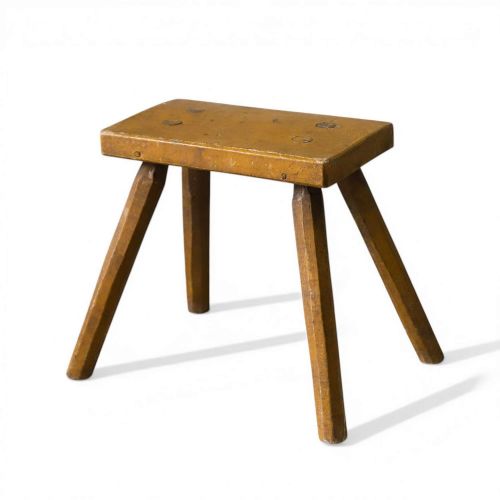
The selection includes milking stools, benches, dining tables, side tables, cupboards and decorative carvings originating from British, Scandinavian, French and Eastern European workshops. These objects reflect local domestic needs and regional aesthetic customs rather than urban design trends.
Materials and construction
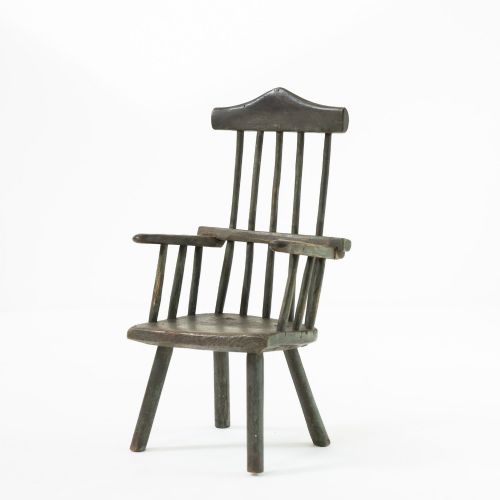
Makers utilised readily available local timber including pine, oak, sycamore, fruitwood and other regional hardwoods. Construction methods relied on straightforward carpentry techniques such as pegged joints, stick-back framing and solid board construction.
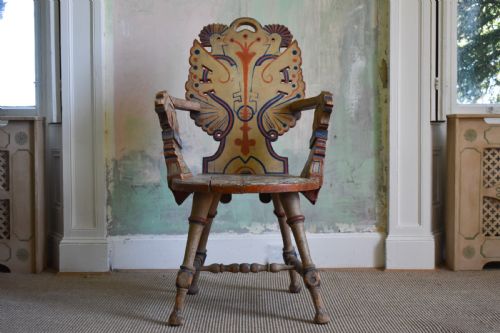
Surfaces frequently display layers of original paintwork, including ochre, yellow, green, blue and cream, alongside waxed or natural wood finishes. Decorative elements incorporate hand-painted details, carved motifs and utilitarian metal components like iron mountings.
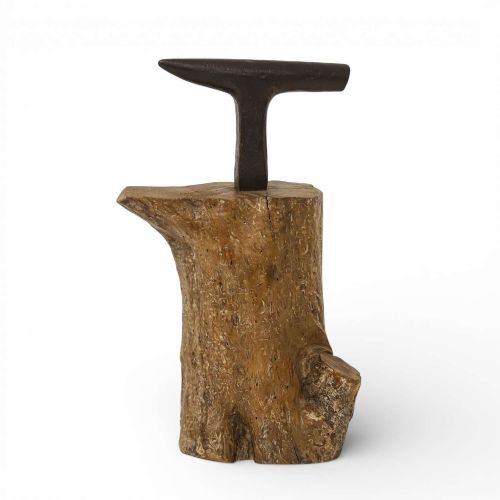
Listings feature items from the eighteenth, nineteenth and twentieth centuries, constructed primarily from pine, oak, hardwood and iron.
Assessing quality
Quality rests upon the integrity of the original surface, particularly the presence of untouched historical paint or authentic patination developed through decades of domestic use. Pieces retaining their early or original pigment layers command greater interest among collectors.
Proportion and sculptural presence distinguish ordinary utility items from exceptional examples of vernacular design. The balance of a hand-carved seat, the weight of a turned leg or the boldness of regional paint application determines the visual impact of each piece.
The Rustic Country Folk Art Glossary
- Vernacular
- Architecture or furniture designed and built by local craftsmen using traditional methods and local materials, without formal architectural training.
- Primitive
- A descriptive term for early or utilitarian objects possessing simple construction and direct, unpretentious forms.
- Tramp art
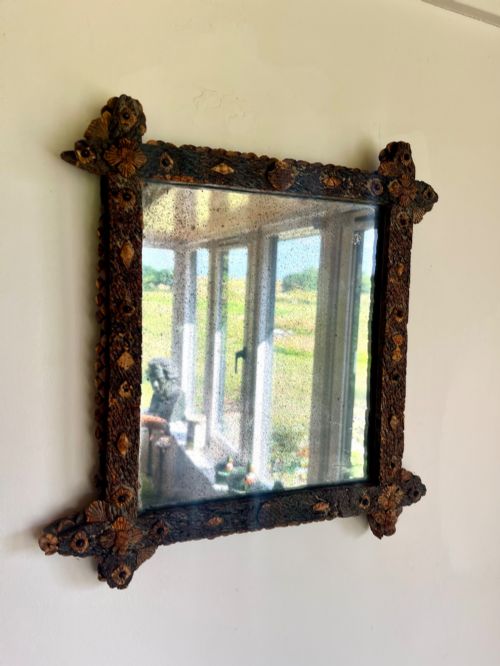
- A style of decorative woodwork created by itinerant folk artists who carved small items, often using scrap timber from cigar boxes.
- Settle
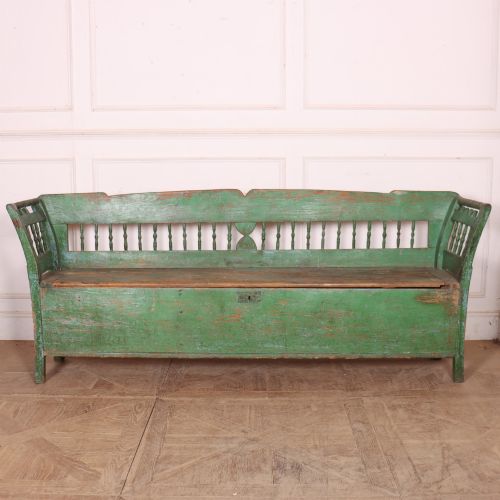
- A wooden bench featuring a high back to block drafts, frequently incorporating a box seat for storage underneath.
- Jogltisch
- A traditional regional table construction utilising specific interlocking timber joins associated with European country furniture.
Rustic Country Folk Art: Frequently Asked Questions
What is rustic country folk art?
These pieces are handmade domestic items, furniture and decorative objects produced in rural communities for everyday utility. They reflect regional traditions and local material availability.
Items range from seating and storage chests to painted wooden carvings and utilitarian household equipment created during the eighteenth and nineteenth centuries.
How were these pieces used originally?
Rural households, dairies, farms and workshops utilised these items for daily labour and domestic storage. Milking stools served agricultural workers, while settles and benches provided seating beside hearths.
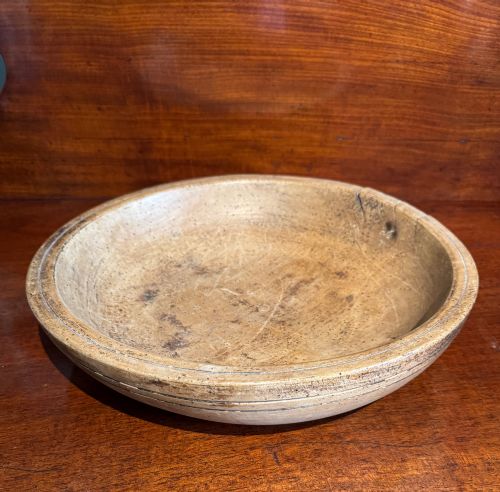
Cabinets, cupboards and bowls held food, textiles and household goods, fulfilling practical roles before transitioning into decorative domestic furnishings.
How should I care for painted wooden surfaces?
Preserving original paint requires avoiding harsh chemical cleaners, abrasive cloths and direct sunlight that can fade historical pigments. Dusting gently with a dry microfibre cloth maintains the surface.
Maintaining stable indoor humidity prevents timber from splitting and safeguards fragile historical paint layers against flaking or lifting.
How can I tell the age of these items?
Dating relies upon examining construction marks, tool traces left by hand-working, and the natural wear patterns within the timber. Hand-cut joinery and early fastening methods indicate period manufacture.
Surface patination and the composition of underlying paint layers provide further clues regarding the era of production and subsequent historical use.