
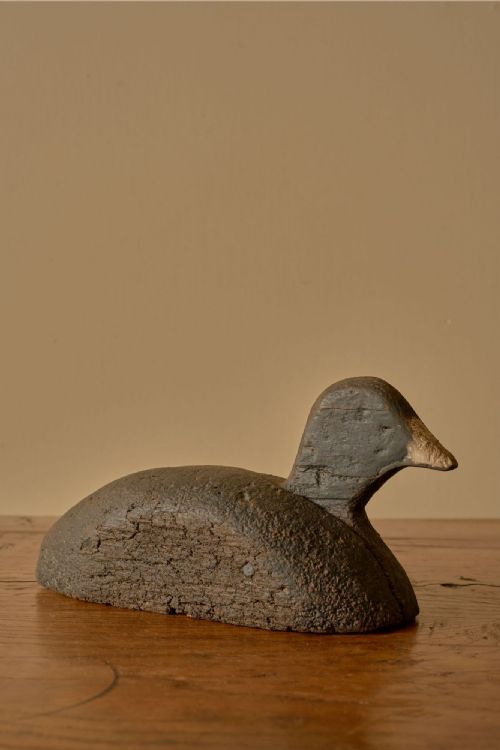
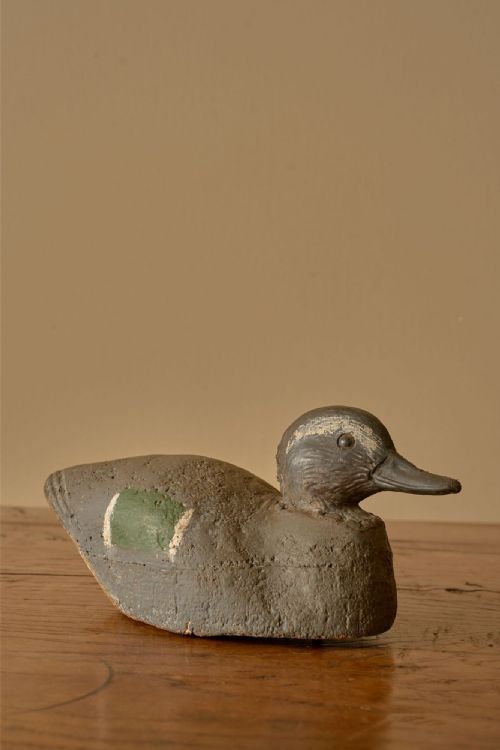
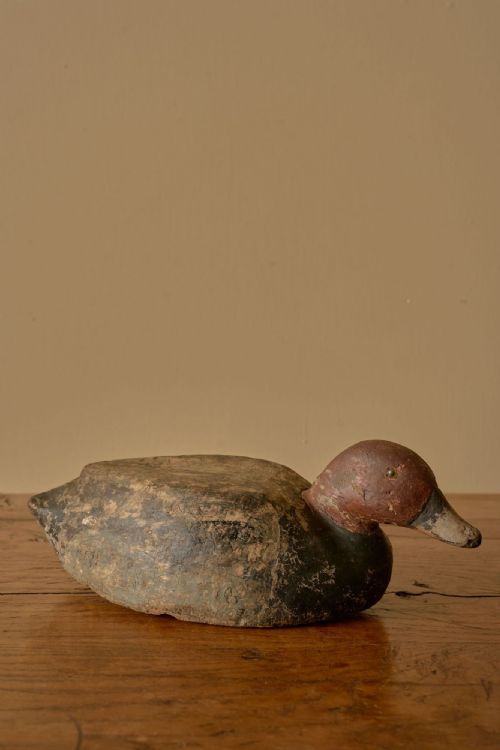
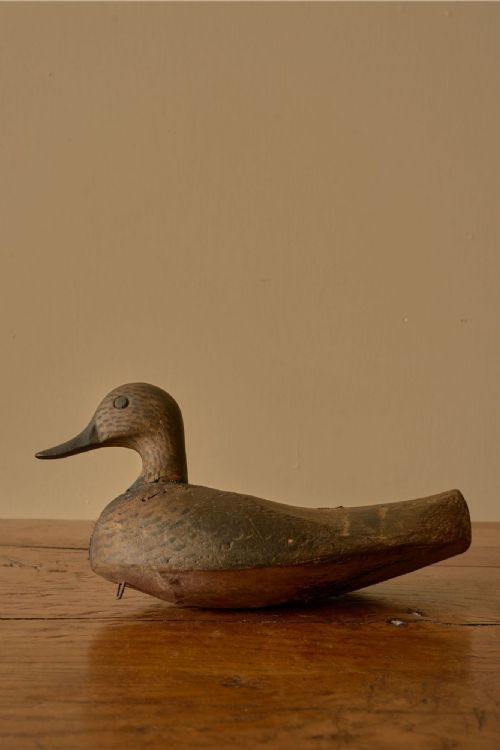


Vintage Wildfowl Decoy Sculpture
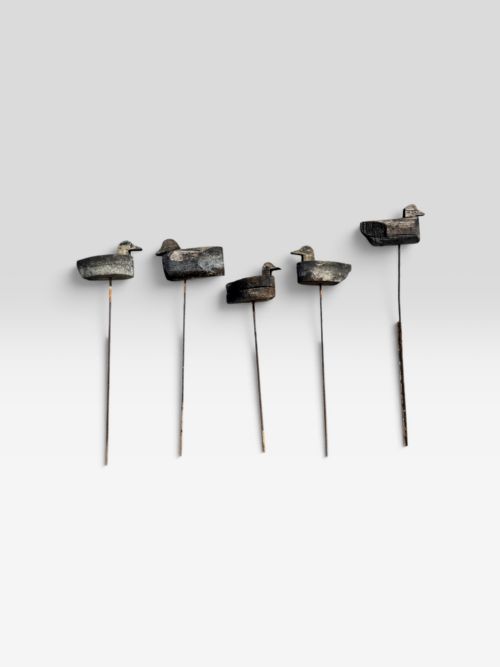
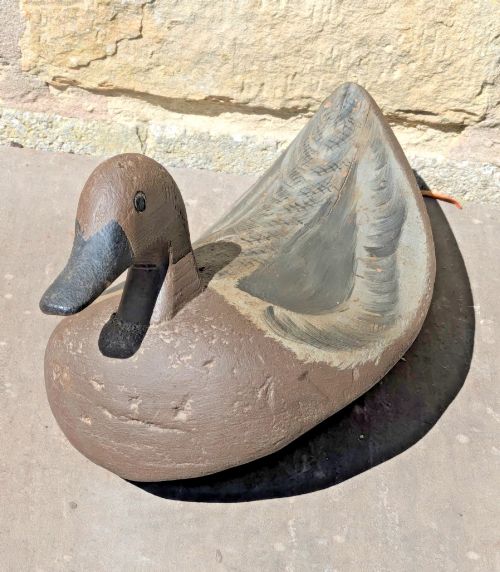
These vintage wildfowl decoy sculpture pieces bring rustic folk art character indoors, offering tactile carved wood forms shaped for historical shooting practice.
Vintage Wildfowl Decoy Sculpture
A vintage wildfowl decoy sculpture embodies the folk art tradition of utilitarian carving transformed into decorative display objects. These pieces represent waterfowl such as ducks, loons, and godwits, originally deployed on water to attract game birds.
The selection here draws primarily from the early twentieth century, the Edwardian era, and the nineteenth century. Buyers most frequently encounter carved wooden duck decoys showing hand-painted surfaces and rustic finishes.
Origins span English and French workshops alongside broader vernacular traditions. Forms range from solitary swimming birds to mothers with chicks and shorebirds like the black-tailed godwit.
How they were made
Carvers shaped these figures predominantly from timber, pine, and carved wood, sometimes incorporating bark or iron components. The primary material was local wood selected for buoyancy and workability, shaped with hand tools into convincing bird silhouettes.
Surface decoration relies on layers of paint applied to render plumage and markings. Artisans utilised simple brushwork to capture the natural coloration of wildfowl, allowing age and wear to soften the original pigments.
What varies in quality
Quality rests in the sculptural vigour of the carving and the character of the remaining paint surface. A strong silhouette that accurately captures the posture of a swimming or resting bird separates work by skilled hands from utilitarian output.
The integrity of the original painted surface dictates visual appeal. Layers of authentic weathering, honest wear, and untouched patination elevate a piece above examples stripped down or overly restored.
The Vintage Wildfowl Decoy Sculpture Glossary
- Decoy
- A carved or moulded figure used to attract live birds or animals to a specific location. In this context, they were floated on water or staked near shorelines.
- Edwardian
- Pertaining to the reign of King Edward VII, spanning from nineteen hundred and one to nineteen hundred and ten. Pieces from this period often display refined decorative sensibilities.
- Patina
- The surface sheen and coloration developed through age, handling, and exposure to the elements. A genuine patina provides historical depth to wooden and painted surfaces.
Vintage Wildfowl Decoy Sculpture: Frequently Asked Questions
What is a wildfowl decoy sculpture?
A wildfowl decoy sculpture is a carved wooden bird originally used by hunters to lure ducks or shorebirds within range. Today, collectors display them as decorative folk art objects.
These pieces capture the natural forms of water birds through traditional woodworking and painting techniques.
How do I date an old decoy?
Dating relies on examining the tool marks, timber type, and the composition of the paint layers. Earlier examples often show hand-adzed body construction and lead weights underneath.
Comparing the styling and species representation to documented regional carvers also helps establish an approximate period.
Where should I display my decoy?
These sculptures suit rustic, traditional, or contemporary minimalist interiors where their sculptural silhouettes can stand out. Placing them on bookshelves, sideboards, or windowsills works well.
Keep wooden items away from direct heat sources and strong sunlight to protect the aged paint surfaces.
Are these decoys waterproof?
While originally designed to float on water, antique and vintage examples are now treated as delicate decorative objects. Submerging them today risks damaging the aged wood and historical paint layers.
Display them strictly as indoor sculptures rather than working watercraft.