




Antique Duck Figurine
These antique duck figurine examples bring character to a room through carved wood, painted silver and glazed porcelain.
Antique Duck Figurine
An antique duck figurine encompasses carved decoys, silver pin cushions, bronze studies and porcelain models originating from diverse international traditions. When you search for antique duck figurine, you encounter working decoys alongside decorative bronzes and small silver novelties created across the nineteenth and early twentieth centuries.
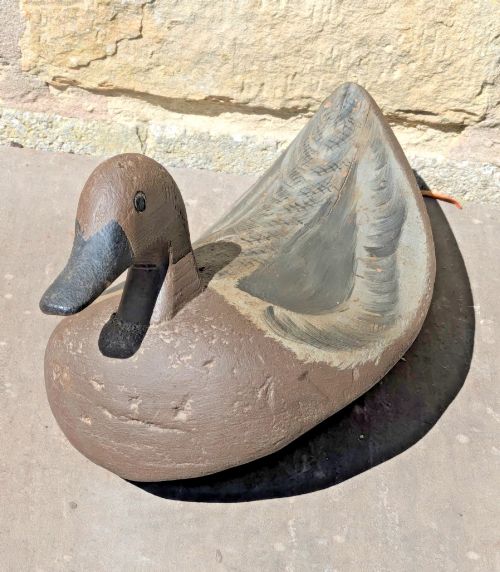
The most common examples on this page are wooden decoy ducks, often retaining their original hand-painted surfaces from the Edwardian period or the early decades of the twentieth century. Alongside these practical working birds, you meet miniature silver pin cushions, cold-painted Austrian bronzes and carved hardwood sculptures of Mandarin ducks.
How they were made
Makers shaped wooden decoy ducks using hand-carved solid timber before applying layers of oil paint to imitate natural plumage. Papier-mâché examples combine moulded paper pulp filled with straw for lightweight construction, finished with painted surface details.
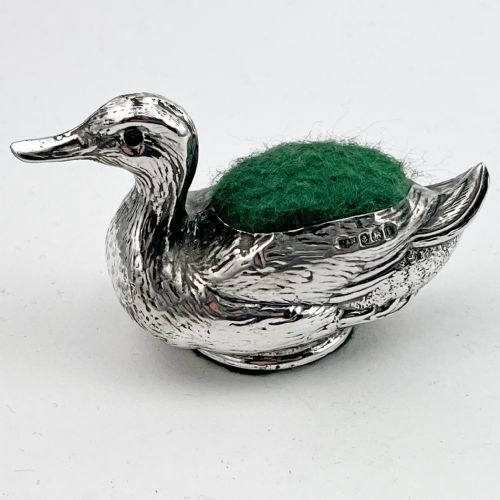
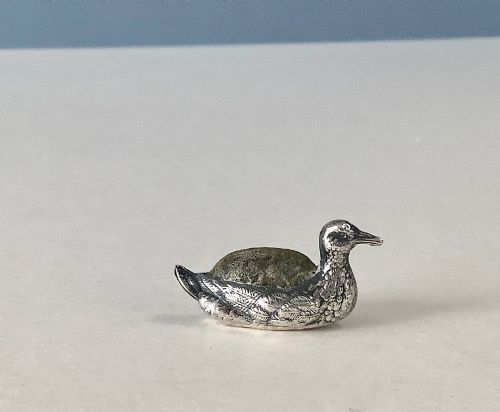
Metal pieces utilise casting techniques, such as cold-painted bronze mounted on onyx plinths or stamped sterling silver formed into novelty pin cushions and letter openers. Porcelain and ceramic versions involve slip casting or hand moulding, followed by hand-painted overglaze decoration.
Several ducks moonlight as functional stationery and sewing accessories, serving as letter openers or miniature pin cushions.
What varies in quality
The distinction between standard items and superior examples lies in the fidelity and preservation of the hand-painted surface. Original, undisturbed paint on a wooden decoy carries greater aesthetic merit than stripped or heavily restored finishes.
Finesse of carving separates mass-produced items from accomplished sculptural works, such as detailed Japanese okimono or cold-painted Austrian bronzes. In silver and porcelain, the crispness of the modelled detail and the subtlety of the hand decoration determine the overall calibre.
Makuzu Kozan II·Sampson Mordan and Co·Meissen Porcelain
The Antique Duck Figurine Glossary
- Decoy
- A carved or moulded bird used by hunters to attract wildfowl, now collected as folk art. Many show genuine working wear from use on lakes and marshes.
- Okimono
- A Japanese ornamental carving designed for display on a shelf or in a tokonoma alcove. These pieces demonstrate high levels of traditional craftsmanship.
- Cold painted bronze
- A method where bronze figures are painted with cold enamel rather than fired in a kiln. The technique was widely utilised by Austrian workshops.
- Pin cushion
- A small domestic accessory designed to hold sewing pins, frequently fashioned into animal shapes during the Edwardian period. Silver versions often incorporate felt pads.
- Qing Dynasty
- The final imperial dynasty of China, spanning from the seventeenth to the early twentieth century. Carvings from this era often feature symbolic pairs of Mandarin ducks.
Antique Duck Figurine: Frequently Asked Questions
What is an antique duck figurine?
An antique duck figurine is a decorative or functional object modelled on a duck, produced in wood, metal, ceramic or paper-mâché during the nineteenth or early twentieth centuries. These items range from working wooden decoys to miniature silver pin cushions and bronze sculptures.
Collectors prize them for their variety of materials and the insight they offer into period craftsmanship and regional folk art traditions.
How were wooden decoy ducks used?
Hunters floated wooden decoy ducks on water or placed them on shorelines to attract real wildfowl within range of their hides. Carvers shaped them to mimic the posture and silhouette of resting or swimming birds.
Over decades of field use, many acquired weathered surfaces and multiple layers of working paint that appeal to modern folk art collectors.
How do I care for a painted wooden duck?
Keep painted wooden pieces away from direct sunlight and sources of direct heat to prevent the old timber from drying and the paint from flaking. Dust them gently with a dry, soft cloth without applying liquid cleaning products.
Stable indoor humidity helps preserve both the original paint layers and the underlying structure of the wood.
How can I tell the age of a silver duck?
Silver duck items such as pin cushions and letter openers often bear British hallmarks that indicate the assay office, standard of silver and year of manufacture. Examining the makers marks and registration numbers helps pinpoint the exact decade of production.
Stylistic cues, such as Edwardian design motifs and the type of internal stuffing used in pin cushions, also assist in dating.