


Rustic Folk Art Duck
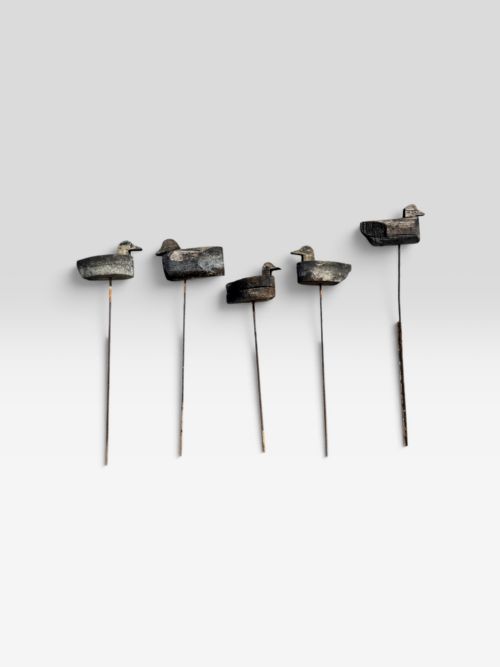
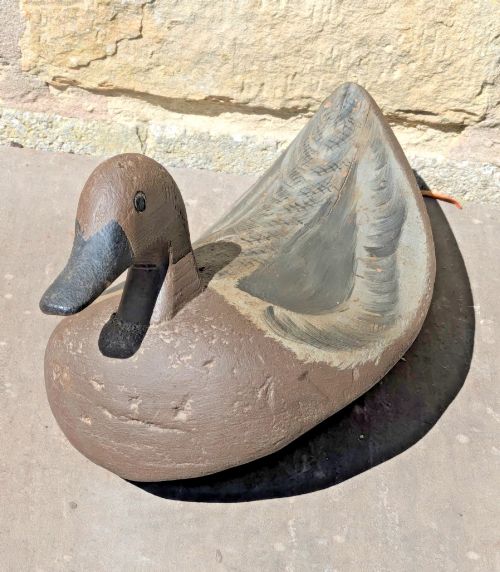
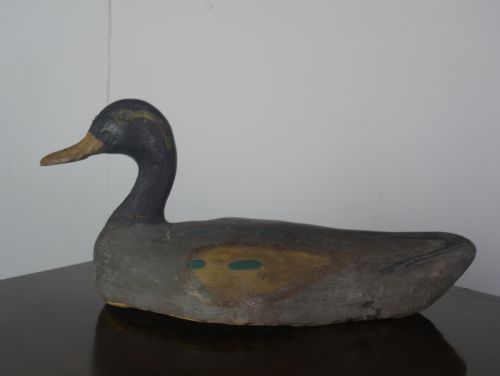
A rustic folk art duck brings the character of early twentieth-century decoy carving and sculptural studies straight into a room.
Rustic Folk Art Duck
When you search for a rustic folk art duck, you are looking at tactile decorative objects and sculptures rooted in traditional decoy carving. These pieces span the nineteenth century, the Edwardian era, and the 1900s through to the 1930s, reflecting utilitarian country craft turned decorative.
You are most likely to meet wooden decoy ducks and water bird sculptures on this page, often shaped from pine or general timber. Makers fashioned these as working decoys or decorative studies, capturing the simple form of the duck with direct handling.
Origin variations include English and French examples alongside general early twentieth-century pieces. Alongside traditional carved wood, the material selection extends to papier mâché and straw in specific folk art studies of ducklings.
Materials and construction
Carvers shaped these figures primarily from wood and pine timber, utilising hand tools to carve the basic silhouette of the bird. Iron components sometimes appear in the construction or internal weighting of working decoys.
Materials recorded across the available pieces include carved pine, timber, iron, paint, papier mâché, and straw.
Judging quality in folk art carvings
Quality rests in the sculptural confidence of the carving and the character of the surface paint. A strong piece displays well-balanced proportions and direct tool marks that show the hand of the maker without hesitation.
The relationship between the worn paint and the underlying wood dictates the visual depth of the object. Patination accumulated through age enhances the piece, whereas unsympathetic overpainting diminishes the rustic integrity.
The Rustic Folk Art Duck Glossary
- Decoy duck
- A carved and painted bird figure originally used to attract waterfowl. These working objects form the foundation of most folk art duck sculptures.
- Folk art
- Utilitarian or decorative items created outside academic artistic traditions, often by rural makers. This style relies on traditional local methods rather than commercial manufacture.
- Papier mâché
- A composite material made from paper pulp or layers of paper bound with glue. In these listings, it forms sculptural studies alongside straw.
- Patina
- The surface sheen and colour modification developed by wood and paint through age and handling. It serves as a primary indicator of historical depth.
Rustic Folk Art Duck: Frequently Asked Questions
Are these duck decoys original?
The pieces date from the nineteenth century through to the 1930s, encompassing Edwardian examples and early twentieth-century work. They reflect authentic period craftsmanship rather than modern reproductions.
Each object carries the specific material traits of its era, from hand-painted pine to alternative mediums like papier mâché.
How do I display a wooden decoy?
These decorative sculptures suit placement on open shelving, mantelpieces, or side tables where their three-dimensional form stands clear. Their modest scale allows them to sit comfortably alongside books and ceramics.
Keep them away from direct heat sources and strong sunlight to preserve the original paint and timber surfaces.
What is the difference between English and French decoys?
Origin differences emerge through regional carving styles and the specific handling of the timber. French examples often show distinct local interpretations of water birds compared to English or general European counterparts.
Examining the silhouette and paint application helps identify these regional characteristics.
Why are some ducks made of straw?
Alternative materials such as straw and papier mâché appear in specific folk art studies rather than working water decoys. Makers utilised these readily available materials to model sculptural representations of ducklings.
These delicate studies broaden the range of vernacular techniques found alongside carved wood.