


Vintage Timber Duck Sculpture
A vintage timber duck sculpture brings rustic character and traditional craftsmanship into a room.
Vintage Timber Duck Sculpture
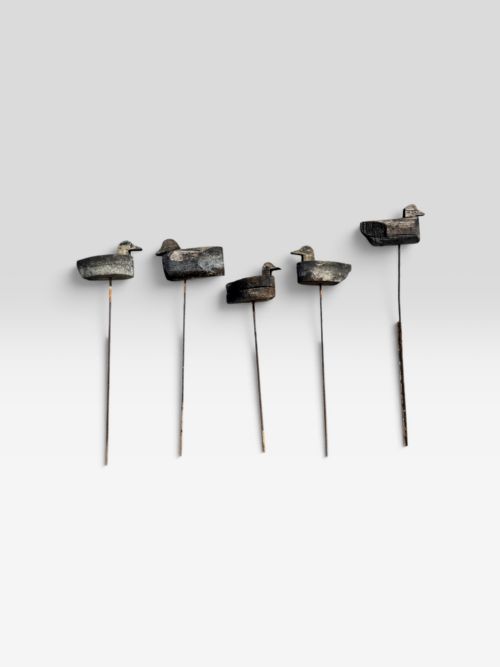
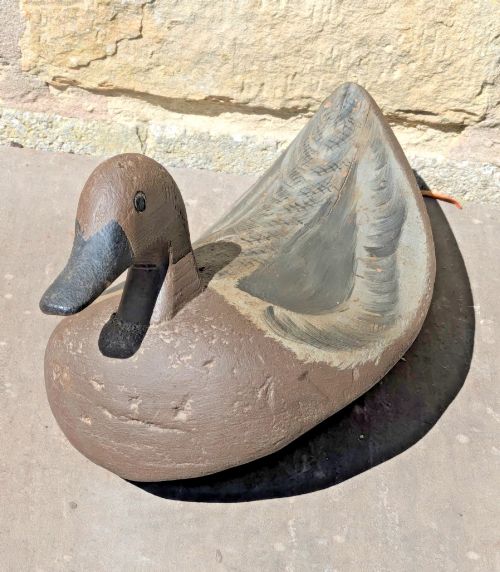
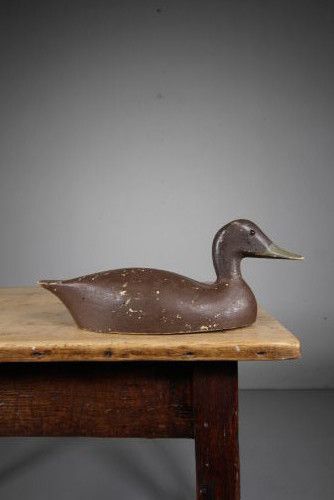
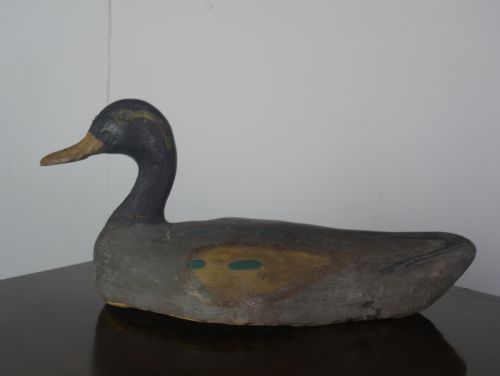
A vintage timber duck sculpture encompasses hand-carved decoy ducks and water bird figures created across various periods including the Edwardian era and the nineteenth century. These objects originate from English, French, American, and Chinese traditions, reflecting diverse cultural approaches to carving waterfowl. The selections found here range from working decoys to decorative sculptures and folk art carvings.
Buyers will most frequently encounter wooden decoy ducks featuring painted surfaces and hand-carved bodies. These pieces vary from simple pine and hardwood forms to more elaborate representations such as loons and auspicious Mandarin ducks. Each sculpture displays the distinct marks of its maker and era, grounding the form in utilitarian history.
Materials and construction
Makers shaped these sculptures from timber, wood, pine, and hardwood using traditional hand-carving techniques. The natural grain of the wood provides the foundational texture and weight for each water bird.
Surfaces are frequently finished with hand-painted details that bring colour and definition to the carved feathers and bodies. Iron elements sometimes appear in the construction or assembly of the pieces.
An America Loon sculpture arrives accompanied by her tiny carved chick.
Assessing quality and character
Quality in a vintage timber duck sculpture rests upon the expressiveness of the carving and the preservation of the original painted surface. Finer examples display confident knife work and balanced proportions that capture the natural posture of a swimming or resting bird.
The relationship between the carved wood and its patinated pigment determines the visual depth of the object. Pieces that retain their early surface character demonstrate a truer connection to their working origins.
The Vintage Timber Duck Sculpture Glossary
- Decoy duck
- A carved and painted waterfowl figure traditionally used by hunters to attract real birds. These objects form the majority of the available sculptural forms.
- Folk art
- Artistic work produced from an indigenous culture or peasant society, often utilitarian in origin. Pieces in this category rely on traditional craftsmanship rather than academic training.
- Hardwood
- Dense timber derived from broad-leaved trees, used in various carvings for durability and fine detail. It contrasts with softer woods like pine.
- Qing Dynasty
- The final imperial dynasty of China, dating from the seventeenth to the early twentieth century. Sculptures from this period include carved hardwood representations of auspicious Mandarin ducks.
Vintage Timber Duck Sculpture: Frequently Asked Questions
How were decoy ducks used?
Hunters floated or placed these wooden birds on water to attract wild ducks within range during shooting expeditions.
Over time, many of these working objects transitioned into decorative indoor sculptures valued for their rustic aesthetic.
How do I date a wooden duck?
Dating relies on examining the tool marks, timber types, and the composition of the painted surface layers.
Characteristics typical of Edwardian or nineteenth-century production help place the object within a specific period.
Are these sculptures painted?
Many examples feature hand-applied paint that defines the plumage and characteristics of the water bird.
This pigment often shows wear and patination accumulated through age and handling.