
Rustic Country Dresser Base
A rustic country dresser base provides practical storage and surface space, bringing honest utilitarian charm to a kitchen or dining room.
Rustic Country Dresser Base
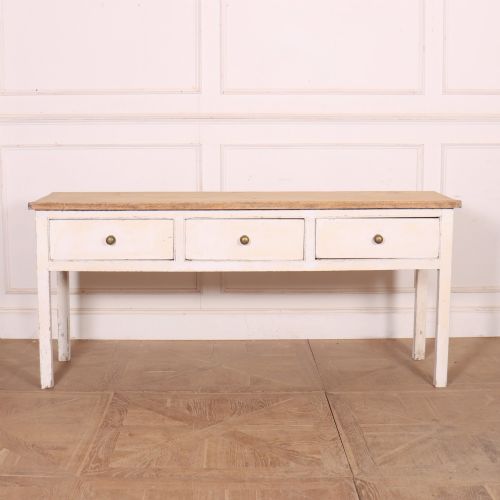
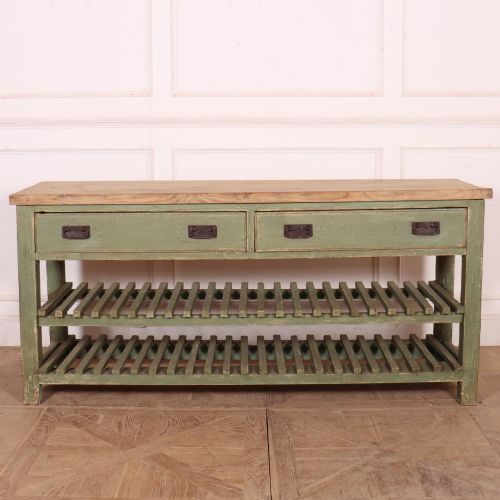
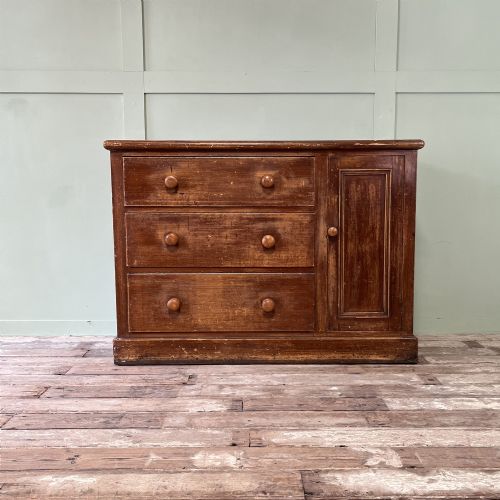
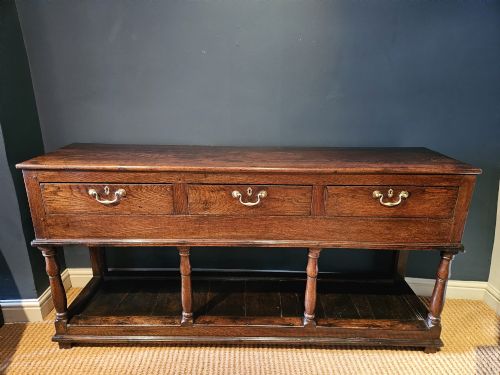
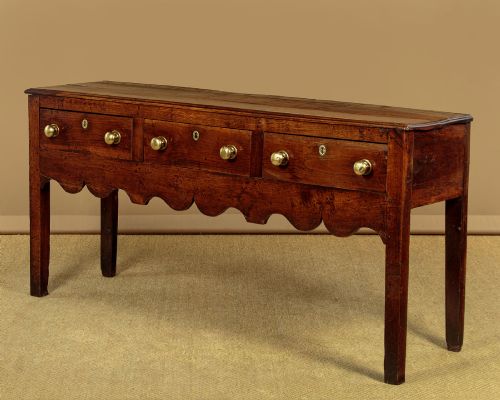
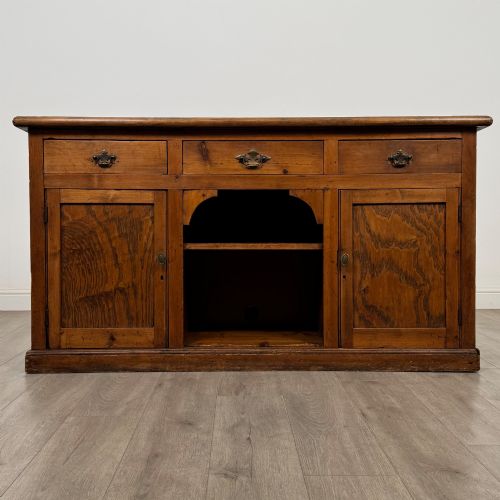
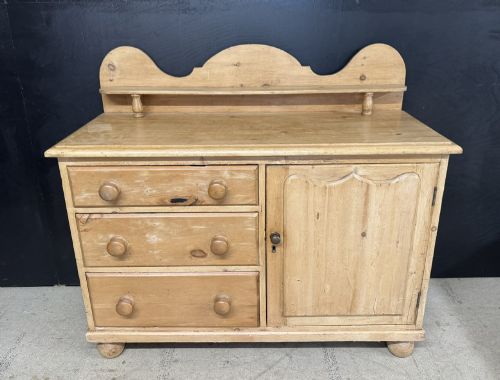
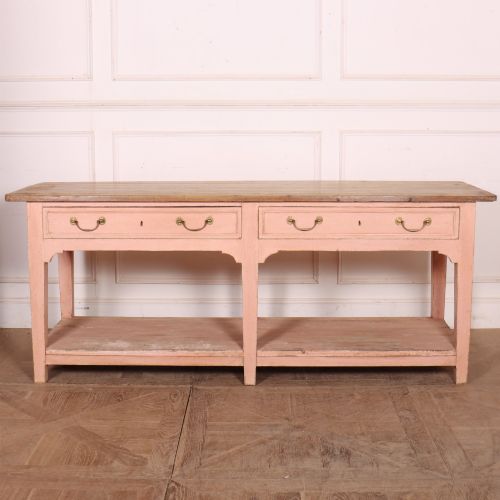
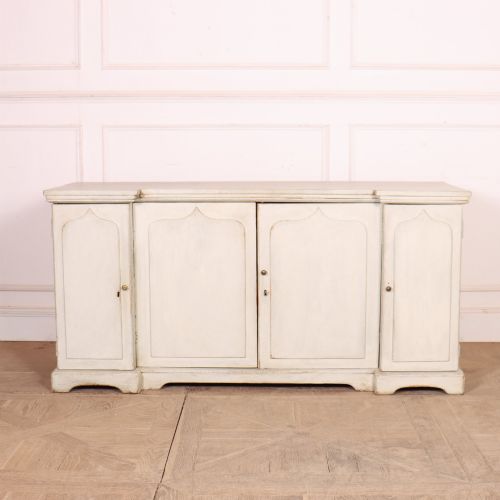
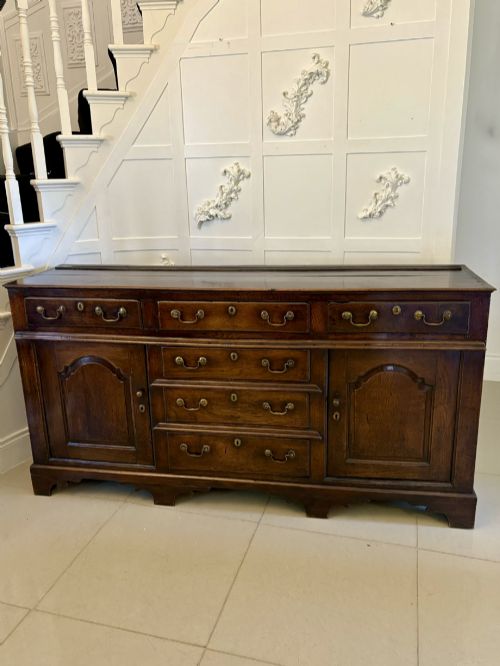
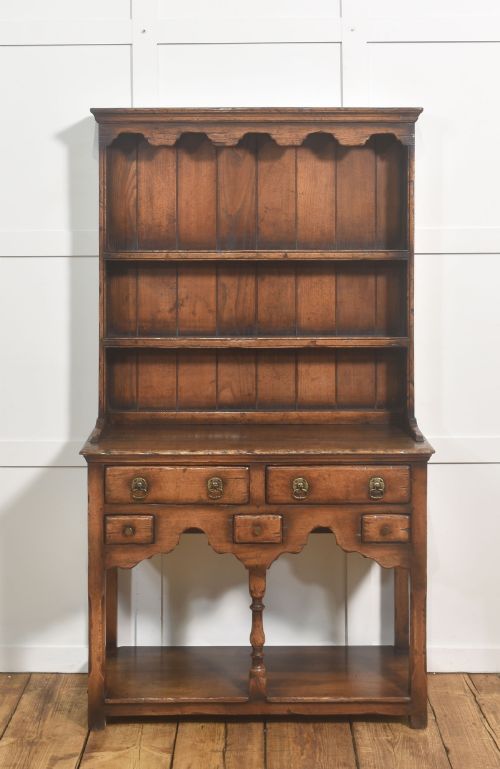
A rustic country dresser base serves as a heavy-duty storage unit and work surface, originating from utilitarian farmhouse kitchens where food preparation took place. When buyers search for a rustic country dresser base, they encounter low storage furniture designed with multiple drawers and cupboards rather than tall plate racks.
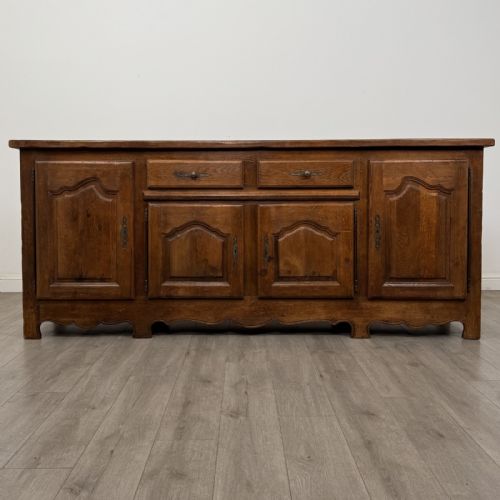
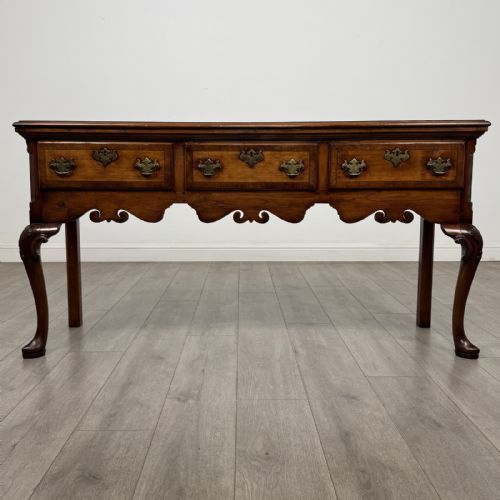
The pieces appearing on this page span several centuries, with a strong representation of nineteenth century examples alongside eighteenth century Georgian items and later Victorian pieces. Regional variations emerge clearly in the selection, including Welsh potboard designs, English farmhouse formats, and French provincial pieces.
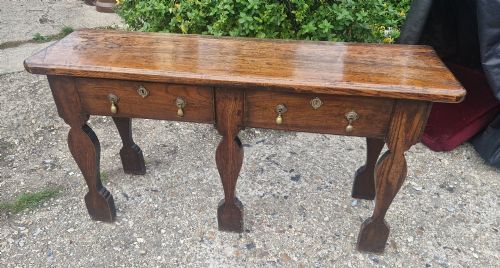
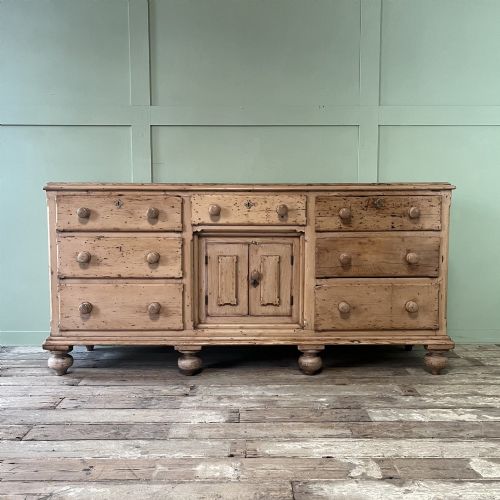
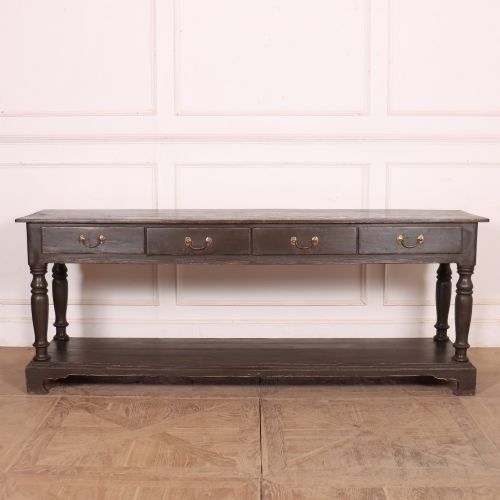
Most items take the form of low wooden sideboards or cupboards fitted with working drawers and lower shelves or potboards. These forms reflect their original domestic purpose as daily workhorses for storing heavy ceramics, utensils, and provisions.
Materials and construction methods
Makers built these pieces primarily from sturdy domestic timbers, relying heavily on solid oak for eighteenth century and earlier pieces, while nineteenth century examples frequently utilise pine or fruitwood. Timber selection depended on local availability, resulting in robust construction designed to withstand daily kitchen labour.
Surface finishes vary between natural waxed wood that highlights the grain and historic applied paint layers, some surviving in original condition. Joinery methods prioritise strength over ornament, employing pegged joints, dovetailed drawers, and thick boarded construction.
Listings feature eighteenth and nineteenth century periods alongside painted wood, oak, and pine materials.
Evaluating quality and proportion
The calibre of a piece rests primarily in the integrity of its timber and the retention of original structural elements such as brass drawer pulls, hinges, and potboards. Superior examples maintain balanced proportions and well-defined mouldings that indicate careful workshop execution.
Significantly, the handling of surfaces dictates visual distinction, distinguishing items with honest patination and untouched historic finishes from those altered by aggressive modern stripping or inappropriate restoration.
The Rustic Country Dresser Base Glossary
- Potboard
- An open lower shelf positioned beneath a dresser base, traditionally used for storing heavy pots, pans, and earthenware dishes.
- Enfilade
- A long sideboard or cabinet with a row of multiple doors, frequently associated with French provincial dining and living spaces.
- Breakfront
- A piece of furniture featuring a central section that projects forward from the flanking outer cabinets or drawers.
- Potboard Dresser
- A specific form of storage unit characterised by a low bench top above open lower planking rather than enclosed cupboards.
- Patina
- The surface sheen and colour acquired by wood and paint through decades of handling, cleaning, and exposure to light.
Rustic Country Dresser Base: Frequently Asked Questions
What is a rustic country dresser base used for?
These pieces function as versatile storage cabinets and display surfaces in contemporary kitchens, dining rooms, or hallways. Their deep drawers and enclosed lower cupboards accommodate tableware, linens, and household items.
The sturdy top surface offers ample room for food preparation, serving food, or displaying decorative objects, continuing the domestic utility they served in historic farmhouses.
How do I tell an 18th century dresser base from a Victorian one?
Eighteenth century examples typically employ solid oak with hand-cut dovetails, pegged joinery, and simpler, heavier timber scantlings. They often feature open potboards and traditional brass hardware appropriate to the Georgian period.
Victorian pieces frequently utilise pine or softer woods, sometimes displaying machine-sawn components alongside hand-finished details. They tend to feature enclosed lower cupboards and standardised drawer construction.
Are these dressers made of solid wood?
Traditional furniture from these periods relies entirely on solid timber construction rather than manufactured board materials. Oak, pine, fruitwood, and sycamore form the primary structural components of the shelves, drawers, and carcases.
Backboards and drawer linings also consist of solid timber planks, reflecting the standard manufacturing practices of rural workshops before the advent of modern sheet materials.
How do I care for a waxed pine dresser base?
Maintenance requires regular dusting with a soft, dry cloth and occasional application of traditional beeswax to nourish the wood. Avoid placing these pieces near direct heat sources or in damp environments to prevent timber movement.
Protecting the surface from excessive moisture prevents water rings from forming on the historic wax finish, preserving the natural appearance of the pine.