

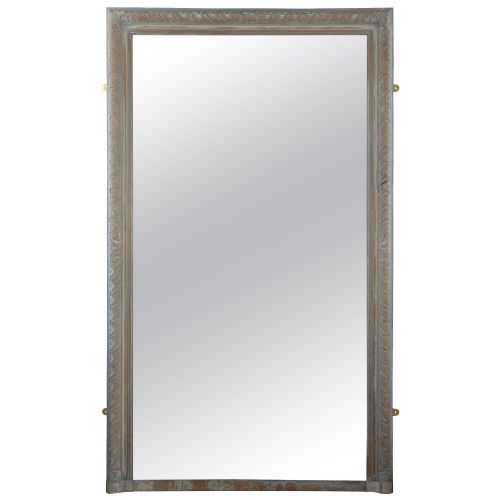
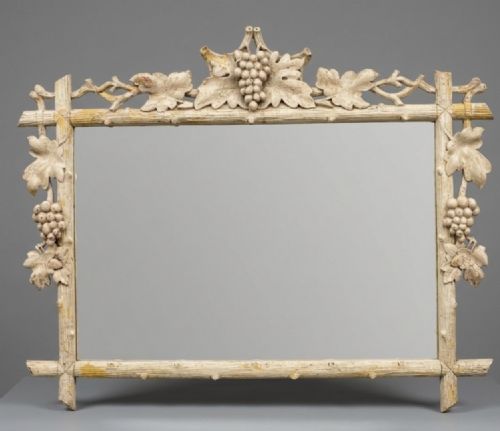


Rustic Carved Wall Mirror
These rustic carved wall mirrors bring character and depth to a room through tactile wooden frames and time-worn surfaces.
Rustic Carved Wall Mirror
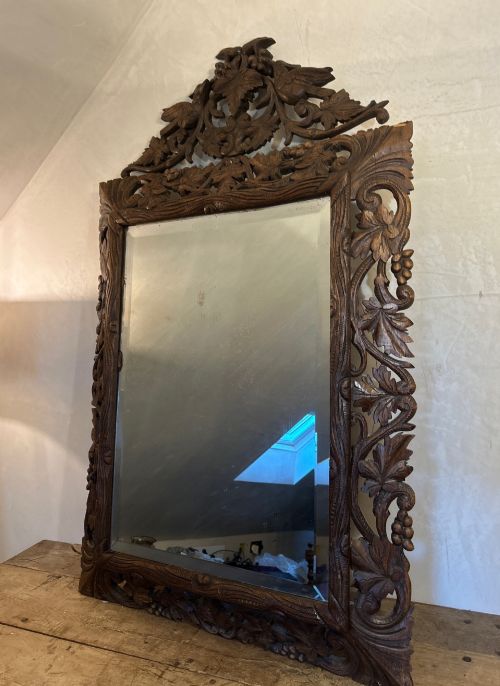
A rustic carved wall mirror combines functional reflective glass with heavily textured wooden frames designed to anchor a room's aesthetic. When searching for a rustic carved wall mirror, buyers encounter a robust mix of nineteenth-century European and English country pieces.
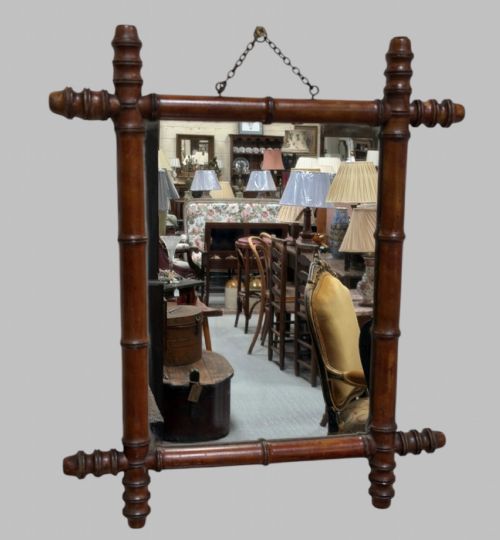
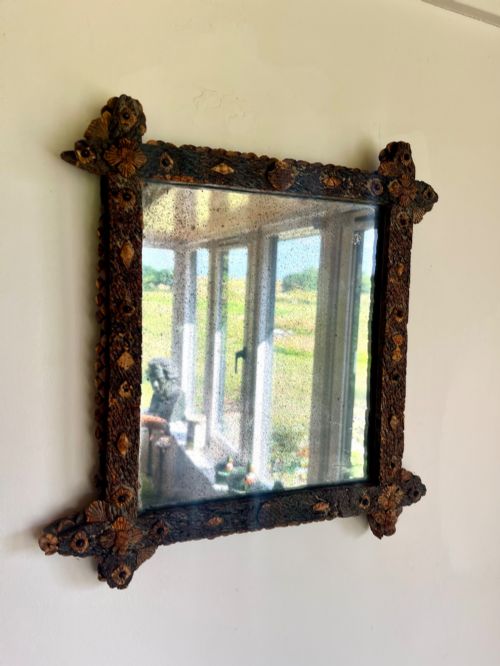
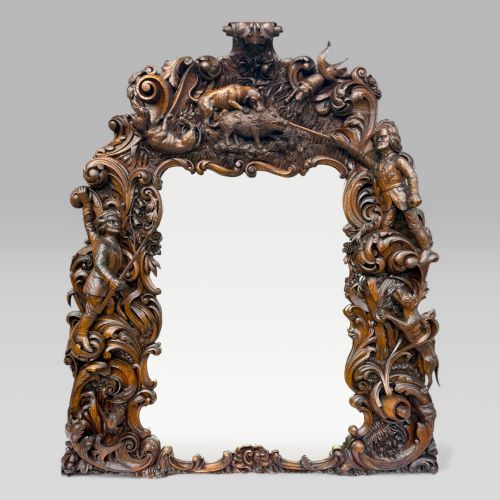
The selection ranges from small folk art tramp art creations to massive hunting lodge overmantle mirrors and French bistro designs. Oak, pine, and carved wood dominate the available forms, often displaying regional carving styles from the Victorian era up to the Edwardian period.
Materials and construction
Makers utilised solid timbers such as oak, pine, and exotic woods, carving frames by hand with deep relief motifs, foliage, or geometric patterns. Many pieces incorporate applied gesso, paint, or giltwood finishes over the base wood to achieve specific decorative effects.
Mirror glass is set within the timber rebates, occasionally showing age-appropriate foxing or bevelling that marks its period origin. Construction techniques reflect the joinery standards of the nineteenth and early twentieth centuries, ensuring stability within the heavy wooden structures.
Rustic Carved Wall Mirror Retail Price Guide 2026
Typical asking prices for rustic carved wall mirror among the pieces listed under this phrase on Sellingantiques today, from the lower quarter to the upper quarter. They describe what is for sale here now, not the wider market.
Cork tramp art mirrors remind us that patience, pocket knives, and discarded packaging could create enduring domestic art.
Judging quality and character
Quality in these pieces rests upon the depth, clarity, and ambition of the wood carving rather than mere scale. Superior examples display crisp hand-carved detail where motifs possess three-dimensional presence, distinguishing them from simpler or more mechanical production.
The integrity of the original surface finish - whether scrubbed oak, old paint, or aged giltwood - dictates the visual authority of the mirror. Cohesion between the timber frame and the period glass contributes further to the overall standing of the object.
The Rustic Carved Wall Mirror Glossary
- Black Forest
- A nineteenth-century style originating in the mountainous regions of central Europe, characterised by deeply carved naturalistic animal and foliage motifs. Pieces often feature realistic depictions of leaves, branches, or wildlife.
- Tramp art
- A folk art style where self-taught makers carved small chips out of inexpensive pieces of wood, such as cigar boxes or cork, and layered them geometrically. This technique creates a heavily textured, mosaic-like frame.
- Overmantle mirror
- A large horizontal mirror designed specifically to be hung above a fireplace mantelpiece. These substantial pieces frequently anchor the proportions of a reception room.
- Faux bamboo
- A decorative finish where wood is turned and carved to imitate real bamboo stalks. This style gained popularity during the nineteenth century due to an appreciation for exotic eastern aesthetics.
- Gesso
- A plaster-like mixture applied to wood surfaces to provide a smooth base for painting or gilding. It allows for crisp decorative mouldings to be shaped before finishing.
Rustic Carved Wall Mirror: Frequently Asked Questions
Where should I hang a large carved mirror?
These large mirrors suit positions above mantelpieces, in spacious hallways, or acting as focal points on living room walls.
Peculiar to the heavier nineteenth-century frames, secure wall fixings into masonry or studs are essential to support the substantial weight safely.
How do I identify a Black Forest mirror?
Look for distinct naturalistic carvings featuring deep-relief oak leaves, branches, or forest animals worked directly into the dark timber.
Originating in the nineteenth century, these regional pieces display a sculptural intensity quite distinct from standard domestic frames.
Are the mirror plates original?
Many pieces retain their original glass, which often exhibits gentle oxidation, foxing spots, or slight surface distortions.
Such signs of age confirm the historical integrity of the mirror, separating genuine period examples from modern reproductions.
How do I care for an antique wood frame?
Dust the carved wooden surfaces gently with a dry, soft cloth and avoid applying modern liquid polishes that might degrade old finishes.
Maintaining stable room humidity protects both the timber substrate and any applied gesso or paintwork from cracking.