

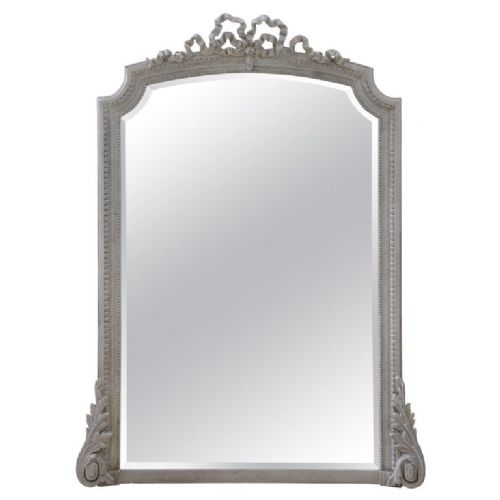


White Carved Wall Mirror
These white carved wall mirrors combine painted timber surfaces with decorative moulding to reflect light and anchor a room.
White Carved Wall Mirror
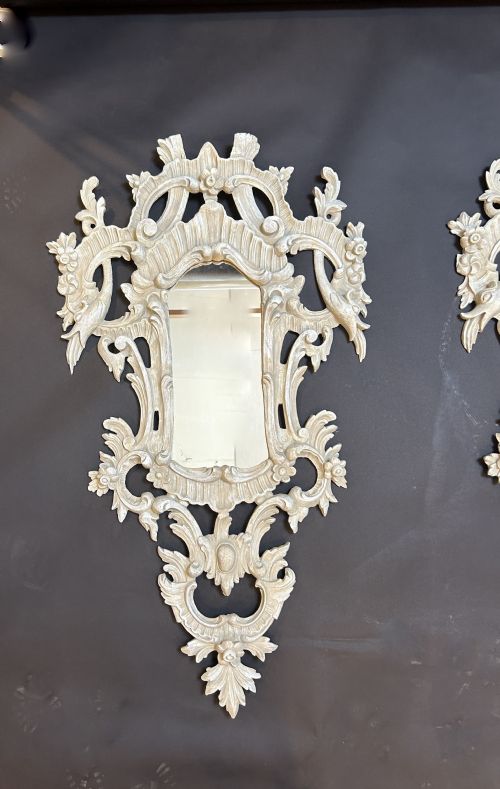
A white carved wall mirror brings texture and reflective depth to an interior through painted timber frames and shaped glass plates. These pieces emerge in styles ranging from Georgian and Victorian to French Chateau and Italian Rococo, spanning the eighteenth century through to the early twentieth century.
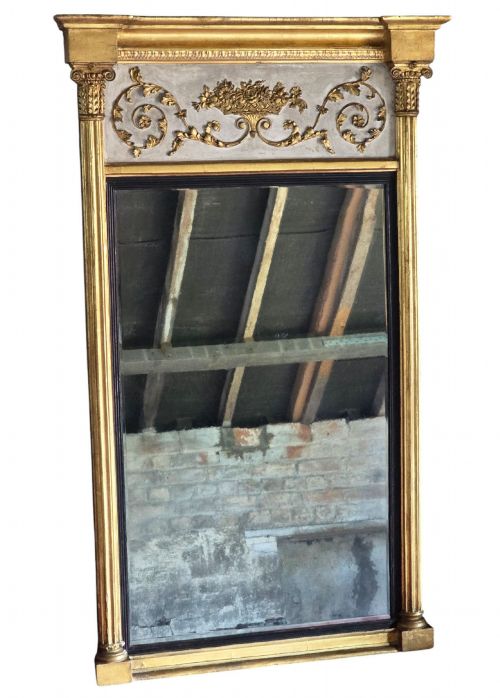
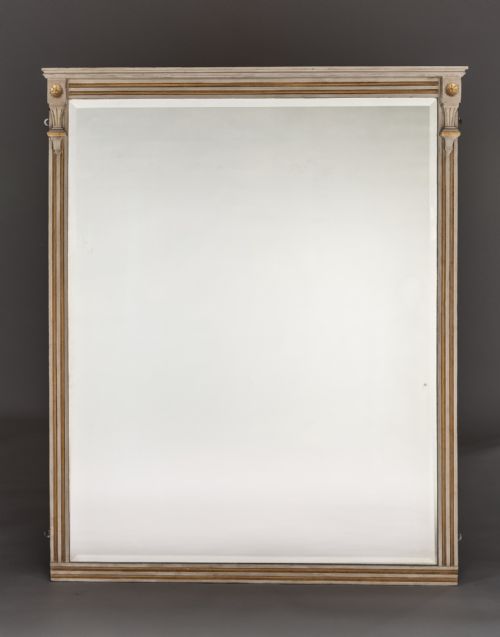
The selections encountered here most frequently comprise large overmantle mirrors designed for hanging above a fireplace, alongside smaller wall pier mirrors, oval formats, and trumeau panels. Makers applied white paint over gesso and carved wood, frequently leaving parcel-gilt details to catch the light.
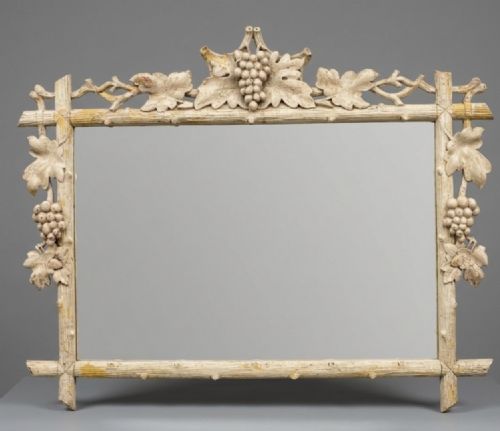
Origin points stretch across English workshops and continental centres, including French and Italian makers who utilised carved wood and gesso. Pieces span periods from the eighteen-fifties onward, incorporating architectural columns, crested tops, and rustic finishes.
Materials and Construction
Carvers shaped solid timber bases, oak, or softwood, before applying layers of gesso to build up intricate relief ornaments such as scrolls, leaves, and architectural columns. This gypsum and glue mixture provided a smooth ground that took fine detail from wooden carving tools.
Workers then painted the frames in white pigments, often layering the paint over gold leaf so that parcel-gilt highlights emerged through subsequent distress or wear. Original mirror glass plates, silvered by hand in earlier eras, were secured within the rebated frames.
Current listings feature mirrors spanning the eighteenth, nineteenth, and early twentieth centuries, constructed from carved wood, gesso, and original glass.
Judging Quality
Depth and crispness in the carved wood and gesso relief separate standard mouldings from superior hand-chiseled ornament. Artisans who spent hours undercutting acanthus leaves and floral drops created depth that machine-finished alternatives lack.
The preservation of original mirror glass and the patina of the painted surface dictate the integrity of the object. Surviving original plates display soft oxidation and gentle distortion, whilst the layered white paint reveals subtle crackleur developed over decades.
The White Carved Wall Mirror Glossary
- Gesso
- A plaster mixture applied to carved wooden frames to create a smooth surface for gilding and painting. Artisans built up layers to model fine decorative details.
- Parcel-Gilt
- A decoration method where parts of an object receive gold leaf while the remaining areas are painted, typically in white. This technique accentuates specific carved motifs.
- Overmantle Mirror
- A large mirror designed to hang specifically on the wall above a fireplace mantelpiece. These pieces often feature wide proportions to match the width of the hearth below.
- Trumeau
- A decorative wall mirror incorporating a painted panel or artwork integrated into the upper section of the frame. They originated in eighteenth-century interior decoration.
- Marginal Mirror
- A style featuring a central glass plate surrounded by smaller, bevelled mirror segments held within the main frame. This adds complex facets to the reflection.
White Carved Wall Mirror: Frequently Asked Questions
How do I hang a heavy overmantle mirror safely?
Large overmantle mirrors require secure fixing directly into wall studs or masonry using substantial brackets that match the weight of the timber and glass.
Professional mirror fixings distribute the load evenly across the frame structure to prevent strain on the historical joints.
What is parcel-gilt on a painted frame?
Parcel-gilt describes a finish where specific carved elements of a white-painted wooden frame are highlighted with thin sheets of gold leaf.
This technique draws the eye to particular ornamental details like leaf tips or beaded moulding.
How do I date an antique white mirror?
Dating relies on examining the construction of the wooden backboards, the composition of the gesso, and the manufacturing traits of the glass plate.
Stylistic cues from Victorian, Edwardian, or Rococo Revival periods also guide the estimation alongside any visible maker marks.
Can I clean antique mirror glass safely?
Antique glass requires gentle cleaning with a soft, dry microfiber cloth to remove dust without disturbing the silvering behind the plate.
Harsh chemical sprays and abrasive materials must be avoided entirely to protect the fragile original surface.