




Victorian Rustic Wood Mirror
A victorian rustic wood mirror brings the raw grain of the nineteenth century straight into a modern hallway.
Victorian Rustic Wood Mirror
Most examples on this page date from the later decades of the nineteenth century through to the early twentieth century. These pieces range from simple pine frames to heavily carved oak and maple constructions with distinct country or woodland influences.
How they were made
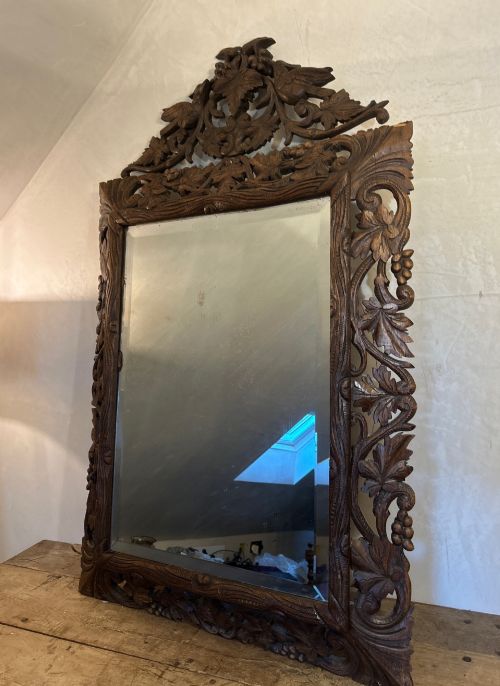
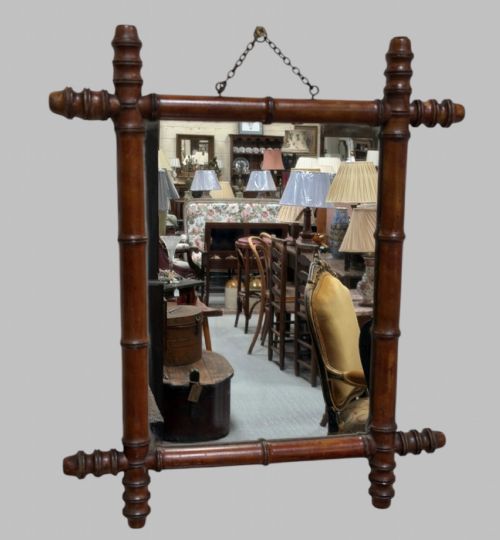
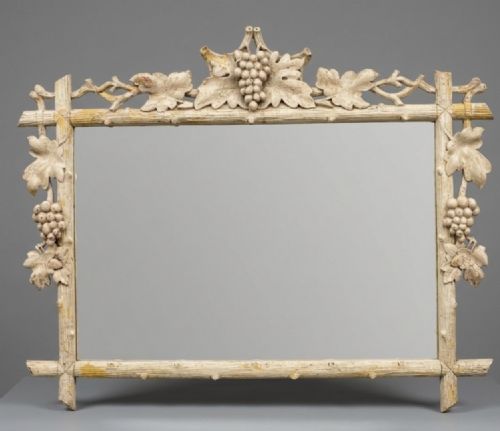
Carpenters and carvers shaped these pieces using native timbers such as oak, pine, maple, and scrubbed wood. Frames frequently feature hand-carving, gesso preparation, and occasional painted surfaces or faux bamboo detailing.
Joinery methods of the period relied on solid wood construction, often incorporating applied carved elements or naturalistic cork and branch motifs. Glass plates were traditionally hand-silvered and secured within the heavy wooden rebates.
Periods represented on this page extend from the mid-nineteenth century through to the early twentieth century.
What varies in quality
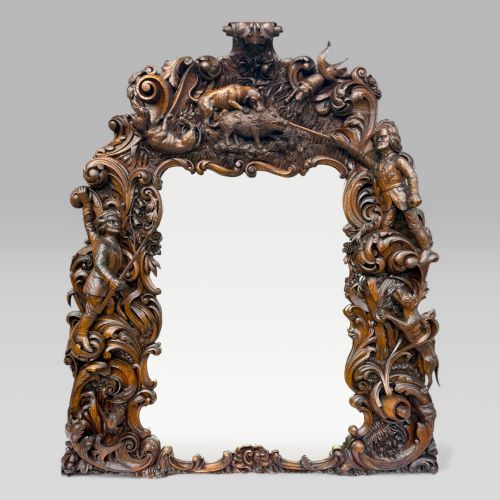
The distinction between ordinary and exceptional work lies in the depth and ambition of the carving. Deeply undercut foliage, figural motifs, and crisp architectural mouldings elevate a piece far above a plain sawn board frame.
Integrity of the timber and the retention of original surface finishes also dictate standing. Scrubbed clean surfaces, original paint, and intact gesso enrich the character, whereas unsympathetic alterations diminish the historical weight.
The Victorian Rustic Wood Mirror Glossary
- Overmantel mirror
- A large horizontal mirror designed specifically to hang above a fireplace mantelpiece. These pieces often feature arched tops or heavy wooden frames suited to grand nineteenth-century interiors.
- Faux bamboo
- A decorative treatment where wood is carved, turned, or painted to imitate the segmented stalks of natural bamboo. This technique was particularly popular during the late nineteenth century for lighter wall mirrors.
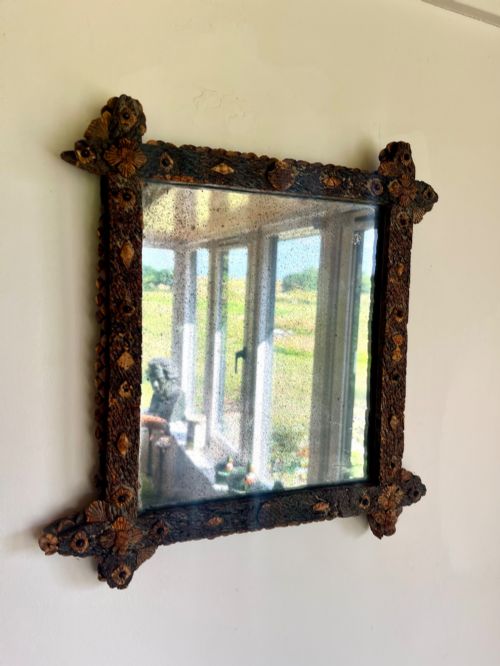
- Tramp art
- A form of folk art where small chips of wood from discarded boxes or crates are carved and layered in geometric patterns. Mirrors decorated in this manner display intricate, textured frames.
- Gesso
- A plaster-like mixture applied to wood surfaces to provide a smooth base for gilding or painting. It is often moulded into relief ornamentation on Victorian frames.
- Black Forest carving
- Highly detailed woodwork originating from the mountainous regions of central Europe, characterised by realistic animal and leaf motifs. These pieces showcase deep relief and naturalistic woodland subjects.
Victorian Rustic Wood Mirror: Frequently Asked Questions
How do I clean the wood frame?
Dust the carved surfaces gently with a soft dry brush to prevent dirt buildup in the recesses.
Avoid liquid cleaners and modern polishes that can soften or discolour the antique wood and underlying gesso.
Are the mirror plates original?
Nineteenth-century mirrors often retain their original glass, which may display minor foxing and light speckling.
Such age spots confirm the glass belongs to the period of the frame rather than being a modern replacement.
Can these heavy mirrors hang safely?
These frames are constructed from solid oak, pine, or maple and possess considerable weight.
Secure them directly into structural wall studs using appropriate heavy-duty fixings rather than relying on standard picture hooks.
How do I date a rustic wooden frame?
Examine the timber species, joinery techniques, and the style of any surface carving or paint.
Nineteenth-century pieces frequently display hand-cut elements and material wear consistent with the Victorian period.