
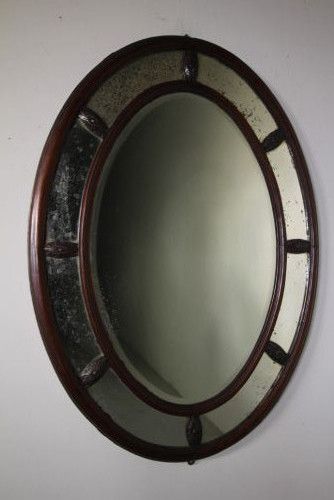
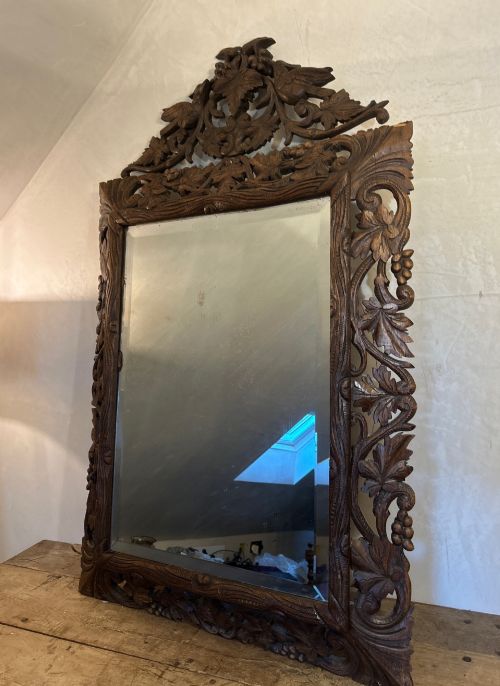
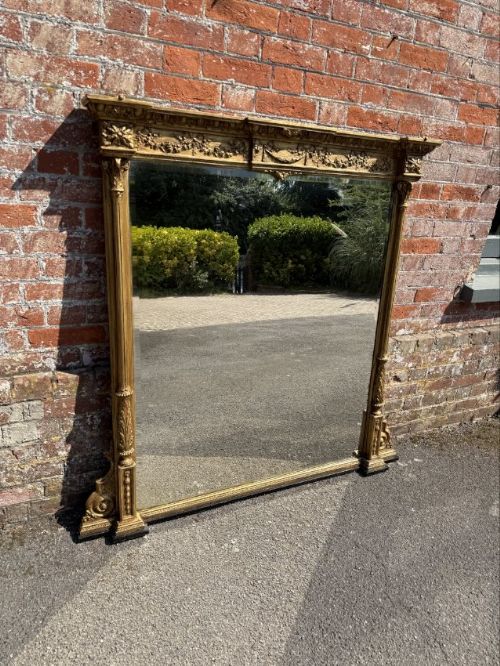
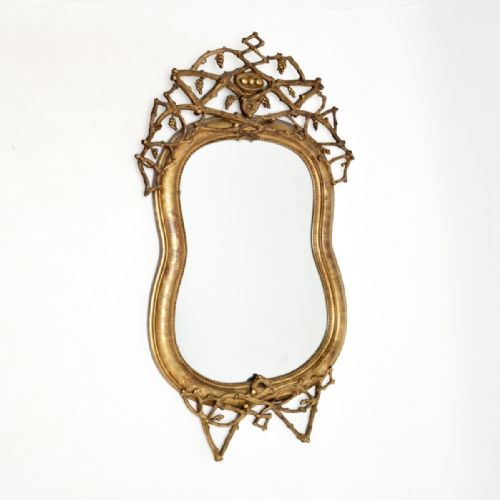

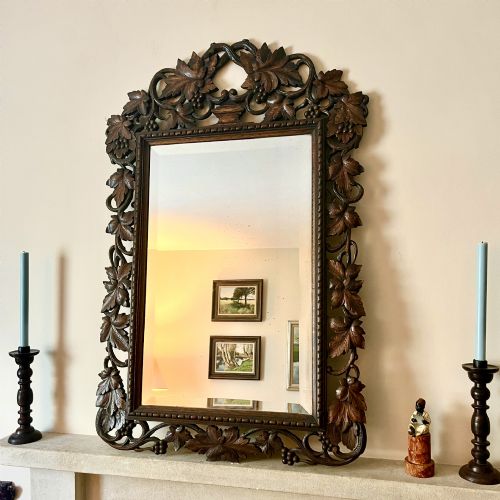
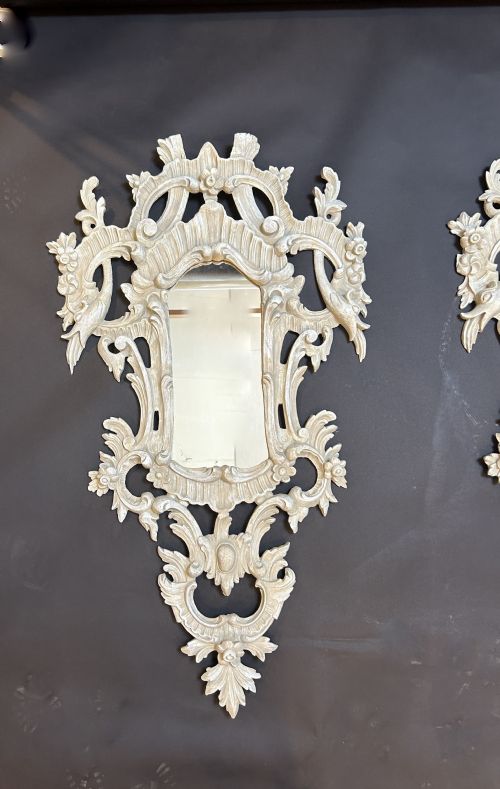
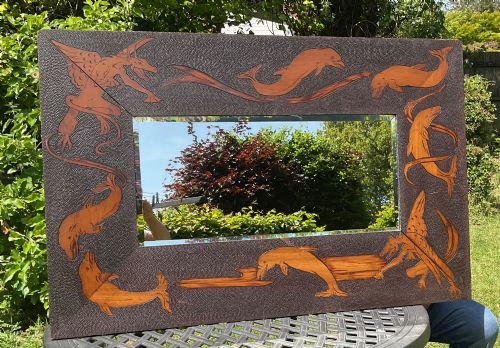


Decorative Carved Wooden Mirror
A decorative carved wooden mirror brings warmth and depth to a room through traditional craftsmanship and rich textures.
Decorative Carved Wooden Mirror
When you search for a decorative carved wooden mirror, you encounter an array of wall mirrors, overmantel pieces, and cheval dressing mirrors spanning the nineteenth and early twentieth centuries. These objects originate from English, French, Italian, and Indian workshops, reflecting diverse regional tastes from rustic country houses to grand salons.
The version you are most likely to meet on this page is a nineteenth-century wall-hanging piece or an overmantel mirror designed to anchor a room. These incorporate styles ranging from Rococo Revival and French Provincial to Anglo-Indian and Gothic Revival, demonstrating how carvers adapted historical motifs for domestic interiors.
Smaller examples include wall sconces, pier glasses, and hand mirrors, while larger formats dominate the overmantel and cheval categories. Each form utilises specific woods and decorative treatments suited to its original domestic context.
Materials and construction
Carvers utilised a variety of solid timbers including oak, mahogany, walnut, pine, limewood, and padauk, often shaping the wood by hand before applying surface ornament. Gesso and gold leaf frequently coat the carved wooden foundations to create luminous giltwood finishes, whilst other frames retain polished or painted surfaces.
Makers applied intricate relief carving to the wooden frames, utilising techniques such as gilding, over-painting, and ebonising to alter the visual weight of the piece. Mirror glass, sometimes engraved or original to the frame, was fitted into these carved housings alongside structural elements like mahogany veneer and inlaid details.
Listings feature oak, mahogany, walnut, and pine frames finished with gesso, gold leaf, paint, and ebonising.
Distinctions in craftsmanship
Quality rests in the depth, crispness, and definition of the hand-carved ornament, where confident chiselling separates superior frames from mechanical reproductions. The handling of the wood and the precision of the joints reveal the carver's mastery over the material.
The integrity of the surface finish dictates the visual success of the piece, whether through the burnishing of gold leaf upon gesso or the preservation of original paint and patination. Superior mirrors maintain harmony between the carved wooden frame and the glass plate it surrounds.
The Decorative Carved Wooden Mirror Glossary
- Gesso
- A plaster-like mixture applied to wood surfaces to prepare them for gilding or painting. It provides a smooth base for intricate relief work.
- Giltwood
- Wood that has been coated with gold leaf or metal leaf. This finish creates a reflective and opulent surface popular in formal interiors.
- Overmantel mirror
- A large mirror designed to hang specifically above a fireplace mantel. These pieces often anchor the decorative scheme of a reception room.
- Pier glass
- A tall mirror designed to hang on the wall between two windows. It frequently sits above a pier table.
- Gothic Revival
- A nineteenth-century design style drawing inspiration from medieval architecture. It incorporates pointed arches, tracery, and heavy carved oak.
Decorative Carved Wooden Mirror: Frequently Asked Questions
How do I hang a heavy overmantel mirror?
Heavy overmantel mirrors require secure wall fixings anchored directly into masonry or solid studs to support their substantial wooden frames and glass plates. Professional installation ensures the weight is distributed safely.
Position the mirror at a height that reflects eye level or catches natural light from surrounding windows effectively.
Are these mirrors fitted with original glass?
Many older frames retain their original mirror glass, which often exhibits gentle foxing, minor speckling, and slight distortions characteristic of historic manufacturing methods. These subtle imperfections confirm the age of the piece.
Replacement glass is occasionally fitted during conservation to restore clarity while preserving the historic frame.
How should I clean a carved wooden frame?
Dust carved wooden frames gently with a soft, dry brush to prevent dirt settling into the recesses of the relief work. Avoid liquid cleaners and chemical sprays, particularly on giltwood and painted surfaces.
Maintain stable indoor humidity levels to protect the underlying wood and gesso from shrinking or cracking over time.
What distinguishes Rococo Revival mirrors?
Rococo Revival pieces feature asymmetrical scrolls, C-scrolls, shell motifs, and naturalistic floral carvings that echo eighteenth-century French designs. The frames often possess an exuberant, flowing outline.
Nineteenth-century interpretations utilise these playful, organic forms to create dramatic focal points in domestic interiors.