
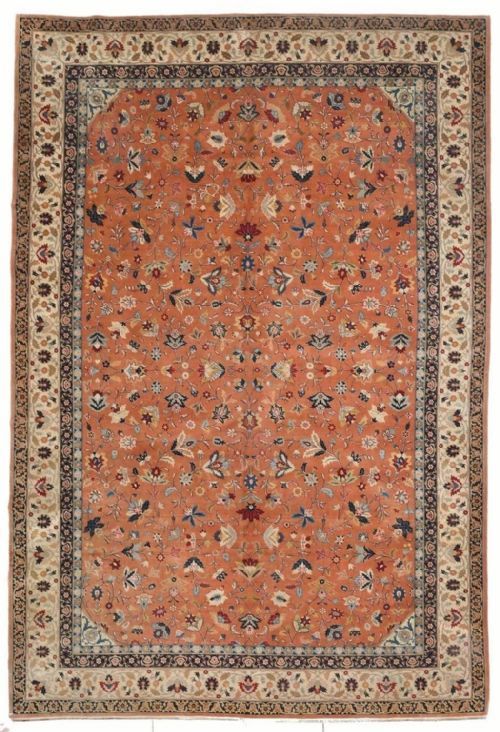
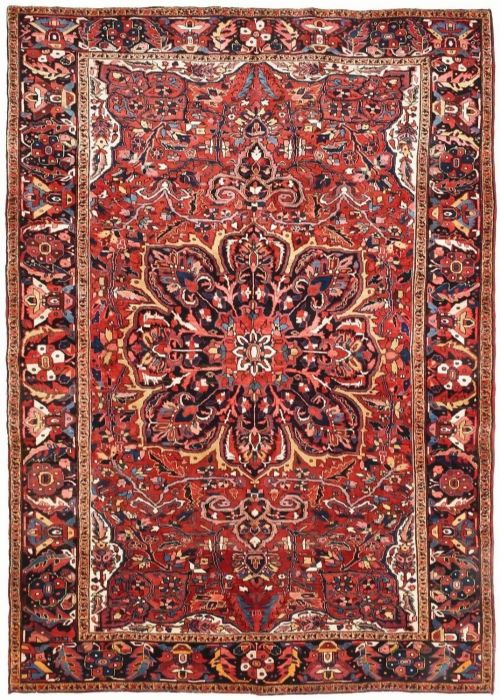
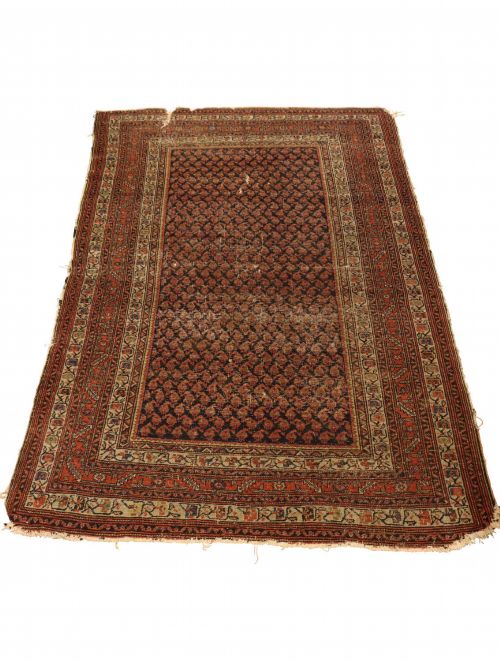


Rust Wool Carpet
These rust wool carpet examples bring genuine nomadic warmth and traditional Persian craftsmanship directly to the floor.
Rust Wool Carpet
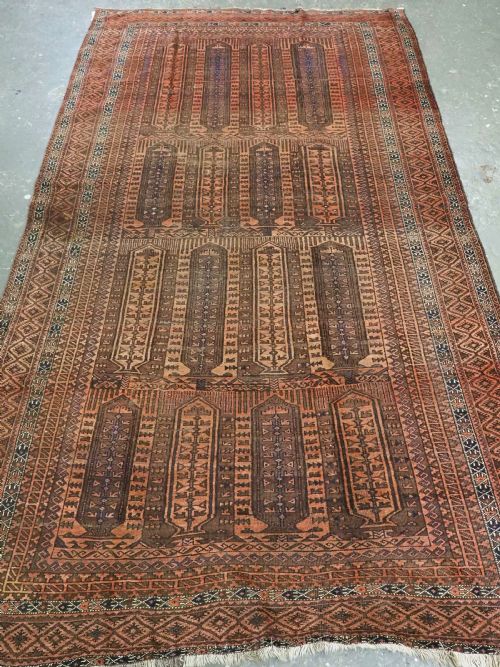
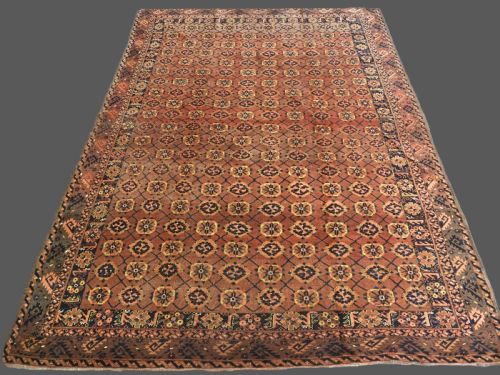
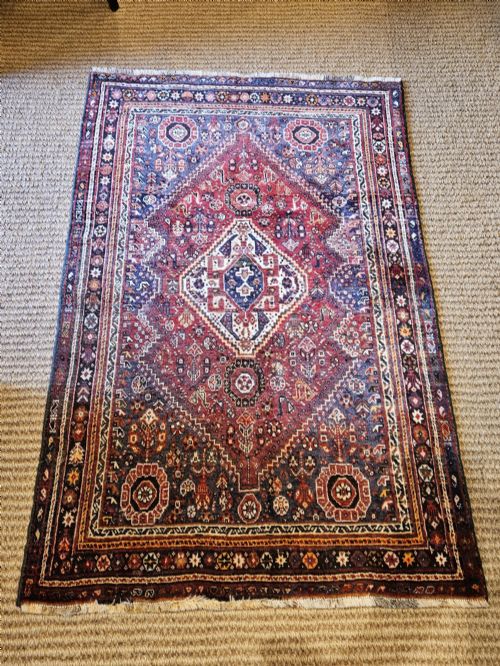
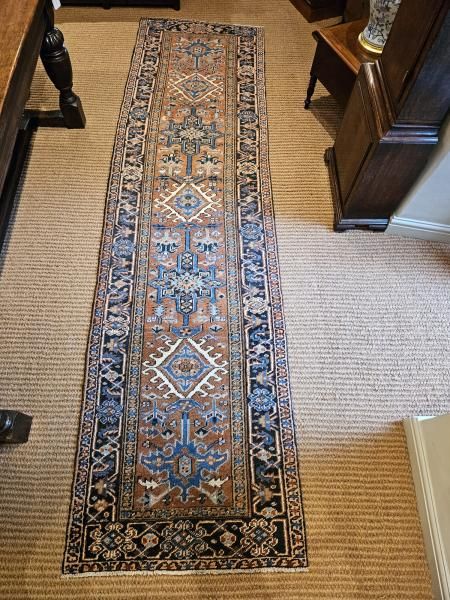
A rust wool carpet search draws together tribal, nomadic and traditional Persian floor coverings spanning the early twentieth century. Buyers encounter room-sized pieces, large oversize formats and area rugs originating from workshops and nomadic weavers.
Dated examples on this page cluster around nineteen hundred, nineteen ten and nineteen thirty. Each piece offers a distinct format, from compact tribal rugs to expansive room-sized carpets.
How they were made
Weavers constructed these carpets predominantly using wool, frequently paired with cotton foundations. Certain nomadic pieces also incorporate goat hair within their structure.
Makers utilised traditional hand-knotting and flatweave techniques depending on the regional style. Artisans achieved distinctive rust tones and intricate patterns using durable natural materials.
Rust Wool Carpet Retail Price Guide 2026
Typical asking prices for rust wool carpet among the pieces listed under this phrase on Sellingantiques today, from the lower quarter to the upper quarter. They describe what is for sale here now, not the wider market.
Current listings span nineteen hundred to nineteen thirty, featuring wool, cotton and goat hair materials across Persian and tribal styles.
What varies in quality
Quality separates in these carpets through knot density and weave fineness, particularly visible in fine Turkmen kilims and grand Heriz room-sized formats. Workshop precision contrasts with the spirited irregularity of nomadic tribal weaving.
The structural integrity of the cotton and wool foundations dictates longevity across large formats like oversize Karadja carpets. Hand-spun wool variation creates natural abrash and depth of colour that mechanical manufacturing cannot replicate.
The Rust Wool Carpet Glossary
- Kilim
- A flatwoven carpet or rug produced without a pile. These pieces rely on interlocking weft threads to create sharp geometric patterns.
- Abrash
- Variation in colour shading across a carpet caused by changes in dye batches or hand-spun wool. Collectors prize this natural tonal shift as a sign of authentic handcrafting.
- Warp
- The vertical threads stretched lengthwise on the loom that form the structural foundation of the carpet. Weavers tie knots onto these foundational strands.
- Weft
- The horizontal threads passed across the warp strands to lock the knots in place. In flatwoven pieces, the weft forms the visible pattern itself.
Rust Wool Carpet: Frequently Asked Questions
Where were these carpets made?
These carpets originate from traditional weaving centres and nomadic regions across Persia and Central Asia. Specific regional styles include Heriz, Tabriz, Karadja and Baluch.
Weavers in different towns and tribes utilised distinct geometric or floral motifs. This regional diversity shapes the character of each rug.
How do I care for a wool carpet?
Protect antique wool carpets by vacuuming gently without a rotating brush bar. Professional cleaning is essential to preserve the natural lanolin in the fibres.
Keep these textiles away from direct sunlight to prevent fading. Using a quality underlay prevents slipping and reduces wear beneath heavy foot traffic.
What is a room-sized carpet?
A room-sized carpet provides expansive floor coverage designed to anchor an entire living or dining space. Dimensions for these pieces typically exceed three hundred centimetres in length.
Such large formats require substantial workshop production, such as those from Heriz or Karadja. They suit generous interiors needing a strong visual centrepiece.
How are tribal rugs different from workshop rugs?
Tribal rugs display spontaneous geometric designs woven by nomadic groups using memory rather than cartoon blueprints. They often incorporate goat hair alongside wool in their construction.
Workshop rugs follow formal master designs with fixed botanical motifs and high knot densities. City centres like Tabriz produce these refined, symmetrical compositions.