


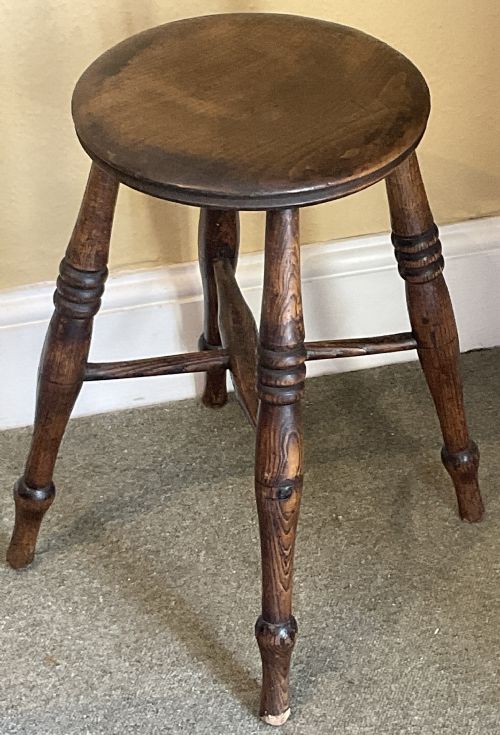

Round Wooden Stool
A round wooden stool is a simple seat built for daily use, combining plain utility with vernacular craft across centuries of British and global design.
Round Wooden Stool
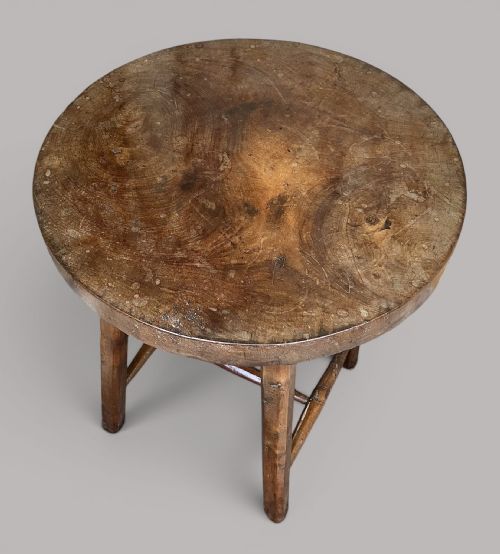
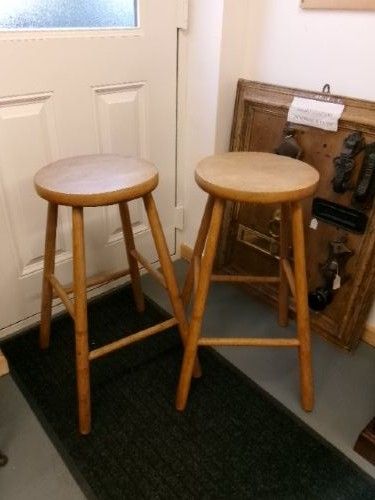
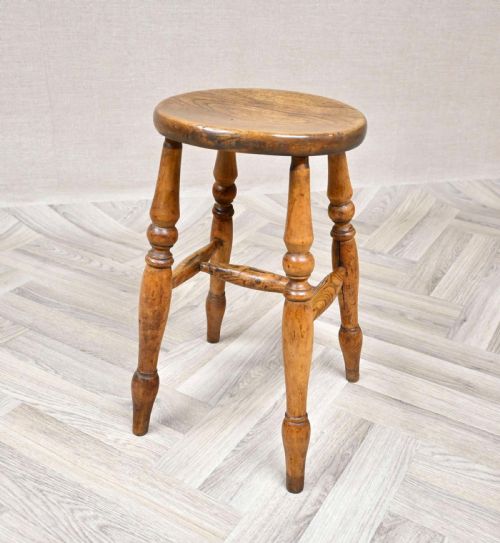
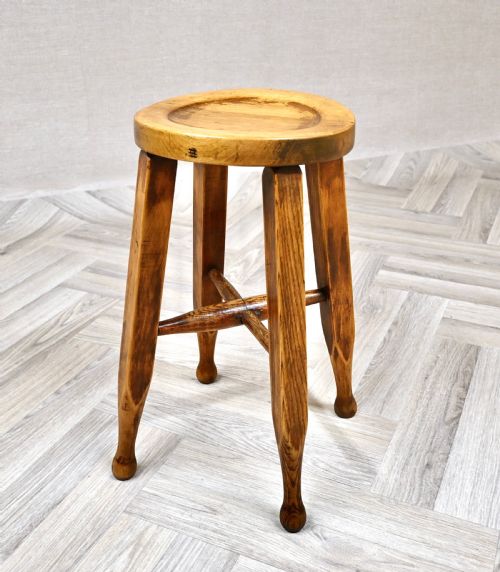
A round wooden stool appears in various forms on this page, ranging from Georgian vernacular examples to functional nineteenth-century Windsor seats and later kitchen stools. Buyers seeking a round wooden stool will encounter domestic seating, piano stools, and occasional tables with circular tops.
The selection spans periods from the Georgian era through Victorian times to the early twentieth century, incorporating styles like rustic farmhouse, English country, and Art Deco. These pieces serve practical purposes as seats or small tables in contemporary interiors.
Materials and construction
Maker construction relies on domestic timbers such as elm, oak, beech, ash, and solid walnut, chosen for structural strength and grain character. Carpenters shaped seats from solid wood planks and joined legs using traditional framing methods.
Detailing includes turned supports, carved frames, and adjustable height mechanisms on piano stools, reflecting the functional requirements of each period.
Assessing quality
Quality depends on the integrity of the timber and the honesty of the construction, where substantial hardwood tops and tight joints distinguish better examples from simpler utilitarian objects. The character of the wood grain and the proportion of the turning dictate the visual strength of the piece.
Age and original surface patination influence desirability, with untouched vernacular pieces holding greater interest than heavily restored items.
Gillows
The Round Wooden Stool Glossary
- Vernacular
- Everyday objects built by local craftspeople using regional traditions rather than high-style academic designs. These pieces prioritise practical function over fashionable ornamentation.
- Windsor
- A seating type constructed with turned legs and spindles fitted directly into a solid sculpted seat. This method creates a sturdy frame without complex joinery.
- Turned
- Shaped on a lathe to create rounded, symmetrical components such as table legs and stool stretchers. This technique allows makers to produce uniform structural parts.
- Occasional table
- A small, movable table designed for specific, intermittent use rather than central room placement. These items often feature circular tops supported by a central column or three legs.
- Patina
- The surface sheen and colour developed on wood through age, handling, and regular use. This quality records the history of the object.
Round Wooden Stool: Frequently Asked Questions
Are these stools comfortable to sit on?
Many examples feature sculpted or dished wooden seats designed to fit the body during extended periods of sitting. Others include upholstered or needlepoint tops for softer support.
Buyers should consider the intended use, whether for daily seating at a counter, as a piano stool, or as a decorative footstool.
How do I date an antique stool?
Dating relies on examining the timber species, tool marks left by manufacture, and the style of the turned legs or frame. Georgian and Victorian pieces often show specific joinery techniques and wood oxidation consistent with their age.
Comparing the construction methods to dated examples helps establish the period of origin.
Can I use a stool as a side table?
Circular wooden stools and small round tables share similar footprints and heights, making them versatile surfaces for lamps or cups. Many historical pieces served multiple domestic functions depending on the room.
Their compact size allows them to fit easily beside chairs or in narrow hallways.
How should I clean the wood surface?
Maintenance requires gentle dusting with a dry cloth and occasional application of appropriate furniture wax to nourish the timber. Avoid excessive moisture and harsh chemical cleaners that can strip the historic surface.
Preserving the original finish protects the character developed over decades of use.