
Round Top Wine Table
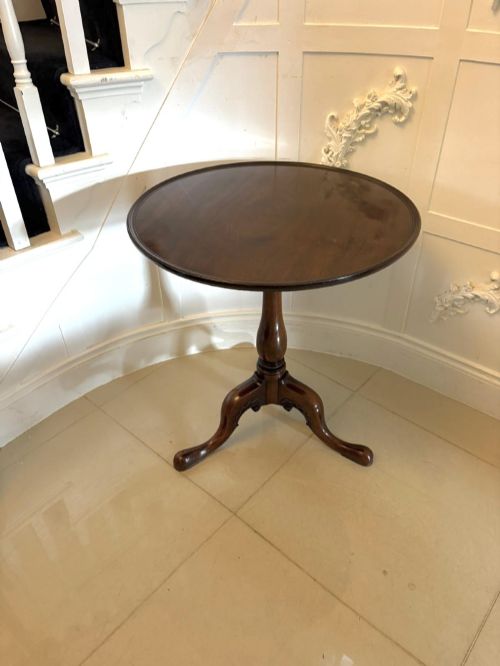
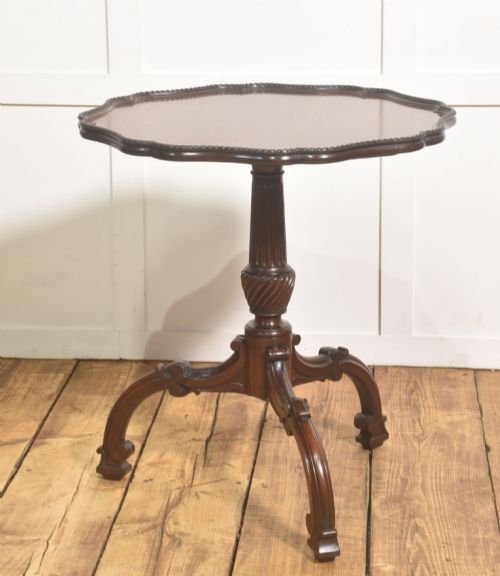
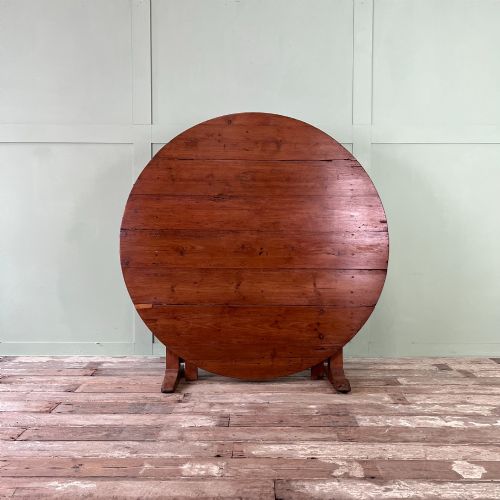
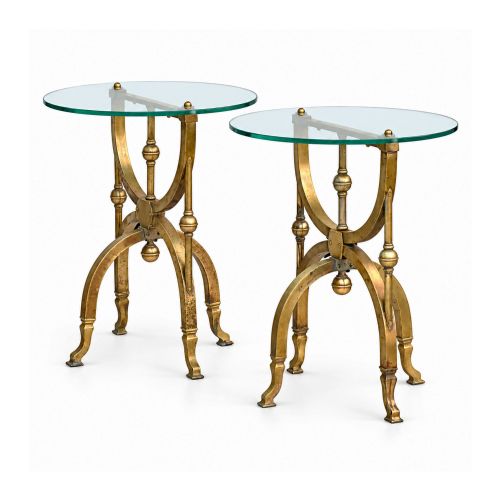
These round top wine table examples combine compact proportions with practical surfaces, offering a versatile piece for holding drinks or lamps.
Round Top Wine Table
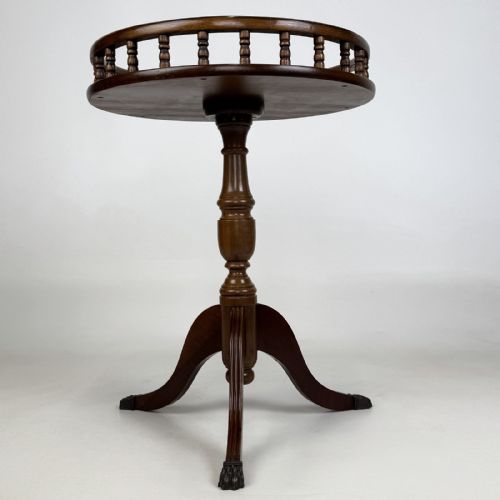
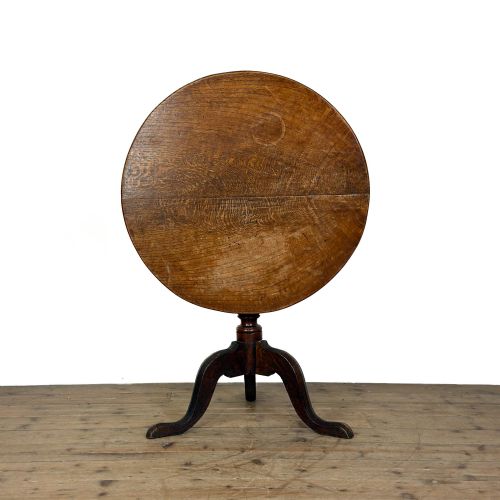
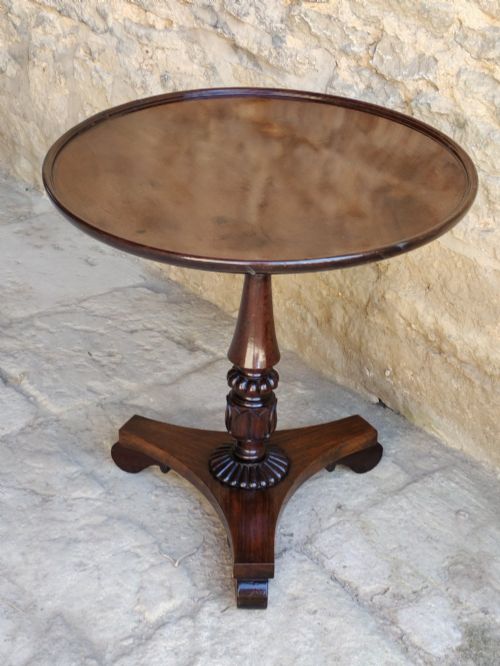
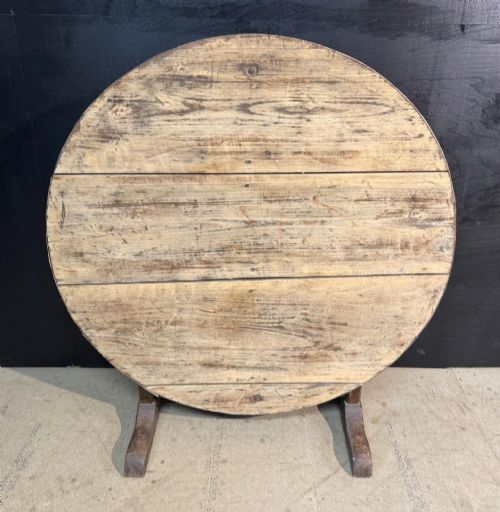
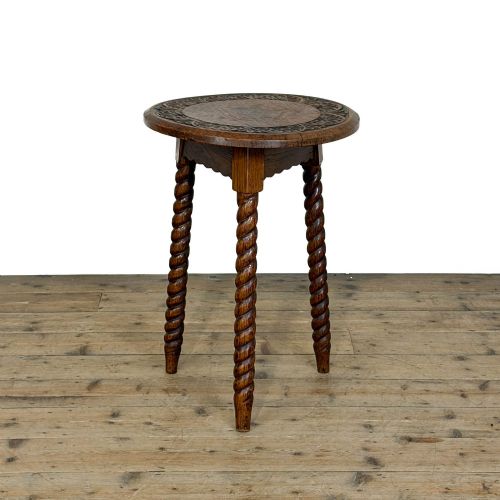
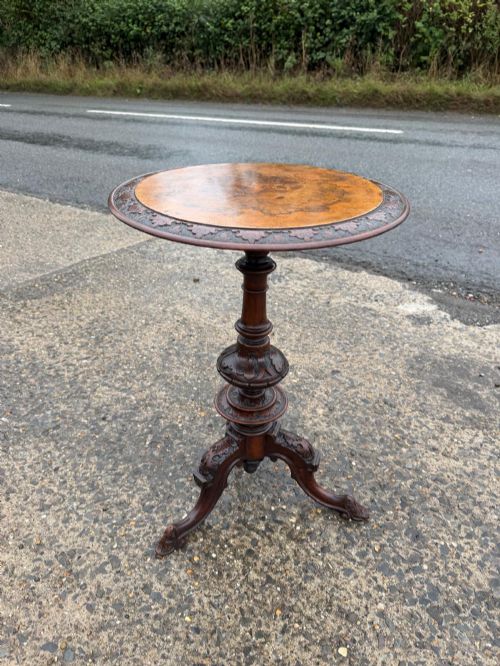
A round top wine table serves as a small occasional piece designed for holding glasses or lamps beside seating. Most pieces found here belong to the Georgian and Victorian periods, alongside later revival examples.
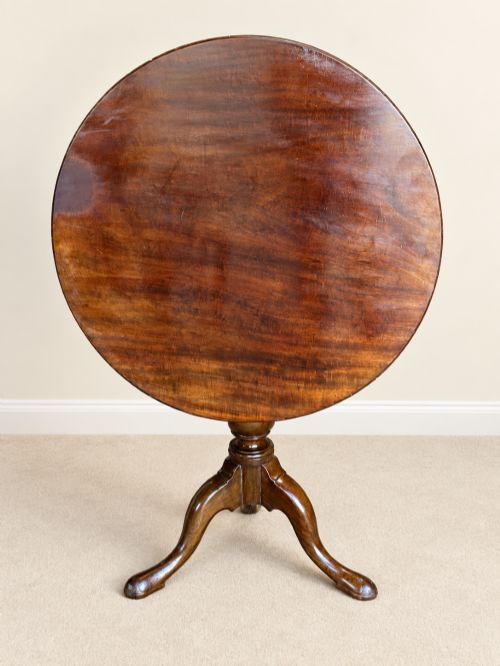
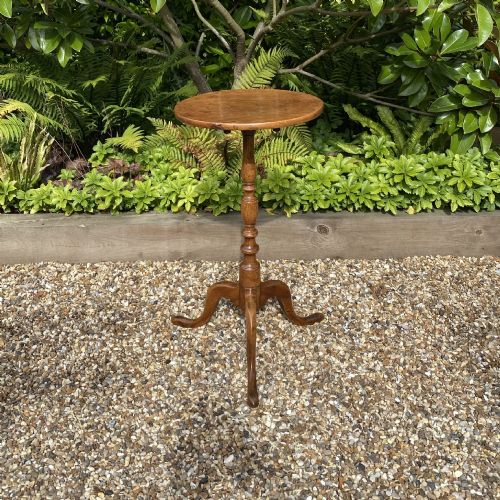
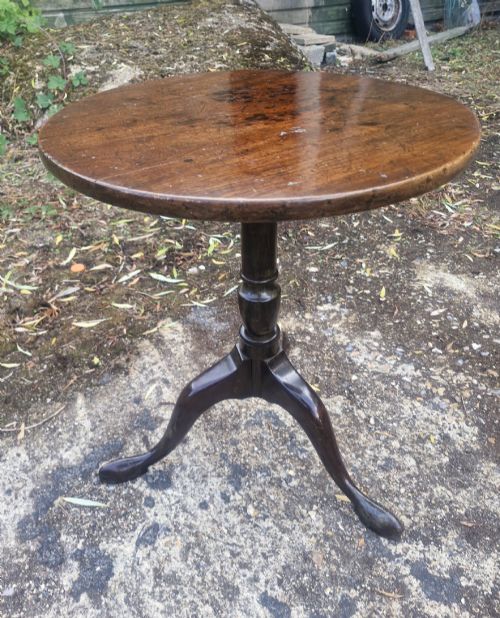
The form typically rests on a central pillar supported by three tripod legs, though pedestal bases also appear. These tables frequently feature tilt tops for storage when not in use.
Assessing quality in construction and timber
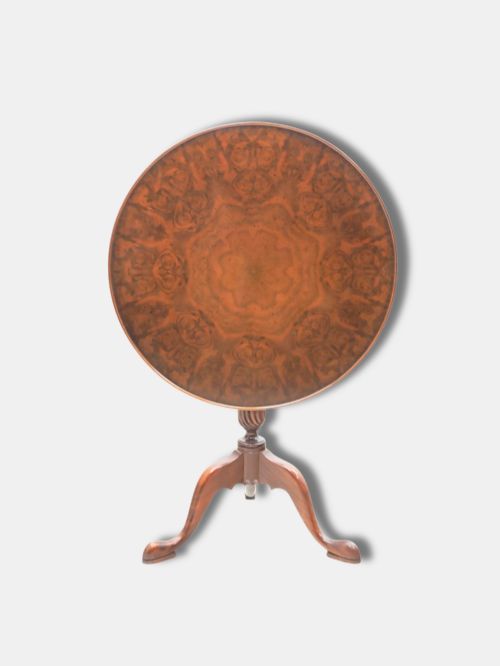
Quality rests in the selection of timber figures, particularly the grain depth in mahogany or burr wood tops. Solid construction of the tripod legs and smooth operation of the tilt mechanism distinguish finer examples.
Proportion and carving detail separate standard production from superior pieces. Crisp execution on tripod legs and pillar turnings indicates higher workshop standards.
Listings span from the 18th century through to the 1920s, with mahogany and oak as the predominant structural materials.
The Round Top Wine Table Glossary
- Tilt top
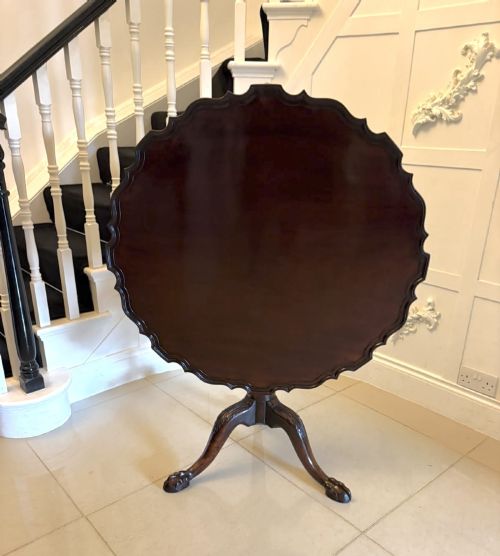
- A table top mounted on a hinge mechanism allowing it to pivot vertically against the pedestal. This function allowed easy storage against walls when the space was needed for other purposes.
- Tripod base
- A support structure consisting of three legs radiating from a central pillar. This design provides stable footing on uneven floors.
- Birdcage
- A timber framework beneath the table top that permits both tilting and rotating movements. It sits between the pillar and the top itself.
- Gueridon
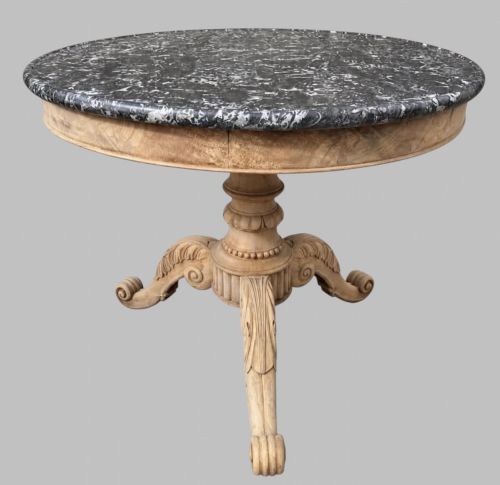
- A small French occasional table designed to hold a light or decorative object. These often feature mahogany, marble tops, or gilt bronze mounts.
- Pie crust
- A raised, carved edge moulded along the perimeter of a table top. This decorative shaping mimics pastry work from the period.
Round Top Wine Table: Frequently Asked Questions
What is a round top wine table used for?
These pieces function primarily as small surfaces for drinks, candles, or bedside reading lamps. Their compact footprints suit placement beside armchairs or in awkward corners.
Historically, they served during evening gatherings for holding glasses and decanters. Today, they fill similar domestic roles while adding period character to a room.
How do I identify a tilt top table?
Look underneath the surface for a catch mechanism or block hinge connecting the top to the central column. Lifting the release lets the timber pivot flat against the pillar.
Many examples include a birdcage fixture allowing the top to spin horizontally as well as tilt. Fixed tops lack these underlying pivot assemblies entirely.
What woods were used for these tables?
Mahogany remains the most common timber found across Georgian and Victorian examples. Cabinetmakers also turned to oak, walnut, and exotic veneers for varied grain patterns.
French pieces frequently utilise bleached walnut or feature inset marble slabs. Occasional items incorporate painted finishes or decorative marquetry.
Where should I place a tripod table?
The three-legged design makes these tables stable on carpets and rugs, as all three feet maintain contact with the floor. They fit well beside sofas or in narrow hallways.
Avoid placing them in areas of heavy foot traffic where the projecting legs might present a hazard. Their modest scale allows them to tuck neatly into unused alcoves.