

Traditional Mahogany Tripod Stand
A traditional mahogany tripod stand is a versatile pillar-and-claw support piece chosen for its slender footprint and rich timber grain.
Traditional Mahogany Tripod Stand
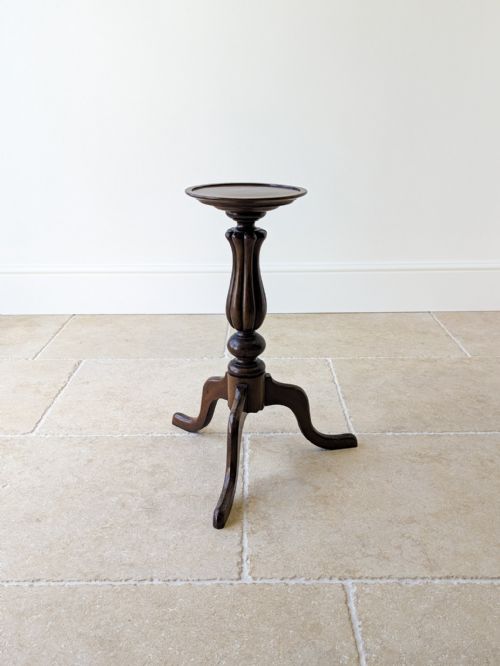
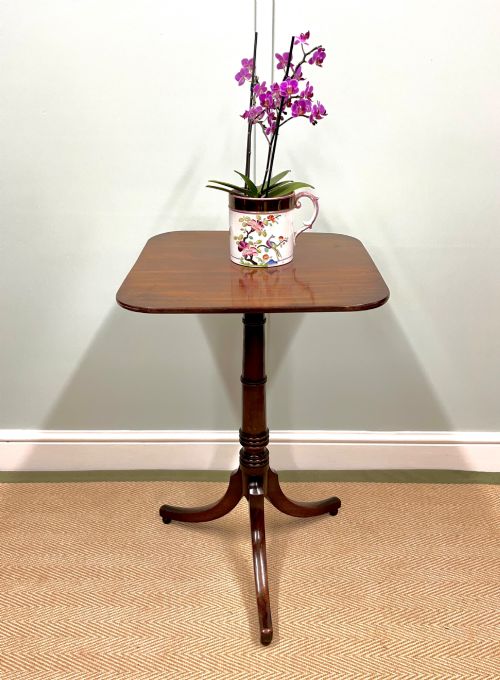
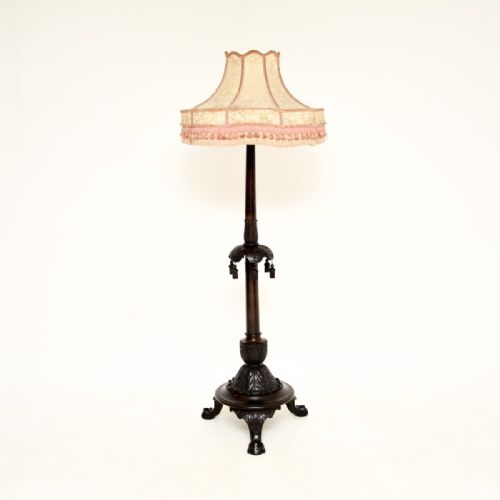
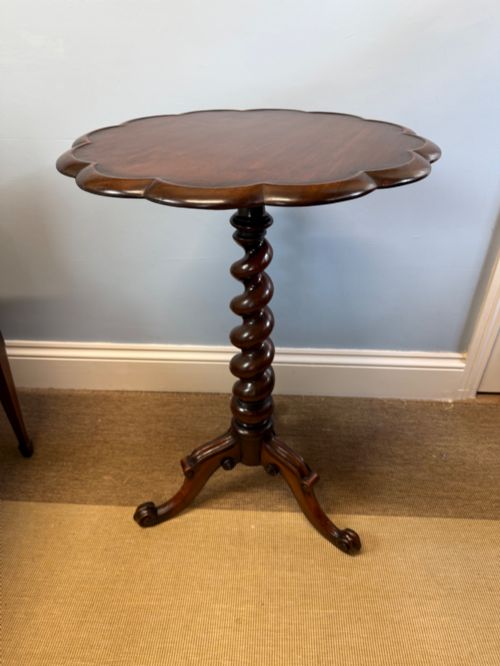
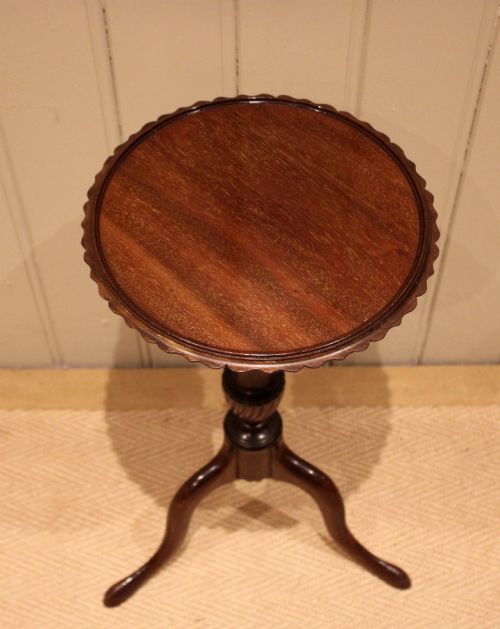
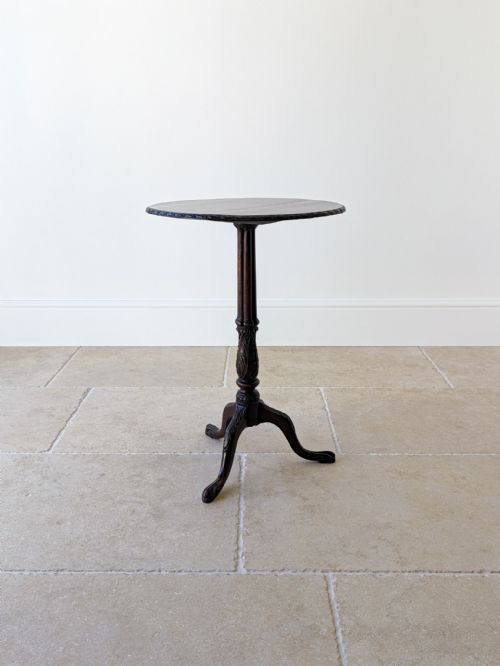
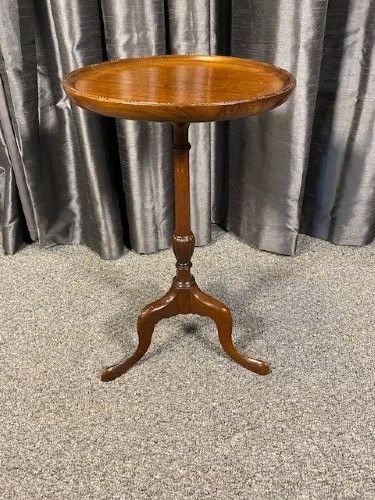
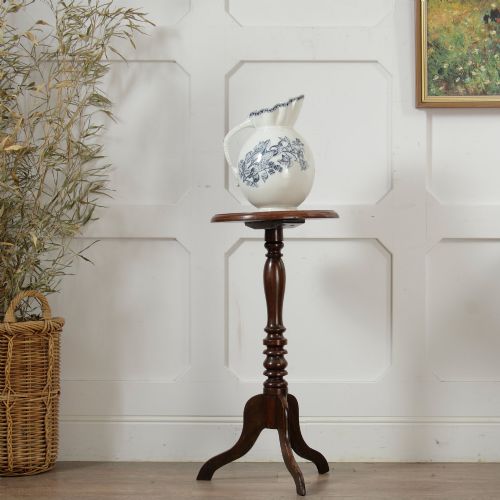
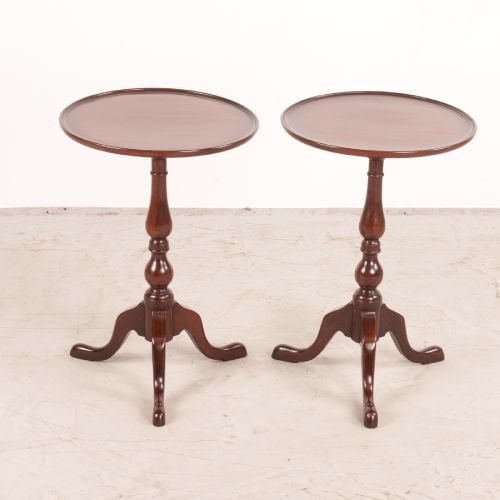
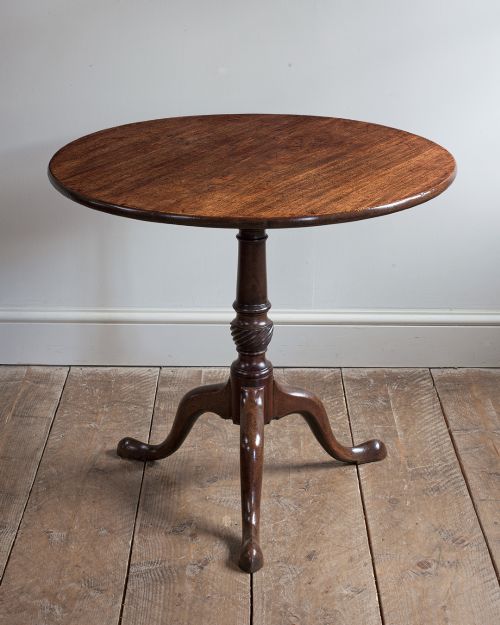
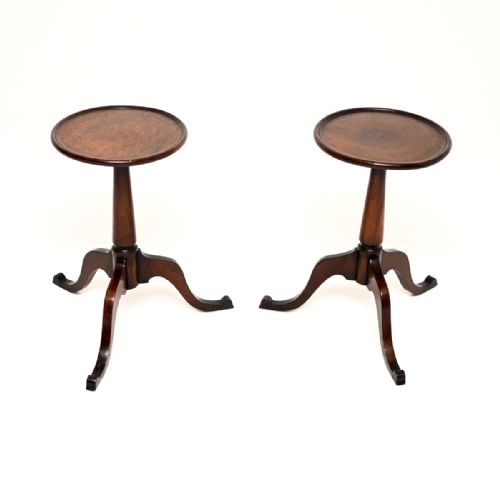
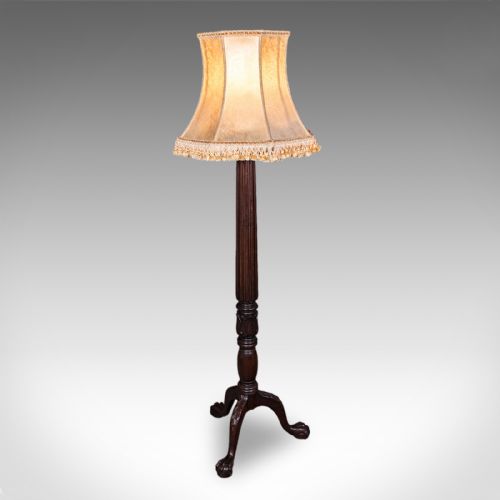
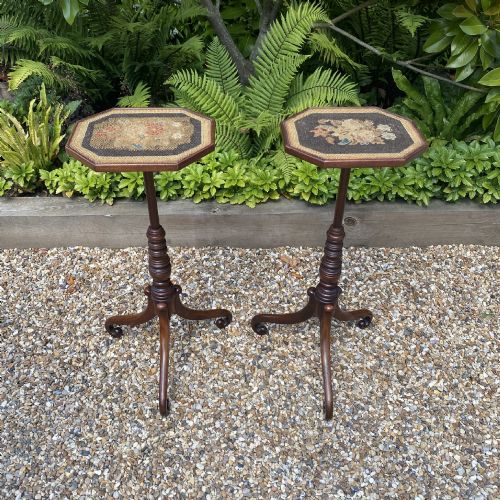
A traditional mahogany tripod stand encompasses a range of pillar tables and display supports resting on three splayed legs. When searching for this phrase, buyers encounter pieces primarily taking the form of wine tables, occasional tables, plant stands, and torchères.
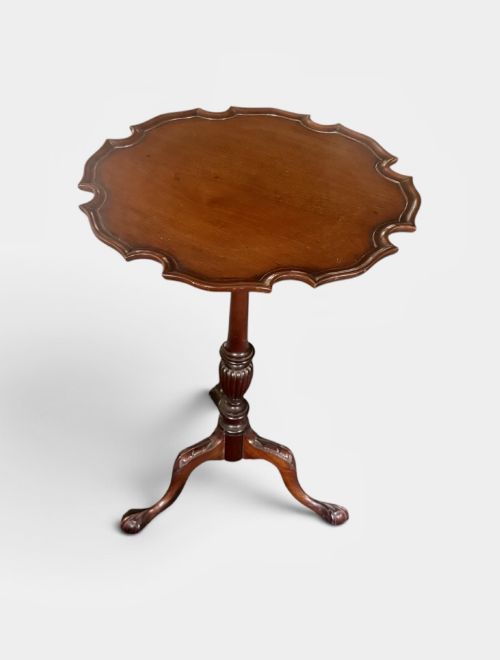
The selection on this page spans from 18th-century Georgian originals to later Edwardian and revival interpretations. Wine tables and small occasional tables dominate the offerings, frequently featuring circular, oval, or pie crust tops.
Makers and manufacturers across the Georgian, Victorian, and Edwardian eras produced these stands for domestic utility and display. Their balanced proportions allow them to sit beside seating or in corners without dominating a room.
What varies in quality
The degree of hand-carving on the pillar and legs distinguishes standard production from finer work. Crisp moulding edges and substantial timber thickness indicate superior original craftsmanship.
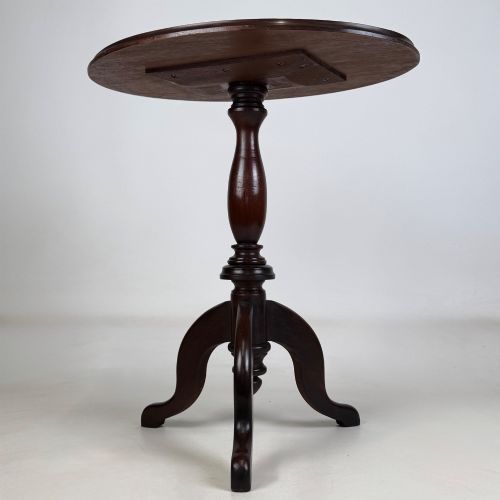
The integrity of the tripod mechanism, particularly on tilt-top variants, dictates how well the top locks flat against the catch. Original brass catches and uncompromised leg joints elevate the standing stability of the piece.
The listings feature mahogany alongside accent materials including brass, leather, fruitwood, and needlepoint textile.
The Traditional Mahogany Tripod Stand Glossary
- Tripod base
- A support structure comprising three splayed legs radiating from a central turned column. This design provides stable footing on uneven floors.
- Tilt top
- A hinged tabletop mechanism allowing the surface to fold vertical when not in use. It enables compact storage against a wall.
- Torchère
- A tall, slender stand designed to hold a light or a decorative plant. These pieces elevate objects to eye level.
- Pie crust rim
- A raised, scalloped tabletop edge carved directly from the solid timber. It prevents items from sliding off the surface.
- Dumb waiter
- A multi-tiered stand utilising a central column to support successive serving plates. These items assisted with dining room service.
Traditional Mahogany Tripod Stand: Frequently Asked Questions
What rooms suit a traditional mahogany tripod stand?
These pieces fit easily beside armchairs, beside sofas, or in neglected corners as plant displays.
Their compact footprint means they provide surface space without cluttering narrow hallways or smaller sitting rooms.
How do I identify a tilt-top mechanism?
Look underneath the circular top for a wooden or brass catch securing the table to the pillar block.
Release this latch to test if the surface tilts smoothly into a vertical position for storage.
What is the difference between a torchère and a wine table?
A torchère is built taller and narrower specifically to elevate lighting or decorative jardinières.
A wine table sits lower to the floor, designed to hold drinks or small books within reach of a seated person.
How should I care for the mahogany surface?
Dust the timber regularly with a soft, dry cloth to protect the polished finish from abrasive particles.
Apply high-grade beeswax periodically to nourish the grain without leaving heavy silicone residues.