

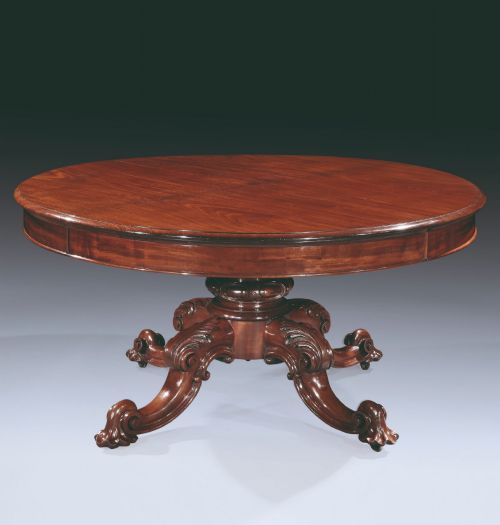
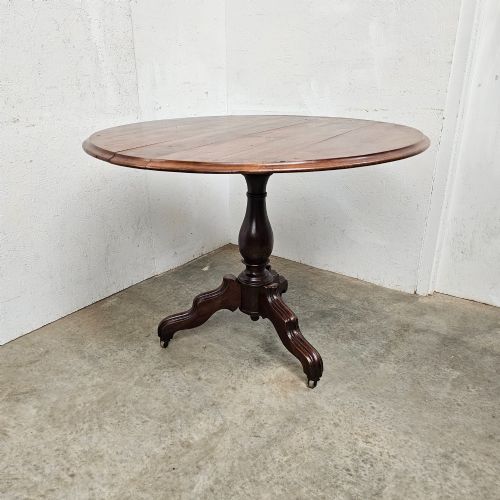
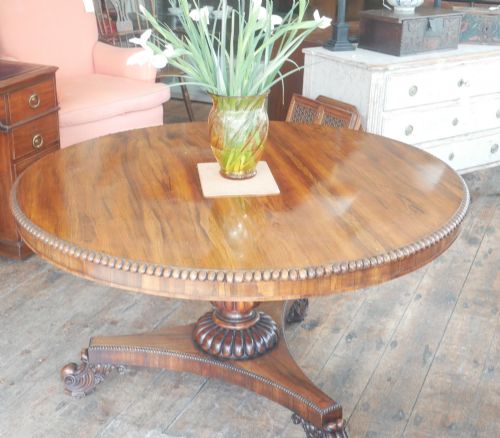
Round Mahogany Dining Table
A round mahogany dining table brings warmth and proportion to a room, offering a sociable surface shaped by centuries of cabinet-making skill.
Round Mahogany Dining Table
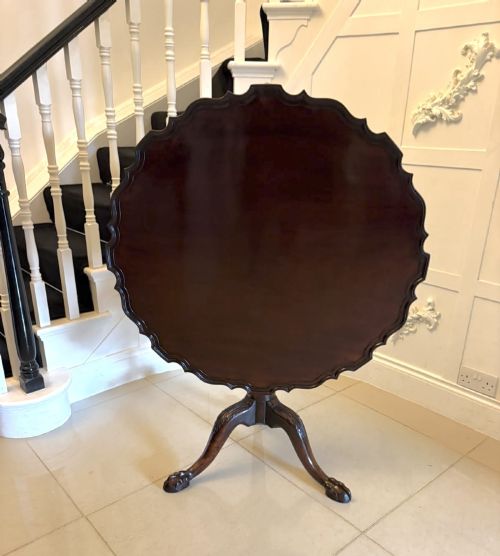
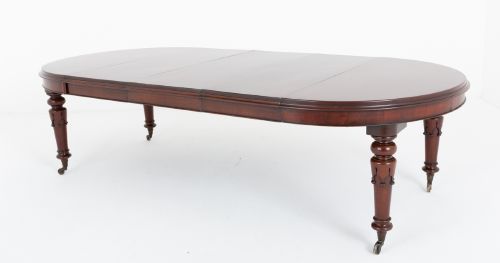
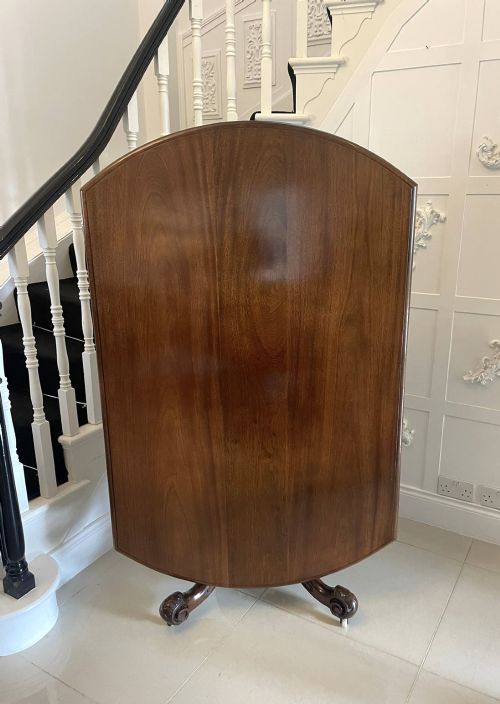
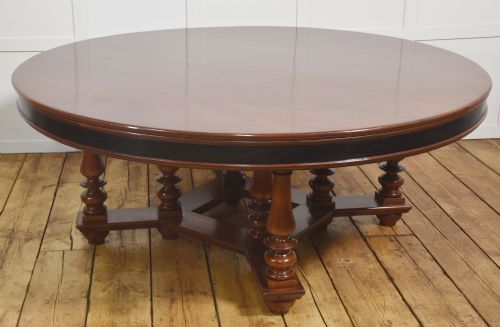
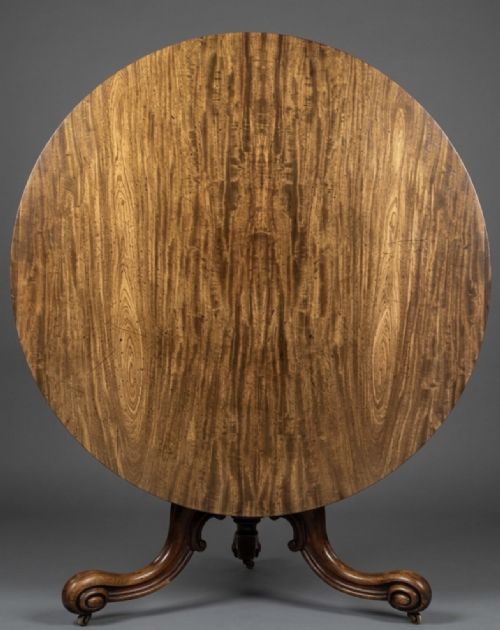
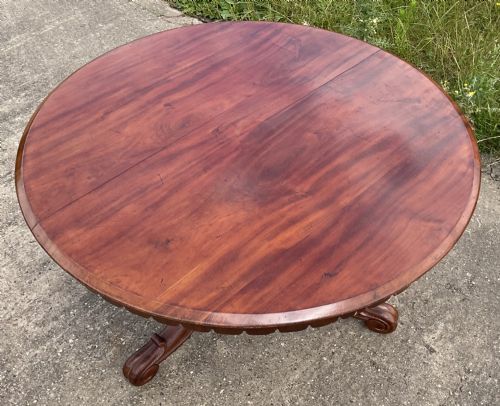
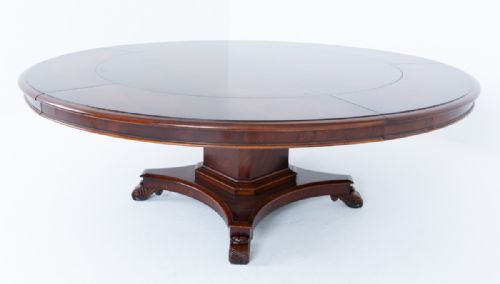
A round mahogany dining table encompasses pedestal designs, tilt-top breakfast tables, and wind-out extending models built to seat anywhere from four to ten diners. You will frequently encounter nineteenth-century pedestal examples and Regency designs featuring substantial circular tops supported by robust pillars.
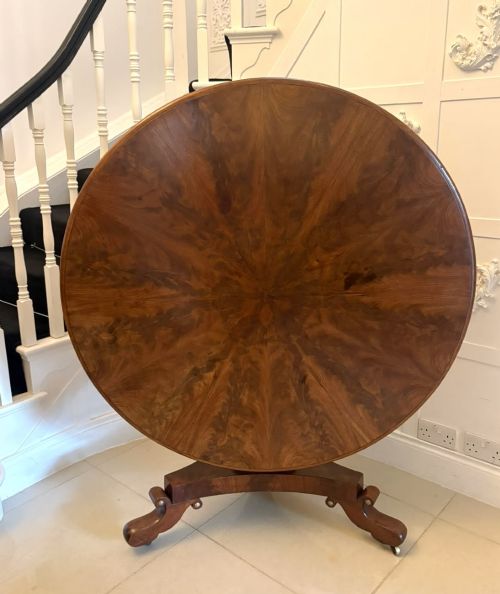
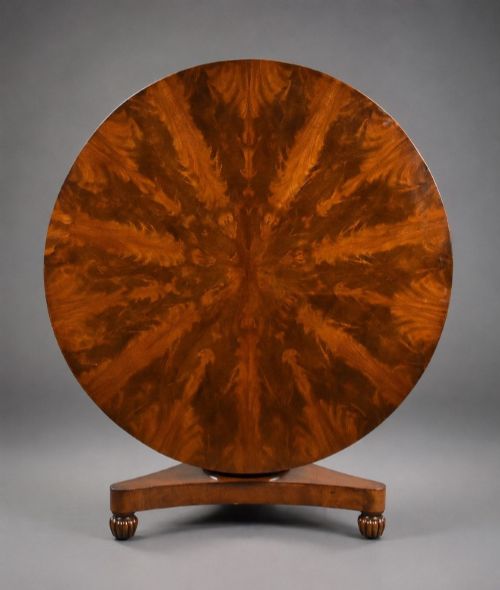
The material vocabulary ranges from figured and flame mahogany veneers to solid timber boards, often enriched with satinwood or rosewood details. These tables served multiple domestic functions in period homes, moving easily from breakfast duties to formal dining.
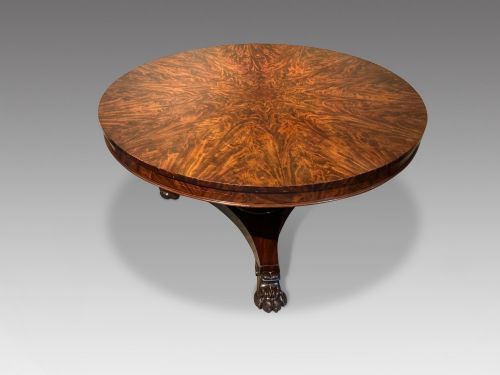
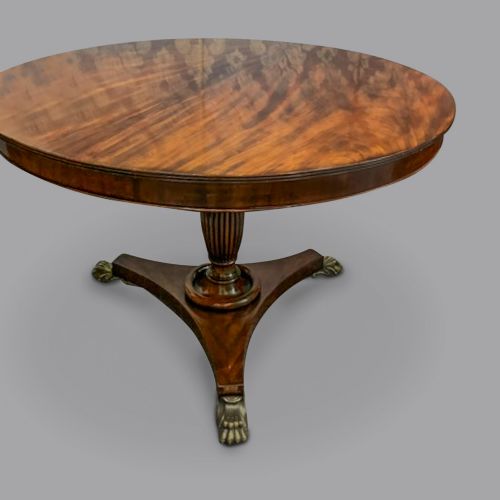
Early iterations from the Georgian and George III eras display refined proportions and tripod or pad foot bases. Later Victorian and William IV versions introduce heavier octagonal pedestals and sophisticated extending mechanisms for larger gatherings.
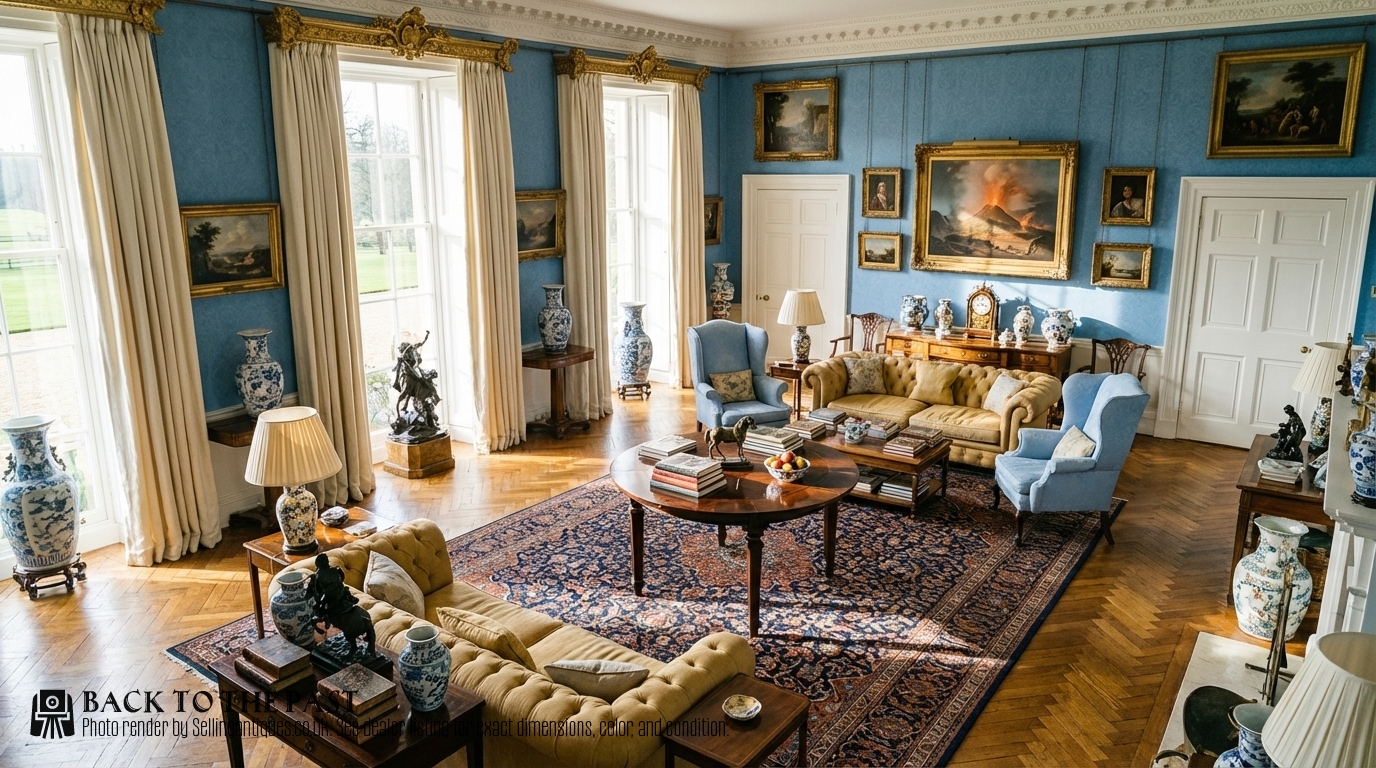
Materials and construction
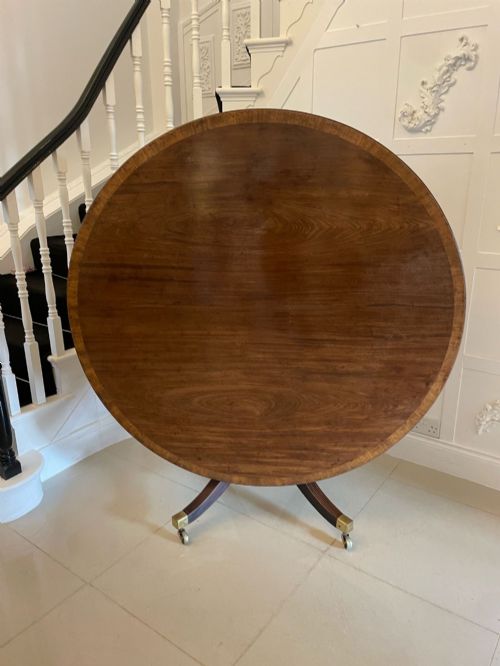
Cabinet-makers relied heavily on solid mahogany and carefully selected flame or figured mahogany veneers applied to secondary woods like oak and walnut. Crossbanded borders in contrasting timbers such as satinwood added visual definition to the perimeters of the top.
Pedestal bases frequently incorporated brass castors and intricate carving on triform or platform supports, while extending variants utilised internal leaves and winding mechanisms. Tilt-top models depended on robust block and catch hardware to secure the circular board when lowered for dining.
Round Mahogany Dining Table Retail Price Guide 2026
Typical asking prices for round mahogany dining table among the pieces listed under this phrase on Sellingantiques today, from the lower quarter to the upper quarter. They describe what is for sale here now, not the wider market.
Tilt-top tables were routinely folded flat against parlour walls to clear the floor for evening dancing.
Indicators of distinction
Superior execution is evident in the choice of timber, particularly the depth and movement found in flame mahogany veneer and the precision of crossbanded borders. Better examples demonstrate meticulous joinery in the pedestal architecture and seamless alignment of extending leaves.
Proportion and stability separate standard production from exceptional pieces, especially in large tilt-top tables that require balanced weight distribution. The refinement of hand-carved details on pillars and feet further distinguishes workshop output.
Gillows·Walker-Lancaster
The Round Mahogany Dining Table Glossary
- Tilt-top
- A tabletop designed to pivot into a vertical position when not in use. This mechanism allowed tables to be stored against walls to save floor space in smaller rooms.
- Flame mahogany
- A highly figured veneer cut from the fork of the mahogany tree. It displays a distinct, feather-like flame pattern that catches the light.
- Crossbanding
- A narrow strip of veneer laid perpendicular to the grain of the main surface. It forms a decorative border around the edge of the tabletop.
- Wind-out mechanism
- A mechanical system utilising a crank handle and internal screws to expand a dining table. It allowed additional leaves to be inserted smoothly into the centre.
- Triform base
- A three-sided pedestal support resting on three feet. This configuration provided stability for large circular tops while allowing legroom for diners.
Round Mahogany Dining Table: Frequently Asked Questions
How do I seat six people comfortably?
A circular table measuring around four to five feet in diameter generally accommodates six diners without crowding. Pedestal bases are particularly advantageous here as they eliminate corner legs that might otherwise restrict knee room.
When calculating space, allow sufficient clearance around the perimeter for chairs to pull out easily. Extending versions offer the flexibility to expand the surface area when larger groups gather.
What is a tilt-top table used for?
Tilt-top tables served as versatile furniture that could be pushed to the perimeter of a room when dining was finished. The pivoting mechanism made them practical space-savers in historic domestic interiors.
Today, they function well as permanent dining surfaces or centre tables where their decorative figured tops can be fully appreciated.
How do I distinguish Regency from Victorian tables?
Regency tables, dating from the early nineteenth century, typically exhibit restrained classical lines, delicate brass inlay, and elegant tripod or reeded pillar supports. The mahogany used often has a rich, warm tone with subtle figuring.
Victorian examples from the mid to late nineteenth century tend to be heavier in scale, featuring robust octagonal pedestals, bolder carved ornament, and solid mahogany or darker polished finishes.
Can I use daily maintenance on antique mahogany?
Routine care requires only a soft, dry cloth to remove dust and preserve the natural lustre of the polished wood. Avoid silicone-based sprays and keep timber away from direct heat sources and strong sunlight.
Applying a traditional beeswax polish occasionally helps nourish the grain and protects the surface from minor moisture marks.