




Round Gilt Frame
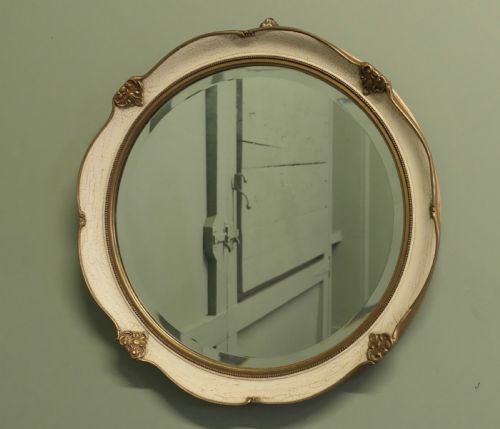
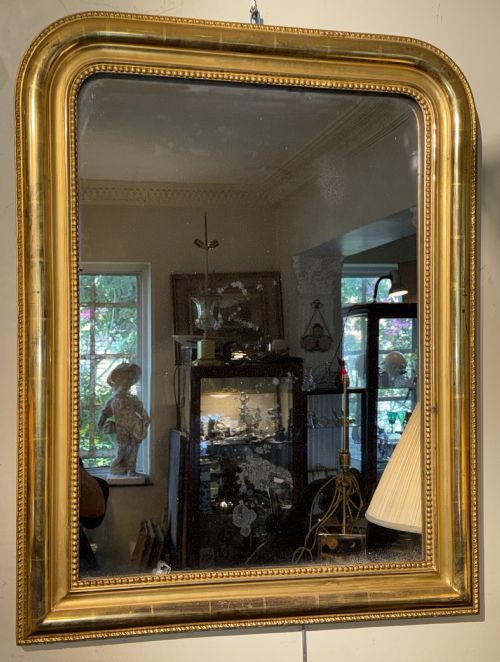
A round gilt frame brings immediate warmth and polished reflection to a wall, capturing light through gleaming metallic borders.
Round Gilt Frame
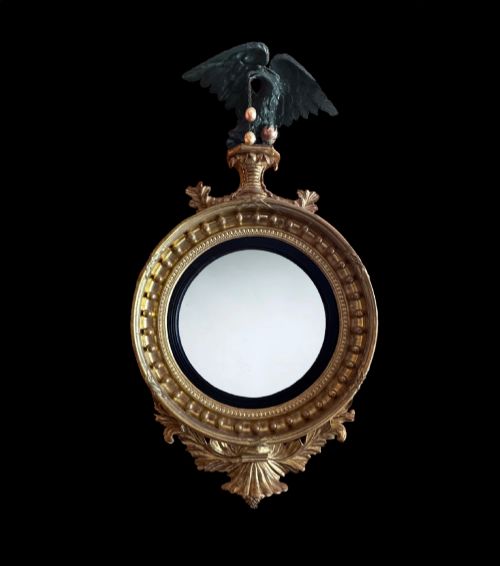
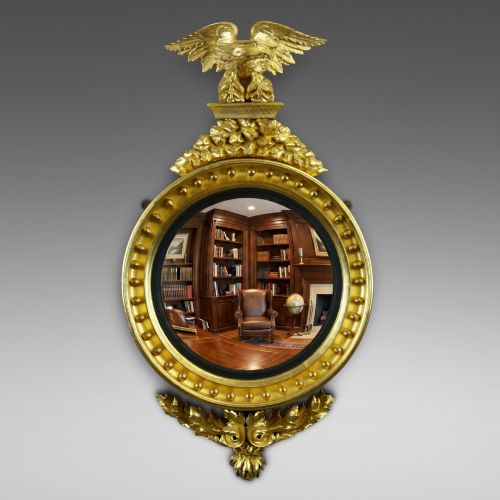
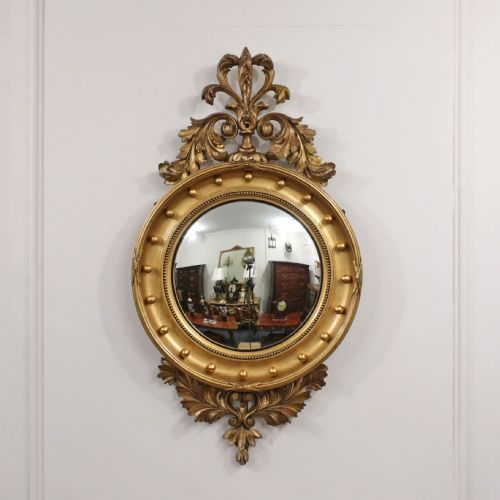
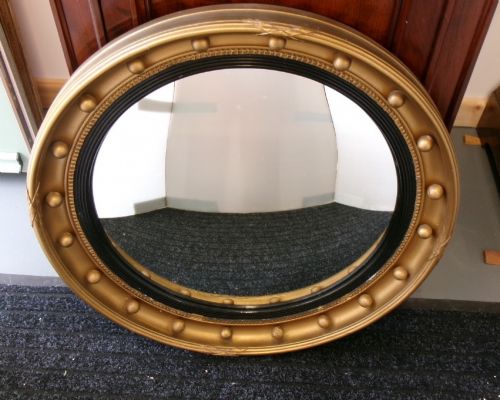
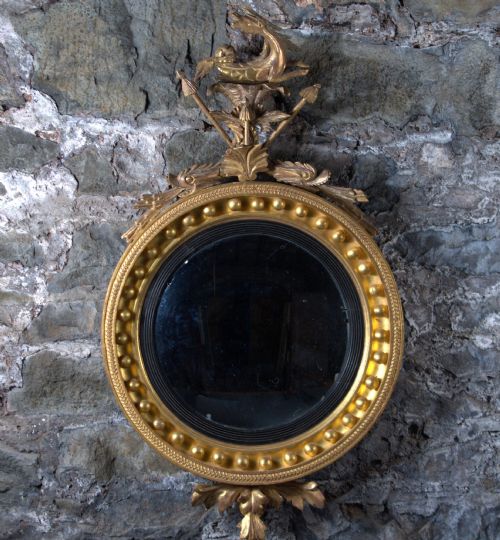
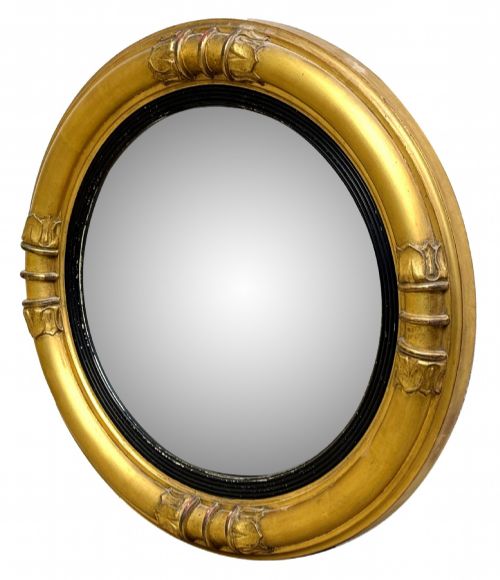
The version most commonly encountered on this page is the convex mirror housed within a circular giltwood or gesso frame, often tracing its design lineage back to the Regency period. These convex variants typically feature spherical glass that pulls the surrounding room into a wide, curving perspective.
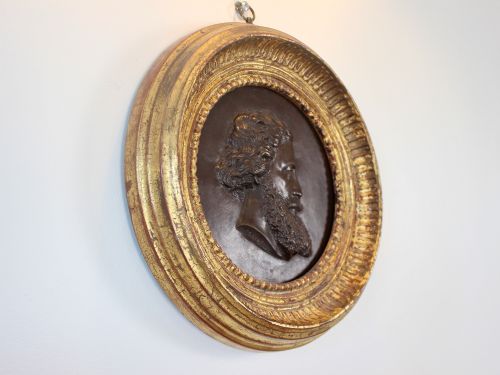
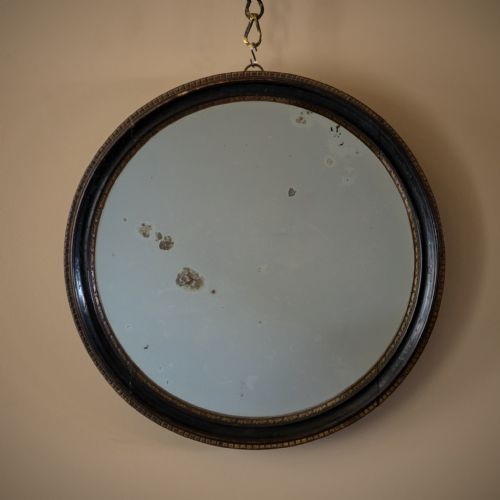
Beyond mirrors, the selection includes occasional picture frames and wall plaques finished in gold leaf or gilt paint. These supplementary forms offer smaller circular profiles suited to intimate spaces or gallery arrangements.
What varies in quality
The depth of hand-carving and the crispness of the gesso ornament distinguish finer examples from simpler production pieces. Superior frames display sharp relief work where decorative details remain distinct rather than softened by excessive layers of later coating.
The original quality of the gilding and the preservation of the underlying metal leaf dictate the visual richness of the surface. Frames retaining genuine gold leaf exhibit a warm, enduring patina that differs markedly from flat, modern metallic paints.
Convex mirrors were historically nicknamed bank mirrors because their wide-angle view helped shopkeepers keep an eye on customers.
MAINFROY
The Round Gilt Frame Glossary
- Giltwood
- Timber that has been coated with gold leaf or thin metallic powder. This material forms the primary structure of many traditional circular mirrors.
- Convex mirror
- A round glass surface that curves outward to produce a wide-angle reflection of the room. These are frequently mounted within heavy ornamental frames.
- Gesso
- A plaster-like mixture applied to wood bases to create smooth surfaces for carving or gilding. Artisans mould this material into relief patterns along the frame edge.
- Regency
- An architectural and design period spanning the early nineteenth century known for classical revival forms. Pieces from this era often incorporate ebonised details and spherical convex glass.
- Ebonised
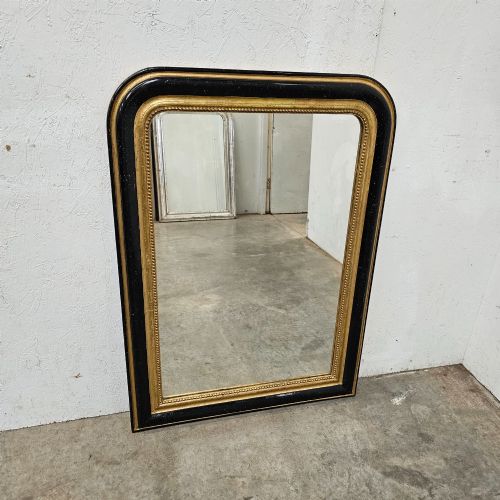
- Wood treated with a dark stain or finish to resemble ebony. This technique provides stark contrast against gilt surfaces on nineteenth-century frames.
Round Gilt Frame: Frequently Asked Questions
Where should I hang a round gilt frame?
These pieces suit living rooms, hallways, and dining spaces where they act as focal points above mantelpieces or console tables. Their reflective surfaces help brighten darker corners by bouncing natural light across the room.
Ensure the wall anchors can support the weight, particularly with larger nineteenth-century wooden and gesso models. Positioning them at eye level generally yields the best visual balance.
How do I clean a gilt surface?
Dust the frame gently with a soft, dry brush to prevent abrasive particles from scratching the delicate metallic leaf. Avoid liquid cleaners or chemical sprays, which can strip away historic gilt layers.
Clean the glass separately using a mild glass cleaner applied to a cloth rather than sprayed directly onto the mirror. This protects the surrounding frame from moisture damage.
Are convex mirrors difficult to view?
Convex mirrors do not provide a standard flat reflection; instead, they capture a wide, fish-eye perspective of the entire interior space. Viewers see a miniaturised version of the room rather than a direct portrait.
This optical distortion was originally intended to allow servants to monitor large dining rooms discreetly. Today, it serves an aesthetic purpose by adding depth and unusual spatial dynamics to modern walls.
How can I tell a Regency frame apart?
Regency round frames often feature distinct decorative elements such as applied wooden balls around the inner bezel or classical eagle crests at the top. The timber underneath is frequently heavy gessoed pine with hand-carved detailing.
Later Victorian and Edwardian revivals simplified these motifs or adopted machine-moulded composition ornament instead of deep hand-carving. Examining the backboards and joinery helps confirm the period of manufacture.