
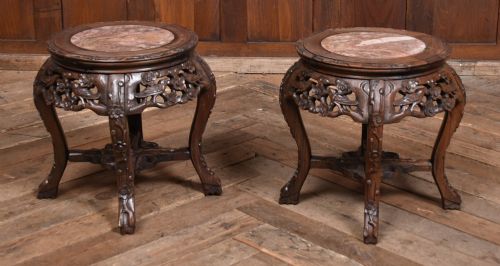

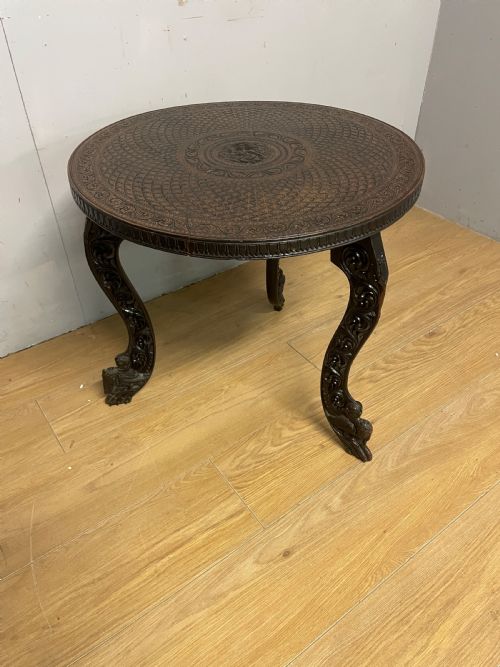


Rosewood Low Side Table
A rosewood low side table brings dense timber grain and low proportions to a room, offering a sturdy surface for lamps and daily objects.
Rosewood Low Side Table
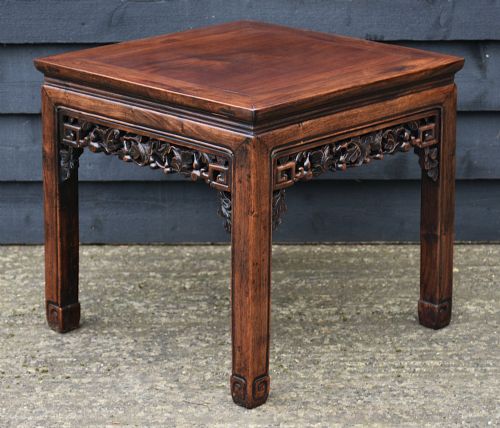
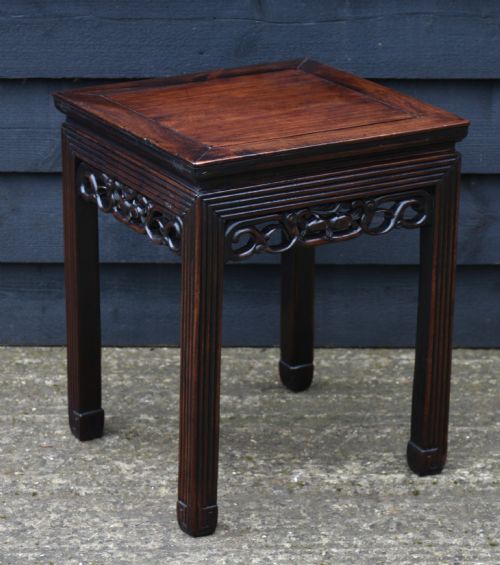
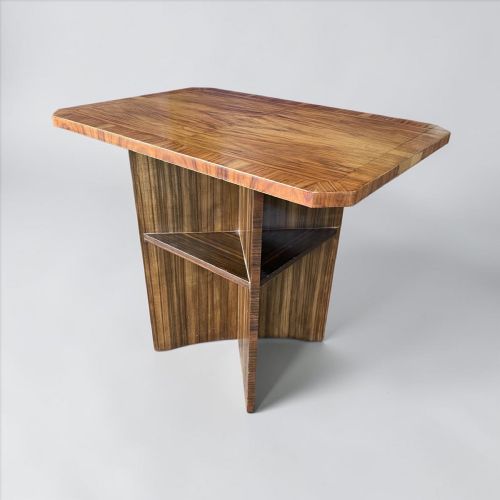
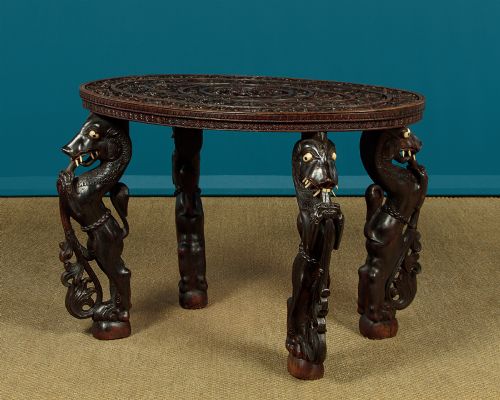
A rosewood low side table bridges various regional traditions, appearing in English Regency cabinetwork alongside Chinese export pieces and Anglo-Indian designs. Buyers hunting for a rosewood low side table will encounter square low forms, circular stands, and rectangular coffee tables originating from the nineteenth century up through the Art Deco period.
These items serve practical domestic roles as coffee tables, plant stands, and occasional surfaces, maintaining a low profile that suits modern seating arrangements. The selection spans straightforward hardwood constructions to intricately carved surfaces and inset marble or porcelain panels.
Materials and construction methods
Makers utilised dense rosewood, walnut veneer, and hardwood frames, often combining heavy timber with inset marble tops or porcelain panels for decorative contrast. Structural stability relied on traditional joinery, occasionally enhanced by brass fittings, bone inlay, or ebonised details.
Carving techniques varied by region, ranging from smooth polished surfaces on English Regency frames to deep relief work on Chinese and Anglo-Indian low tables. Cabinetmakers selected timbers based on natural grain figuring, ensuring each piece displayed distinct colour variation and polished depth.
Several low tables in the record double as opium furniture, bringing nineteenth-century lounge customs into the modern living room.
Distinguishing quality across examples
Superior execution shows in the precision of the timber joinery and the deliberate selection of figured rosewood veneer, where grain patterns align naturally across the surfaces. Finer examples display crisp, hand-carved details and secure mountings for inset marble or porcelain panels rather than superficial ornamentation.
Makers of higher-status pieces paid attention to internal framing and secondary timbers, ensuring structural longevity without sacrificing the low, balanced proportions expected of a side or coffee table.
Gillows·Majorelle
The Rosewood Low Side Table Glossary
- Rosewood
- A dense, heavy hardwood prized for its rich dark grain and high natural polish. It forms the primary structural and visual material for these low tables.
- Canterbury
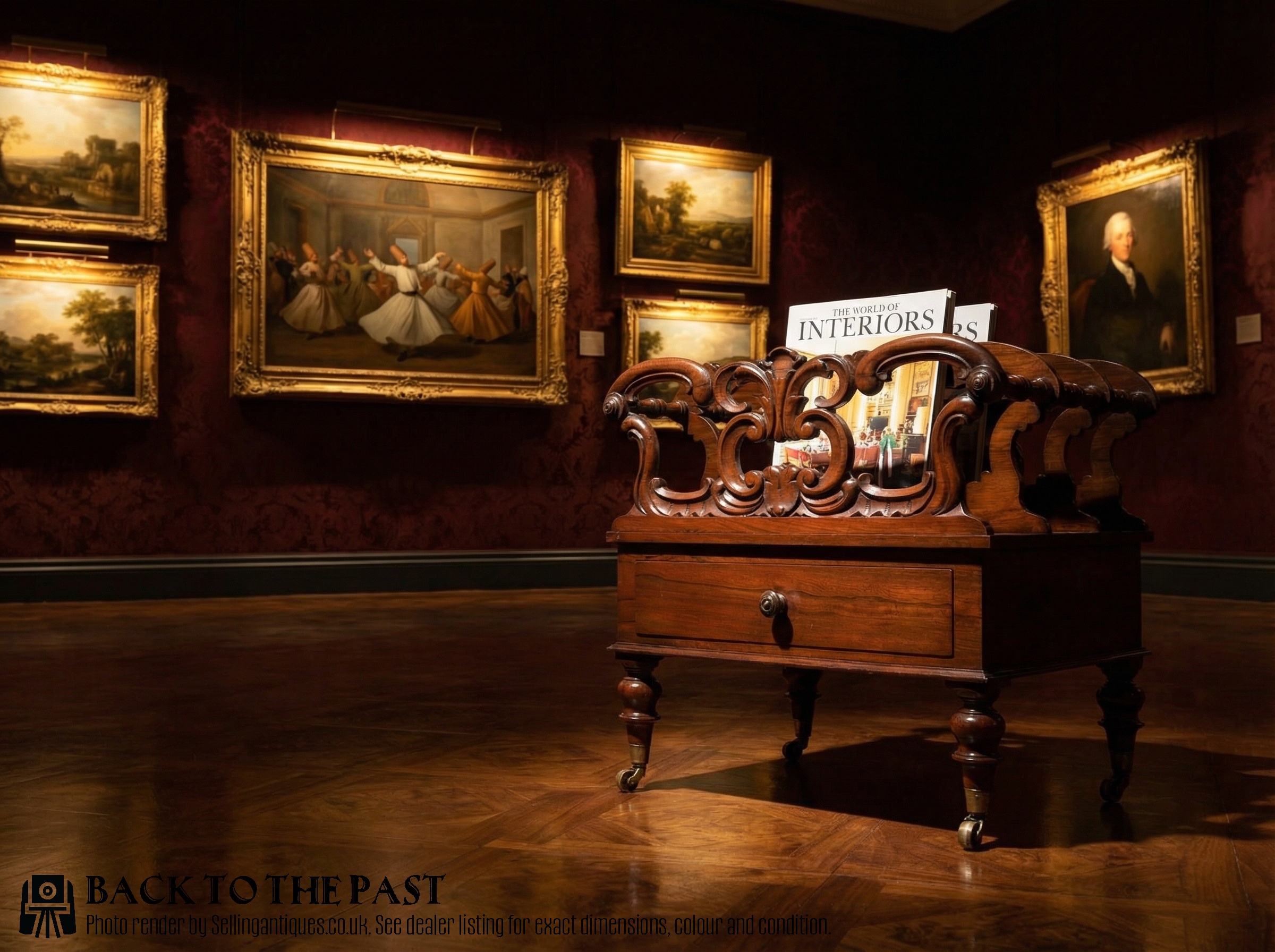
- A compartmentalised stand designed for holding newspapers, magazines, or sheet music. These pieces often feature low frames matching the dimensions of side tables.
- Regency
- An English design period spanning the early nineteenth century defined by classical restraint and refined proportions. Pieces from this era frequently employ dark figured hardwoods.
- Anglo-Indian
- Furniture made in India by local artisans using British cabinet forms combined with traditional indigenous carving techniques. These items typically feature dense hardwood construction.
- Porcelain panel
- A decorative ceramic insert fitted directly into the wooden top of a stand or low table. This technique appears frequently in Chinese export furniture.
Rosewood Low Side Table: Frequently Asked Questions
What is a rosewood low side table used for?
These tables function primarily as low coffee tables, lamp surfaces, or plant stands within a room. Their compact height makes them suitable for placing beside seating or supporting decorative objects.
Historically, similar low forms served specialised domestic roles, but today they adapt easily to modern living spaces as flexible occasional surfaces.
How do I identify a Regency period piece?
Regency items typically feature classical proportions, dark rosewood timber, and restrained decorative elements. Cabinetwork from this era often shows polished surfaces and precise joinery.
Comparing the structural framing and leg design against documented workshop styles helps confirm the period of origin.
Are Chinese and Anglo-Indian tables common?
The listings frequently include nineteenth-century Chinese low tables and Anglo-Indian carved stands alongside English furniture. These pieces reflect distinct regional carving traditions and material combinations.
They often incorporate local hardwoods, marble tops, or inset porcelain panels that differentiate them from European designs.
How should I care for rosewood furniture?
Rosewood requires stable humidity levels and protection from direct sunlight to prevent the dense timber from drying out or fading. Regular dusting with a soft cloth maintains the natural sheen of the polished surface.
Avoid placing damp items directly on the wood, especially on antique surfaces lacking modern protective finishes.