

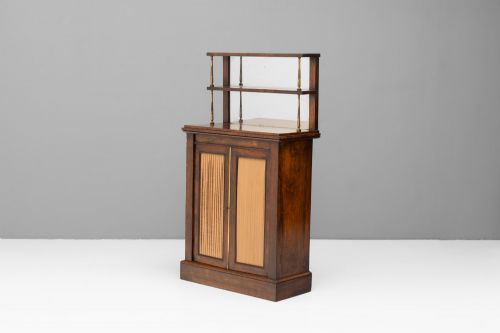
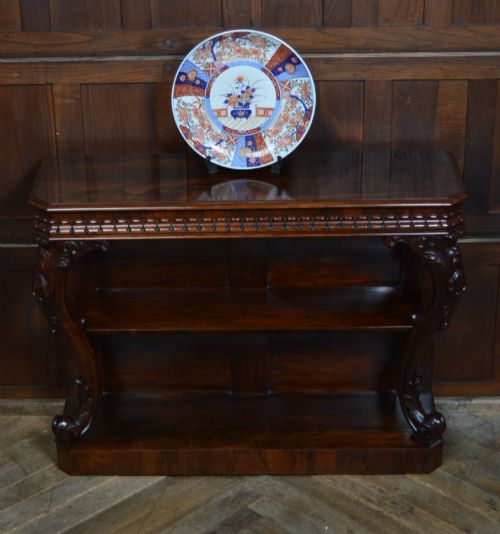


Rosewood Credenza with Shelves
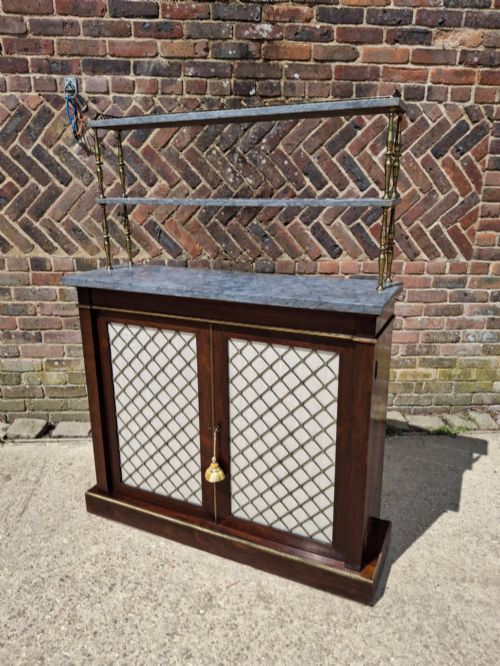
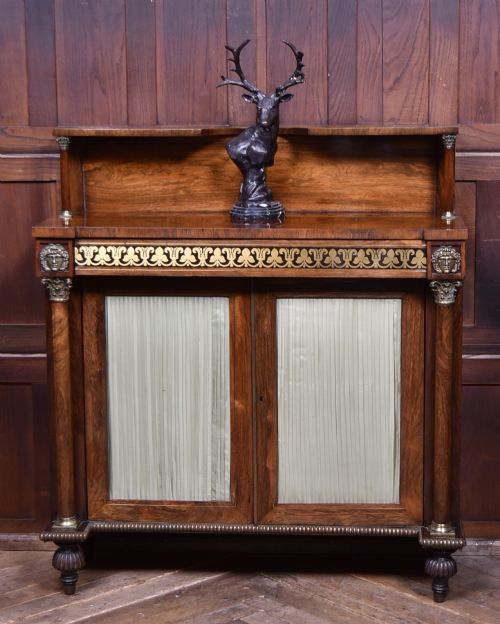
These rosewood credenza with shelves pieces are substantial timber cabinets offering enclosed storage and display space, perfect for grounding a formal living room.
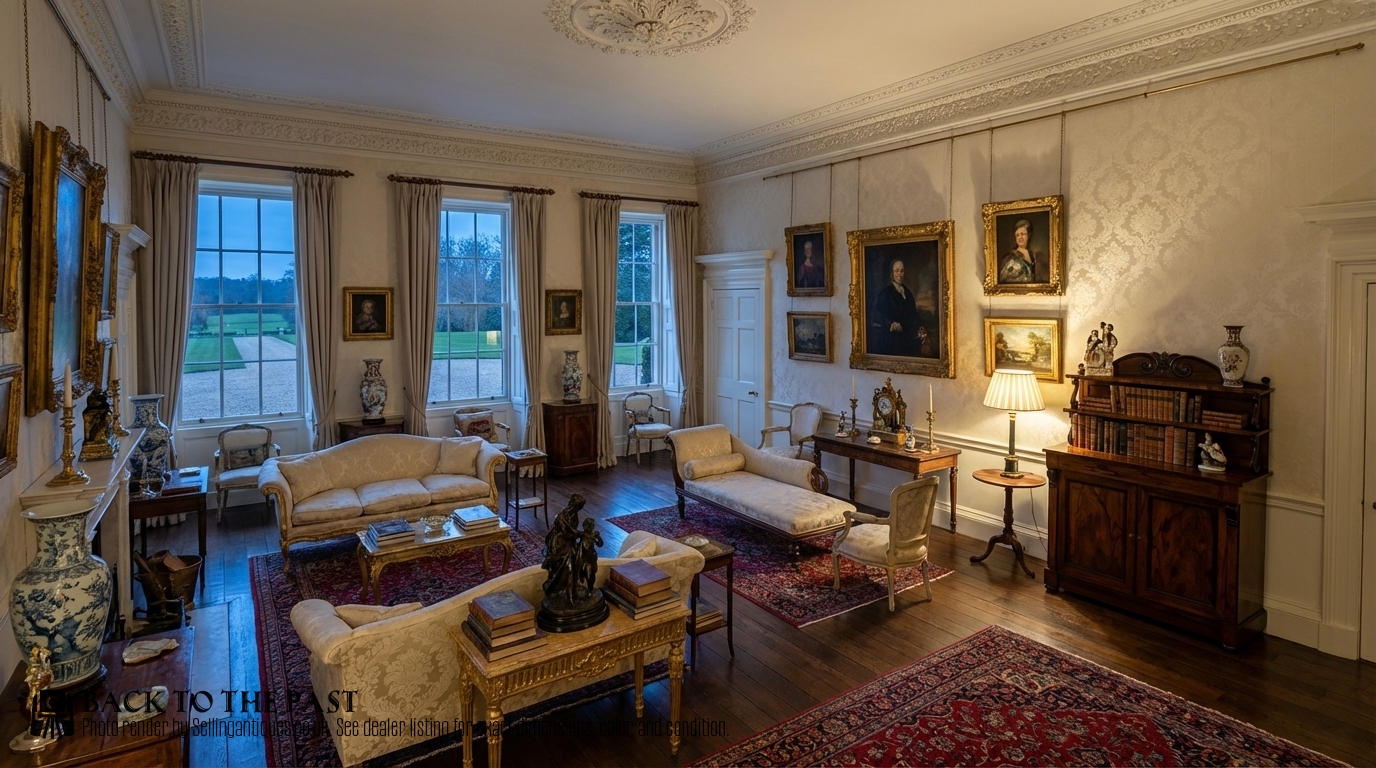
Rosewood Credenza with Shelves
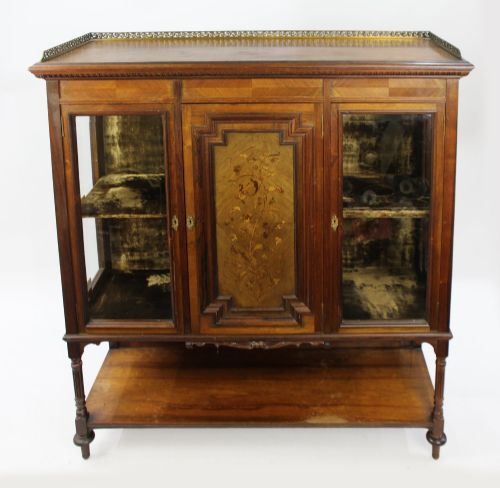
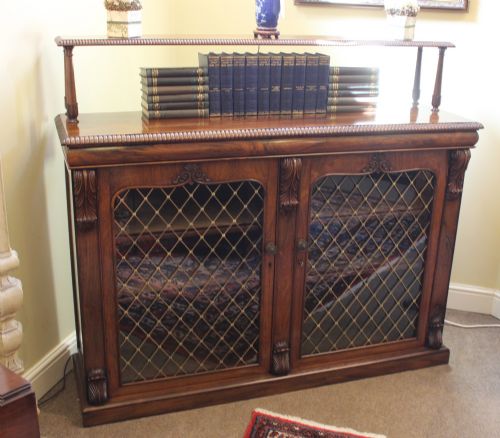
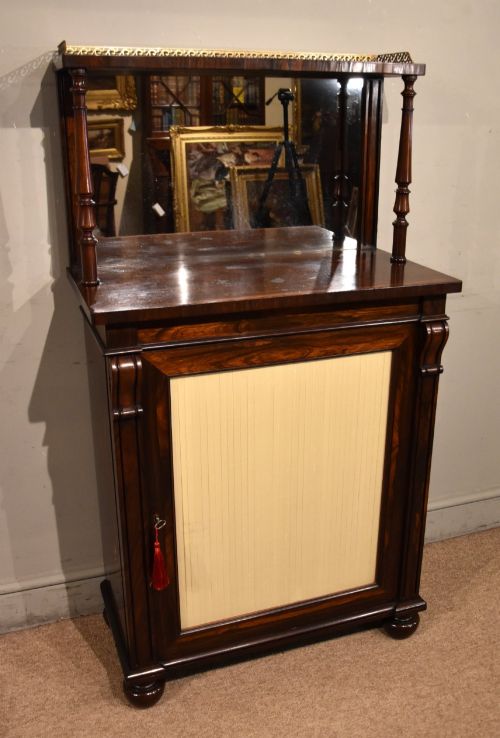
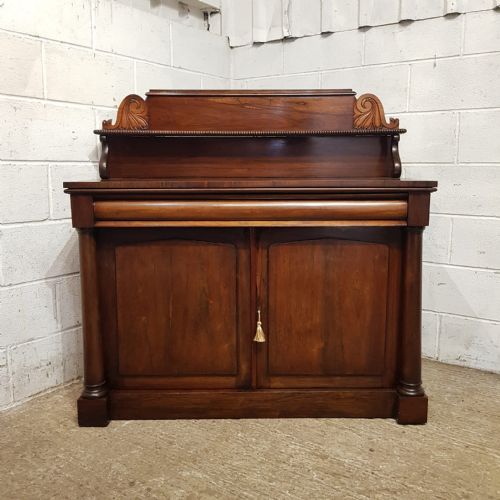
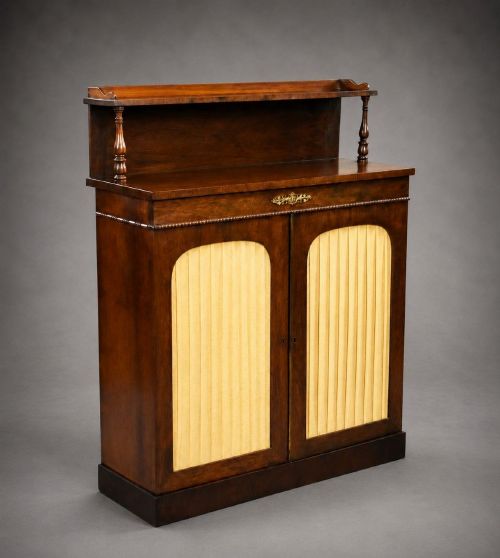
When you search for a rosewood credenza with shelves, you encounter a selection of side cabinets, chiffoniers, and bookcases dating from the Regency, Victorian, and Georgian periods. These forms primarily serve as sophisticated storage solutions for the home, combining lower cabinet doors with upper display shelving or vitrine tops.
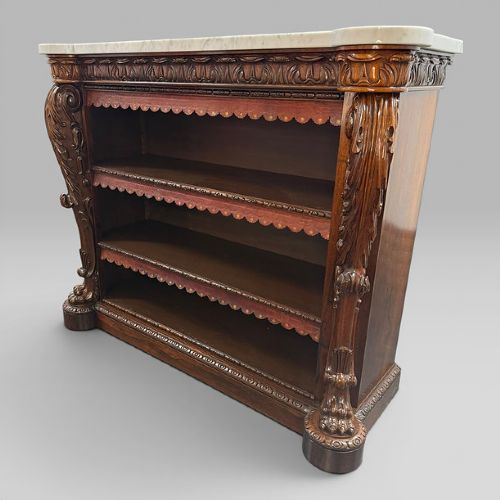
The pieces appearing on this page span the early nineteenth century through the late nineteenth century, including specific styles like Grand Regency and Louis XV Revival. You will find items featuring marble tops, brass inlays, and open bookcases alongside traditional enclosed chiffoniers.
Makers and workshops from these eras utilised rich rosewood timbers, frequently incorporating simulated finishes or boxwood details. The resulting furniture balances utilitarian storage with the decorative elegance characteristic of nineteenth-century cabinet making.
How They Were Made
Cabinet makers constructed these pieces using solid wood frameworks veneered with figured rosewood to achieve rich surface grain patterns. Artisans incorporated brass inlays, parcel gilt accents, and boxwood details directly into the timber surfaces to elevate the visual design.
Interiors and upper sections frequently integrate specialised elements such as mirror glass backing, silk panels, fabric linings, and glass shelving within vitrine tops. Heavy marble slabs serve as durable, polished top surfaces on specific nineteenth-century variants.
Rosewood Credenza with Shelves Retail Price Guide 2026
Typical asking prices for rosewood credenza with shelves among the pieces listed under this phrase on Sellingantiques today, from the lower quarter to the upper quarter. They describe what is for sale here now, not the wider market.
Some nineteenth-century cabinets include leather dummy books on their shelves, offering the appearance of a loaded library while concealing empty space.
What Varies in Quality
The refinement of decorative marquetry, brass inlay work, and parcel gilt detailing separates standard production from superior cabinet making. Master craftsmen achieved crisper joins and more harmonious proportions across the breakfront and side cabinet forms.
The selection of timber grain and the quality of secondary materials, such as heavy marble tops or specialist mirror glass, dictate the standing of an individual piece. Superior examples exhibit deliberate integration of functional shelving with balanced architectural facades.
John McLean
The Rosewood Credenza with Shelves Glossary
- Chiffonier
- A low cabinet originating in the nineteenth century, typically featuring enclosed lower doors beneath open shelves or a superstructure. This form evolved from sideboards to provide compact storage in principal rooms.
- Vitrine
- A glass-fronted display cabinet designed to showcase porcelain, books, or decorative objects. These units often form the upper section of late nineteenth-century bookcases.
- Breakfront
- A piece of furniture featuring a central section that projects forward from the flanking wings. This architectural arrangement creates depth and visual rhythm across large side cabinets.
- Parcel Gilt
- A decorative technique where specific carved details or mouldings receive a partial application of gold leaf. This method highlights particular elements against the dark rosewood timber.
- Simulated Rosewood
- A painted timber finish executed to imitate the distinct grain and rich colour of genuine rosewood. Cabinet makers utilised this method during periods when exotic hardwoods were scarce.
Rosewood Credenza with Shelves: Frequently Asked Questions
What is a rosewood chiffonier?
A rosewood chiffonier is a low nineteenth-century cabinet featuring enclosed lower storage and upper shelving designed for display.
These pieces typically function as side cabinets in reception rooms or living spaces.
How do I date a Regency cabinet?
Regency cabinets date from the early nineteenth century, identified by classical proportions, brass inlay, and dark timber veneers.
Cabinet makers of this era drew inspiration from classical antiquity, reflecting refined architectural lines.
Where were these cabinets used?
These cabinets served primarily in formal living rooms, dining spaces, and libraries to store books, silver, and ceramics.
The upper shelves and glass vitrine tops provided prominent display areas for valued possessions.
What is simulated rosewood?
Simulated rosewood is a painted wood surface created to mimic the natural grain patterns of genuine tropical rosewood timber.
Craftsmen applied this technique to alternative woods during the nineteenth century to achieve a luxurious appearance.