
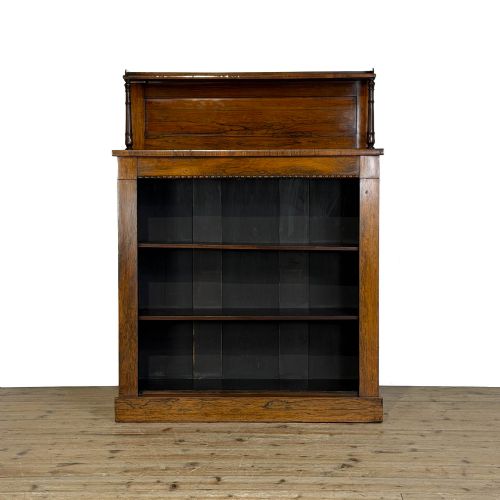
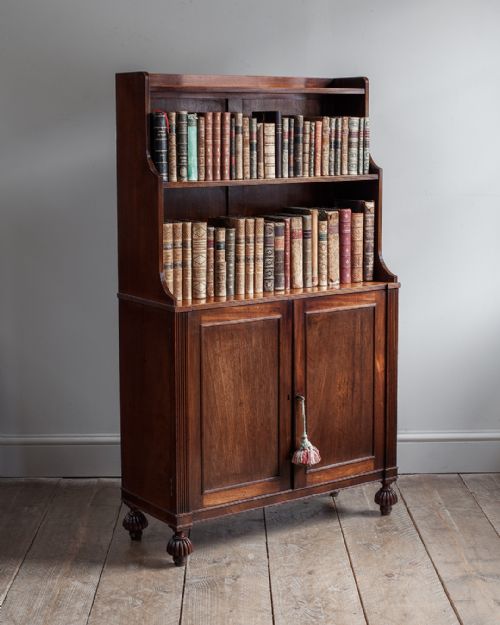
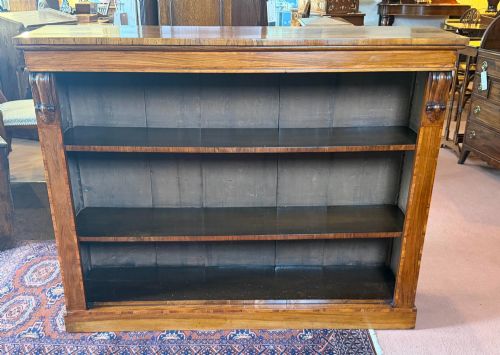
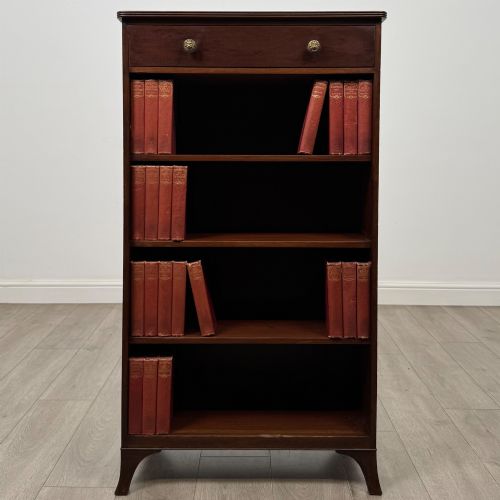

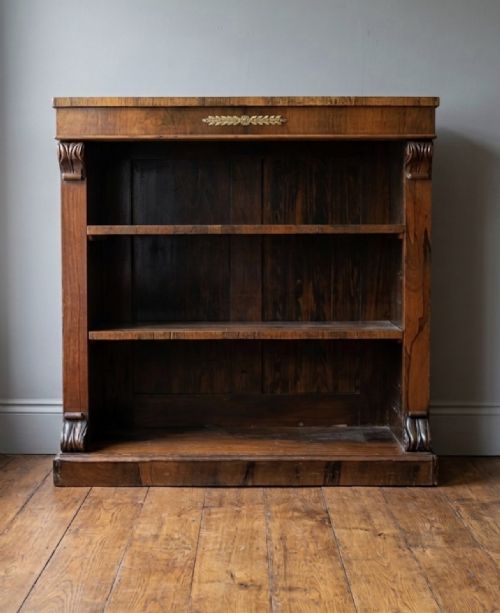

Regency Open Shelf Cabinet
A regency open shelf cabinet provides accessible display and storage, bringing refined timber grain and proportion to a room.

Regency Open Shelf Cabinet
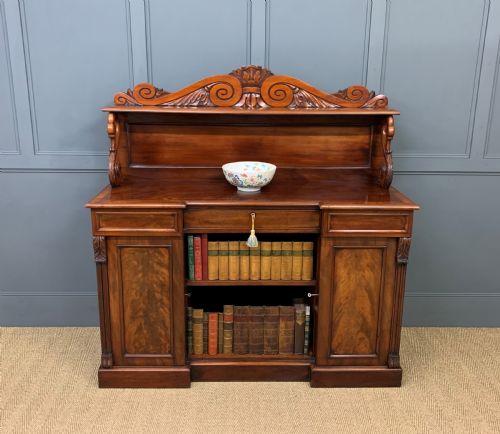
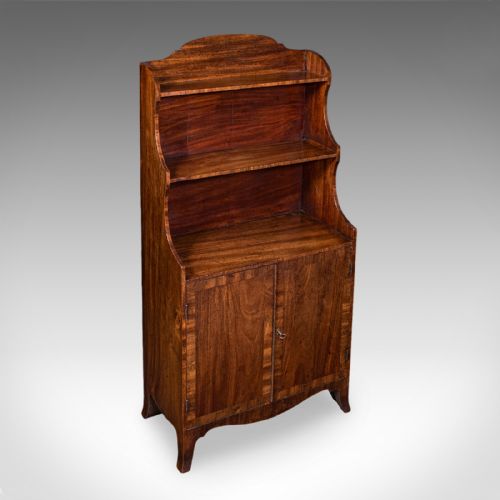
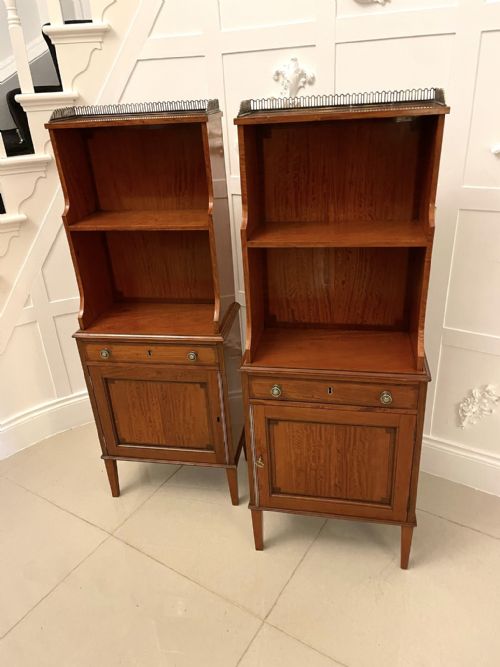
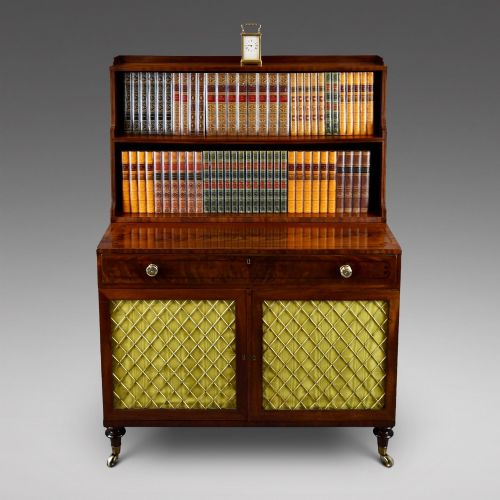
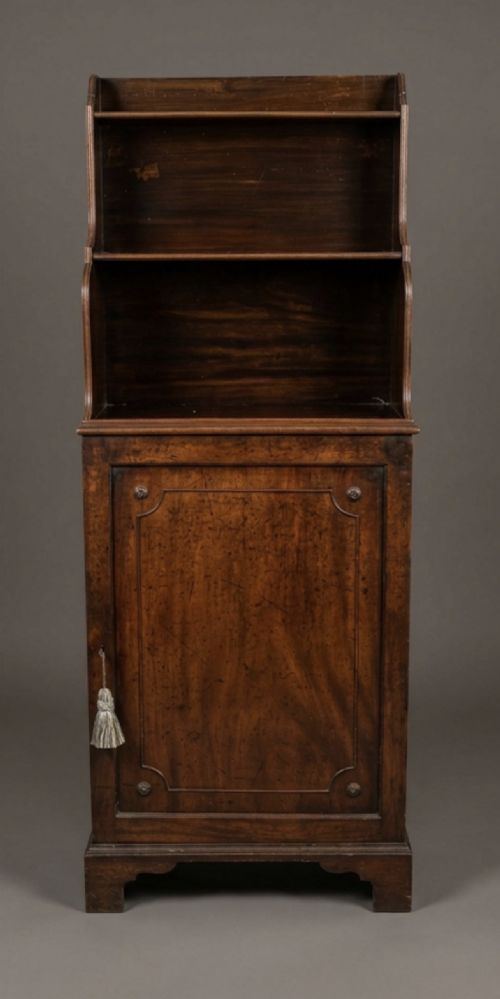
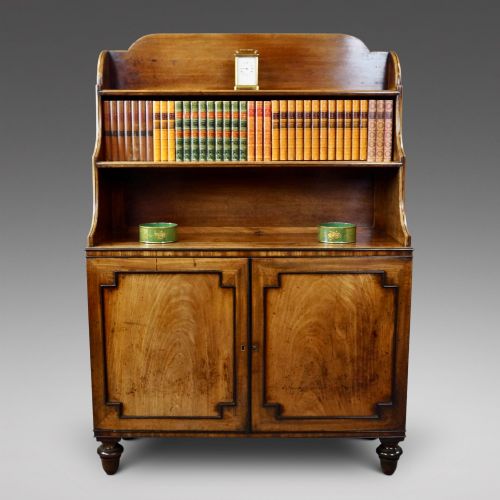
A regency open shelf cabinet typically combines open book storage with lower cupboards or drawers, appearing in forms such as waterfall bookcases and chiffonier bookcases. These pieces originate predominantly from the nineteenth century, including the Georgian, Regency, and William IV periods.
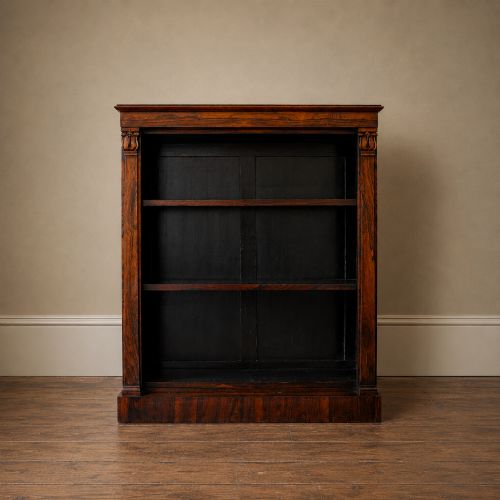
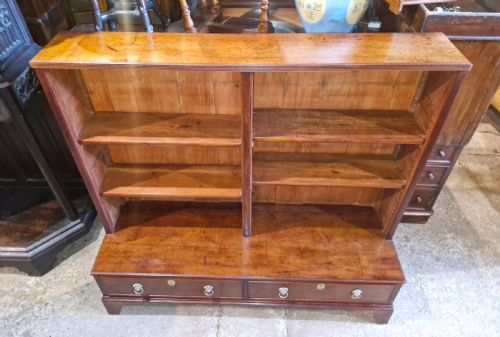
The layout emphasises vertical tiered shelving or low horizontal proportions, designed for displaying books and decorative objects in principal rooms. Variations span dwarf bookcases, breakfront formats, and freestanding display shelves.
Makers utilised architectural lines, stepped shelves, and tiered profiles to create functional furniture for domestic libraries and drawing rooms. Later examples from the twentieth century continue these traditional styles and proportions.
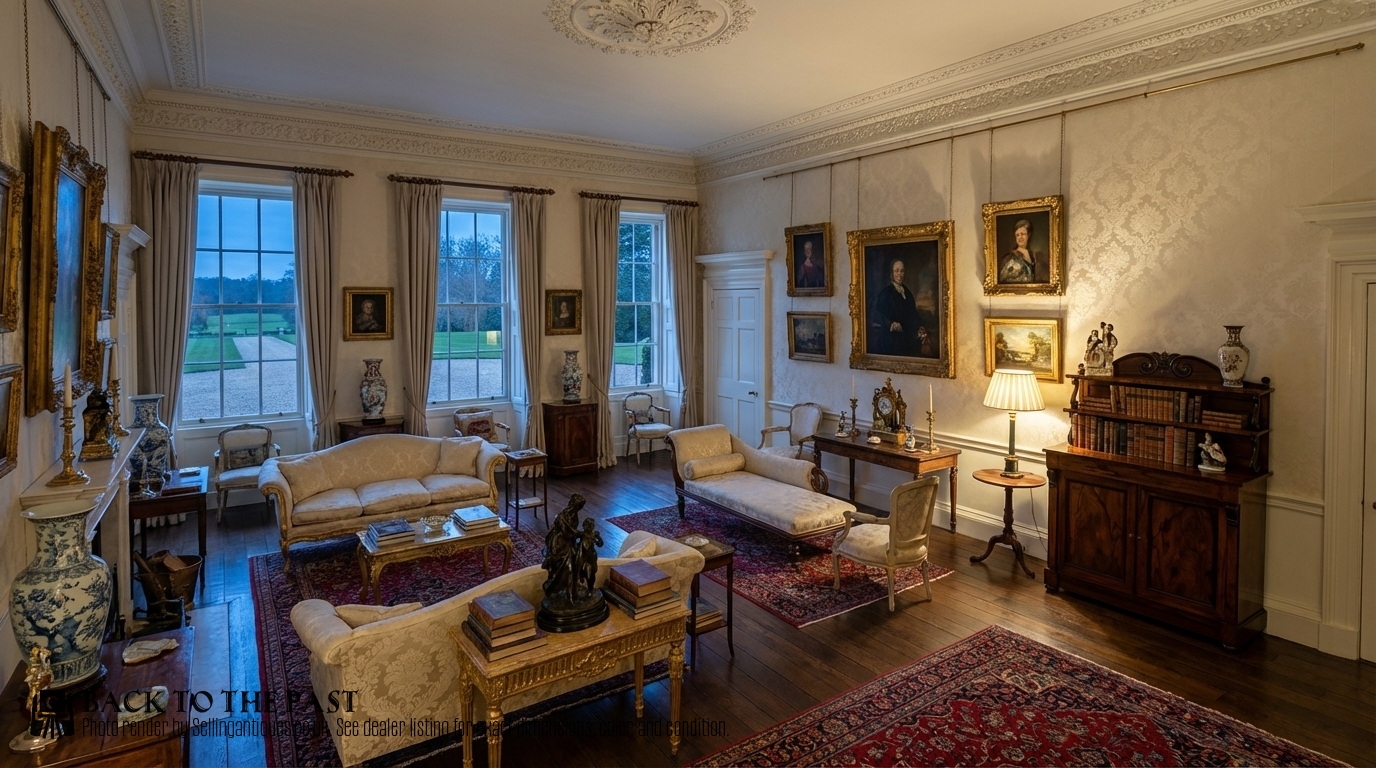
Assessing quality in construction and timber selection
Superior examples distinguish themselves through the choice of beautifully figured timbers like flame mahogany or rosewood, matched carefully across the front surfaces and shelves.
Fine craftsmanship is evident in the precision of the joinery, the subtlety of brass inlay work, and the integration of adjustable shelving mechanisms that operate smoothly within the cabinet structure.
Listings feature nineteen-century pieces alongside twentieth-century revivals, constructed in rosewood, mahogany, satinwood, and oak.
Gillows
The Regency Open Shelf Cabinet Glossary
- Waterfall bookcase
- A tiered set of open shelves descending in steps from top to bottom. This form gained popularity during the Regency and Georgian periods for displaying books.
- Breakfront
- A cabinet design where the central section projects forward from the flanking wings. This configuration adds architectural depth to large bookcases.
- Chiffonier
- A low cabinet, frequently fitted with shelves above or enclosed cupboards below. The form developed in the early nineteenth century for drawing room storage.
- Crossbanding
- A border of veneer laid perpendicular to the grain of the main surface. Cabinet makers used this technique to frame shelves and drawer fronts.
- Ormolu
- Gilded bronze mounts applied as decorative ornaments on furniture. These mounts appear on select nineteenth-century pieces.
Regency Open Shelf Cabinet: Frequently Asked Questions
What is a regency open shelf cabinet used for?
These cabinets serve primarily for displaying books, ceramics, and decorative objects while offering supplementary enclosed storage in the lower section.
Their open shelving allows for easy access and visual lightness in a sitting room or study.
How do I identify a Regency period piece?
Look for characteristic timber choices such as mahogany and rosewood, alongside classical architectural proportions and restrained brass inlay.
Construction details and secondary woods inside the cabinet also help confirm the nineteenth-century origin.
Where should I place a waterfall bookcase?
A waterfall bookcase suits placement against a flat living room wall or within a traditional study where its stepped shelves can be appreciated.
Keep the piece away from direct heat sources to protect the delicate rosewood or mahogany veneers from drying out.
Are the shelves adjustable?
Many examples from the nineteenth century feature adjustable shelving supported by wooden bearers or brass tracks.
This adaptability allows the cabinet to accommodate volumes of varying heights.