
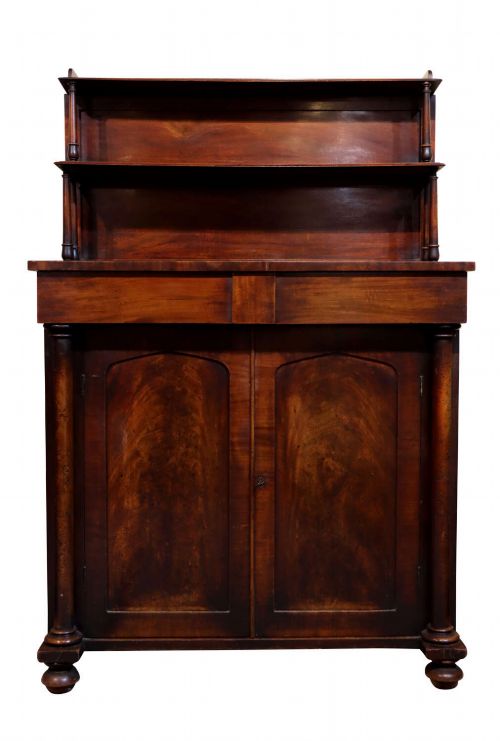
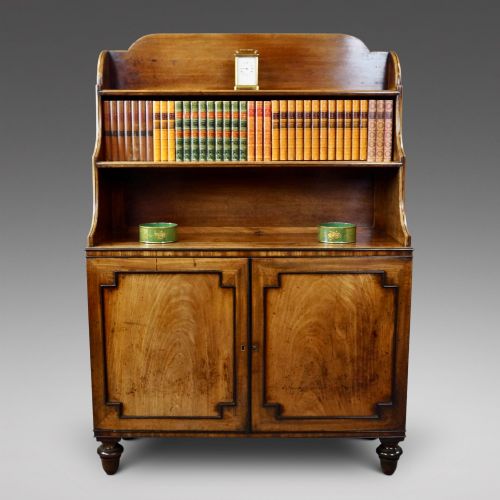


Regency Chiffonier with Shelves
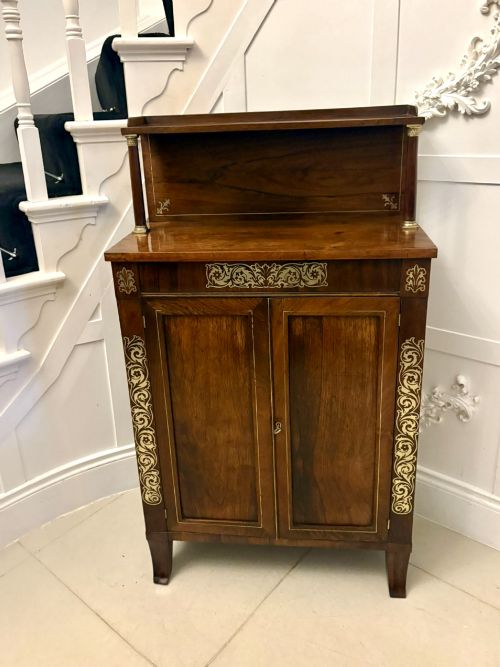
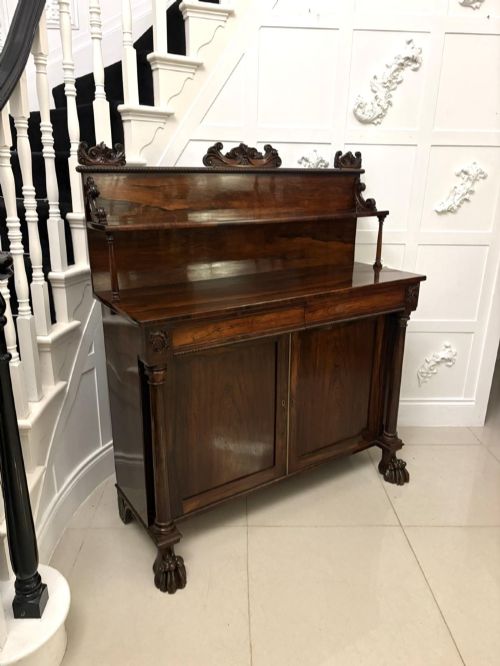
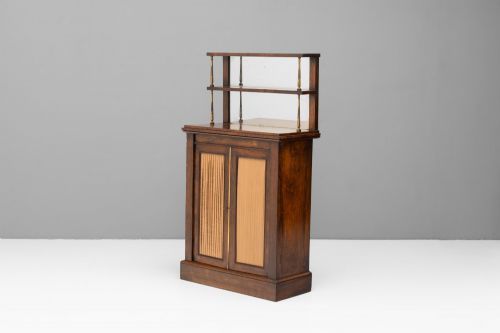
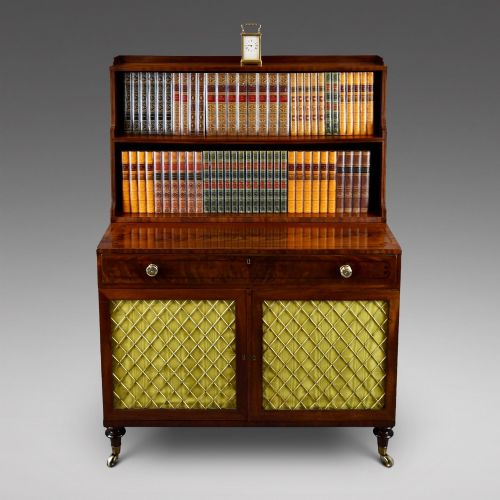
A regency chiffonier with shelves brings compact elegance to a room, offering a lower cabinet paired with useful upper tiers for display.
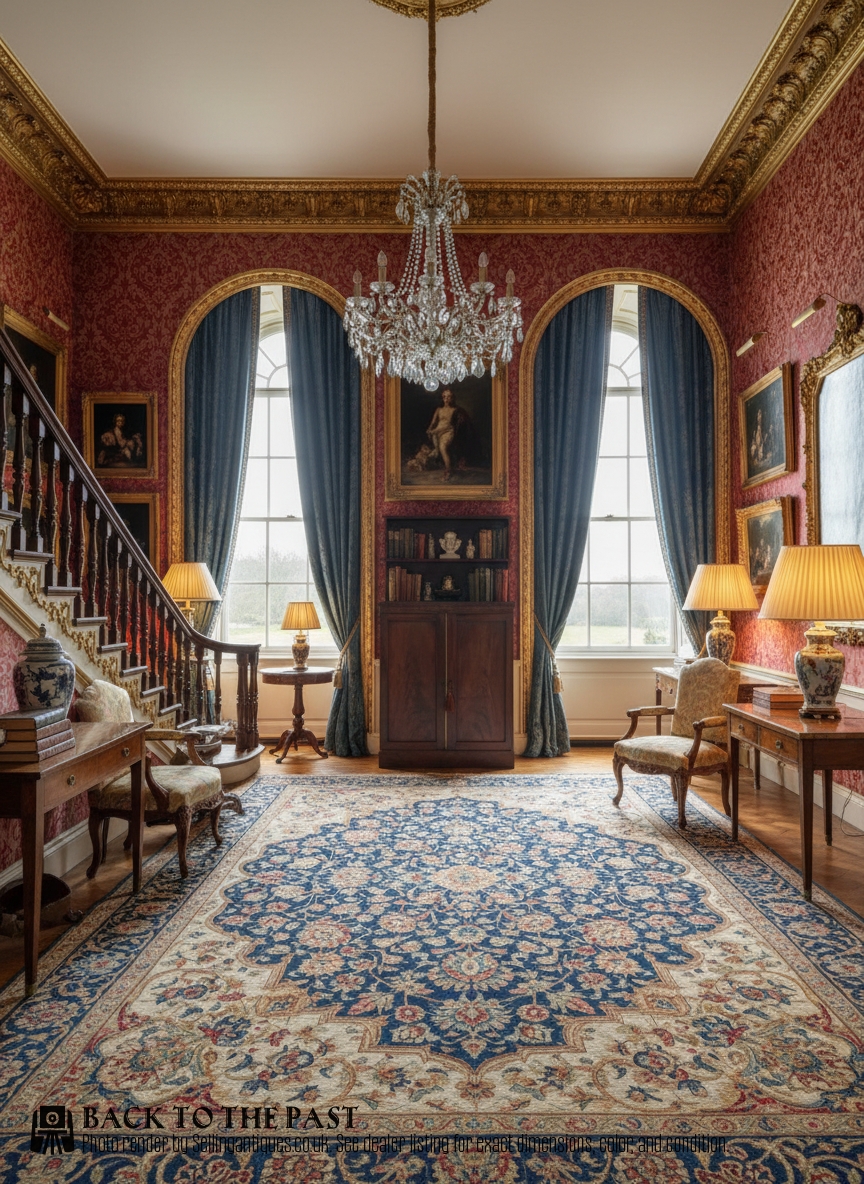
Regency Chiffonier with Shelves
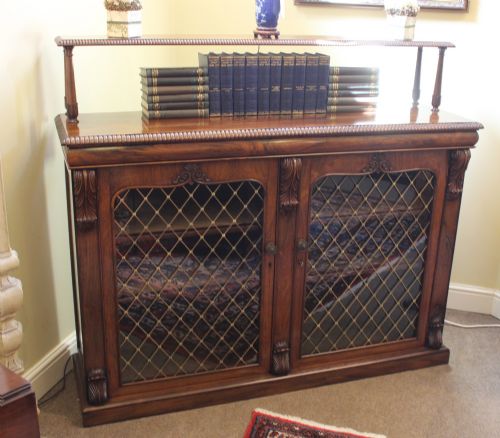
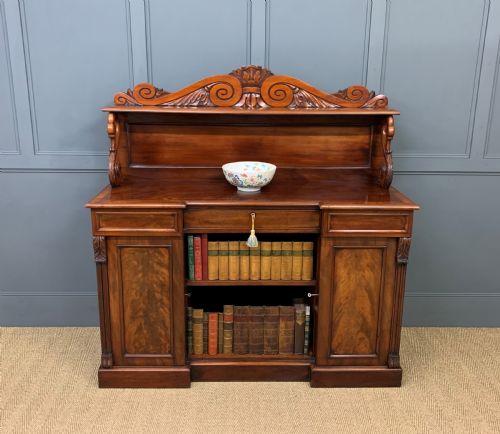
A regency chiffonier with shelves is a sophisticated storage piece that combines a secure cupboard base with open display shelving above, originating during the late Georgian and Regency periods. These compact cabinets served various domestic functions, acting as sideboards, small bookcases, or display stands in formal reception rooms.
The versions most commonly met on this page span the Regency, George IV, and William IV eras, often constructed in rich timbers with characteristic architectural proportions. Makers of the period designed these cabinets to be neat in scale, fitting neatly against walls while providing dual display and storage options.
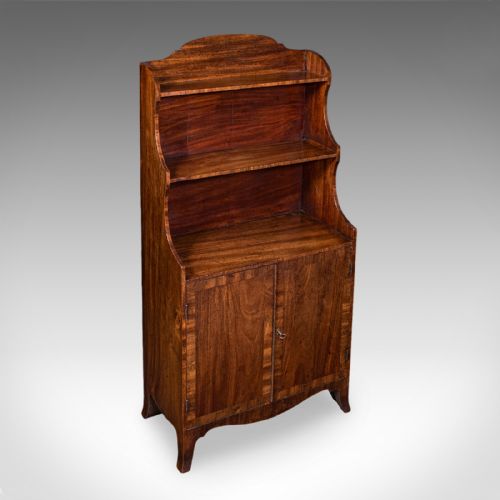
Object types closely related to these pieces include side cabinets, sideboards, and waterfall bookcases, reflecting the flexible nomenclature used by period cabinet makers. Buyers frequently encounter examples featuring either solid timber construction or decorative veneered surfaces.
Materials and construction methods
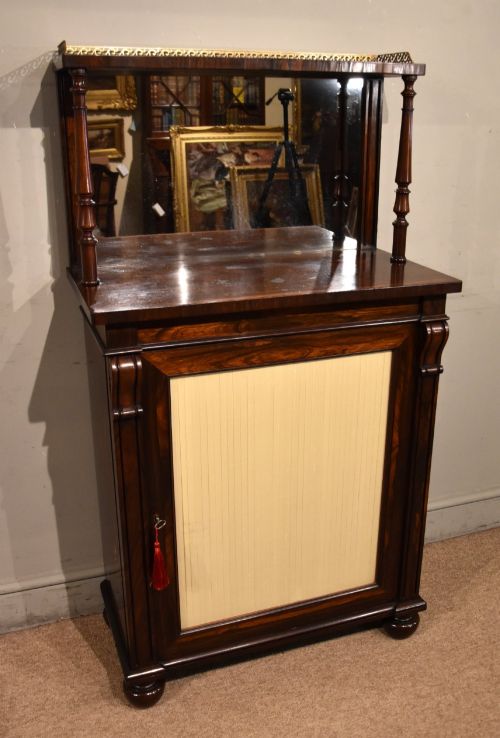
Cabinet makers utilised dense hardwoods such as mahogany, flame mahogany veneer, and rosewood to form the primary structure of these pieces. These timbers were selected for their deep natural grain and ability to take a fine polished finish.
Decorative detailing often involved contrasting inlay work using materials like boxwood and brass, set flush into the timber surfaces to outline panels and shelves. Structural elements were further enhanced through the integration of marble tops and glass panels where appropriate.
Some nineteenth-century makers included hidden writing drawers, proving that even a small chiffonier enjoyed keeping secrets.
Markers of distinction and build
The distinction between standard examples and finer pieces lies in the selection of timber veneers and the precision of decorative inlays. Superior cabinets display carefully matched flame mahogany or rich rosewood grain across the entire frontage.
John McLean
The Regency Chiffonier with Shelves Glossary
- Chiffonier
- A low cabinet with a cupboard base, frequently surmounted by shelves. This form evolved during the early nineteenth century to meet changing domestic storage needs.
- Flame mahogany veneer
- A thin slice of mahogany timber displaying a distinctive swirling, flame-like grain pattern. Cabinet makers applied this to prominent surfaces for visual impact.
- Brass inlay
- Metal strips or motifs embedded flush into the wood surface. It is typical of fine Regency furniture decoration.
- Breakfront
- A cabinet design where the central section projects forward from the flanking sides. This creates depth and architectural presence.
- Waterfall bookcase
- A tiered set of open shelves where each successive shelf is wider and deeper than the one above it. They appeared during the nineteenth century alongside traditional chiffoniers.
Regency Chiffonier with Shelves: Frequently Asked Questions
What is the difference between a chiffonier and a sideboard?
A chiffonier is typically smaller in scale and includes an enclosed cupboard base with shelves superstructure, whereas a traditional sideboard is longer and designed primarily for dining room service.
While both share common period origins, the chiffonier functions more as a versatile living room or parlour cabinet.
Were the shelves always attached to the cabinet?
Most period chiffoniers feature integrated upper shelves supported by scrolled uprights or slender columns forming a unified structure.
Some variations present a distinct two-tier or waterfall shelf back designed specifically for displaying small ceramics and books.
How do I identify a Regency period piece?
Regency furniture is characterised by classical restraint, symmetrical proportions, and inspiration drawn from ancient Roman and Greek design. Look for architectural cornices, restrained brass mounts, and dark polished hardwoods.
Pieces from this era often display neat dimensions and exceptional attention to timber selection, such as figured mahogany or rosewood.
Can these cabinets be used in modern rooms?
Their compact proportions make these cabinets ideal for modern living spaces, providing practical surface area and enclosed storage without dominating a room.
The upper shelves offer a suitable place for displaying decorative objects while the lower cupboard conceals everyday items.