



Rose Wool Carpet
A rose wool carpet brings warmth through floral motifs and traditional weaves across multiple historical periods.
Rose Wool Carpet
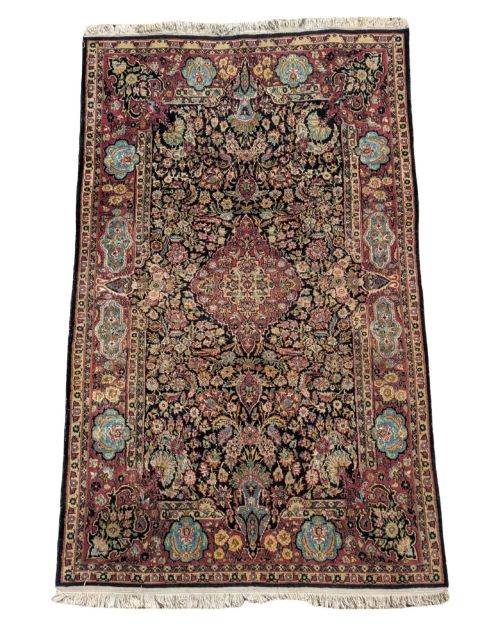
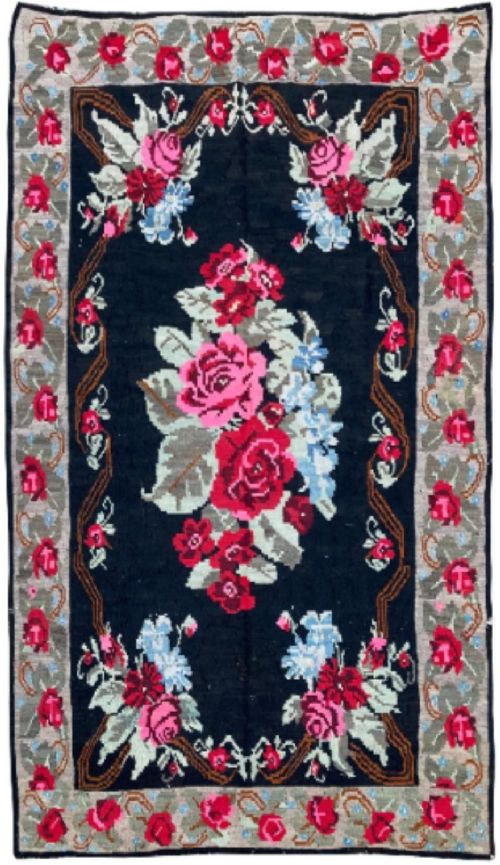
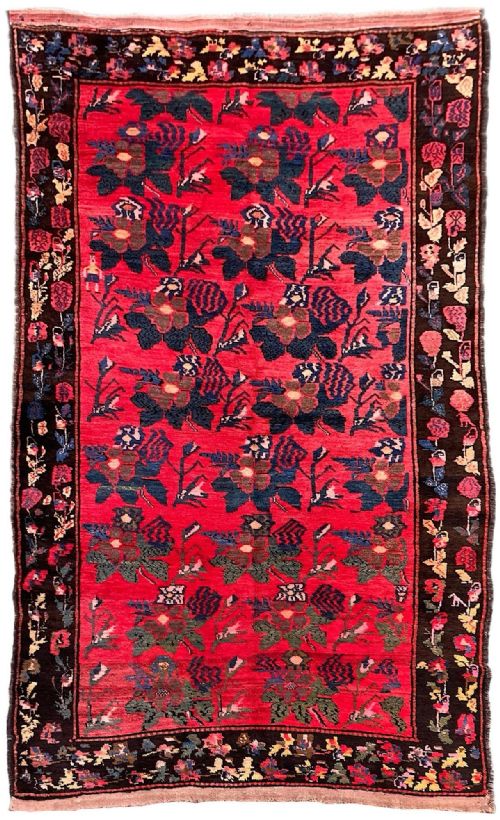
When you search for a rose wool carpet, you encounter floor coverings that span from the mid-nineteenth century through to the 1930s. These pieces incorporate floral designs, notably rose motifs, executed within various regional weaving traditions.
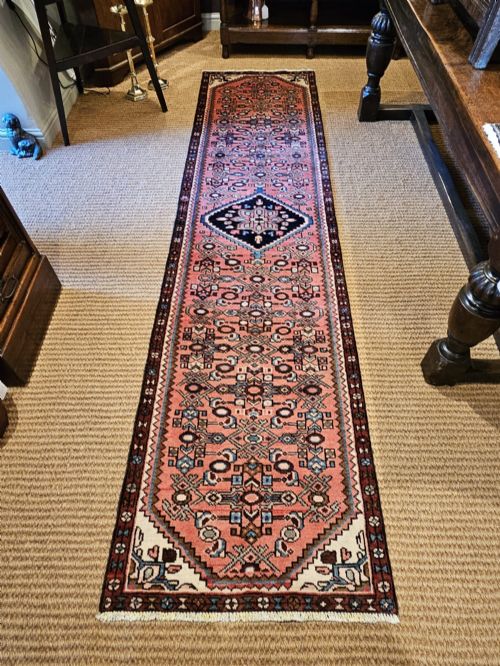
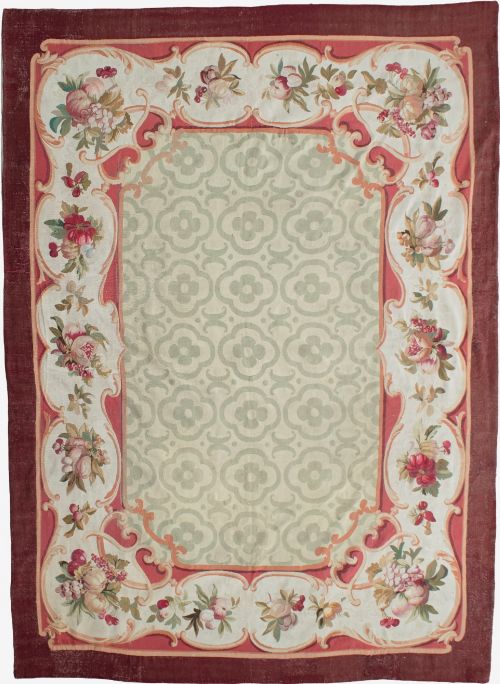
The selection includes rugs, runner rugs, area rugs, and kilim rugs originating from diverse styles such as Bessarabian, Caucasian, Persian, and Ottoman Oushak. French Aubusson carpets also appear among the offerings.
You are most likely to meet vintage Bessarabian kilims and Persian Sarouk rugs on this page, alongside Turkish Oushak and Caucasian Karabagh pieces. These items serve as functional floor coverings that introduce distinct historical character to a room.
Construction and materials
The pieces on this page rely primarily on wool as the foundational material, frequently combined with cotton foundations and occasional silk highlights. Weavers utilised these natural fibres to achieve durable piles and flatweave structures.
Construction methods vary between knotted pile carpets and flatwoven kilims, depending on the regional workshop tradition. Artisans dyed yarns to produce specific ground colours, including pink and other floral tones characteristic of nineteenth and early twentieth-century production.
Rose Wool Carpet Retail Price Guide 2026
Typical asking prices for rose wool carpet among the pieces listed under this phrase on Sellingantiques today, from the lower quarter to the upper quarter. They describe what is for sale here now, not the wider market.
Listings feature wool, cotton, and silk materials spanning from the mid-nineteenth century through the 1930s.
Assessing quality in historical carpets
Quality in these textiles depends upon the precision of the weave and the clarity of the design implementation. Finer knot densities or tighter flatweave structures allow intricate floral patterns, such as French-inspired rose designs, to retain distinct outlines.
The integrity of the natural materials also dictates the standard of a piece. Well-preserved wool and cotton foundations maintain structural stability, while carefully managed colour palettes ensure the floral motifs remain visually balanced across the surface.
The Rose Wool Carpet Glossary
- Kilim
- A flatwoven carpet or rug produced without a pile. These pieces are constructed by tightly interweaving warp and weft threads.
- Pile
- The upright yarn loops or tufts that form the soft surface of a carpet. This texture is achieved through various knotting techniques.
- Warp
- The vertical threads stretched on a loom that form the structural foundation of a woven carpet. Weft threads are passed through these yarns.
- Weft
- The horizontal threads passed back and forth through the warp yarns to hold the woven structure together. They are beaten down firmly during construction.
- Ground
- The main background area of a carpet design, upon which primary motifs like floral arrangements or medallions are displayed.
Rose Wool Carpet: Frequently Asked Questions
How do I clean a vintage wool rug?
Maintenance requires gentle vacuuming without a rotating brush to protect the natural fibres and weave structure. Professional specialist cleaning is recommended for deep maintenance.
Harsh chemical treatments and excessive moisture can damage wool piles and cotton foundations. Immediate attention to spills prevents staining while preserving historical materials.
Where were these historical carpets made?
The pieces originate from diverse international weaving centres including Persia, Turkey, the Caucasus, and Eastern Europe. Each region developed distinct structural methods and decorative vocabularies.
Workshop traditions in locations such as Ushak, Tabriz, and Bessarabia influenced the specific materials and floral motifs found in these historical floor coverings.
Can I place these rugs in high traffic areas?
Durable wool construction allows many of these carpets to withstand regular foot traffic in domestic settings. Placing a quality underlay beneath the rug reduces friction and physical wear.
Fragile flatweaves or pieces with silk highlights benefit from placement in lower traffic zones to preserve their structural integrity over time.
How do I determine the age of a carpet?
Dating relies on stylistic analysis, structural characteristics, and material composition recorded across nineteenth and twentieth-century production periods. Specific dye colours and regional motifs often point to a particular era.
Comparing construction techniques with documented examples from periods such as the 1920s or the 19th century helps establish an approximate timeframe of creation.