

Roman Numeral Dial
When you search for a roman numeral dial, you seek a traditional face featuring classic figures that unites clocks and pocket watches across multiple centuries.
Roman Numeral Dial
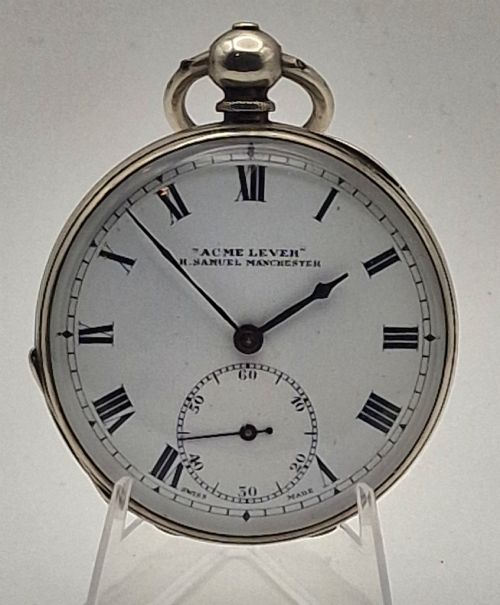
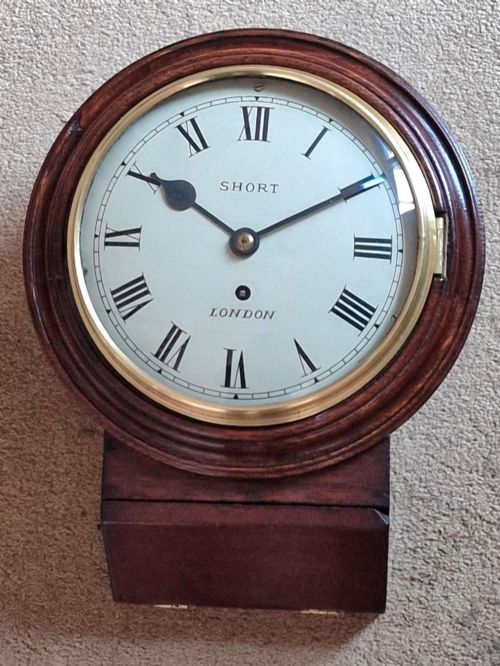
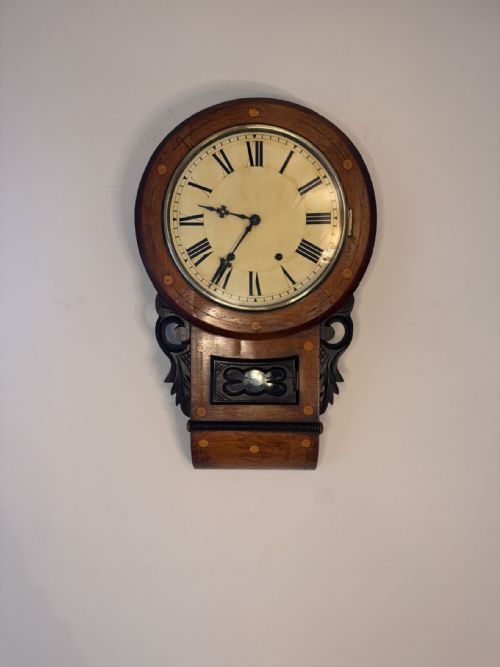
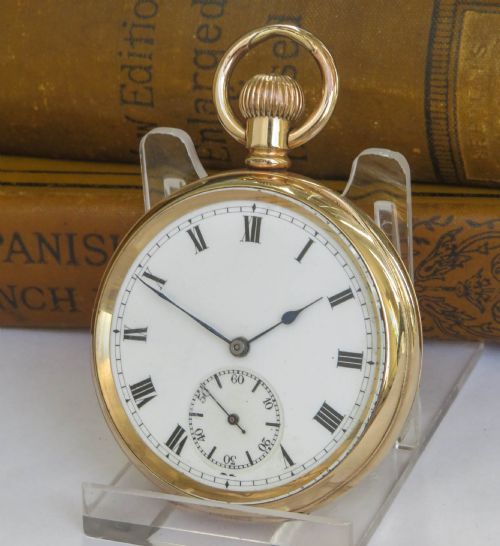
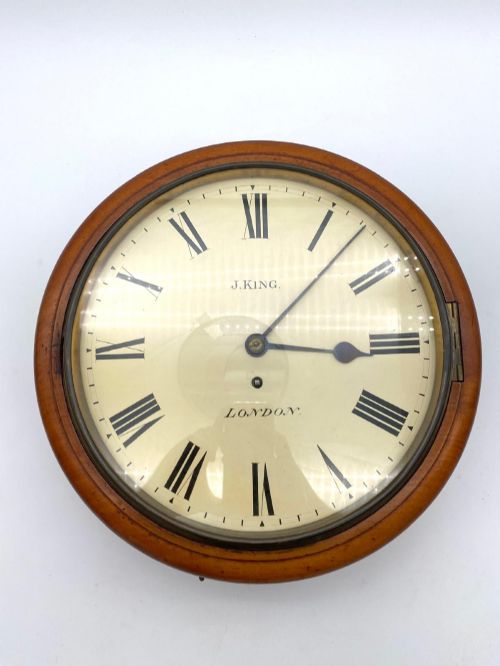
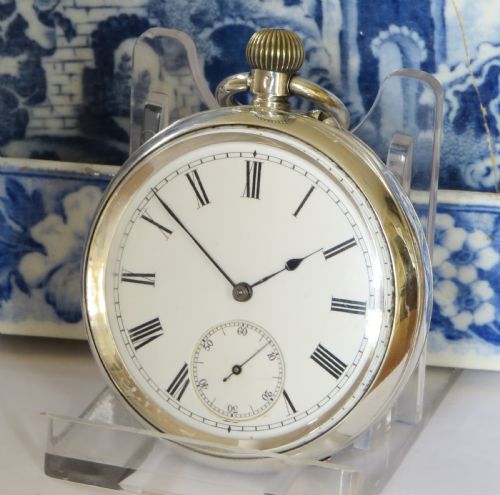
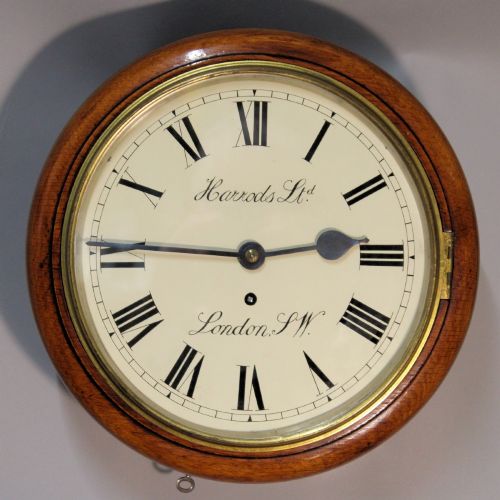
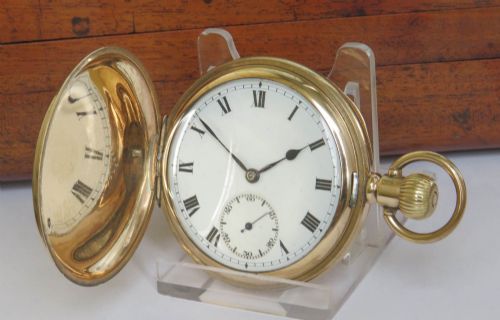
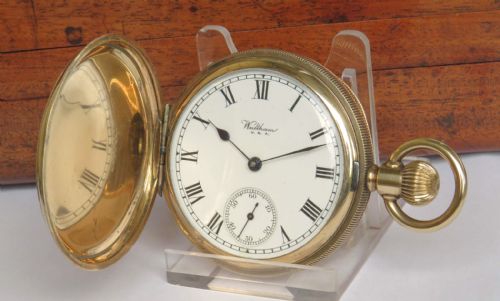
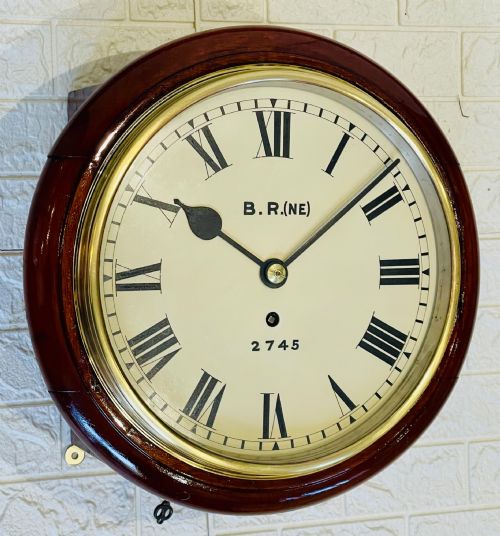
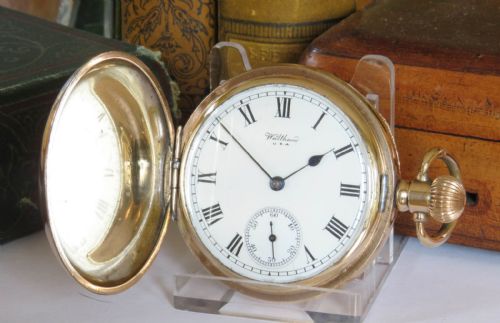
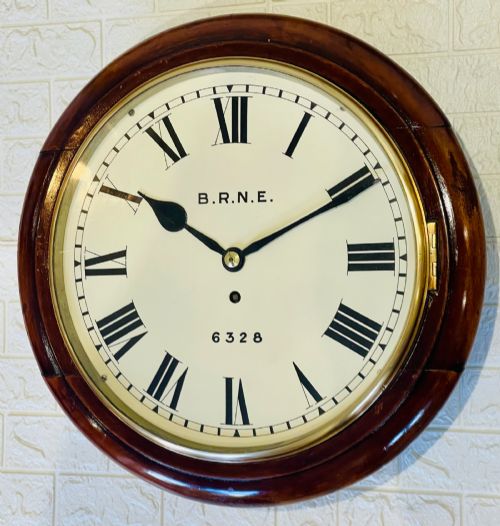
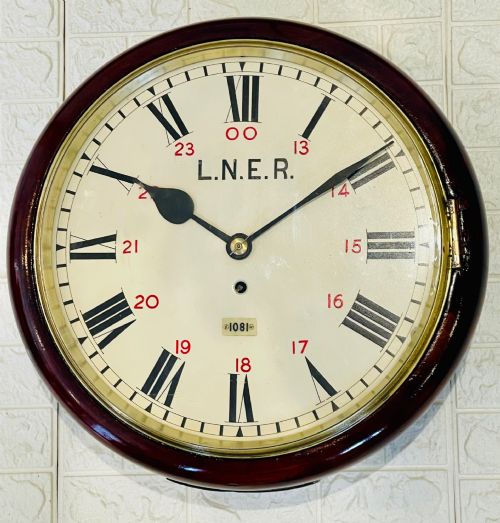
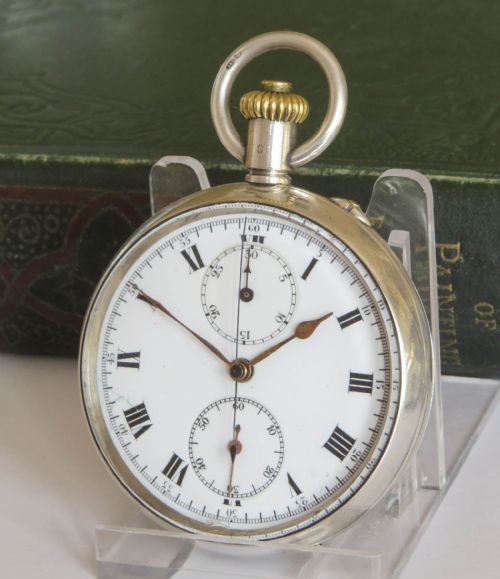
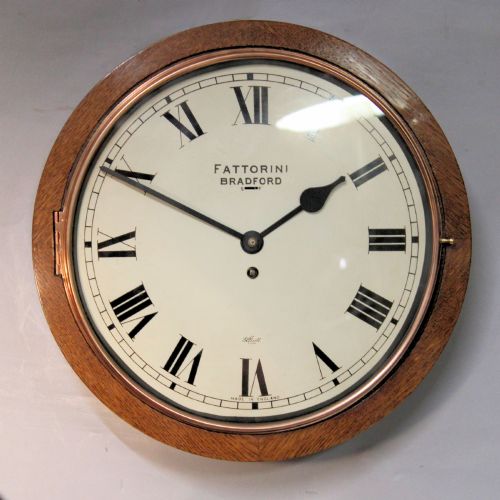
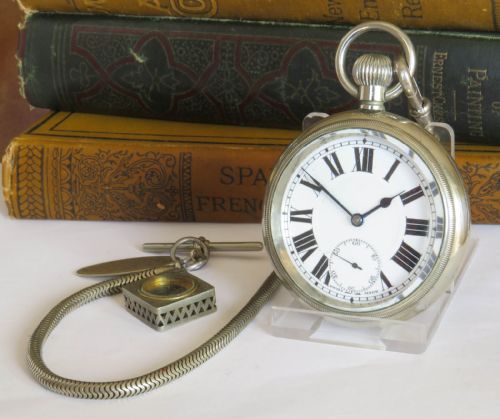
A roman numeral dial appears on various timekeeping formats, ranging from substantial wall clocks and mantel clocks to pocket watches and large architectural salvage faces. The evidence shows that wall clocks and pocket watches dominate this selection, offering both domestic and portable timepieces.
These items span periods from the Georgian era through Victorian times, Edwardian years, and into the 1930s and 1940s. Buyers frequently encounter oak or mahogany wall clocks alongside silver pocket watches bearing these traditional chapter rings.
Materials and Construction
Constructed using robust timber cases such as oak and mahogany for wall and mantel clocks, alongside precious metals like silver, gold plate, and gun metal for pocket watches. Glass protects the dials and movements across both portable and stationary pieces.
Internal mechanisms utilise brass and steel components, often driven by fusee movements in wall clocks or lever escapements in pocket watches and travel clocks. Enamel frequently provides the smooth white surface for the painted black chapter numerals.
Roman Numeral Dial Retail Price Guide 2026
Typical asking prices for roman numeral dial among the pieces listed under this phrase on Sellingantiques today, from the lower quarter to the upper quarter. They describe what is for sale here now, not the wider market.
Some pocket watch dials include an extra compass tucked inside the case for travellers who needed direction as well as time.
Judging Quality and Execution
Quality rests in the crispness of the painted or enamelled numerals on the dial and the precision of the timber casing or metal pocket watch case. Superior examples display clean integration between the face and the mechanical movement behind it.
Maker attribution and specialised escapements, such as chain fusee movements in wall clocks or multi-day wind capacities in pocket watches, elevate an individual piece within its period.
Richard Jones of Hereford·Elliott·Elgin·Waltham·Omega·Jaeger-Le Coultre
The Roman Numeral Dial Glossary
- Fusee
- A conical pulley used in older clocks to maintain even tension on the chain as the mainspring unwinds. This mechanism helps ensure consistent timekeeping.
- Chapter Ring
- The outer circle on a clock face that bears the hour numbers. On these pieces, it displays the traditional figures.
- Half Hunter
- A pocket watch case featuring a glass or open centre in the front cover allowing the user to view the hands without opening the case.
- Albert Chain
- A short chain attached to a pocket watch, designed to secure the timepiece to a waistcoat or belt.
- Escapement
- The internal mechanism that controls the release of power in a clock or watch, translating rotational force into regulated beats.
Roman Numeral Dial: Frequently Asked Questions
What is a fusee wall clock?
A fusee wall clock relies on a specialised conical pulley system to equalise the pull of the mainspring. This mechanism ensures steady power delivery to the movement.
Such wall clocks were frequently utilised in offices, railway stations, and public buildings where reliable timekeeping mattered greatly.
How do I wind a pocket watch?
Pocket watches from the Victorian and early twentieth century generally wind via the crown at the top, or occasionally with a separate key for older fusee models. Turning the crown clockwise tightens the mainspring.
Care should be taken not to overwind the mechanism, stopping as soon as resistance is felt.
Are these clocks suitable for daily use?
Many wall clocks and pocket watches remain fully operational and can keep accurate time with proper care and regular servicing. Mechanical movements from the Victorian and Edwardian eras respond well to professional maintenance.
Wall clocks require secure mounting to a solid wall, while pocket watches benefit from being stored safely on an albert chain.