


Rolled Gold Watch
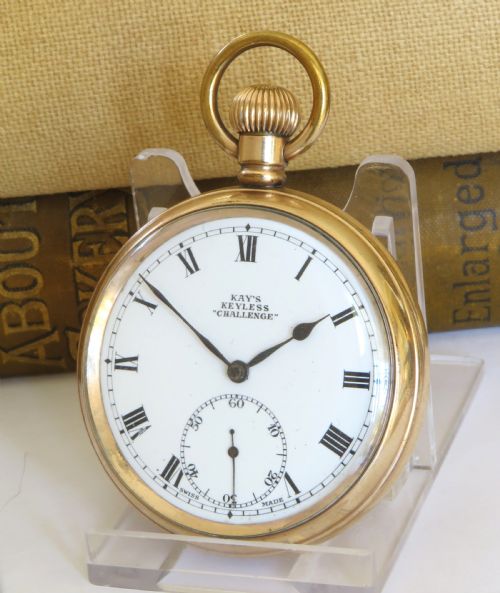
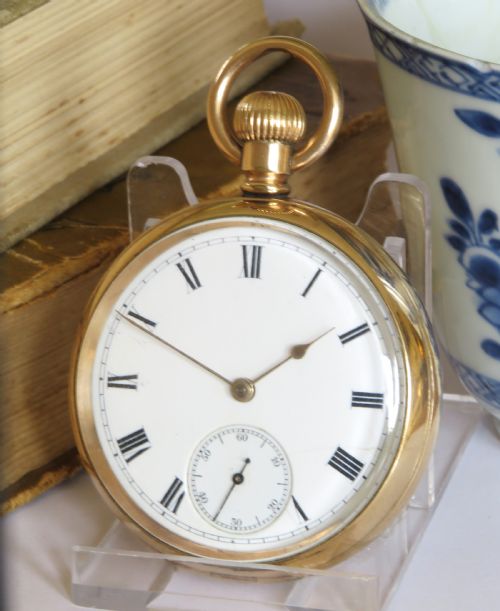
Rolled gold watch pieces combine the weight and appearance of solid precious metal with the mechanical reliability of early twentieth-century timekeeping.
Rolled Gold Watch
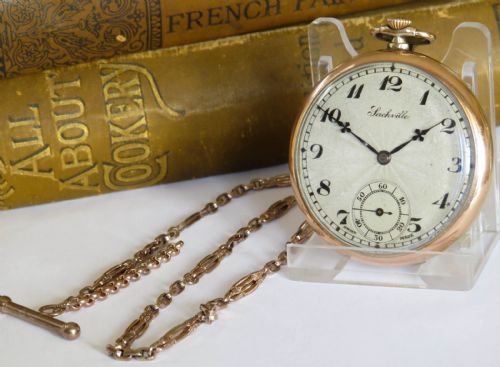
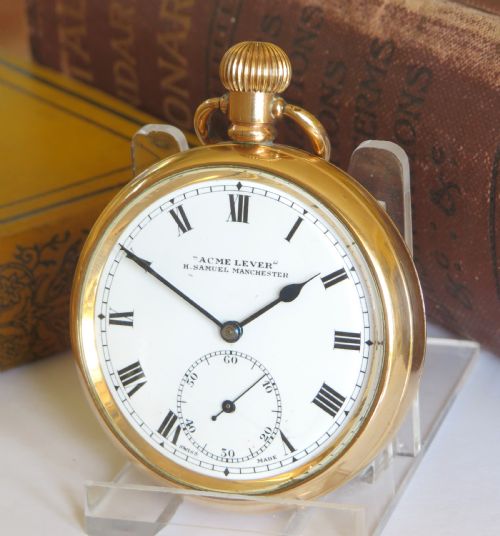
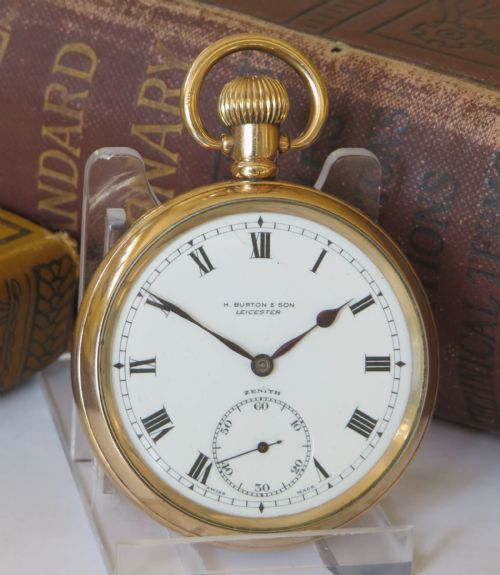
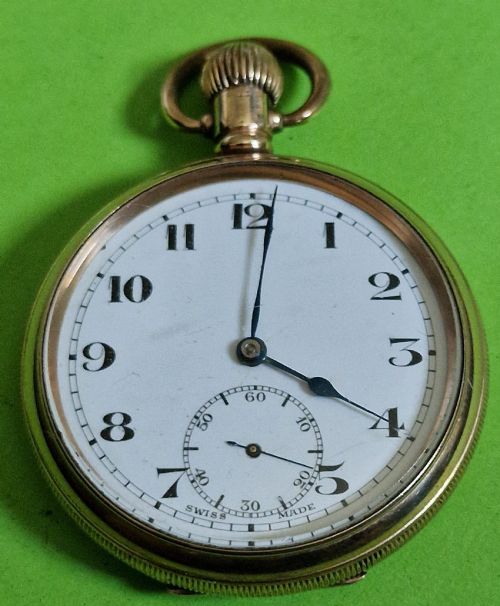
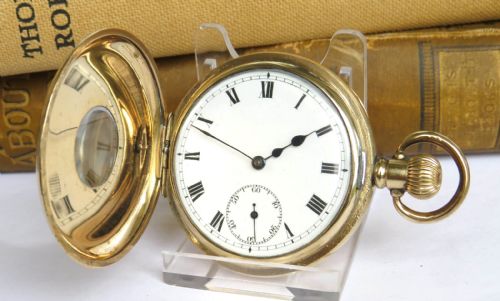
A rolled gold watch selection centres primarily on pocket timepieces, wristwatches, and associated chains from the Victorian, Edwardian, and Art Deco eras. Buyers searching for a rolled gold watch encounter various forms, including open-face pocket watches, half hunters, and square or rectangular wristwatches paired with heavy albert chains or muff guards.
The objects stem from periods spanning 1900 to the 1940s, originating from makers across England, Switzerland, and the United States. Pocket watches dominate the early twentieth-century listings, while wristwatches with distinct geometric dials emerge more frequently in the 1930s.
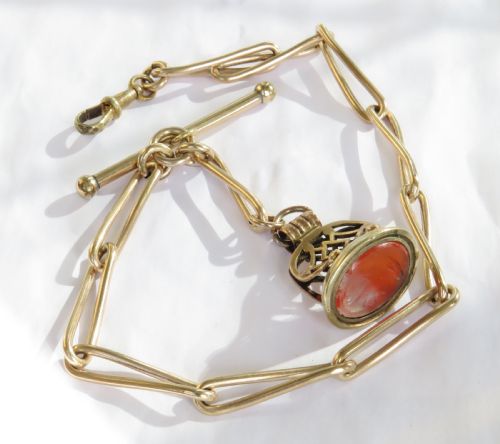
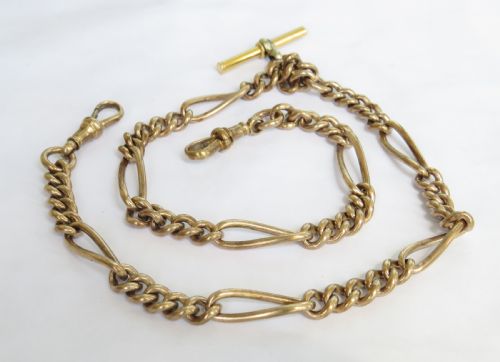
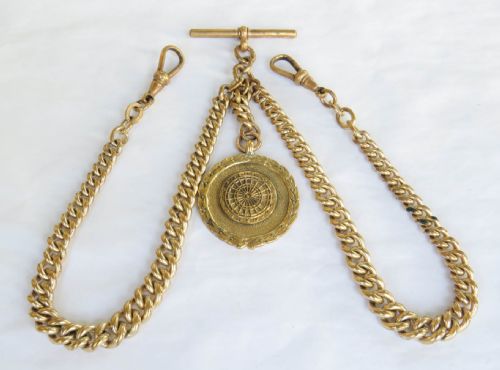
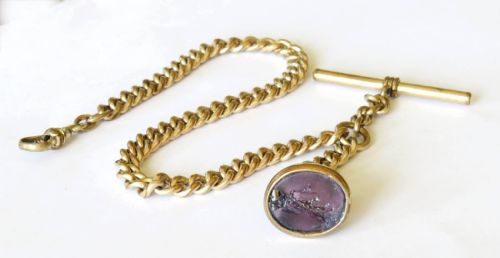
Chains such as double alberts and fetter link necklaces frequently accompany these timepieces, often retaining original fob attachments like carnelian intaglios or swivel clasps. The surviving pieces demonstrate how timekeeping accessories evolved from functional pocket items into prominent decorative adornments.
Materials and Construction
Rolled gold was produced by fusing a layer of genuine gold to a base metal core, usually under intense heat and pressure, creating a durable material distinct from simple electroplating. This method ensured a thicker layer of precious metal that resisted wearing through to the base metal underneath during daily use.
Movements relied on brass, steel, and glass components, housing mechanical escapements that required manual stem winding. Dials often incorporated enamel for numerals and markers, whilst fobs utilised hardstones like carnelian set within metal bezels.
Rolled Gold Watch Retail Price Guide 2026
Typical asking prices for rolled gold watch among the pieces listed under this phrase on Sellingantiques today, from the lower quarter to the upper quarter. They describe what is for sale here now, not the wider market.
Listings span periods from Victorian times through the 1930s, featuring materials such as rolled gold, enamel, carnelian, and steel.
Markers of Quality
Quality in these pieces rests upon the thickness of the applied gold layer, often specified by carat designations, and the complexity of the underlying mechanical movement. Pieces with higher jewel counts in their movements demonstrate greater precision and refinement in manufacture.
The integrity of link connections on watch chains and the crispness of engraving on watch cases separate standard items from superior examples. Preservation of original dials without excessive restoration maintains the historical character of the timepiece.
H Samuel·Zenith·Waltham·Record·Cyma·Tavannes·Bulova·Hopwood·Elgin
The Rolled Gold Watch Glossary
- Rolled Gold
- A manufacturing process where a plate of gold is mechanically bonded to a base metal core. This layer provides the visual appearance and wear resistance of solid gold at a different weight.
- Albert Chain
- A short or long watch chain designed to attach a pocket watch to a waistcoat buttonhole. Double versions permit a watch on one side and a fob or sovereign holder on the other.
- Half Hunter
- A pocket watch featuring a case lid with a glass or open centre aperture. This design allows the user to read the hands without opening the exterior cover.
- Fob
- A small ornament or seal suspended from a watch chain. These decorative items frequently incorporate hardstones such as carnelian.
- Muff Guard
- An exceptionally long chain or necklace intended to secure a timepiece while worn around the neck and passed through a muff. They are frequently found in twisted or belcher link formats.
Rolled Gold Watch: Frequently Asked Questions
What is a rolled gold watch?
A rolled gold watch is a timepiece cased in a material made by bonding a solid layer of gold to a base metal core. This technique provided the durability and appearance of solid gold without the full weight and expense.
Such watches were widely produced through the late Victorian period and into the mid-twentieth century by major manufacturers and watchmakers. They represent a substantial portion of surviving period timepieces.
How do I wind my pocket watch?
Mechanical pocket watches from the early twentieth century are wound via the crown at the top of the case. Turning the crown clockwise tightens the mainspring until resistance is felt.
Overwinding can damage the internal mechanism, so winding should stop the moment resistance increases. Most period pieces require winding daily to maintain accurate timekeeping.
What is an albert chain?
An albert chain is a heavy watch chain designed to secure a pocket watch to a garment. They were named after Prince Albert, who popularized the fashion during the Victorian era.
These chains often feature a T-bar for securing through a buttonhole and a swivel clip to attach the watch. Double albert chains allow for a balanced display with a watch on one end and a fob on the other.
How do I date my watch?
Dating these timepieces involves examining serial numbers on the inner movement, hallmarks on the case, and overall stylistic indicators. Art Deco designs typically point to the 1920s and 1930s, while heavier decorative engraving often suggests Victorian or Edwardian origins.
Reference tables specific to individual makers help correlate serial numbers with exact production years. Inscriptions inside the case back can also provide direct evidence of presentation dates.