


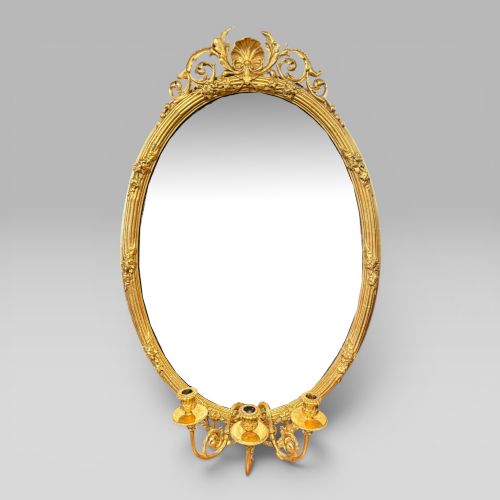
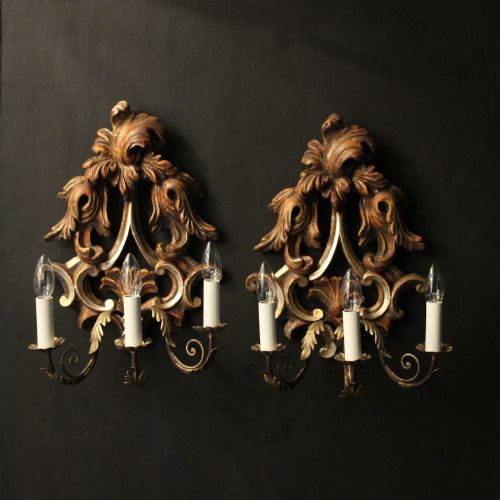
Rococo Style Wall Sconces
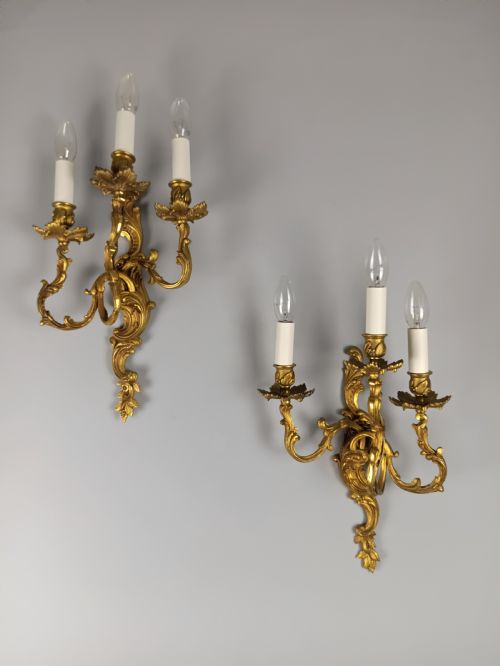
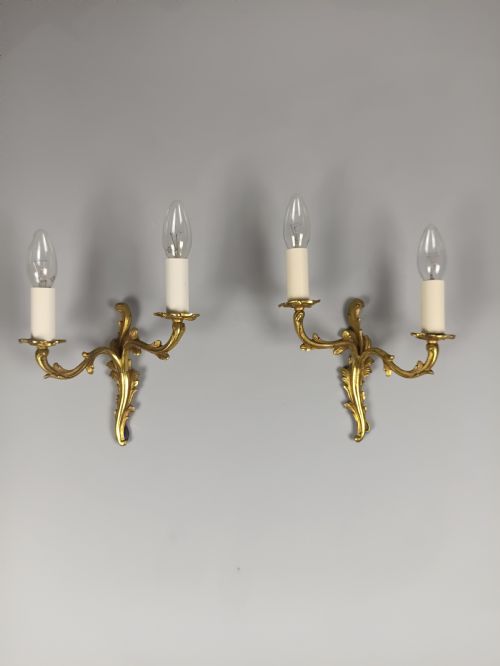
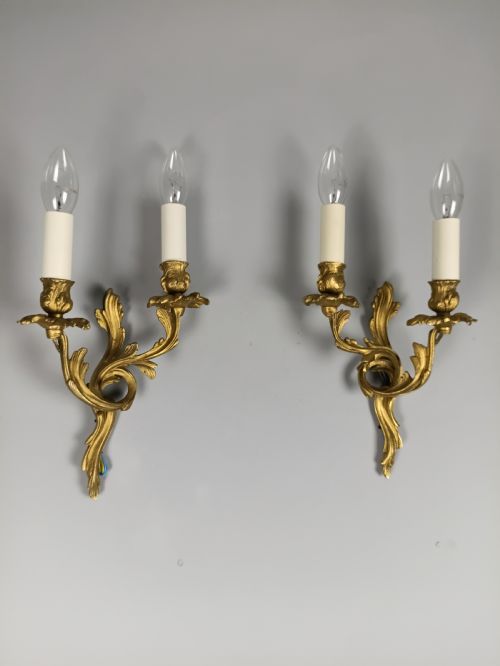
Rococo style wall sconces bring sculptural asymmetric curves and candle-light illumination to a room, drawing the eye with elaborate gilding.
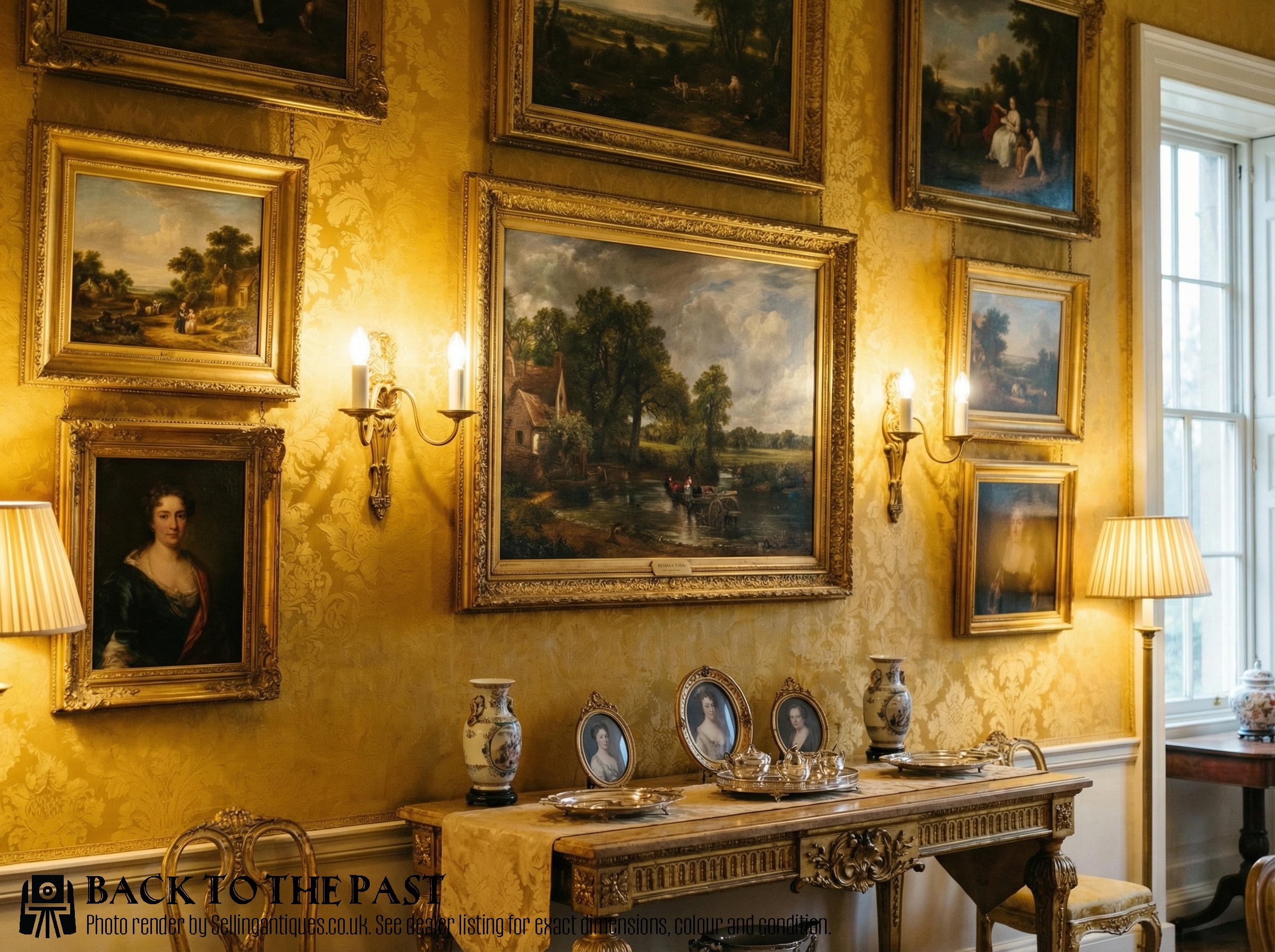
Rococo Style Wall Sconces
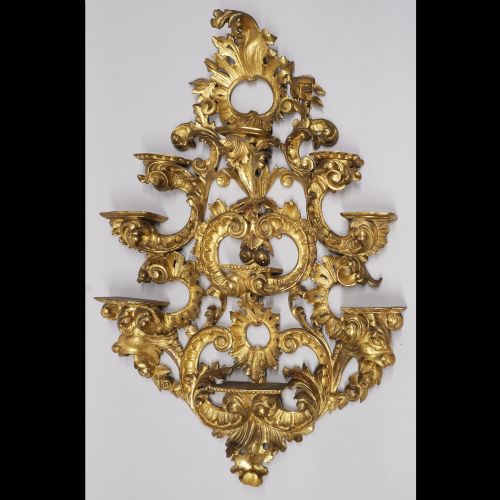
When you search for rococo style wall sconces, you encounter decorative lighting fixtures and wall mounts dominated by flowing C-scrolls, asymmetric foliage and shell motifs. The pieces available span from eighteenth-century originals to revival iterations produced across the nineteenth and early twentieth centuries.
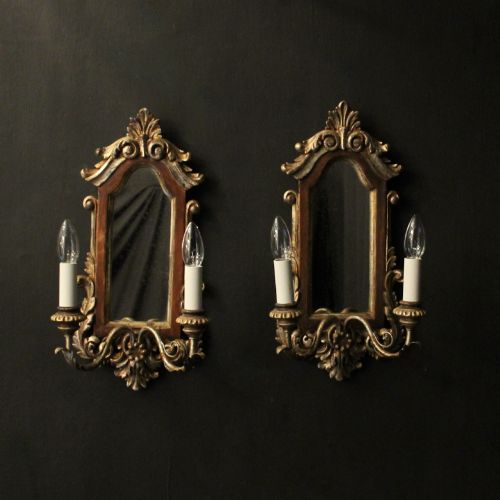
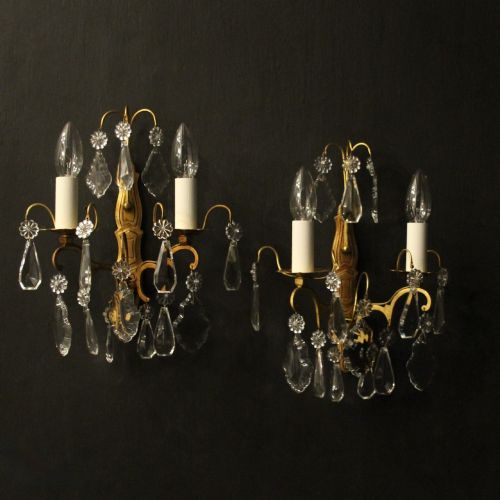
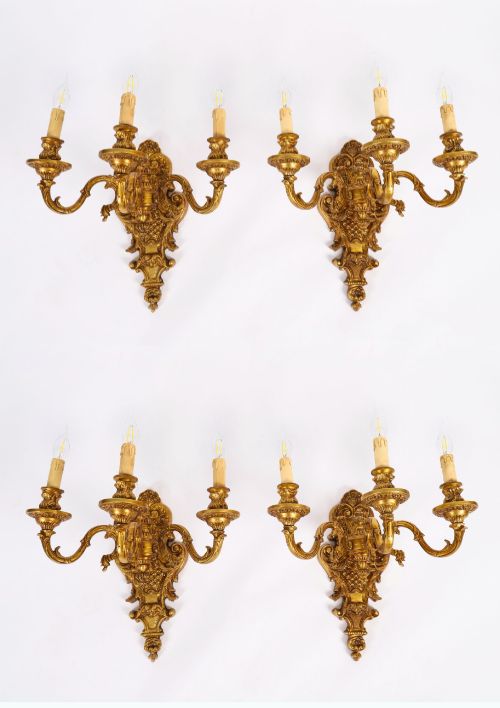
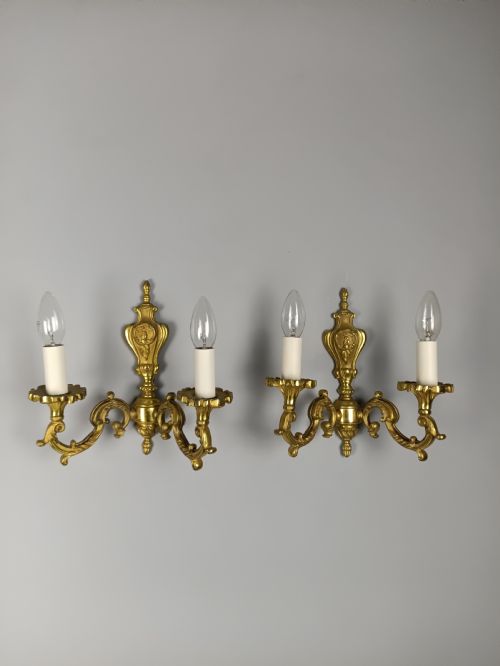
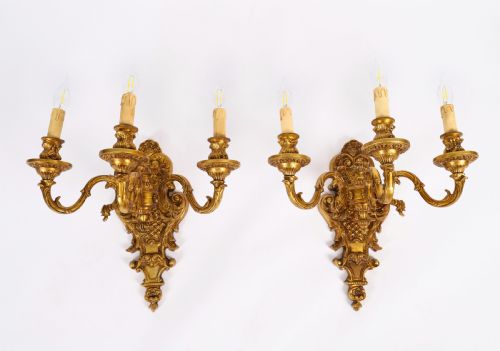
The most common examples on this page are twin and triple-arm wall lights and girandoles made in France and Italy during the decades around nineteen hundred. These fittings frequently incorporate carved wooden brackets or cast metal arms designed to hold candles or electrical conversions.
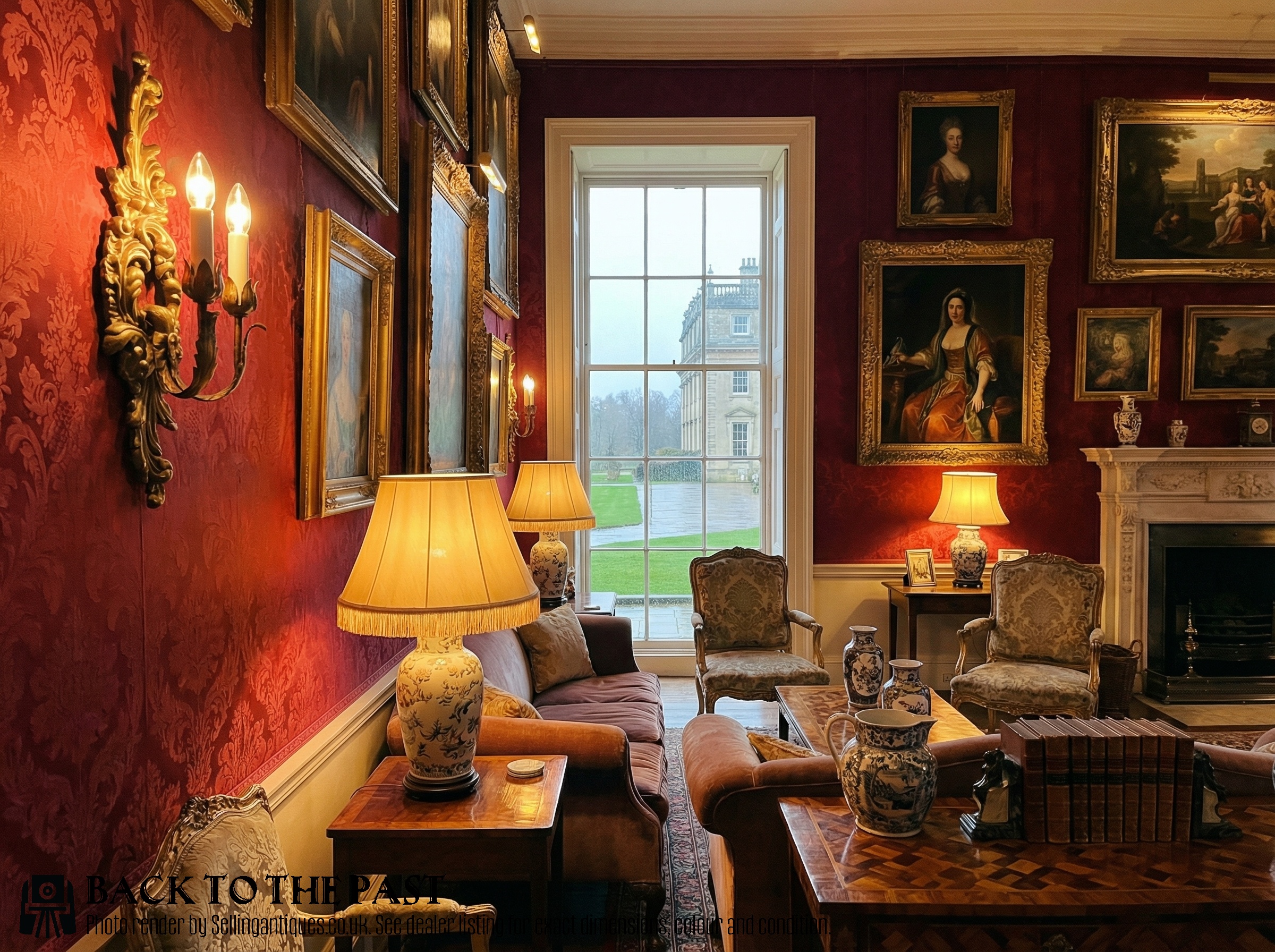
How They Were Made
Carved timber provides the structural foundation for giltwood pieces, where artisans apply layers of gesso before laying fine gold leaf over the carved detail. Cast metals such as brass, bronze and ormolu utilise foundry moulds to achieve the intricate scrolls and naturalistic ornamentation characteristic of the style.
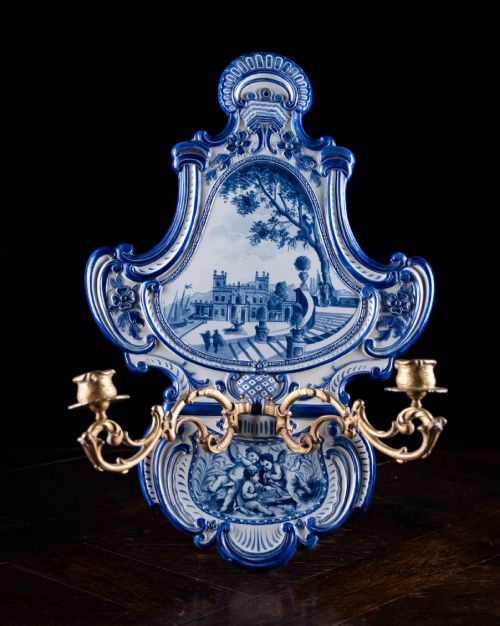
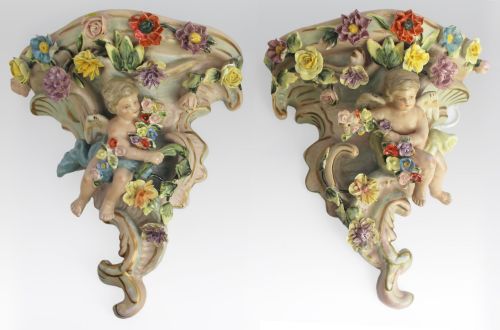
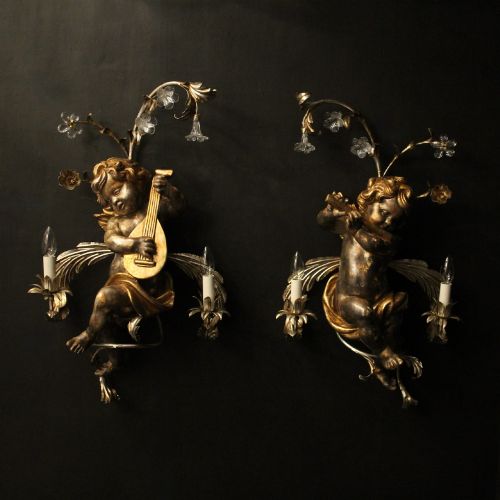
Many examples combine gilded metal frameworks with delicate additions like porcelain flowers, painted portraits or inset glass mirrors. Silver gilding also appears on Italian wood components, offering an alternative tone to traditional gold finishes.
Rococo Style Wall Sconces Retail Price Guide 2026
Typical asking prices for rococo style wall sconces among the pieces listed under this phrase on Sellingantiques today, from the lower quarter to the upper quarter. They describe what is for sale here now, not the wider market.
Several porcelain cherubs cling firmly to these frames, seemingly determined to hold up your candles for another century.
What Varies in Quality
The distinction between standard production and superior craftsmanship rests in the depth and sharpness of the carving or casting. Finer items display crisp, undercut foliage and hand-chased details on bronze mounts, whereas lesser pieces rely on softer moulded contours.
The application of the surface finish dictates visual depth, with genuine gold leaf and skilled burnishing creating a warmer refraction of light than flat metallic paints. Furthermore, the weight and gauge of the metal used for the arms determine the structural integrity of the fixture.
Villeroy and Boch·Meissen
The Rococo Style Wall Sconces Glossary
- Girandole
- A branched wall light or sconce that incorporates a mirror to reflect and amplify the illumination from candles. These fixtures combine reflective glass surfaces with ornate carved or cast frames.
- Ormolu
- Gilded bronze produced through a mercury amalgamation technique during the eighteenth and nineteenth centuries. This process yields a durable, deep golden lustre on decorative metal mounts.
- Gesso
- A plaster mixture applied to wood surfaces to prepare them for gilding or painting. Artisans carve and smooth this material to create a crisp base for gold leaf.
- Corbel
- A structural bracket projecting from a wall to support a weight, often decorated with scrollwork or figures in this style. They serve both architectural and ornamental functions.
- Louis XV
- The French design period defined by asymmetrical rococo curves, naturalistic plant forms and exuberant ornamentation. Revivals of this aesthetic occurred frequently in later centuries.
Rococo Style Wall Sconces: Frequently Asked Questions
How do I wire antique wall sconces?
Most antique wall lights were originally designed for candles and require professional rewiring to meet modern electrical safety standards. An electrician can run internal wiring through the arms without altering the exterior finish.
When planning installation, check the weight of the piece to ensure proper wall anchors are used, particularly with heavy bronze or giltwood models.
Are these sconces meant for candles or electricity?
The listings include both original candle sconces and pieces that have been adapted for electric bulbs over the course of their history. Many revival pieces from the early twentieth century were manufactured with electrical fittings from the outset.
You can determine the intended light source by inspecting the socket interiors and the drip pans beneath the arms for wax residue or electrical components.
How should I clean gilded wood and metal?
Dust giltwood and ormolu gently with a soft dry brush or microfiber cloth to prevent accumulation in the carved crevices. Avoid liquid cleaners and chemical solvents, which can strip fragile gold leaf and surface patination.
For mirrored glass sections, apply a small amount of glass cleaner to a cloth rather than spraying directly onto the frame, protecting the surrounding gilding from moisture.
How do I distinguish eighteenth-century originals from later revivals?
Eighteenth-century originals display hand-carving marks, natural wood shrinkage and wear patterns consistent with prolonged age and use. Revival pieces from the nineteenth and twentieth centuries often feature standardised casting marks or modern assembly techniques.
Examining the construction methods at the back of the wall plate typically reveals the age of the fixings and the manufacturing era.