



Acanthus Leaf Wall Lights
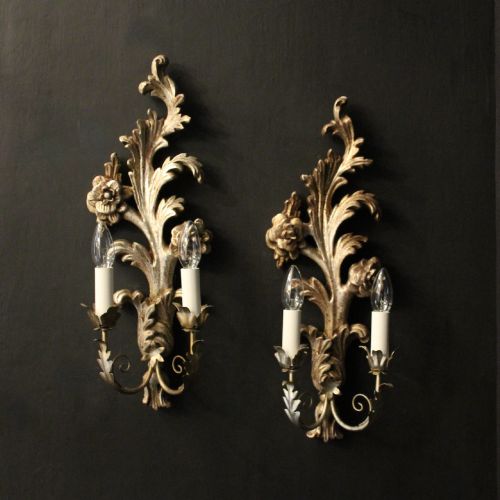
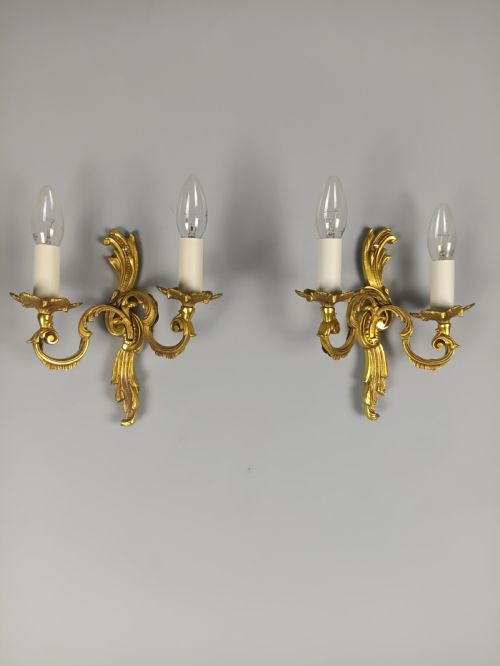
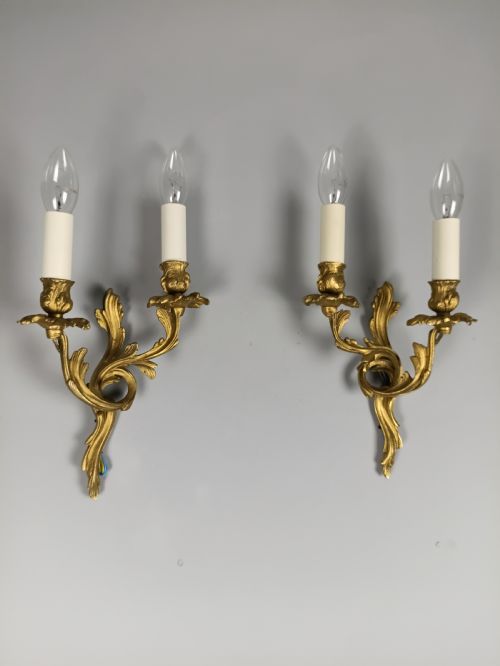
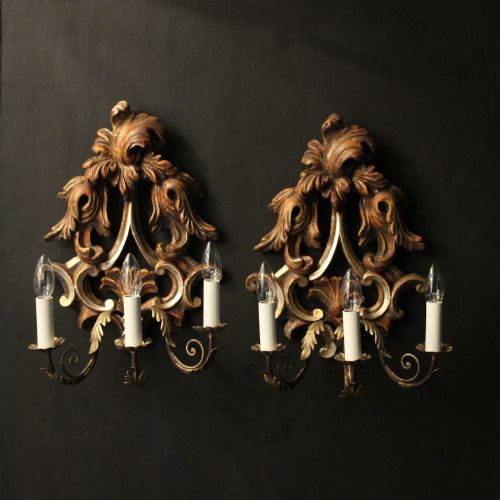
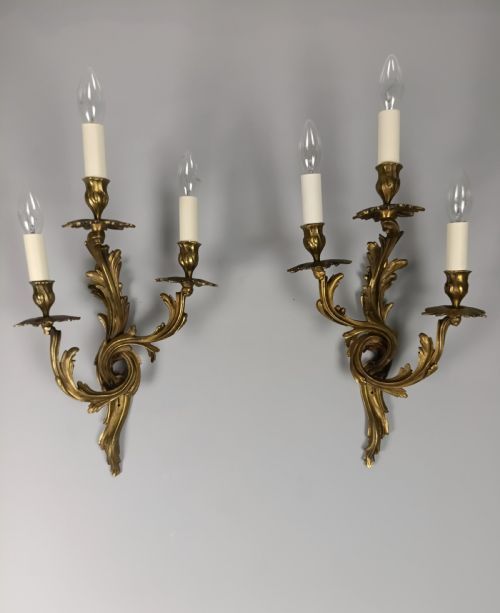
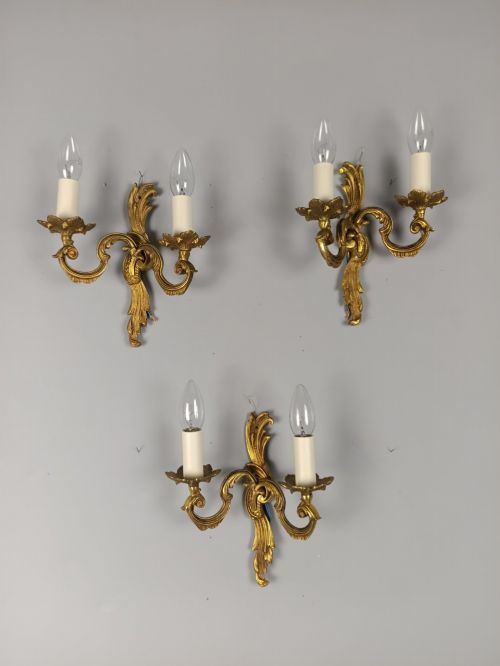
These acanthus leaf wall lights bring architectural depth and botanical curve to an interior through modelled metal and carved wood.
What these wall lights are
Acanthus leaf wall lights take the form of scrolling foliage carved from wood or cast in metal. They serve to mount illumination directly to vertical surfaces while adding sculptural presence.
The pieces on this page span the nineteenth century, nineteen-twenty, and nineteen-thirty. They draw on French Rococo, Florentine, and French Chateau styles.
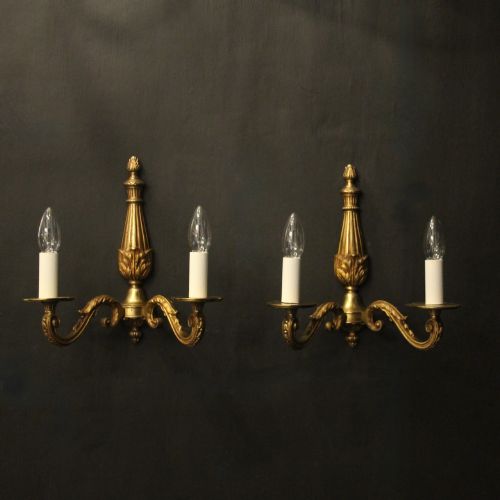
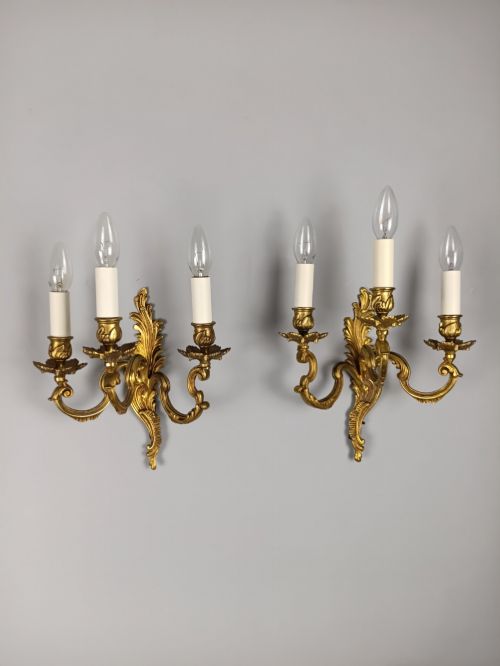
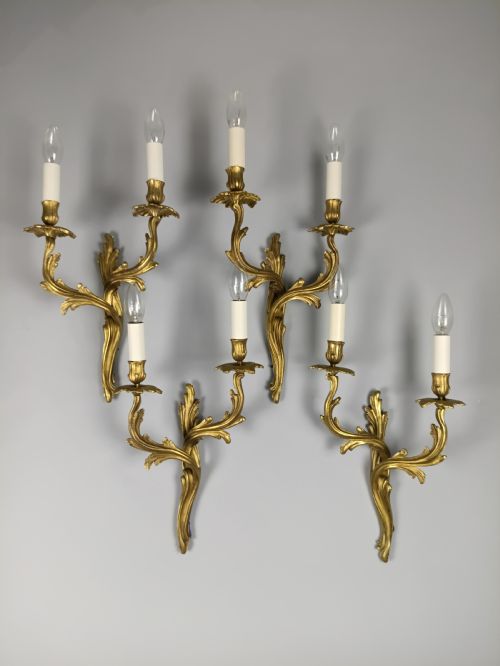
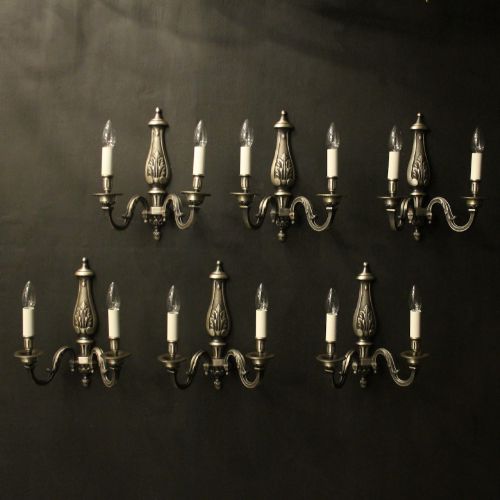
Forms include single, twin-arm, and triple-arm configurations designated as wall lights or wall sconces. Gilt bronze, silver leaf, and giltwood provide the primary surfaces for these botanical motifs.
How they were made
Metal versions employ cast bronze, brass, and general cast metal shaped into curling leaf tips and mounting brackets. Gilding and silver leaf are applied to give the metallic surfaces a luminous finish.
Wooden examples rely on carved giltwood where individual acanthus fronds are shaped by hand before receiving gold leaf. The combination of timber carving and metal casting dictates the structural weight of each sconce.
Retail Price Guide 2026
Typical UK retail prices for acanthus leaf wall lights, calculated from the Sellingantiques database of over a million retail prices indexed since 2003. This retail price guide relies exclusively on Sellingantiques data; no external sources or auction records are used, so the figures do not describe the wider market.
The documented periods span the nineteenth century, nineteen-twenty, and nineteen-thirty.
What varies in quality
The definition in the modelling of the acanthus foliage separates standard production from superior work. Crisp undercut details in cast bronze or deep hand-carving in wood create distinct shadow and relief.
Surface treatments diverge between durable fire-gilding or thick leaf application and thin modern metallic paints. The integrity of the underlying material determines how well the piece ages and holds its finish.
The Acanthus Leaf Wall Lights Glossary
- Acanthus leaf
- A classical ornamental motif based on the Mediterranean plant with deeply cut foliage. It appears frequently in capitals, friezes, and lighting fixtures.
- Giltwood
- Timber that has been coated with a thin layer of gold leaf over a prepared gesso ground. This technique provides a rich, warm surface that catches ambient light.
- Sconce
- A wall-mounted lighting fixture designed to hold candles or electric lamps. Historically, backplates acted as reflectors to enhance the illumination.
- Rococo
- An ornate architectural and decorative style characterised by asymmetry, scrollwork, and organic curves. It heavily influences the swirling foliage found on these lights.
- Gilded bronze
- An alloy of copper and tin coated with gold. Also known as ormolu, this material allows for extremely sharp casting details.
Frequently Asked Questions
How do I wire antique wall lights?
Many examples arrive rewired and ready for professional installation against standard wall junctions. A qualified electrician ensures the internal channels safely accommodate modern voltage.
Mounting brackets behind the backplate secure the weight safely to wall studs or proper wall anchors.
Are these lights French or Italian?
Design influences divide primarily between French Rococo styles and Florentine wood carvings. French pieces frequently utilise cast gilded bronze, whereas Italian examples lean toward carved giltwood.
Examining the weight and material composition clarifies the regional origin of each fixture.
What period do these sconces belong to?
The listings span the nineteenth century, nineteen-twenty, and nineteen-thirty. Nineteenth-century examples often display heavier cast bronze and intricate Rococo revival detailing.
Later pieces from the interwar decades continue these classical motifs using similar casting and gilding methods.
How should I clean gilded surfaces?
Giltwood and gilded bronze require gentle dusting with a soft, dry brush to protect the delicate gold leaf. Moisture and harsh chemical cleaners strip the metallic finish.
Regular maintenance preserves the original patina built up over decades of display.