
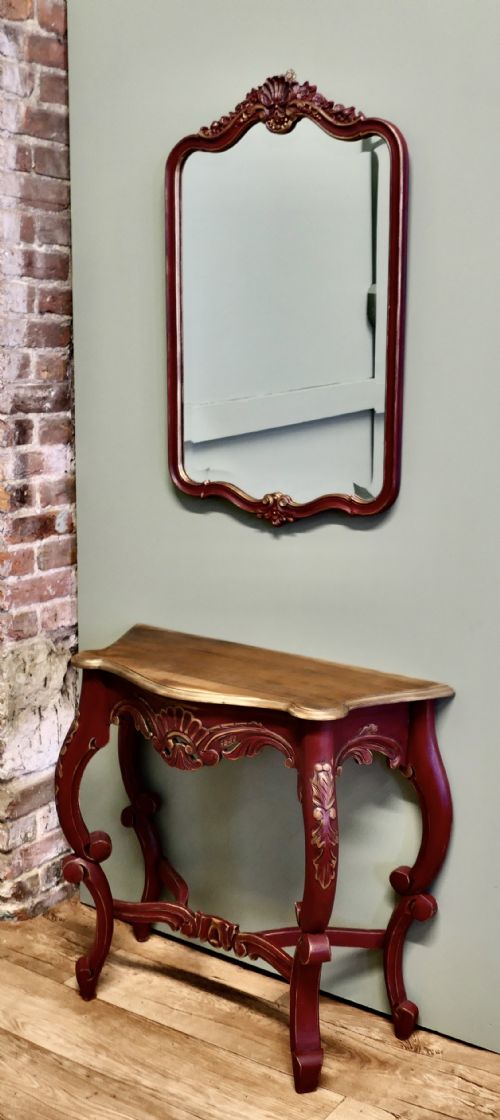
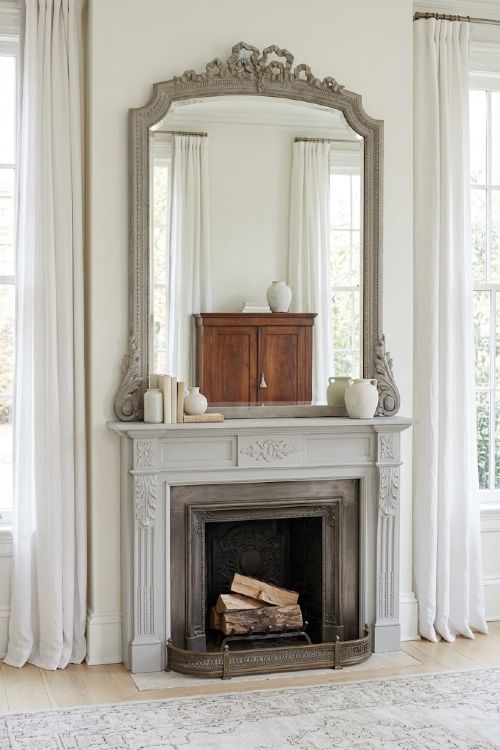
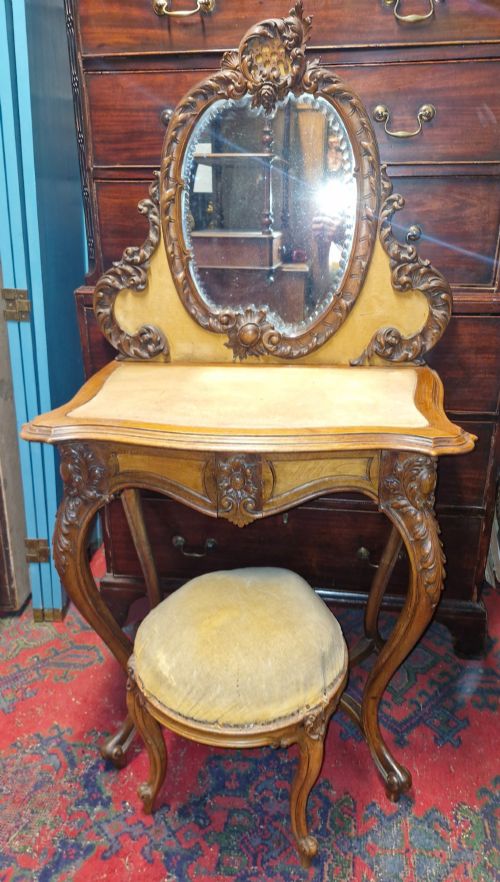
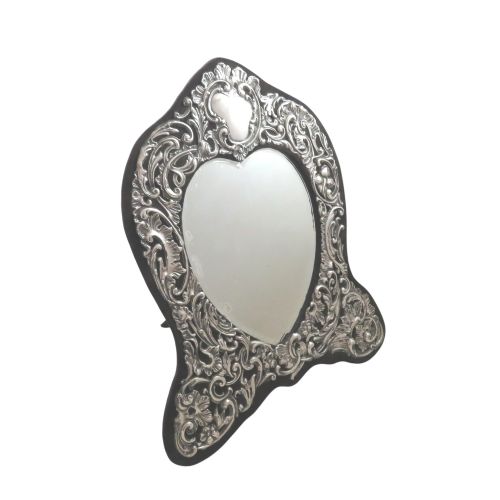
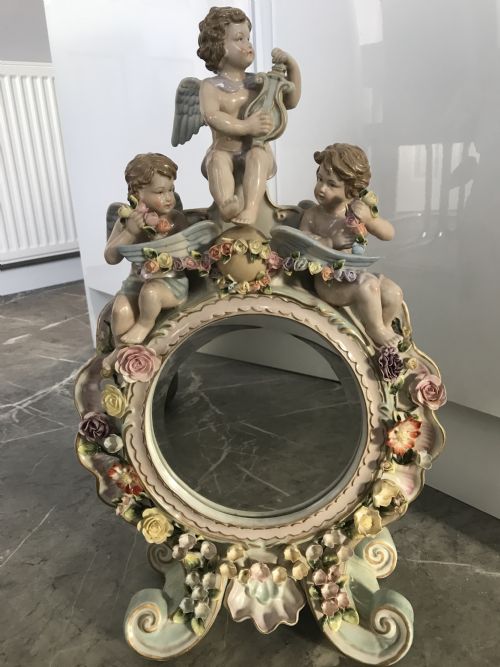


Rococo Style Table Mirror
A rococo style table mirror brings swirling C-scrolls and asymmetrical floral motifs to a dressing surface.
Rococo Style Table Mirror
When you search for a rococo style table mirror, you encounter pieces designed to sit on dressing tables, chests, or console surfaces. These objects provide a pivoting or standing glass framed by elaborate decorative surrounds.
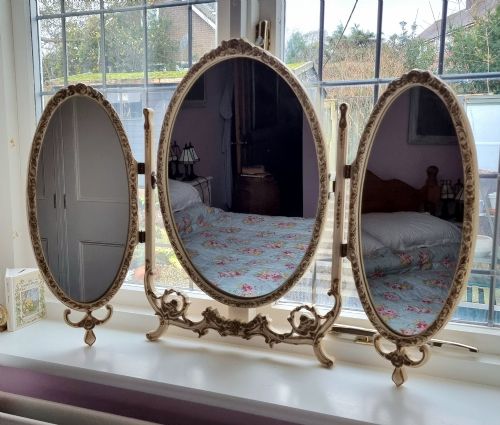
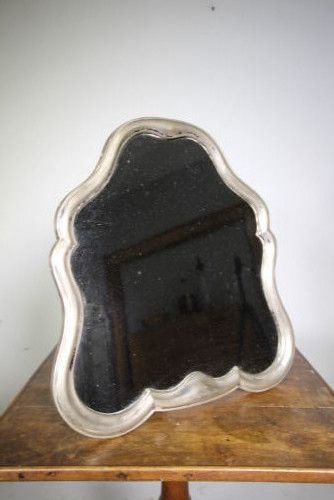
The versions you meet on this page span the Victorian era, the nineteenth century, and the early twentieth century. They take forms such as toilet mirrors, vanity mirrors, and triple dressing table mirrors.
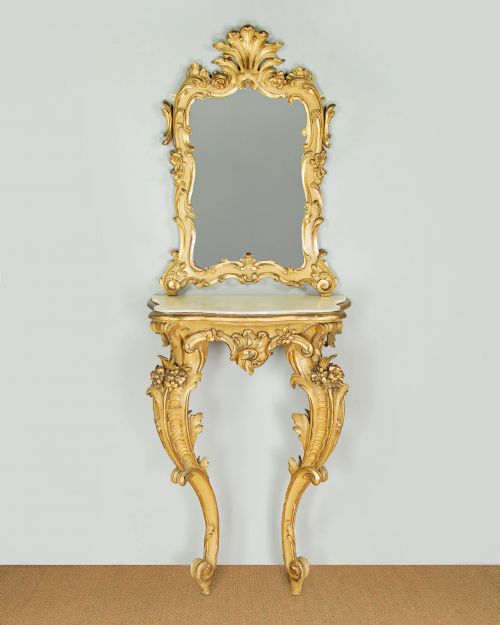
Origins stretch across English, French, and Italian workshops, alongside continental factories. They appear alongside related console tables and dressing tables.
Materials and construction
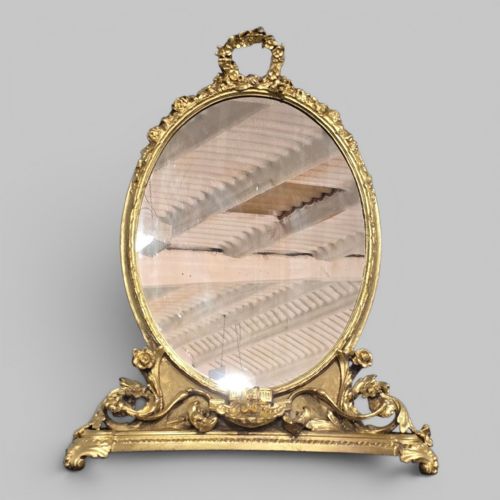
Carvers and gilders built the frames using giltwood and gesso over carved wood bases like walnut and oak. Gilding catches the light along the raised scrolls and floral carving.
Makers incorporated brass, bronze or ormolu mounts, and sterling silver. Porcelain elements from factories such as Dresden and Sitzendorf appear integrated into the frames.
Mirrors utilise clear glass plates, often bevelled, held within hinged or fixed stands allowing adjustment for the user.
Listings feature materials including glass, giltwood, gesso, brass, wood, marble, porcelain, and walnut across various nineteenth and early twentieth-century forms.
What separates the best from the rest
Quality rests in the depth and crispness of the carved ornament, where hand-tooled gesso and deep undercutting distinguish superior frames from cast resin or shallow press-work.
The choice of materials dictates the standard of the piece, with heavy cast ormolu, hand-painted porcelain floral details, and substantial giltwood outperforming simpler wood finishes.
Construction integrity in the hinges, folding side plates of triple mirrors, and the weight of the supporting easel back or console base determine overall durability.
Dresden·Sitzendorf
The Rococo Style Table Mirror Glossary
- Rococo Revival
- A design movement drawing inspiration from the eighteenth-century French rococo style, popular during the nineteenth and early twentieth centuries. It is characterised by ornate C-scrolls, shell motifs, and asymmetrical plant forms.
- Giltwood
- Timber coated with fine gold leaf applied over a prepared gesso ground. This technique gives the carved frame a warm, reflective metallic sheen.
- Gesso
- A plaster-like mixture applied to wood surfaces and carved before gilding. It allows for sharp, intricate relief work on ornate frames.
- Ormolu
- Gilded bronze or brass mounts used as decorative accents on furniture and frames. The technique provides a rich metallic finish that mimics solid gold.
- Toilet Mirror
- A traditional term for a small dressing table mirror designed to sit atop a chest of drawers or washstand. These pieces often feature small drawers within the base block.
Rococo Style Table Mirror: Frequently Asked Questions
How do I date a table mirror?
Dating relies on examining the construction methods of the frame, the backing boards, and the bevel of the glass plate. Fasteners, wood types, and mounting styles also offer clear clues to the period.
Later twentieth-century reproductions often use modern fixings and machine-extruded mouldings, whereas older examples show hand-finished joinery and aged patination.
Are triple mirrors adjustable?
Most triple dressing table mirrors feature hinged side wings that fold inward or outward. This allows the user to view reflections from multiple angles.
The brass hinges should move smoothly without binding against the wood or straining the surrounding gilt frame.
What is porcelain mounted framing?
Porcelain mounted framing incorporates hand-painted ceramic plaques, flowers, or figural elements directly into the structure of the mirror. Factories in continental Europe specialised in these delicate additions.
These pieces combine reflective glass with ornate ceramic details, often featuring cherubs or floral garlands.
How do I care for giltwood?
Giltwood requires gentle dusting with a soft, dry brush to prevent damage to the delicate gold leaf layer. Moisture and harsh cleaning agents will strip the finish.
Keep the mirror away from direct sunlight and excessive humidity to protect the underlying gesso and wood base.