


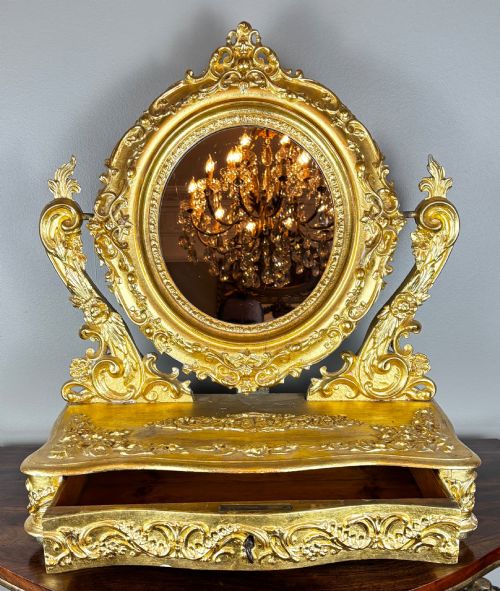
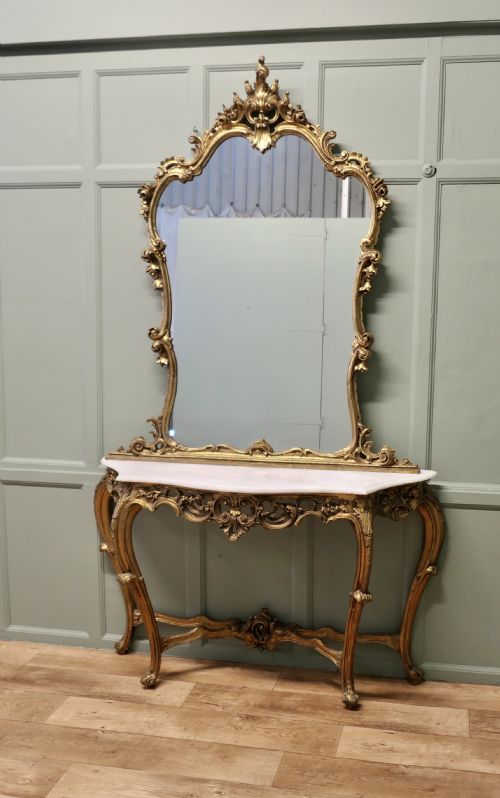
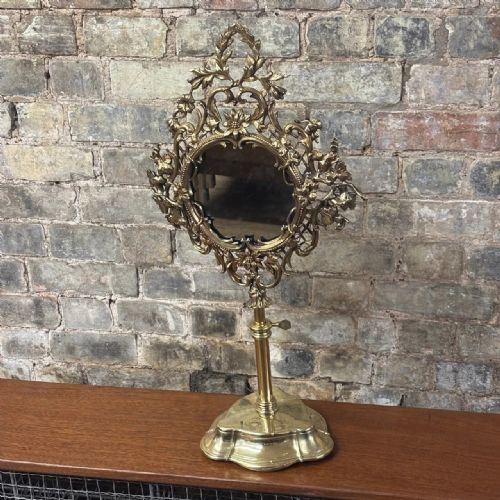

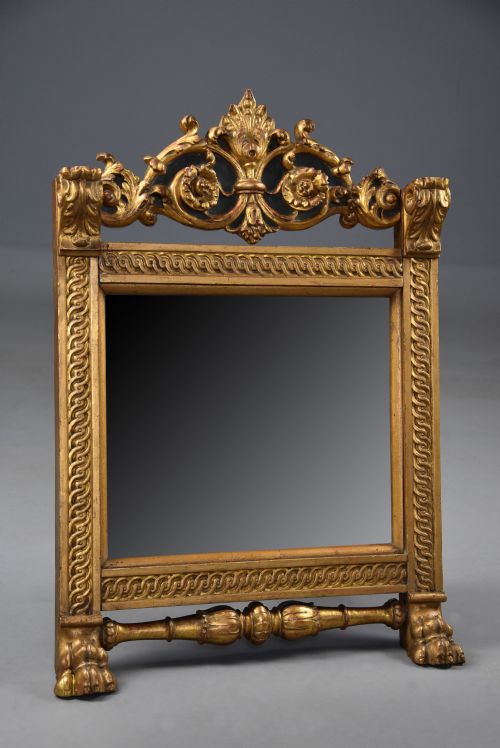
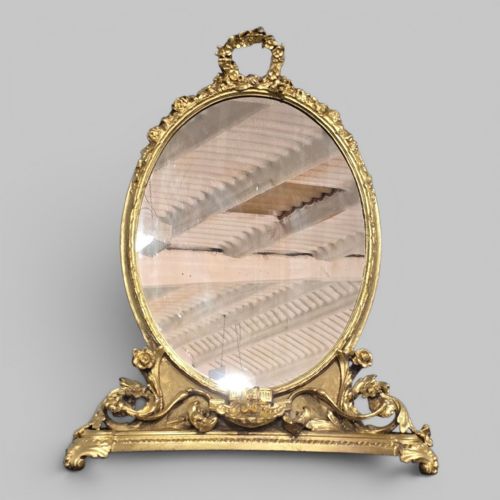
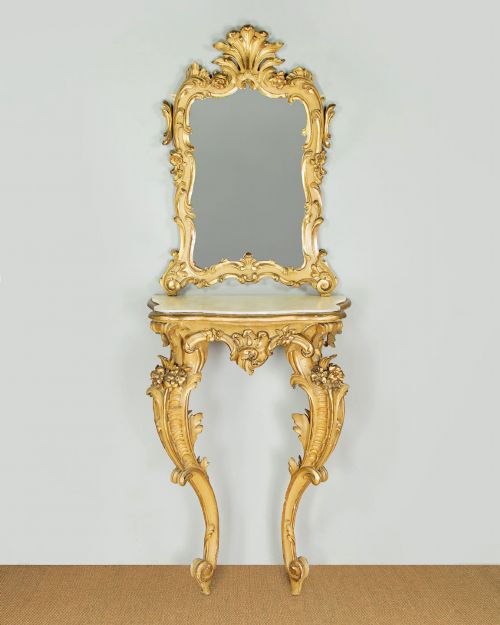
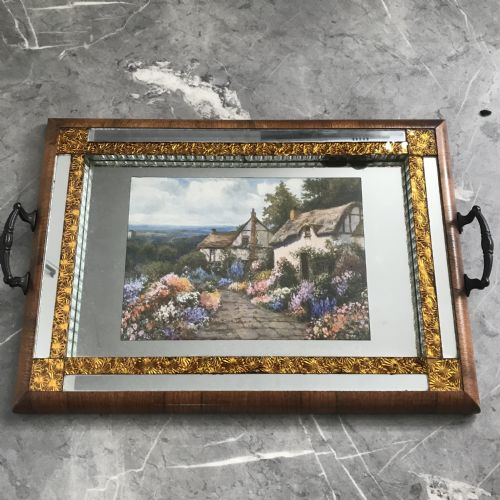


Gold Table Mirror
A gold table mirror brings reflective warmth to a dressing surface, combining metallic lustre with practical glass.
Gold Table Mirror
When you search for gold table mirror, you encounter a range of tabletop, dressing table and vanity mirrors framed in gilt materials.
The pieces on this page span from the eighteenth century through the Victorian era to Art Deco and mid-century designs, appearing in forms such as easel mirrors, folding triple mirrors and console table sets.
French Rococo revival styles and ornate Italian carvings recur frequently among the surviving examples.
How they were made
Maker's workshops utilised carved giltwood, gesso and solid brass alongside cast gilt bronze and ormolu to construct these frames.
Surface decoration frequently incorporated parcel gilt accents, enamel panels and bevelled mirror glass supported by wooden backings or easel stands.
Gold Table Mirror Retail Price Guide 2026
Typical asking prices for gold table mirror among the pieces listed under this phrase on Sellingantiques today, from the lower quarter to the upper quarter. They describe what is for sale here now, not the wider market.
The listings span from the 18th century to the 1950s, recording materials such as marble, brass, enamel, and giltwood.
What varies in quality
Quality rests in the depth of the carving and the purity of the gilding applied to the wood or metal substrate.
The crispness of cast details in brass or ormolu and the integrity of the original mirror glass separate finer examples from simpler production.
F. Bienvue
The Gold Table Mirror Glossary
- Giltwood
- Wood that has been coated with gold leaf or powder. This finish gives the carved frames their characteristic metallic sheen.
- Gesso
- A plaster mix applied to wood surfaces before gilding. It provides a smooth base for intricate carved details.
- Ormolu
- Finely chased and gilt bronze mounted on decorative items. The technique creates a rich gold appearance on metal components.
- Champleve
- An enamelling technique where troughs are sunk in metal and filled with vitreous colour. It appears on nineteenth-century frames.
- Easel mirror
- A glass framed with a hinged prop at the back. It stands independently on tables or dressing surfaces.
Gold Table Mirror: Frequently Asked Questions
How do I date a gold table mirror?
Dating relies on stylistic clues, construction methods and the materials used in the frame. Victorian and Edwardian pieces often display heavier cast brass or moulded gesso, whereas eighteenth-century examples show hand-carved gesso on wood.
Hardware, screw types and the backing materials also offer firm indicators of the period of manufacture.
Where were table mirrors placed?
These mirrors rested on dressing tables, console tables and chests of drawers in bedrooms and reception rooms. They provided functional reflections for grooming while serving as decorative tabletop ornaments.
Many matched larger console tables or formed part of coordinated dressing sets.
How do I care for gilt surfaces?
Giltwood and gesso require gentle dusting with a soft, dry brush to preserve the delicate gold leaf finish. Moisture and chemical cleaners damage the thin metallic layers over time.
Brass and bronze components can be maintained with appropriate metal care, avoiding contact with the mirror glass and surrounding frame.
What is the difference between Rococo and Art Deco mirrors?
Rococo revival pieces feature asymmetric scrolls, naturalistic floral carvings and elaborate gilded frames from the nineteenth century. Art Deco mirrors adopt geometric lines, streamlined forms and materials like walnut veneer or mirrored glass.
Victorian and Edwardian iterations tend toward ornate floral motifs, while later designs lean into minimalist or industrial silhouettes.