





Rococo Style Figures
Rococo style figures capture the decorative exuberance of the eighteenth century through porcelain and bronze, offering collectors ornate portrayals of putti, pastoral characters, and allegorical scenes.
Rococo Style Figures
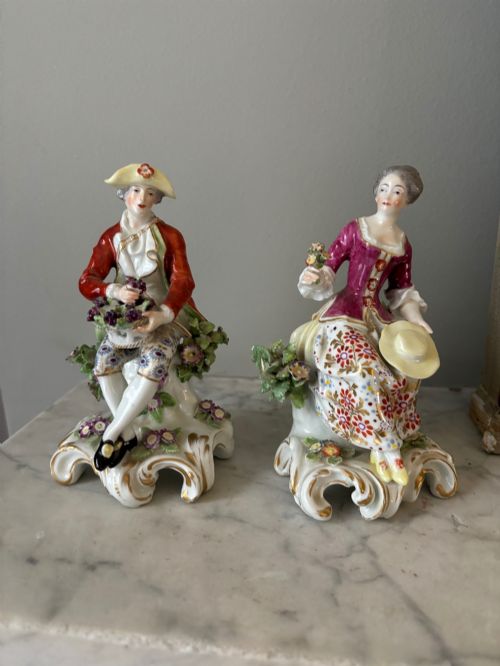
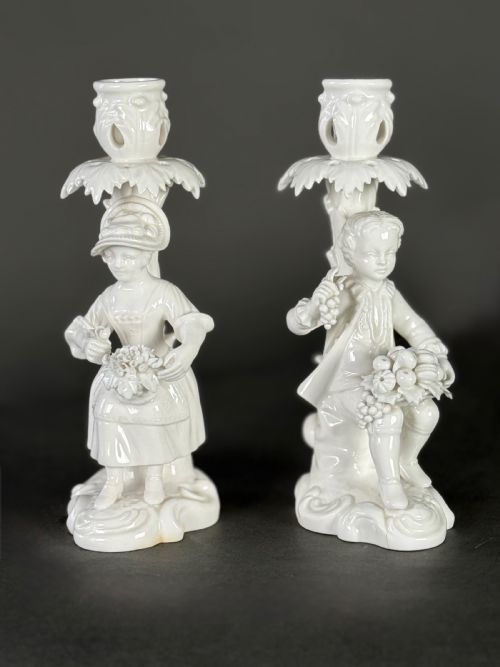
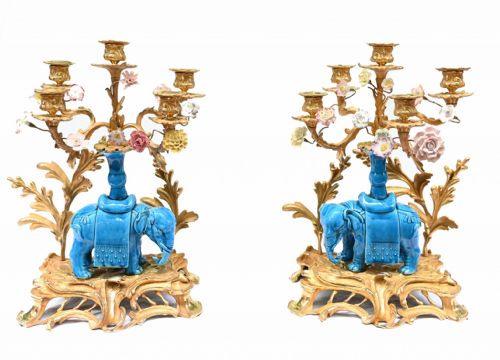
Rococo style figures encompass porcelain figurines, candelabras, candlesticks, and bronze statuettes that echo the elaborate ornamentation of the eighteenth century. These pieces frequently depict pastoral figures, allegorical representations of the seasons, cherubs, and romantic couples set upon scrolling bases. Buyers encounter examples ranging from eighteenth-century originals to nineteenth-century revivals produced by European factories.
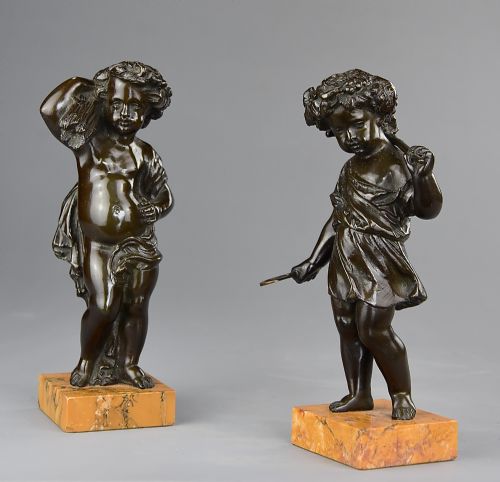
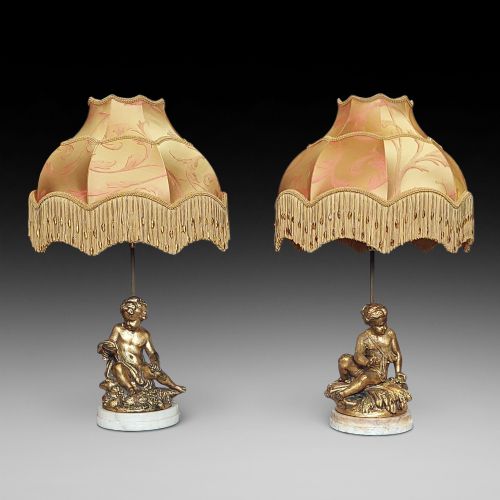
The selection on this page leans heavily toward nineteenth-century continental interpretations, particularly porcelain figures from German factories such as Meissen, Volkstedt, and Samson of Paris. French bronze puttis mounted on marble bases and Italian gilt alabaster pieces also appear alongside hard-paste porcelain table lamps and centre pieces. These later works adopt the asymmetrical scrolls, shell motifs, and lively poses characteristic of the movement.
What varies in quality
Quality in these pieces rests upon the crispness of the moulding and the delicacy of the hand-painting, where finer examples display subtle facial expressions and carefully rendered garments rather than heavily applied colour. The precision of the gilt work and the complexity of subsidiary elements, such as naturalistic foliage or musical instruments, distinguish superior output from standard commercial production.
Factory attribution also influences standing, with porcelain bearing documented marks from established houses commanding greater interest among collectors. The structural integrity of fragile appendages, delicate fingers, and applied porcelain flowers remains a primary indicator of preservation and manufacturing standard.
Porcelain figures engaged in playing the hurdy-gurdy bring rustic musical charm directly into the formal rococo parlour.
Edme Samson·Meissen Porcelain·Volkstedt Porcelain·Ernst Bohne Sohne·Vion et Baury
The Rococo Style Figures Glossary
- Hard-paste porcelain
- A durable ceramic composition fired at high temperatures, consisting primarily of kaolin and petuntse. This material allowed eighteenth and nineteenth-century factories to produce crisp details on sculptural figures.
- Blanc-de-chine
- A French term for white Chinese porcelain, later adopted by European potteries to describe unpainted white glazed figures. It highlights sculptural form without the distraction of surface colour.
- Putto
- A plump, naked male child figure frequently depicted in rococo art, often winged and resembling a cupid or cherub. These figures populate candelabras and pastoral groups.
- Gilt
- A thin layer of gold or gold-like material applied to the surface of bronze, wood, or porcelain. It provides the characteristic metallic gleam seen on rococo bases and decorative highlights.
Rococo Style Figures: Frequently Asked Questions
What periods do these figures date from?
The listings span from the eighteenth century through to the early twentieth century, incorporating original eighteenth-century pieces as well as nineteenth-century revivals.
Many nineteenth-century works deliberately emulate earlier eighteenth-century aesthetics, particularly styles associated with Meissen, Chelsea, and French court taste.
How do I identify a reproduction maker?
Makers such as Samson of Paris often applied derivative or adapted factory marks to nineteenth-century porcelain pieces created in the style of earlier houses like Chelsea or Derby.
Examining the paste quality, painting technique, and style of the mark helps distinguish a nineteenth-century revival piece from an eighteenth-century original.
What materials were commonly used?
Hard-paste porcelain dominates the ceramic listings, frequently decorated with hand-painted enamels, gilding, and gold leaf highlights.
Bronze also appears frequently, often paired with marble bases or adapted into candlesticks, lamp bases, and sculptural groups.
How were candlesticks and candelabras utilised?
These functional decorative objects combined sculptural figures with candle sockets, serving to illuminate dining tables and mantelpieces in wealthy interiors.
Figures of putti, allegorical seasons, or pastoral characters were integrated directly into the metal or porcelain framework of the lighting device.