


Rococo Salon Chairs
These rococo salon chairs bring ornate curves and elaborate carving to sitting rooms, offering a decorative seat for formal entertaining.
Rococo Salon Chairs
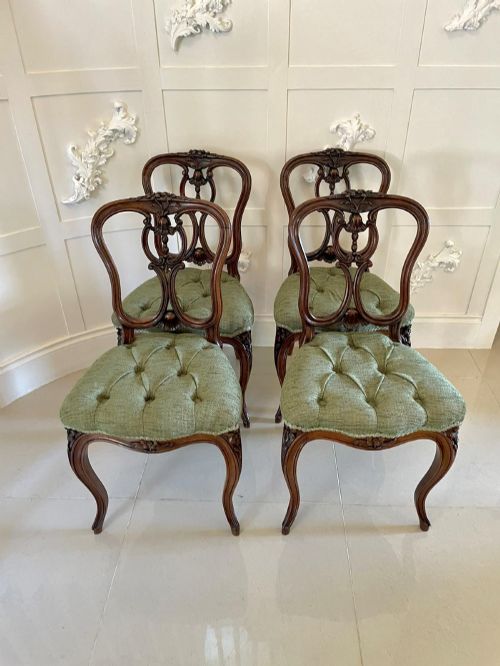
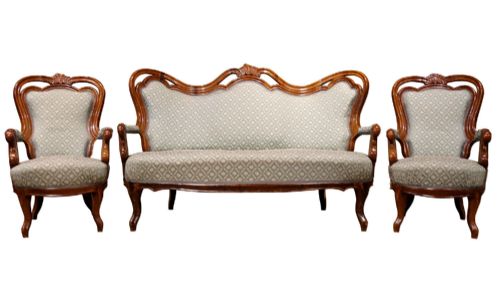
When searching for rococo salon chairs, a buyer encounters seating designed for formal reception rooms, drawing upon revived 18th-century French aesthetics. These pieces span single armchairs, pairs of side chairs, and matched three-piece suites.
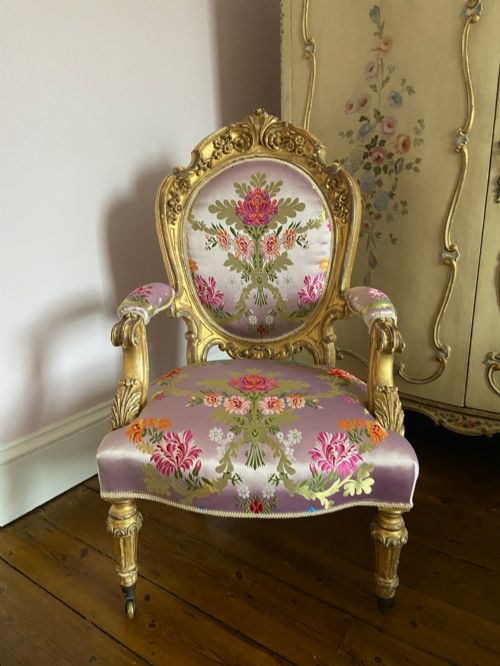
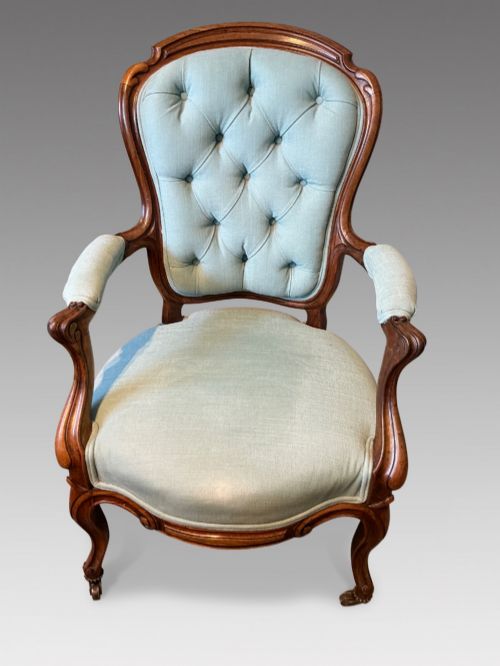
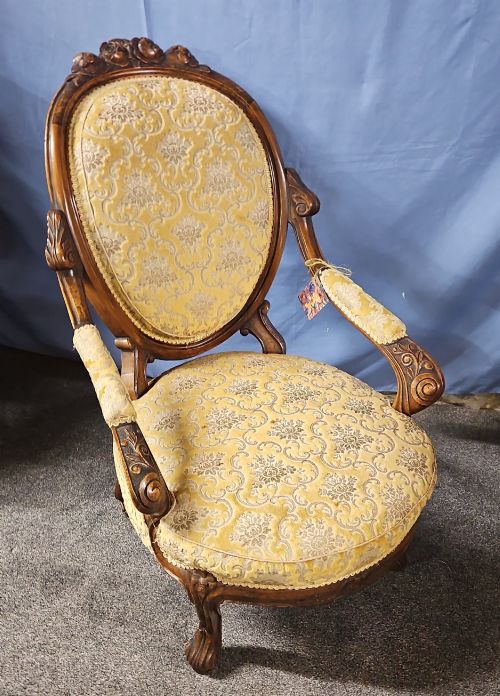
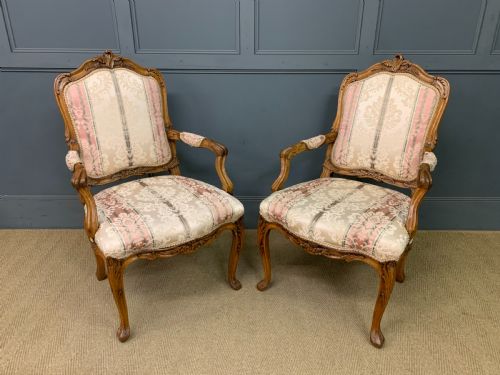
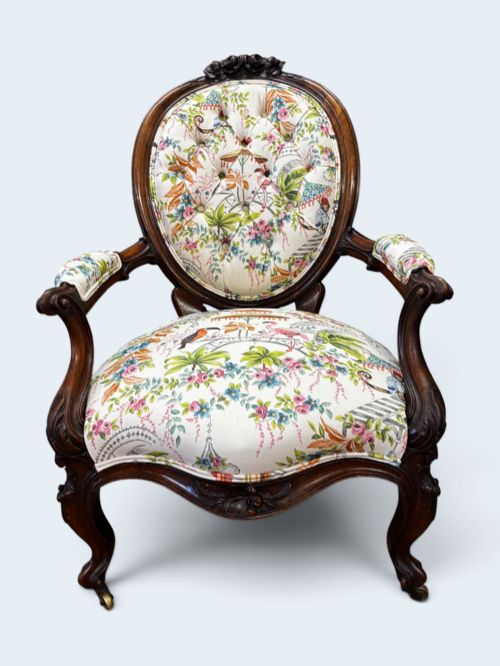
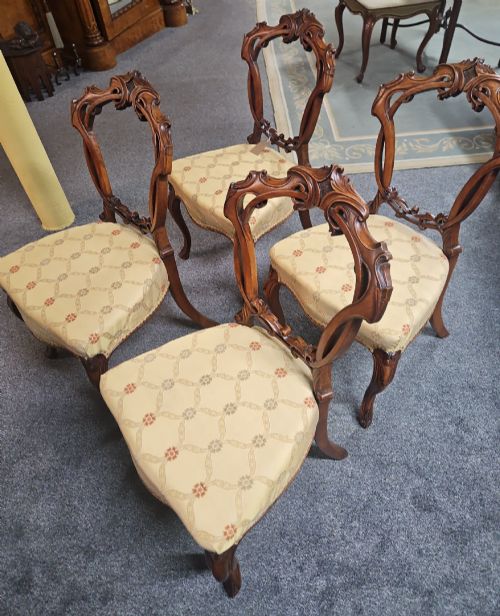
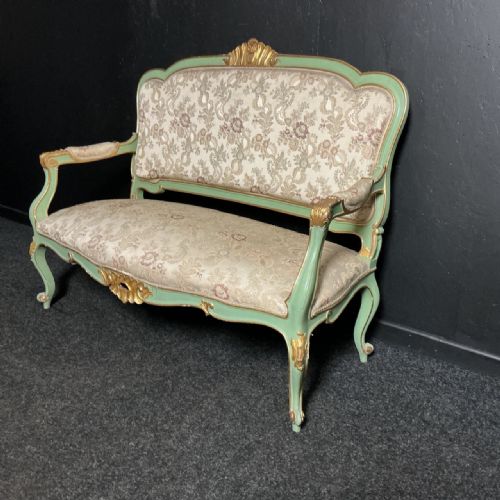
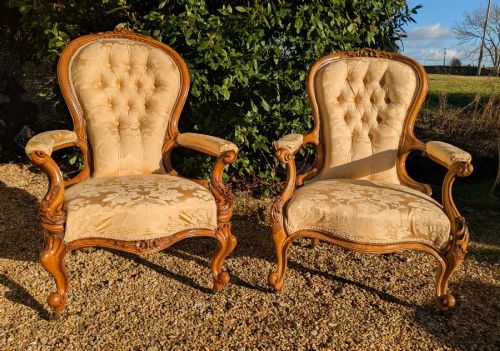
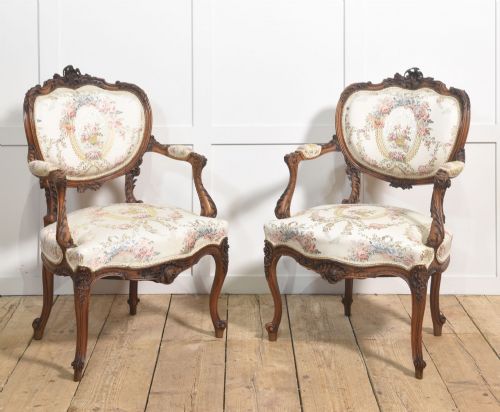
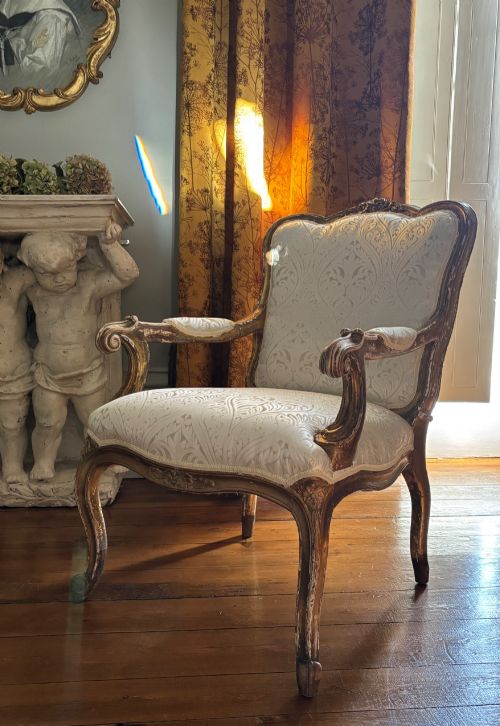
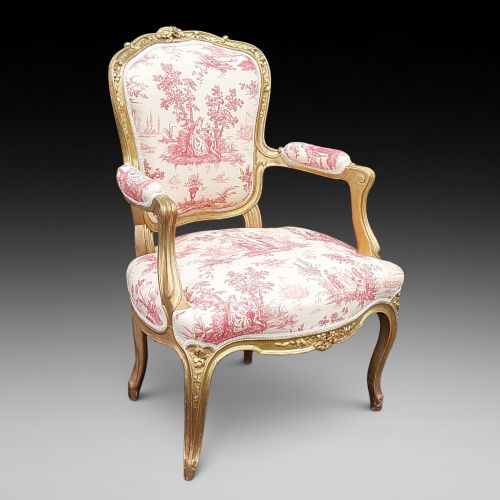
The version most commonly met on this page is the Victorian walnut or mahogany armchair, often featuring carved wooden frames, cabriole legs, and curved backs. Alongside these, French giltwood open armchairs and side chairs appear, reflecting Louis XV influence.
Makers and manufacturers varied the scale and ornament of these seats, producing compact nursing chairs, spoonback salon seats, and larger open armchairs. They turn up in sets of four or six alongside individual pieces intended for accent seating.
Distinctions in Quality
The refinement of the timber carving separates standard examples from exceptional pieces, with crisply undercut scrolls and naturalistic floral motifs marking superior craftsmanship. Solid walnut and gilded surfaces display greater depth of detail compared to simpler turned or moulded alternatives.
The harmony of the proportions and the integrity of the joinery determine the standing of an armchair or side chair. Matching sets and complete salon suites maintain higher cohesion in design across the settee and accompanying chairs.
The furniture spans single armchairs, matching pairs, and three-piece sets including settees.
The Rococo Salon Chairs Glossary
- Cabriole leg
- A furniture leg that bends outward in a convex curve and tapers inward in a concave curve, ending in a pad or foot. This form derives from animal limbs and typifies revival styles.
- Giltwood
- Timber coated with a thin layer of gold leaf or gilt paint. It appears frequently on formal French armchairs and salon seats.
- Spoonback
- A chair back hollowed out in the vertical plane to resemble the bowl of a spoon, designed to fit the human spine. It is common on Victorian upholstered salon chairs.
- Fauteuil
- An open-armed wooden armchair with upholstered back and armpads, originating in France. The wooden frame remains exposed around the padded sections.
- Ormolu
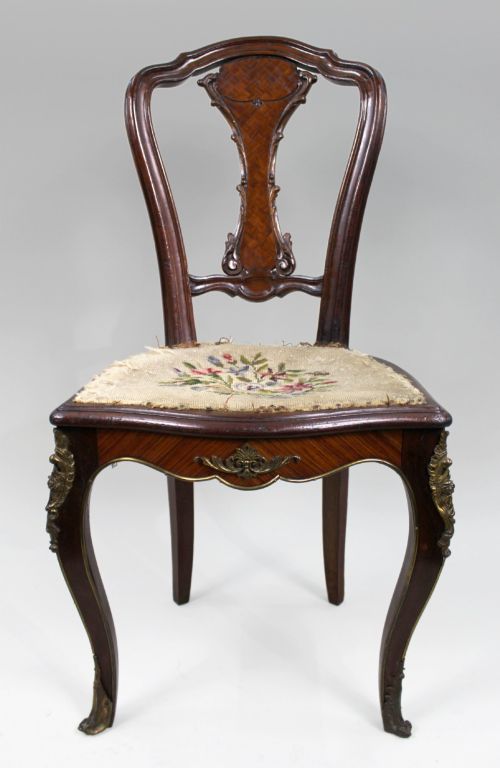
- Gilded bronze or brass applied as a decorative mount on furniture. It adorns fine French parquetry and cabinet work.
Rococo Salon Chairs: Frequently Asked Questions
How do I use rococo salon chairs today?
These chairs fit well as accent seating in living rooms, bedrooms, or studies where their decorative carved frames add a focal point.
Because many feature compact proportions, they function effectively as occasional chairs rather than heavy-use lounging seats.
Are these chairs English or French?
The listings include both English walnut and mahogany pieces made during the Victorian era alongside French giltwood and walnut examples.
French pieces frequently display lighter frames, gilt finishes, or ormolu mounts, while English pieces often emphasise dark timber and robust carving.
What is a salon suite?
A salon suite consists of a matched set of seating furniture, usually comprising a settee or sofa alongside a pair of matching armchairs.
These suites were designed to provide uniform seating for guests in a formal Victorian or continental drawing room.
How do I identify the period of these chairs?
The periods range from mid-19th-century Victorian and 1860s production up to later revivals around 1890 and the early 20th century.
Timber choice, upholstery style, and the specific character of the revival styling help distinguish mid-Victorian craftsmanship from later interpretations.