


Rococo Revival Gilt Frame
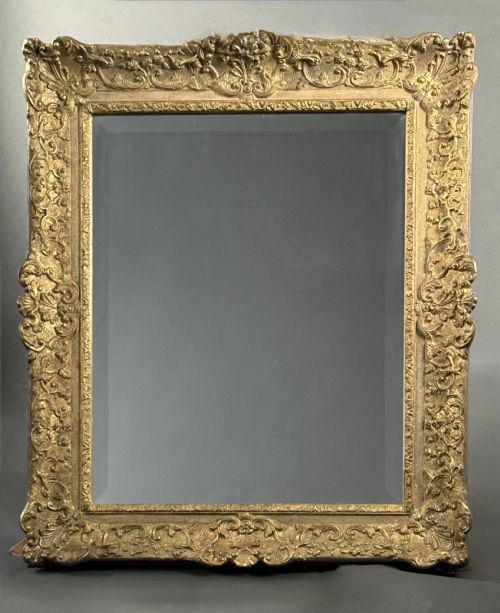
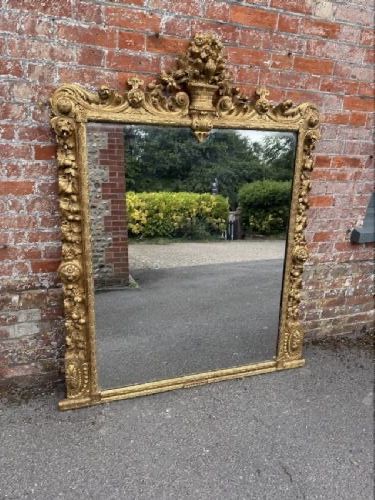
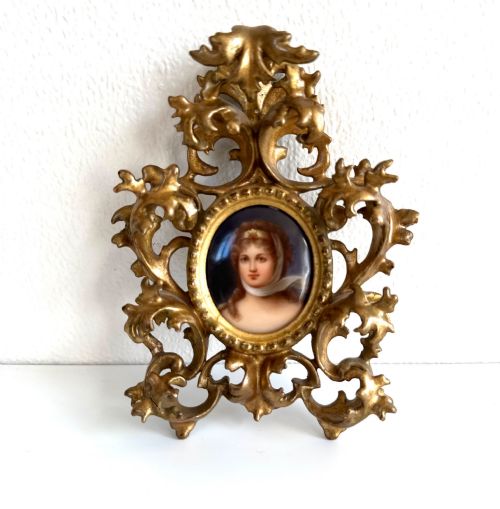
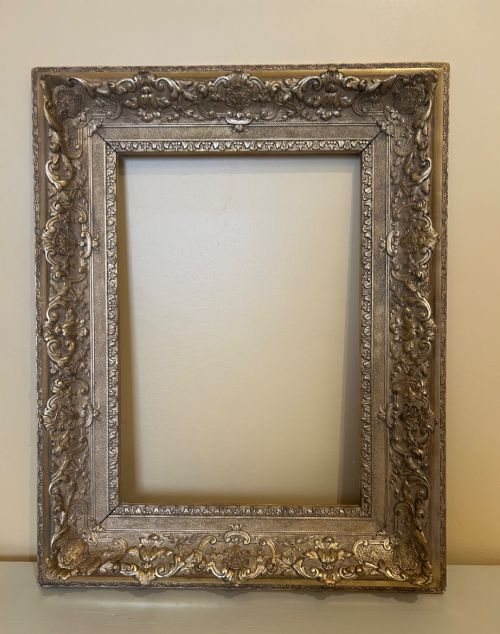
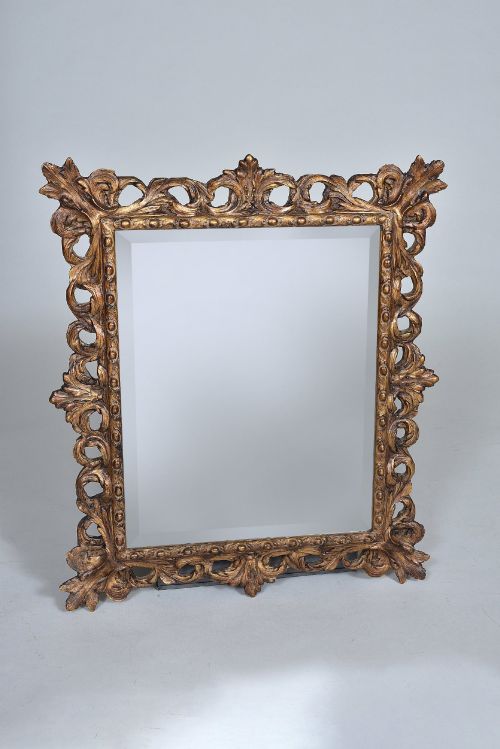
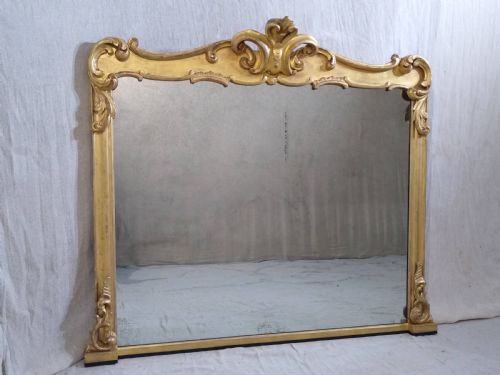
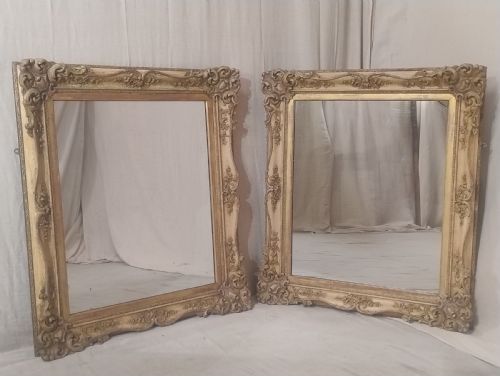
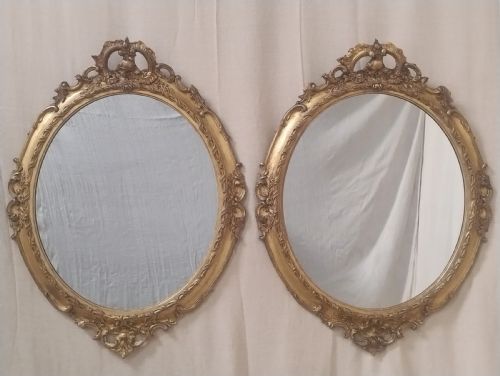
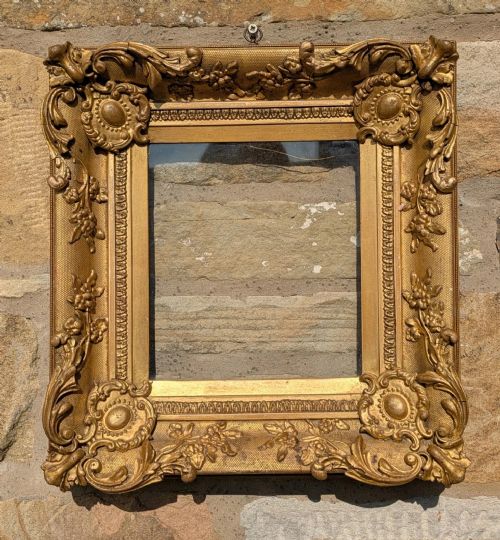
A rococo revival gilt frame brings exuberant nineteenth-century curves, asymmetric scrollwork and gilded warmth to any interior wall.
Rococo Revival Gilt Frame
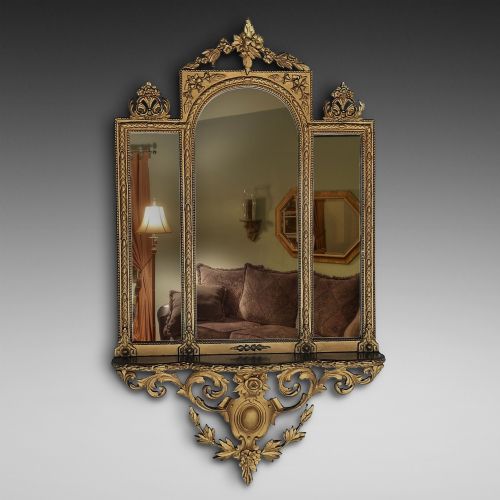
When someone searches for a rococo revival gilt frame, they are looking at ornate nineteenth-century decorative work designed to catch the light and command attention. The search covers everything from compact picture frames and dressing mirrors to grand overmantle mirrors and wall hanging pier mirrors.
The version most commonly met on this page is the Victorian or late nineteenth-century wall mirror, often incorporating gesso moulding over carved wood. These pieces span English, French, and Italian workshops dating from the eighteen-fifties through to the nineteen-twenties, reflecting a sustained European appetite for Louis XV extravagance.
How they were made
Makers built these frames using seasoned timber substrates, typically pine or walnut, which were then shaped by hand or assembled with applied ornaments. Artisans applied layers of gesso - a fine plaster mixture - over the wood to create smooth surfaces suitable for intricate relief carving and scrollwork.
Gold leaf or metallic paint was laid over the gesso ground to achieve the characteristic rich surface sheen. Many items also feature heavy cast composition ornamentation for complex floral and C-scroll motifs, paired with original bevelled or flat mirror glass.
Listings feature periods spanning from eighteen-forties wall mirrors to nineteen-thirties French pieces, predominantly utilising giltwood, gesso, and mirror glass.
What varies in quality
Quality rests in the crispness of the modelled gesso and the depth of the underlying wood carving rather than flat uniformity. Finer examples show sharp relief work in the acanthus leaves and shell motifs, whereas simpler pieces rely on moulded composition that softens over time.
The choice of gilding materials also marks the division between standard and superior pieces. Hand-applied gold leaf retains a warm, complex metallic lustre, while lesser items use heavier, duller paint applications that lack depth.
The Rococo Revival Gilt Frame Glossary
- Gesso
- A plaster-like mixture applied to wood frames to provide a smooth, absorbent base for gilding and relief ornamentation. It is built up in layers before being carved or stamped.
- Giltwood
- Timber that has been coated with gold leaf or metallic powder. This finish gives frames their characteristic golden brilliance.
- Overmantle Mirror
- A large mirror specifically designed to hang above a fireplace mantelpiece. These pieces often feature wide proportions to balance the hearth below.
- Cartouche
- An ornamental frame or tablet resembling a rolled-up piece of paper with scrolled edges. It frequently forms the central motif in rococo cartouche mirrors.
- Pier Mirror
- A tall mirror designed to hang on the narrow wall space between two windows. They often stand above small console tables in nineteenth-century interiors.
Rococo Revival Gilt Frame: Frequently Asked Questions
How do I hang a heavy overmantle mirror safely?
Large overmantle mirrors require robust wall fixings secured directly into masonry or heavy timber studs. Due to the combined weight of the wood, gesso, and thick glass plate, professional installation using rated mirror brackets is essential.
Ensure the hanging wire or integrated D-rings on the rear are structurally sound and capable of supporting the entire load without shifting over time.
Are these frames made of solid gold?
No, these pieces are constructed from wood, gesso, or composition materials covered with a very thin layer of gold leaf or metallic paint. Solid gold would be prohibitively heavy and structurally impractical for large wall mirrors.
The application technique provides the rich appearance of solid metal while keeping the weight manageable for domestic walls.
How do I clean an antique gilt frame?
Dust the frame gently using a soft, dry artist's brush or a clean microfibre cloth. Avoid applying water, chemical cleaners, or commercial polish, as these substances can dissolve the delicate gesso and lift the historic gold leaf.
Keep the mirror away from direct heat sources and damp environments to prevent the timber substrate from warping and cracking the surface finish.
How can I tell a nineteenth-century frame from a later copy?
Examine the construction joints, the backing boards, and the nature of the gesso application under magnification. Older pieces show hand-tool marks, oxidised fixings, and shrinkage cracks in the gesso that indicate natural ageing.
Twentieth-century reproductions often display more uniform surfaces, modern hardware, and machine-cut backing timbers lacking the patina of age.