




Rococo Revival Fauteuil
These rococo revival fauteuil armchairs bring asymmetric curves and gilded elegance straight from nineteenth-century drawing rooms.
Rococo Revival Fauteuil
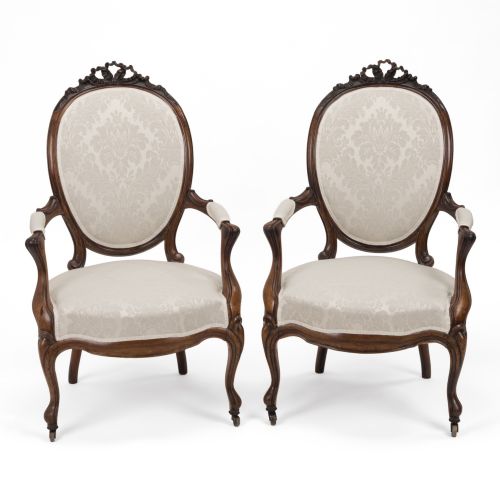
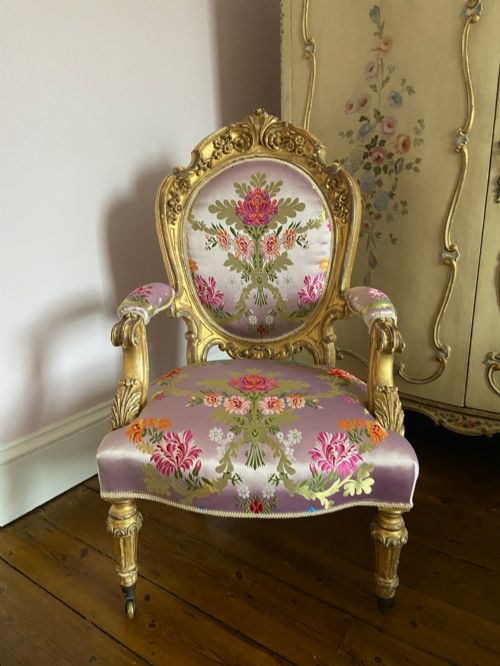
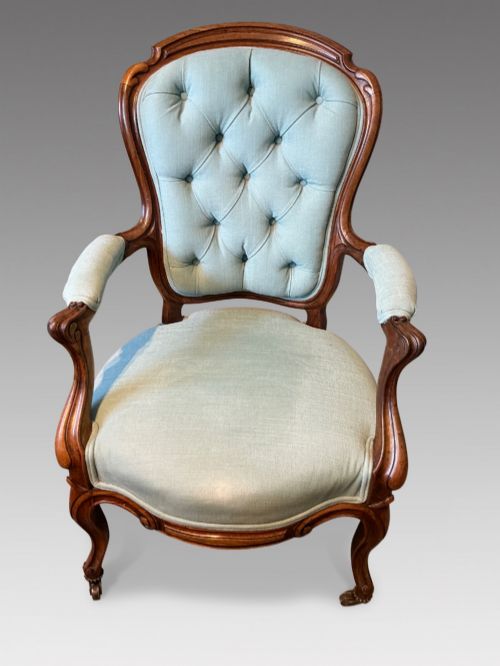
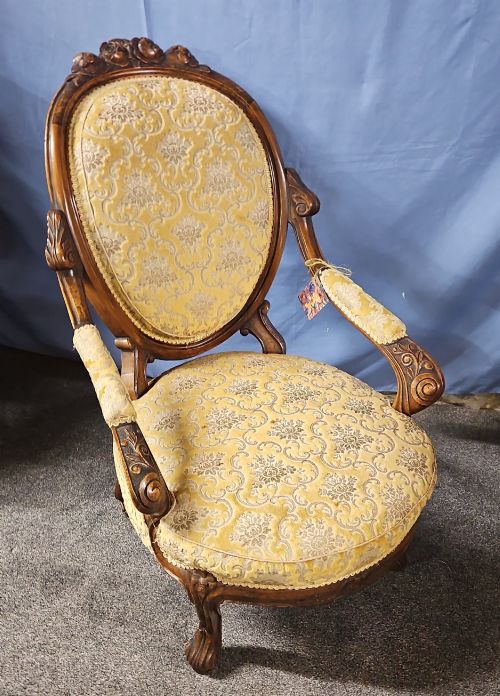
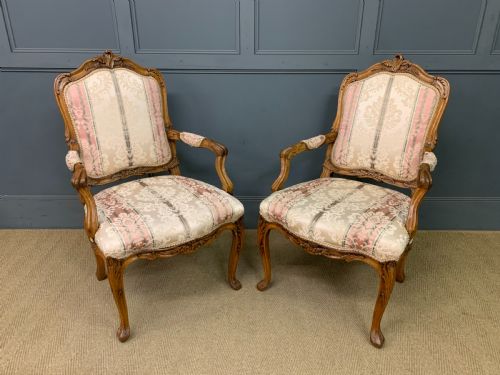
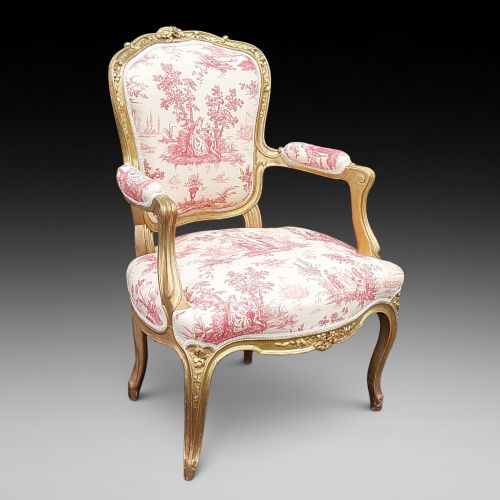
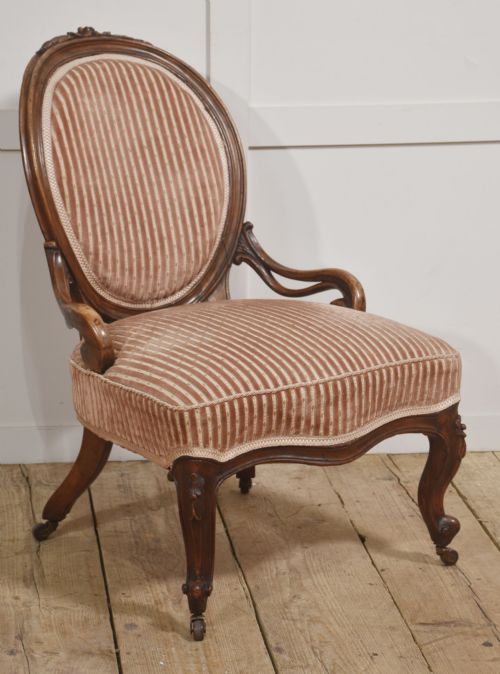
A rococo revival fauteuil is an open-armed seating form defined by the sweeping lines of the mid-nineteenth century. You will most frequently encounter these items shaped from walnut or rosewood, alongside bright giltwood salon pieces.
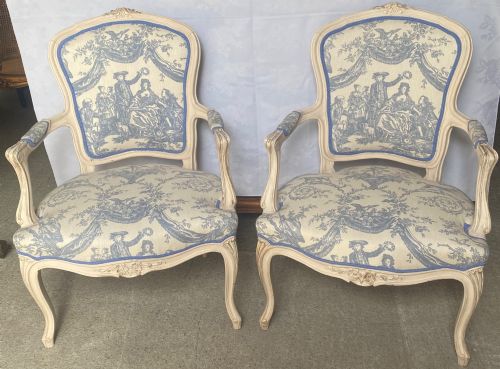
The aesthetic draws heavily on French Louis XV models, often categorized as French Rococo Revival or Napoleon III designs. These seating options range from single open armchairs to complete salon suites intended for formal reception rooms.
Most examples date across the nineteenth century, including specific decades like the eighteen-eighties and eighteen-nineties, with occasional twentieth-century iterations carrying the same historic styling.
How They Were Made
The structural framework relies on carved hardwoods like walnut, rosewood, and beech, which tolerate intricate shaping along the crest rails and cabriole legs. Giltwood variants receive a delicate layer of gold leaf over gesso and wood.
Upholstery techniques involve traditional sprung or padded foundations enclosed in materials such as velvet, needlework, and contemporary fabric. Frames frequently display hand-carved floral motifs and asymmetrical scrollwork executed directly into the timber.
Rococo Revival Fauteuil Retail Price Guide 2026
Typical asking prices for rococo revival fauteuil among the pieces listed under this phrase on Sellingantiques today, from the lower quarter to the upper quarter. They describe what is for sale here now, not the wider market.
Many of these chairs survived because previous owners valued them far too much to ever actually sit down.
What Varies in Quality
The depth and crispness of the timber carving dictate much of the visual distinction between individual chairs. Hand-carved walnut and rosewood show a sharpness in scroll and leaf details that machine moulding misses.
The survival of original gilding and the integrity of the joinery also separate standard pieces from superior examples. Heavy gilding that retains its burnished lustre indicates a higher grade of workshop production.
The Rococo Revival Fauteuil Glossary
- Fauteuil
- An open-armed upholstered armchair originating in France. These chairs feature exposed wooden frames around the back and armrests.
- Giltwood
- Timber treated with gold leaf or powder applied over a prepared surface. This finish creates a brilliant metallic sheen popular in formal nineteenth-century salons.
- Cabriole leg
- A furniture leg that curves outward and then tapers inward, mimicking an animal's leg. It forms a primary characteristic of rococo revival seating.
- Petit point
- A fine, count-stitch embroidery executed on single-mesh canvas. This technique often appears on nineteenth-century chair covers.
- Napoleon III
- A nineteenth-century French design period associated with eclectic revivals of earlier royal styles. Pieces from this era often incorporate rich gilding and vibrant upholstery.
Rococo Revival Fauteuil: Frequently Asked Questions
What is a fauteuil?
A fauteuil is an upholstered armchair featuring an open wooden frame, designed for formal sitting rooms during the eighteenth and nineteenth centuries.
These seats prioritize decorative grace alongside comfort, often appearing in pairs or larger salon suites.
How do I date a chair?
Dating relies on timber choice, carving style, and upholstery remnants, noting whether the piece uses solid walnut, rosewood, or gilt finishes.
Nineteenth-century examples frequently show distinct revival traits tied to Victorian or French Louis XV influences.
Where were they used?
These armchairs served in drawing rooms, parlours, and formal reception spaces where entertaining guests took place.
Their open arms allowed individuals wearing wide nineteenth-century fashions to sit without restriction.
How do I care for giltwood?
Giltwood requires protection from direct sunlight and moisture to prevent the delicate gold leaf from flaking or tarnishing over time.
Dusting should occur gently with a dry, soft cloth rather than any liquid cleaning agents.