
Antique Rococo Armchair
An antique rococo armchair brings the curved exuberance of eighteenth-century continental design directly into a modern room.
Antique Rococo Armchair
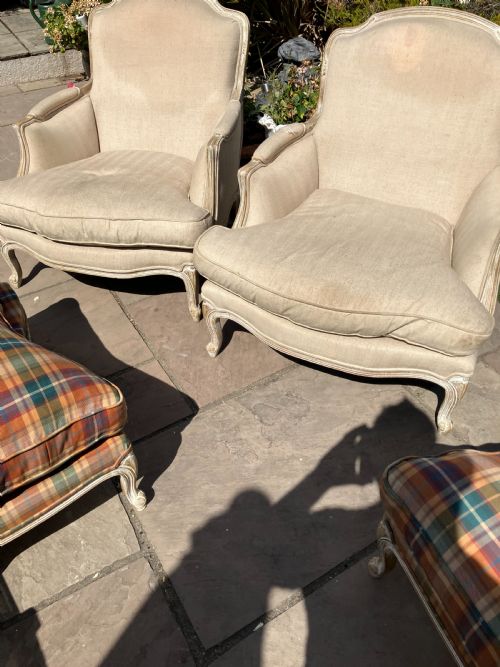
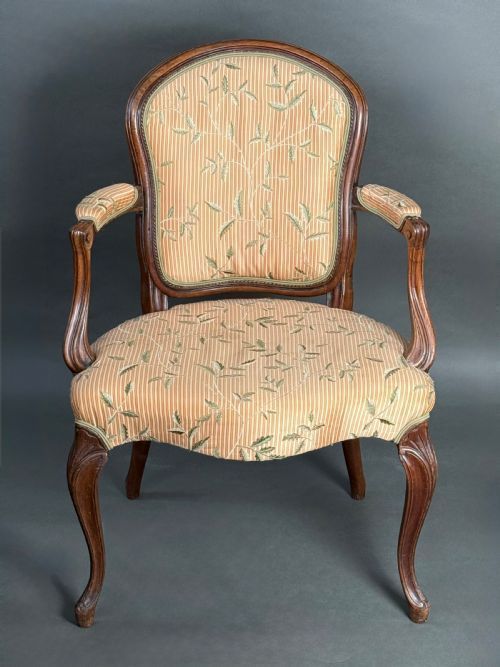
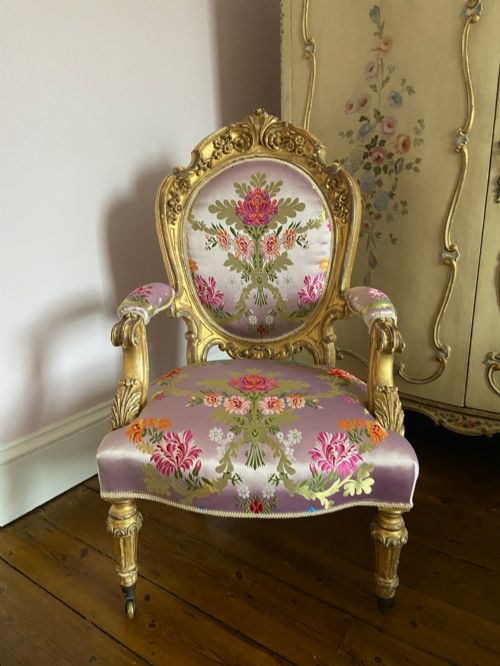
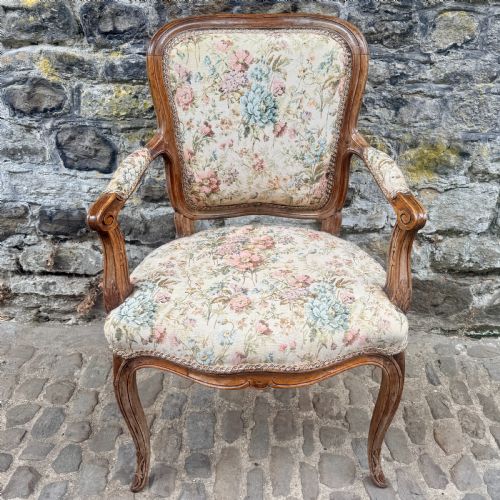
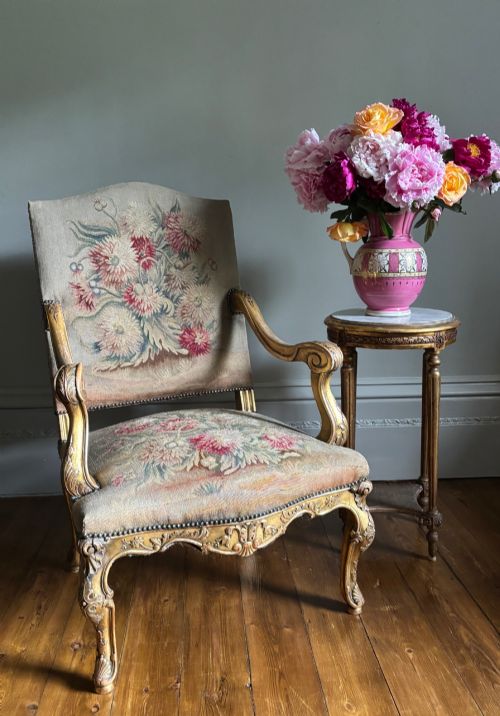
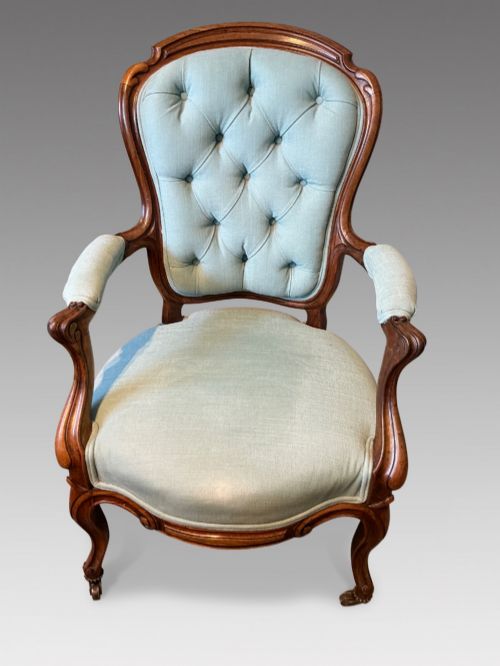
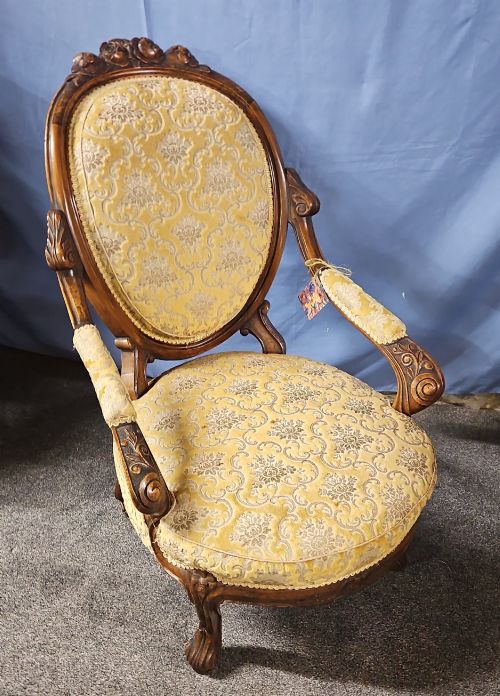
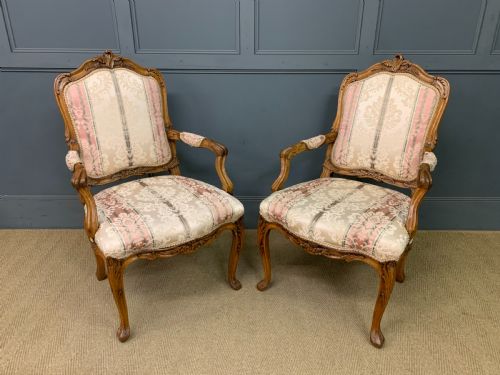
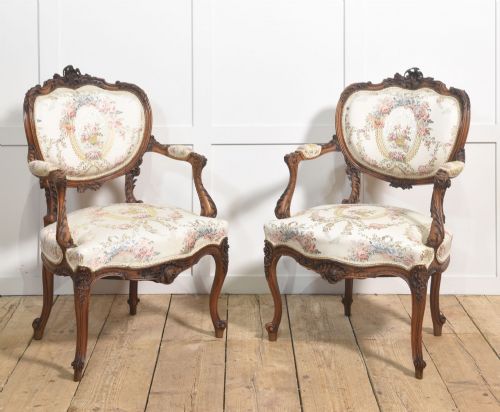
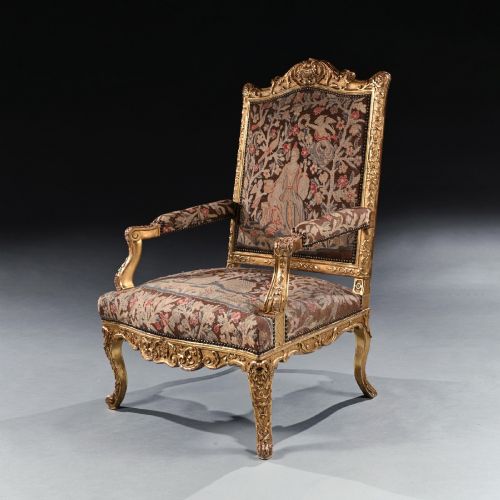
When you search for an antique rococo armchair, you encounter seating defined by asymmetrical curves, scrolling foliage, and cabriole legs. The pieces on this page span genuine eighteenth-century continental origins alongside nineteenth-century revival iterations from the Victorian era.
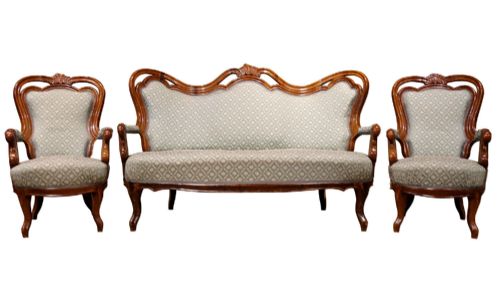
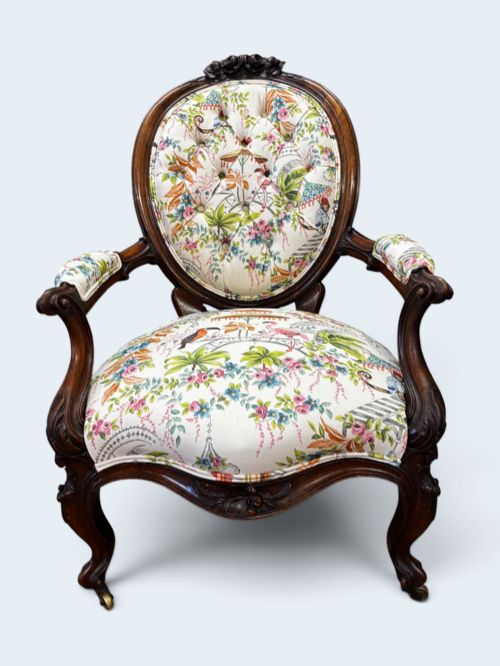
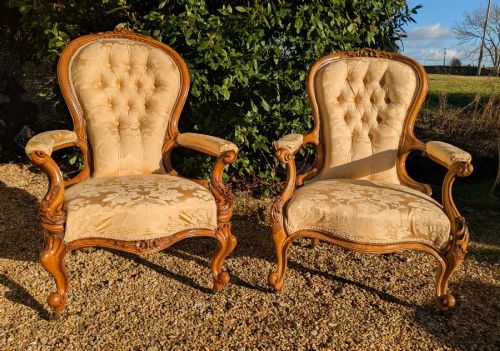
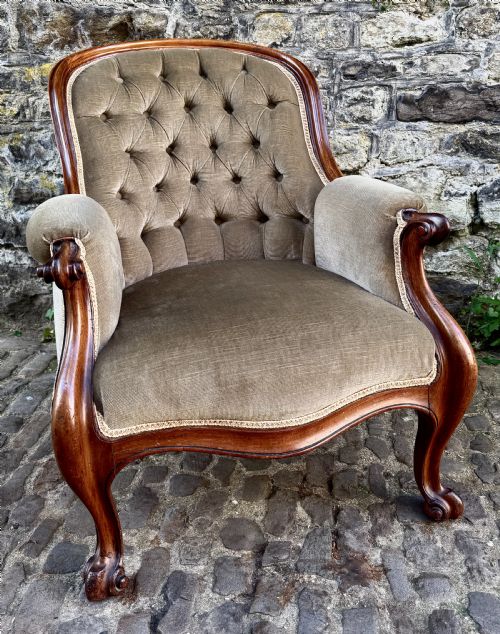
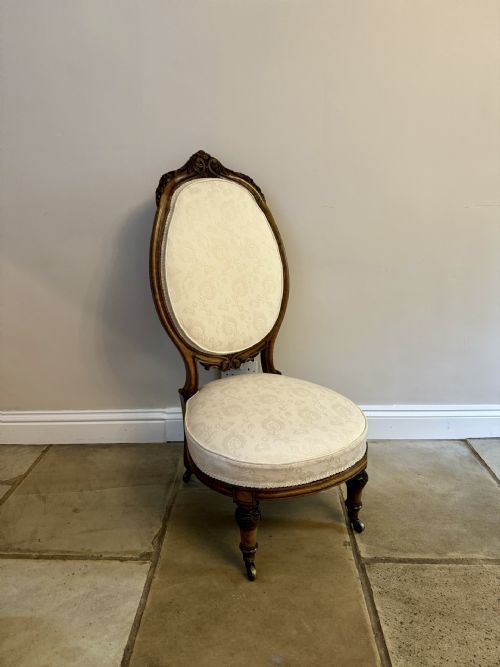
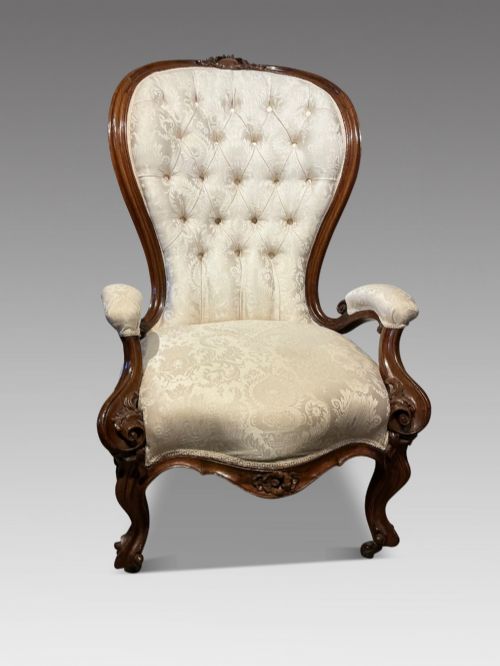
Most examples you meet combine carved wooden frames in walnut, beech, or giltwood with upholstered elements. These range from provincial French armchairs and grand Italian giltwood seats to sturdy Victorian walnut salon chairs bearing the heavy influence of Louis XV design.
Materials and construction
Makers shaped structural frames from hardwoods such as walnut and beech, which accepted deep, flowing carvings without splitting along the grain. Gilding, paint, or clear polish finished the wooden surfaces to highlight the intricate scrolls.
Upholstery completed the piece, utilising traditional stuffing methods secured beneath decorative textiles like silk, velvet, and patterned fabrics. Skilled artisans joined the cabriole legs directly into the seat rail using sturdy mortise and tenon joints.
Current listings feature walnut, beech, and giltwood frames spanning the eighteenth century through the late Victorian revival period.
Assessing quality
Quality rests primarily in the crispness and depth of the hand-carved ornamentation across the crest rail and cabriole legs. Superior pieces display fluid, hand-tooled lines where the wood appears to swell naturally rather than looking stiff or mechanically produced.
The choice of primary timber and the integrity of the original giltwood or polished surface also dictate the grade of the chair. Heavier walnut frames and well-preserved early surface finishes separate standard revival pieces from finer historical examples.
The Antique Rococo Armchair Glossary
- Cabriole leg
- A furniture leg that curves outward at the knee and tapers inward toward the foot, mimicking animal limbs. This form appeared frequently on eighteenth-century seating.
- Fauteuil
- An open-framed armchair with upholstered back and armrests, typically featuring exposed wood around the borders. French makers popularised this form during the reign of Louis XV.
- Crest rail
- The uppermost horizontal member of a chair back. On these chairs, it often bears elaborate floral or scroll carvings.
- Bergere
- An enclosed upholstered armchair with padded sides set into a wooden frame. These seats often include a loose down cushion.
Antique Rococo Armchair: Frequently Asked Questions
How do I date an antique rococo armchair?
Dating relies on examining the timber species, tool marks left by the maker, and the overall style of the carving. Eighteenth-century models display hand-cut joinery and native continental timbers, while later nineteenth-century revivals often show machine assistance or Victorian structural habits.
Upholstery webbing and nail types can offer further clues, though most historic chairs have been recovered multiple times. Comparing the subtlety of the asymmetrical scrollwork to known period examples helps confirm the decade of production.
Were these armchairs used at dining tables?
Most pieces matching this search phrase served as salon, drawing room, or occasional seating rather than dining furniture. Their wide open arms and low, relaxed seats were designed for social gatherings, reading, or conversation in formal parlours.
While some matched sets include dining chairs, the armchairs themselves were typically paired with small sofas or setts as part of a larger salon suite. They functioned as statement pieces in domestic reception spaces.
How should I care for vintage silk upholstery?
Protect delicate silk and velvet fabrics from direct sunlight to prevent fading and textile degradation over time. Gentle vacuuming with a soft brush attachment removes surface dust without catching fragile threads.
Avoid placing these chairs in damp environments, as ancient hardwoods and historic glues react poorly to humidity changes. Professional textile conservators should handle any deep cleaning or structural reupholstery.
What is the difference between French and Italian rococo?
French rococo design, particularly from the Louis XV period, emphasises restraint, refined asymmetry, and delicate floral carvings. The lines flow smoothly with a lighter overall visual weight.
Italian rococo leans toward theatrical extravagance, featuring deeply undercut scrolling, heavier giltwood finishes, and more assertive sculptural elements. Venetian and Roman workshops favoured high-relief motifs that commanded attention in grand palazzos.