


Green Tapestry Chair
A green tapestry chair offers a rich blend of historic textiles and solid timber, bringing enduring character and period charm to any room.
Green Tapestry Chair
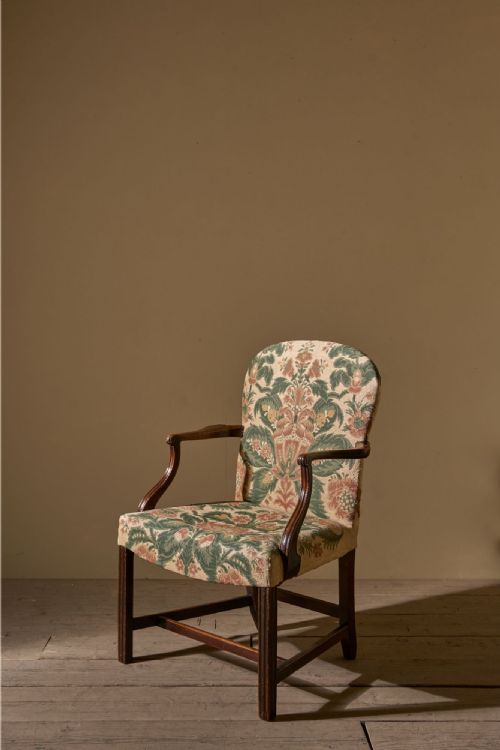
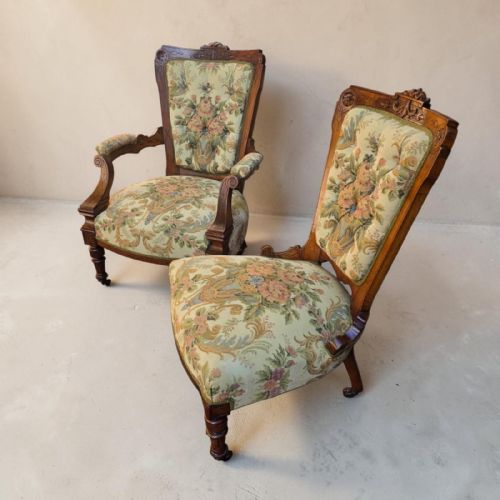
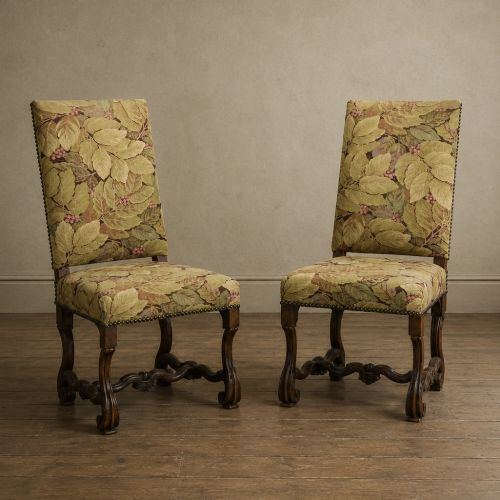
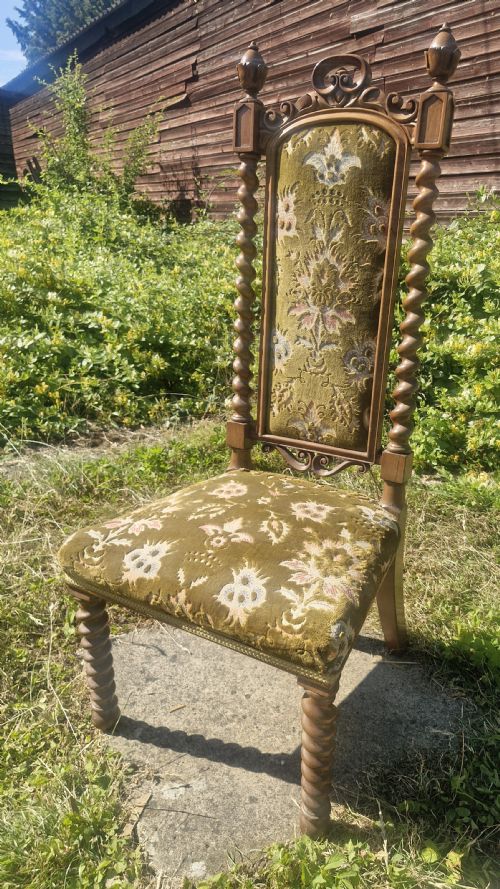
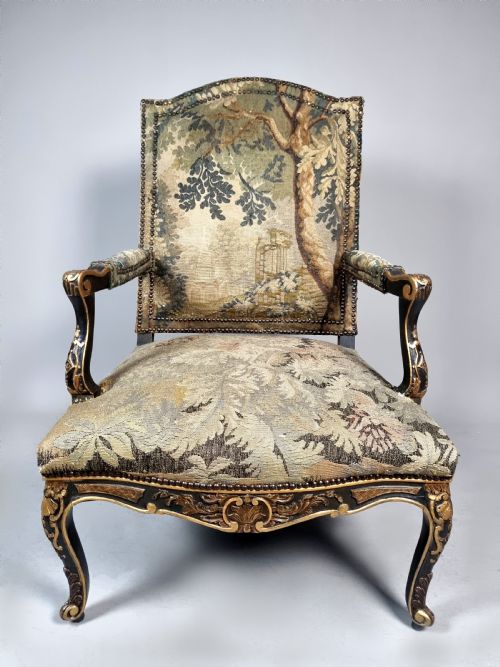
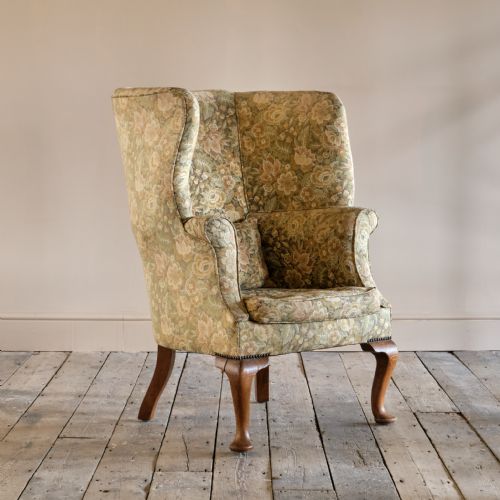
A green tapestry chair brings together robust wooden frames and patterned textile upholstery. When looking for a green tapestry chair on this page, buyers encounter a variety of forms ranging from compact side chairs and occasional seats to large wing library armchairs and salon chairs.
The selections span multiple centuries and design movements, including Georgian, Victorian, Edwardian, and specific revivals such as Queen Anne, Jacobean, and Louis XIV. These pieces function historically as functional seating in halls, studies, and drawing rooms.
Materials and construction
Makers primarily utilised durable hardwoods such as walnut, mahogany, and oak to construct the supportive frames, often incorporating carved details and exposed wooden elements. Brass components occasionally appear in hardware or structural accents.
Upholstery relies on textile fabrics, wool, and hand-stitched needlepoint or tapestry panels. These decorative covers are secured over traditional stuffing and webbing within the wooden armchairs and side chairs.
Green Tapestry Chair Retail Price Guide 2026
Typical asking prices for green tapestry chair among the pieces listed under this phrase on Sellingantiques today, from the lower quarter to the upper quarter. They describe what is for sale here now, not the wider market.
The available seating spans the Georgian, Victorian, Edwardian, and Art Deco periods.
Evaluating craftsmanship
The standard of a piece depends heavily on the execution of the timber framing and the intricacy of the woodwork. Carved walnut or mahogany frames with detailed ornamentation represent higher tiers of construction compared to simpler structural forms.
The quality of the textile work also defines the piece, particularly where detailed needlepoint or petit point panels replace standard woven fabric. Original period upholstery and careful hand-stitching elevate the status of historical seating.
Heals
The Green Tapestry Chair Glossary
- Tapestry
- A heavy textile woven with a pictorial or decorative design, often used for durable upholstery on historic seating.
- Wingback
- An armchair featuring side panels attached to the arms and framing the back, designed to shield the occupant from drafts.
- Salon chair
- A light, decorative chair intended for formal reception rooms rather than heavy daily use.
- Carver chair
- An armchair, typically with wooden arms, often used at the head of a dining table or as a substantial occasional seat.
- Needlepoint
- Embroidery stitched onto a canvas mesh background to create dense, durable patterns on textile furniture.
Green Tapestry Chair: Frequently Asked Questions
What is a green tapestry chair?
A green tapestry chair is a historic seat upholstered in woven textile or needlepoint featuring green tones, paired with a wooden frame.
These pieces range from formal Victorian salon chairs to sturdy Georgian and Edwardian armchairs.
How do I date an antique armchair?
Dating relies on examining the timber species, joinery methods, and the style of the carved woodwork.
Comparing the upholstery technique and frame silhouette against known historical periods helps narrow down the decade.
Where were these chairs used historically?
They served primarily in reception rooms, drawing rooms, libraries, and bedrooms of large homes.
Wingback variants provided warmth near fireplaces, while lighter side and desk chairs furnished studies and halls.
How do I care for antique upholstery?
Protect antique textiles from direct sunlight to prevent fading and degradation of the natural wool and fibres.
Gentle surface cleaning by professionals helps maintain the integrity of delicate needlepoint and tapestry panels.