

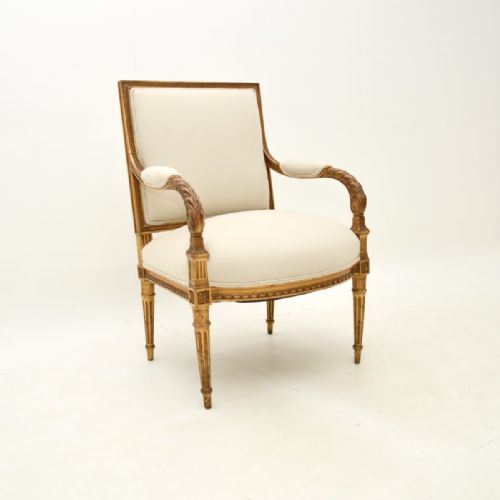
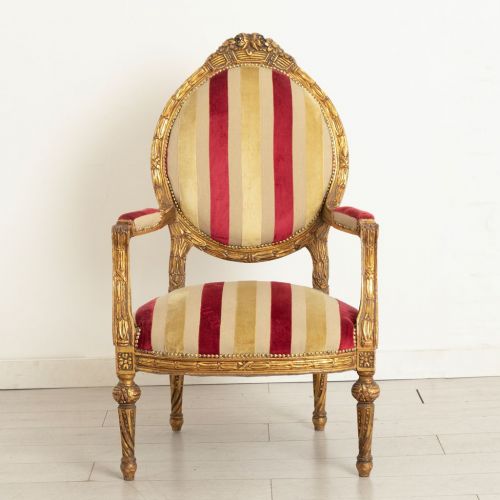
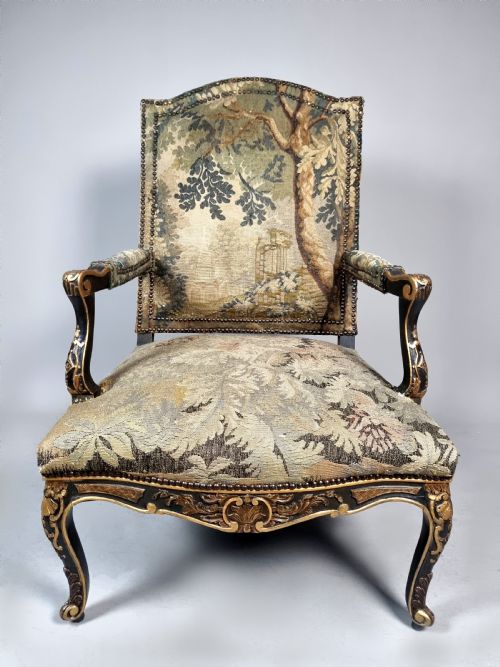
French Period Armchair
A french period armchair brings distinct seating history into a room through carved timber, exposed arms and period upholstery.
French Period Armchair
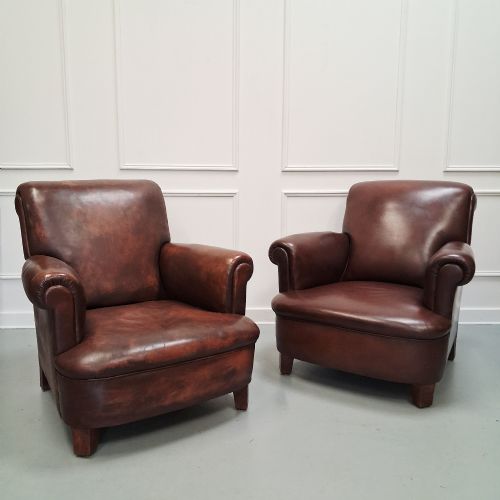
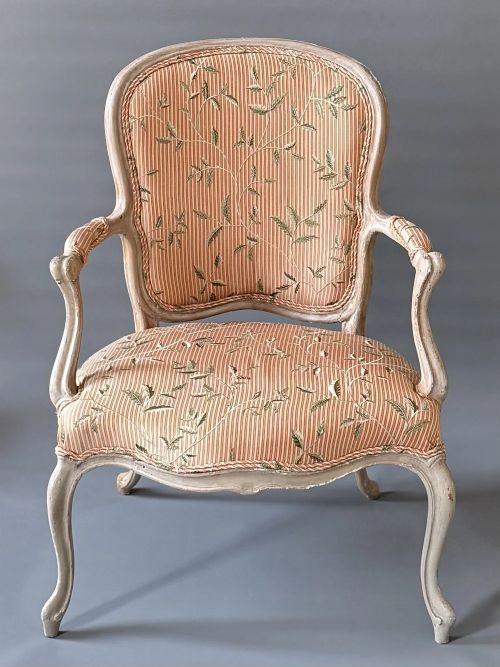
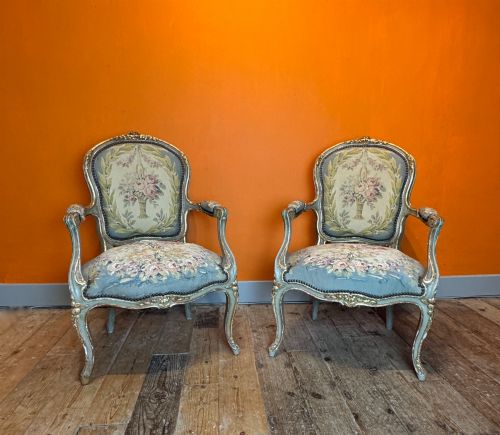
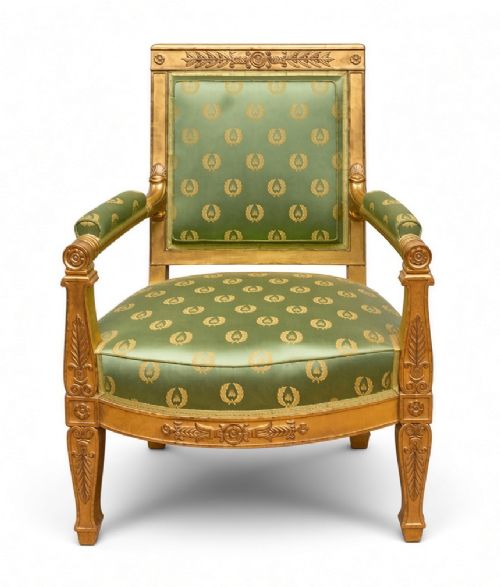
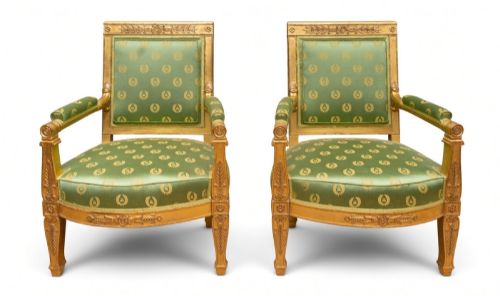
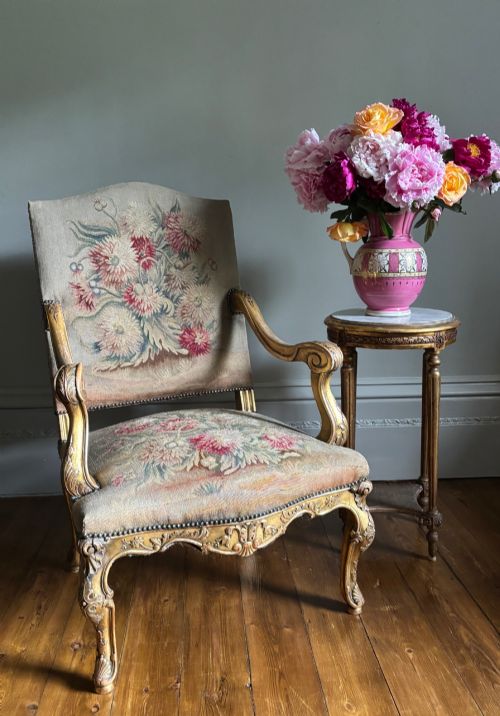
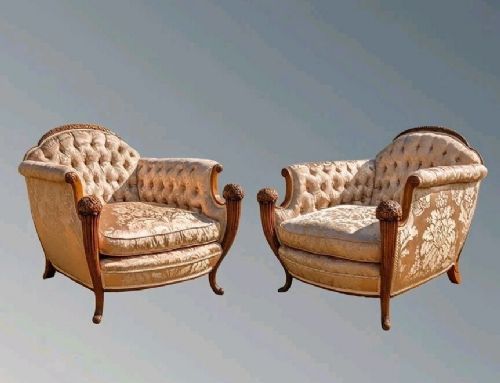
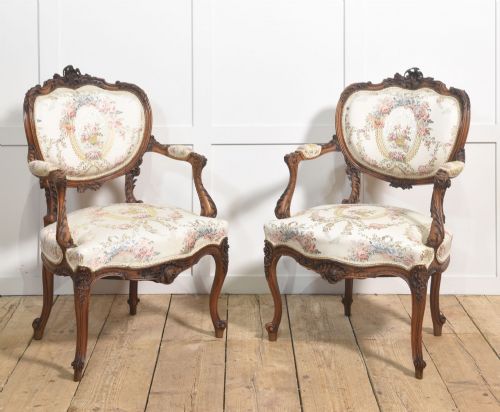
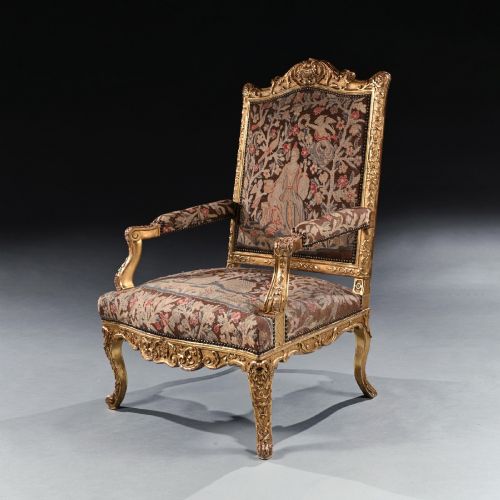
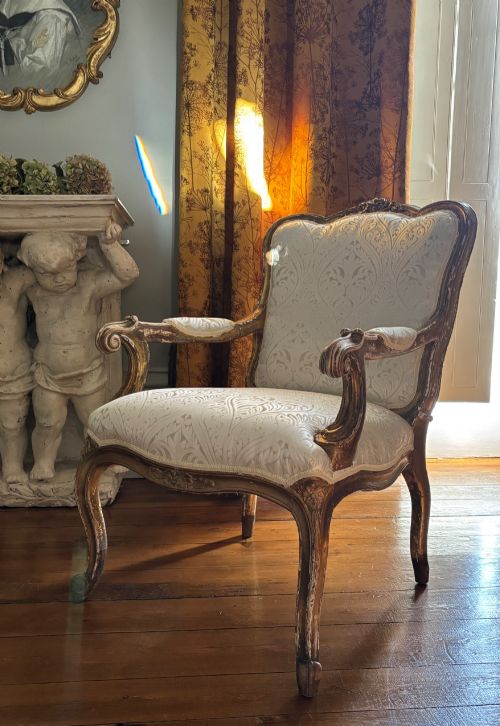
A french period armchair covers seating formats originating across centuries of domestic and court design, spanning centuries of cabinet-making traditions. Buyers seeking a french period armchair encounter diverse interpretations, from eighteenth-century giltwood creations to nineteenth-century revival salon pieces and twentieth-century club forms.
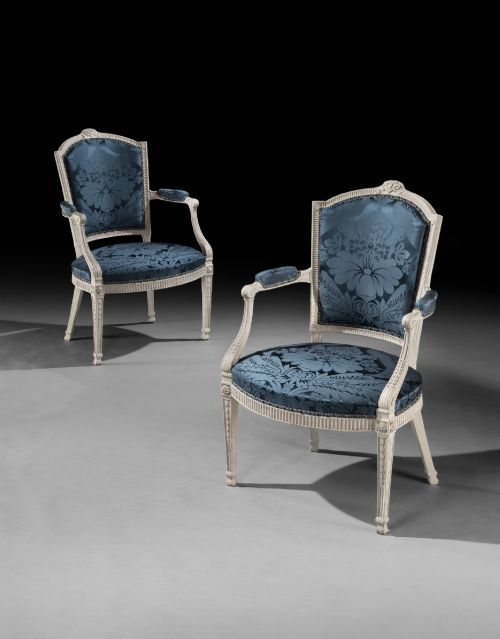
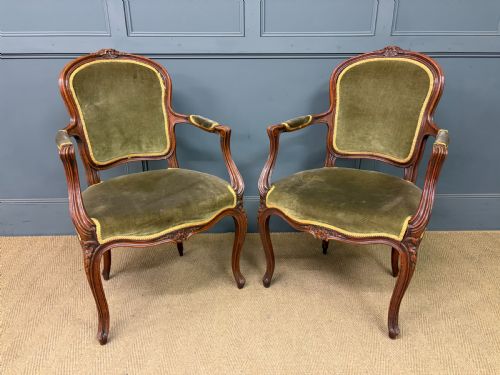
The selections on this page concentrate heavily on nineteenth-century examples and revival iterations, alongside earlier eighteenth-century designs. Forms range from open armchairs and bergères to substantial salon suites and low bedroom seating.
Makers and workshops across France and Britain adapted continental proportions into local idioms, creating seating intended for drawing rooms, boudoirs and formal display. Surviving examples retain historic upholstery, replacement silks, or frames stripped down to their timber foundations.
How they were made
Construction relies on structural timbers such as walnut, beech, mahogany and rosewood, shaped through joinery and hand-carving. Giltwood surfaces combine carved wood bases with applied gold leaf, while painted frames utilise layered pigments over gesso grounds.
Upholstery techniques involve traditional stuffing secured over webbing and springs, finished with hand-stitched edges and decorative brass nail-heads. Textiles span historical needlepoint, tapestry, damask fabric, leather and pure silk.
Several armchairs retain stubborn nineteenth-century horsehair stuffing that still remembers the posture of long-gone sitters.
What varies in quality
Quality rests in the crispness of the hand-carved ornamentation and the integrity of the underlying timber frame. Pieces retaining original gilding or period needlepoint upholstery display superior craftsmanship compared to later alterations.
Proportion and structural balance separate standard production from exceptional examples attributed to known makers or royal workshops. The depth of relief in carved floral or scroll motifs indicates the skill invested by the original artisan.
Jacob-Desmalter·Blaise Maucuy
The French Period Armchair Glossary
- Bergère
- An enclosed upholstered armchair with solid upholstered sides, often featuring a cane or padded back. This form emerged during the eighteenth century for interior comfort.
- Fauteuil
- An open-framed upholstered armchair with exposed wooden arms and legs. The wooden frame is typically carved and polished or gilded.
- Giltwood
- Timber coated with a thin layer of gold leaf over a prepared gesso base. It defines formal seating intended for candlelit salons.
- Restauration
- A French decorative style bridging the Empire period and the reign of Louis Philippe. Furniture from this era displays clean architectural lines and darker veneers.
- Regence
- A transitional style preceding rococo design, characterised by symmetry and restrained carving. Pieces from this period exhibit early serpentine lines.
French Period Armchair: Frequently Asked Questions
How do I identify a true period frame?
Examine the joinery methods visible beneath the seat rails and check for hand-cut joints rather than modern mechanical fastenings. Tool marks left by hand chisels and historical timber shrinkage offer reliable indicators of age.
Compare the carving style and wood species against documented examples from the same decade. Alterations to frames and replacement blocks often reveal past repairs that distinguish original construction from later revivals.
Can these armchairs be used daily?
Most antique seating functions well for everyday use provided the internal webbing and joints remain stable. Professional conservation ensures the structural frame supports standard weight without stressing ancient timber.
Delicate giltwood surfaces and fragile silk textiles require gentle handling to prevent wear. Placing chairs away from direct sunlight preserves both the exposed wood finishes and historic upholstery.
How should I clean antique wood and gilding?
Dust surfaces regularly with a soft, dry brush to prevent dirt accumulation in carved recesses. Avoid liquid polishes, commercial sprays and abrasive cloths that strip delicate finishes.
Giltwood requires particular caution because moisture can lift the gold leaf from the gesso ground. Consult a professional conservator for deep cleaning or structural repairs.