
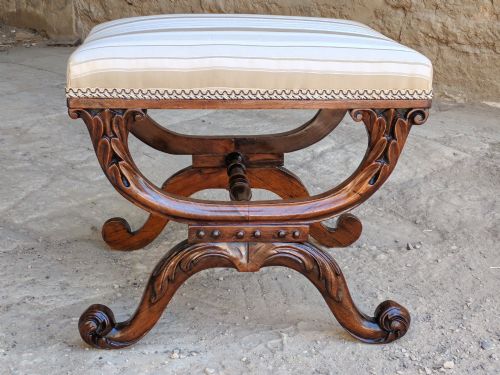
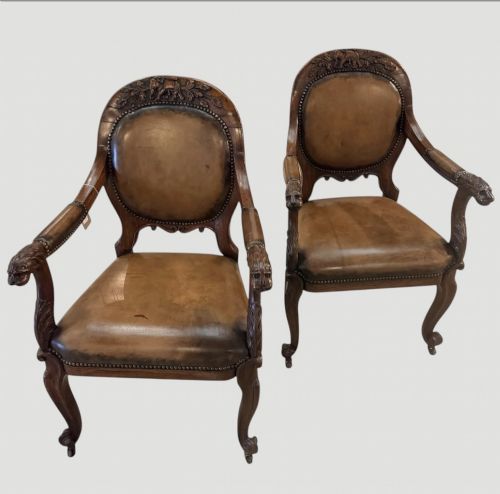
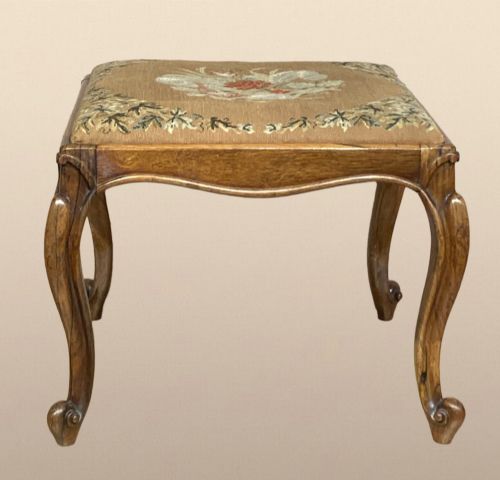
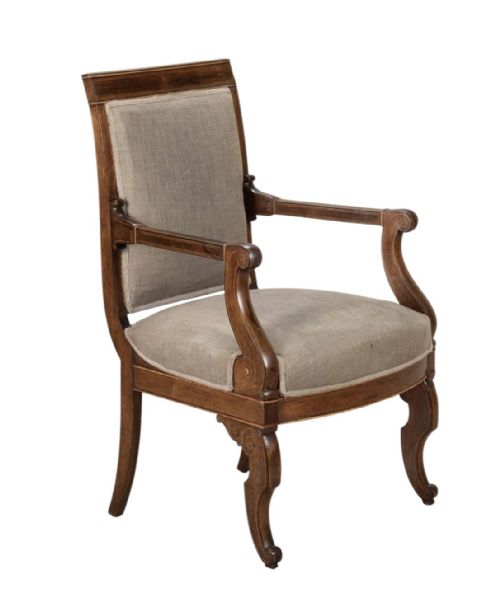






Brown Rosewood Seat
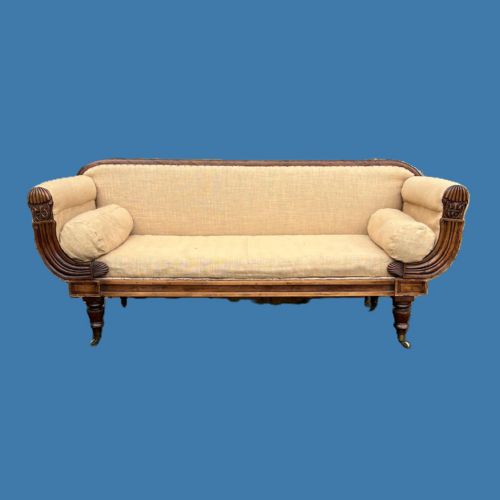
A brown rosewood seat brings dense grain and deep warmth to a room, ranging from formal Regency dining chairs to low Chinese stools.
Brown Rosewood Seat
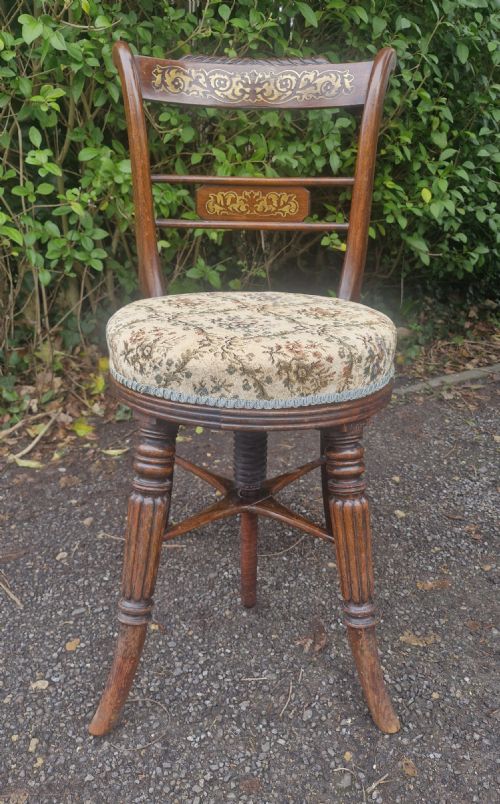
A brown rosewood seat encompasses a diverse range of historic forms, from dining chairs and armchairs to dressing stools and hall benches. When searching for a brown rosewood seat, buyers frequently encounter 19th-century English examples alongside Regency and Victorian pieces.
The selection extends across various global traditions, including Anglo-Indian workshops, French Charles X designs, and Qing Dynasty Chinese seating in hardwood. These pieces serve functional roles in contemporary interiors while retaining their historic character from periods spanning the Georgian era to the early twentieth century.
Materials and construction methods
Makers utilised solid rosewood and simulated rosewood timber, often enhancing the dense natural grain with carved and turned frames. Brass inlay, brass mounts, and cane work frequently complement the timber structure on finer pieces.
Upholstery methods varied by form and period, employing traditional stuffing beneath fabric, leather, or buttoned leather coverings. Removable backs and cross-frame supports appear on specific chairs and dressing stools from the nineteenth century.
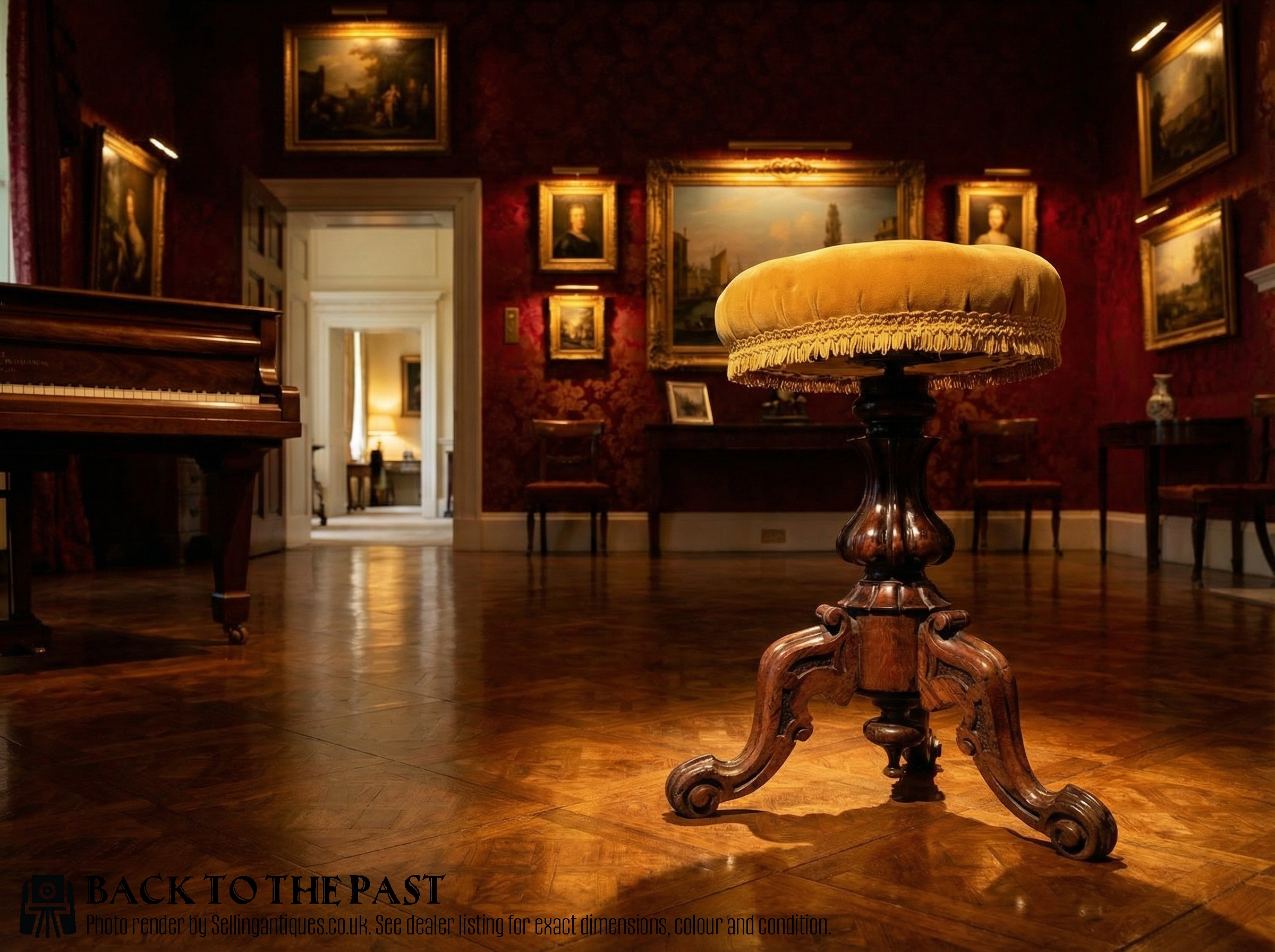
Some Victorian piano stools rise and revolve on demand, keeping musicians firmly anchored while they practice.
Distinctions in quality and execution
The refinement of the carving and the crispness of turned details distinguish superior examples from standard production. Cabinetmakers such as Gillows applied exceptional precision to joinery and decorative brass inlay.
The integrity of the rosewood timber and the retention of original surfaces dictate the standing of a piece. Subtleties in the proportions of the frame and the quality of secondary timbers separate workshop masterworks from basic regional variants.
Gillows
The Brown Rosewood Seat Glossary
- Rosewood
- A dense, heavily grained hardwood prized for its deep brown colour and dark figuring. It takes a high polish and forms the primary material for high-status 19th-century seating.
- Simulated rosewood
- Painted or stained timber, typically beech or maple, grained to imitate the appearance of genuine rosewood. Makers utilised this technique during the Regency period.
- Caning
- Woven rattan material used to form light, supportive panels for chair seats and backs. It requires skilled hand-weaving around the frame aperture.
- Cross-frame
- A supporting structure formed by intersecting diagonal timbers beneath a stool or chair. This X-form provides structural rigidity while adding a decorative architectural element.
- Hongmu
- A traditional Chinese term for dense hardwoods, including rosewood varieties, used in classical furniture construction.
Brown Rosewood Seat: Frequently Asked Questions
What periods do these seats come from?
The available pieces span the Georgian, Regency, and Victorian periods of the nineteenth century, extending into Edwardian and early twentieth-century examples.
Maker attribution and stylistic cues help determine the exact decade of manufacture.
How do I identify simulated rosewood?
Simulated rosewood involves painting or staining a lighter timber like beech to mimic the dark grain of genuine rosewood. Close inspection reveals brushwork or a lack of natural timber depth.
Cabinetmakers utilised this finish during the Regency era for suites of dining chairs.
Were these seats used for dining?
Many examples function as dining chairs, often found in matched sets of four, six, or eight pieces. These feature sturdy frames designed for regular use around a table.
Other forms include library chairs, dressing stools, and piano stools intended for specific domestic tasks.
How should I care for rosewood furniture?
Rosewood benefits from stable indoor humidity and protection from direct sunlight to prevent the timber from drying out. Gentle dusting preserves the polished surface without stripping historic finishes.
Leather and fabric upholstery require specialised cleaning appropriate to their specific textile type.