
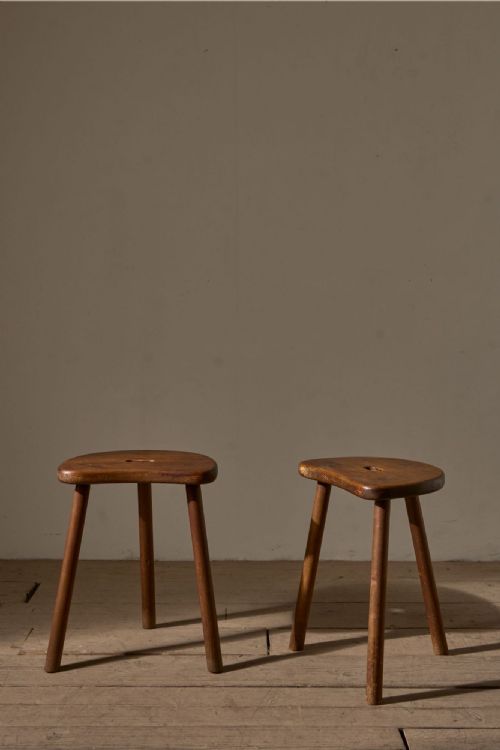
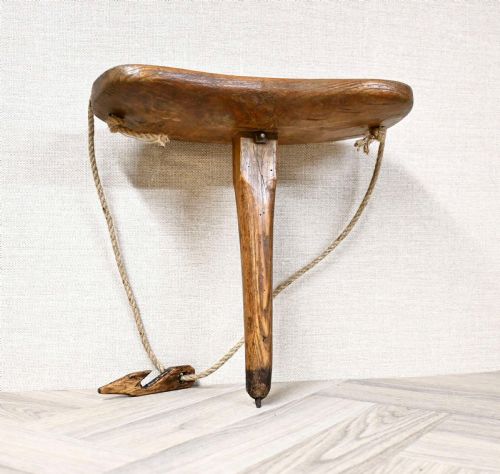
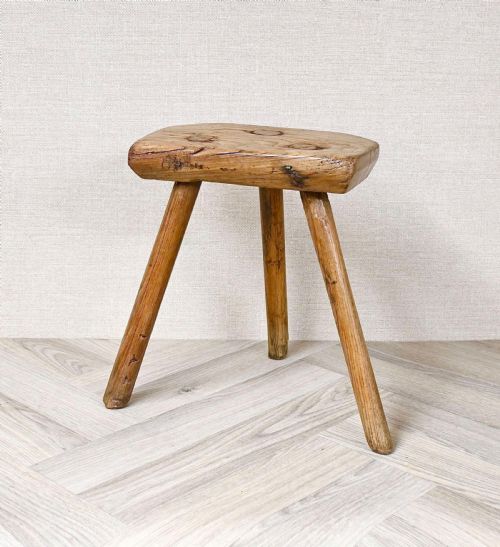


Carved Tripod Stool
These carved tripod stool options offer solid wood construction and distinct regional turning, making them versatile seats for traditional interiors.
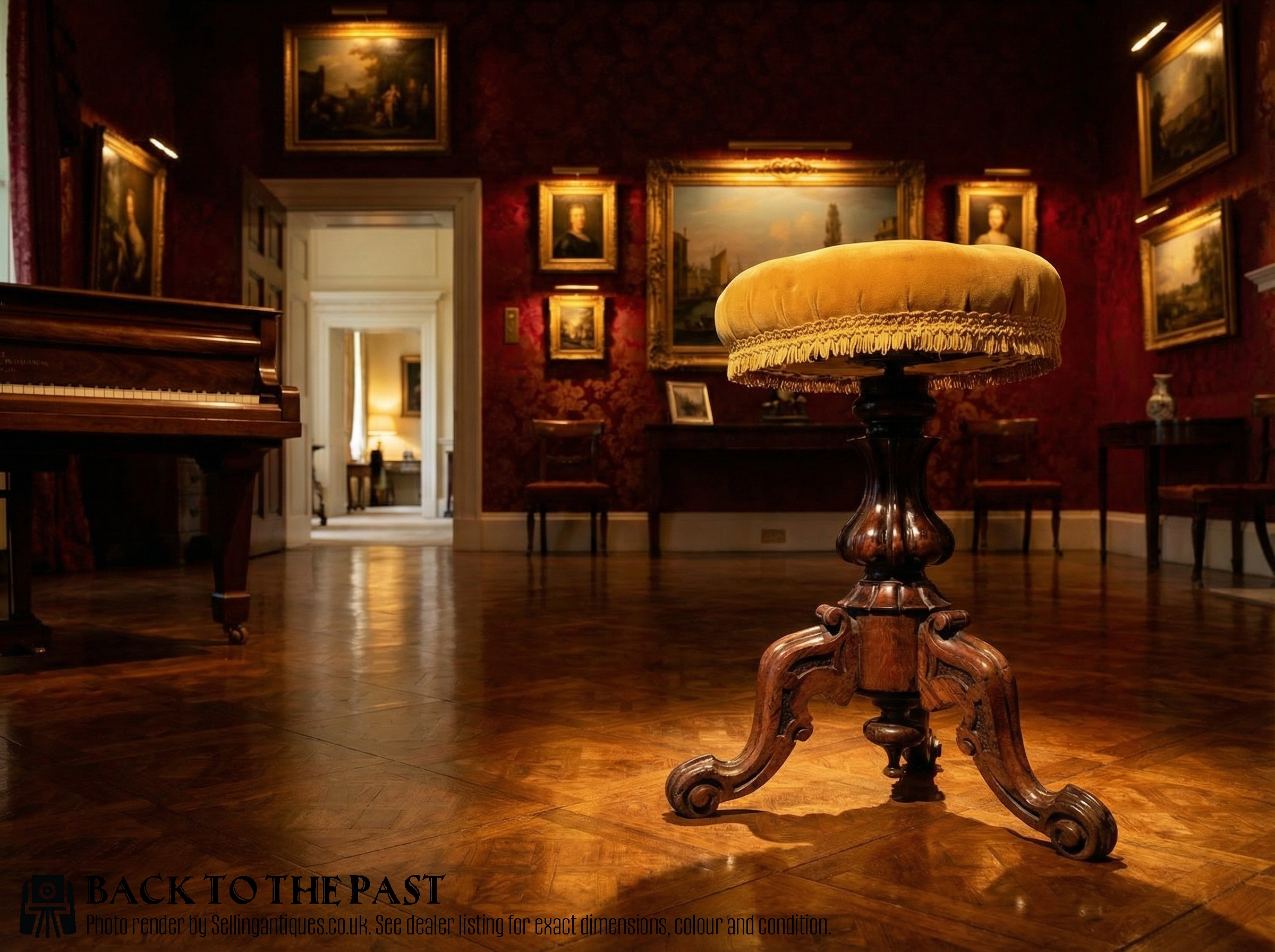
Carved Tripod Stool
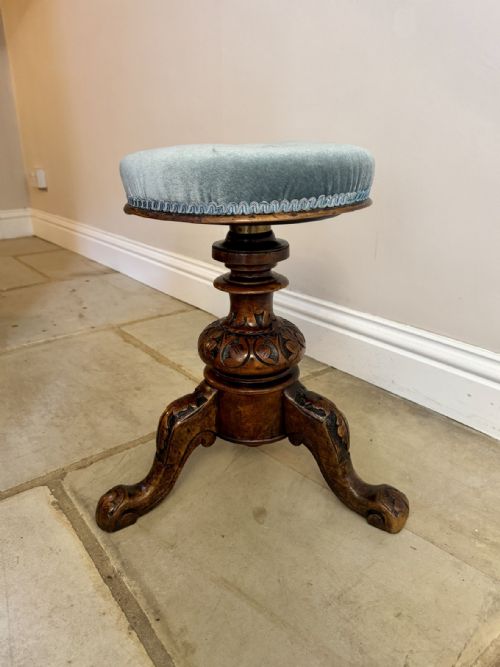
A carved tripod stool combines a timber top with three supporting legs, appearing frequently in Victorian walnut, oak, and rosewood iterations designed for music rooms or parlours. Buyers searching for a carved tripod stool often encounter piano stools and revolving seats featuring adjustable mechanisms from the nineteenth century.
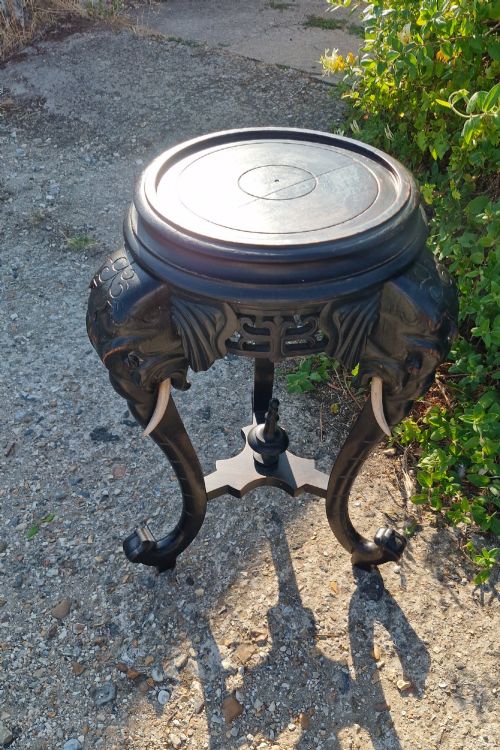
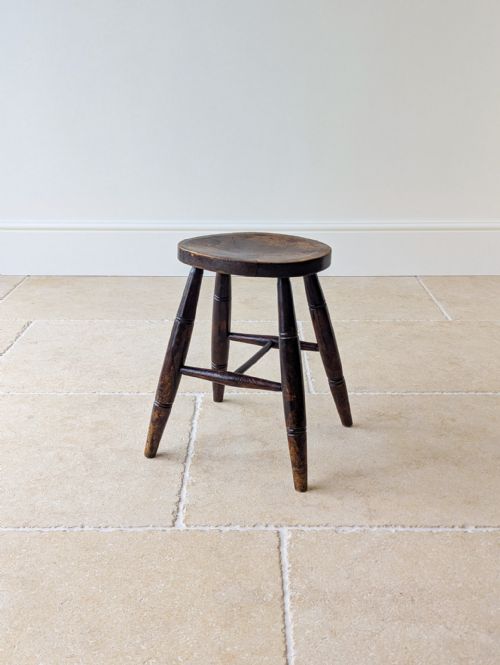
The selection ranges from vernacular country examples in elm, pine, and hardwood to ornate Anglo-Indian and Chinese occasional tables with intricate surface decoration. These pieces function equally well as low seating or small display surfaces in domestic spaces.
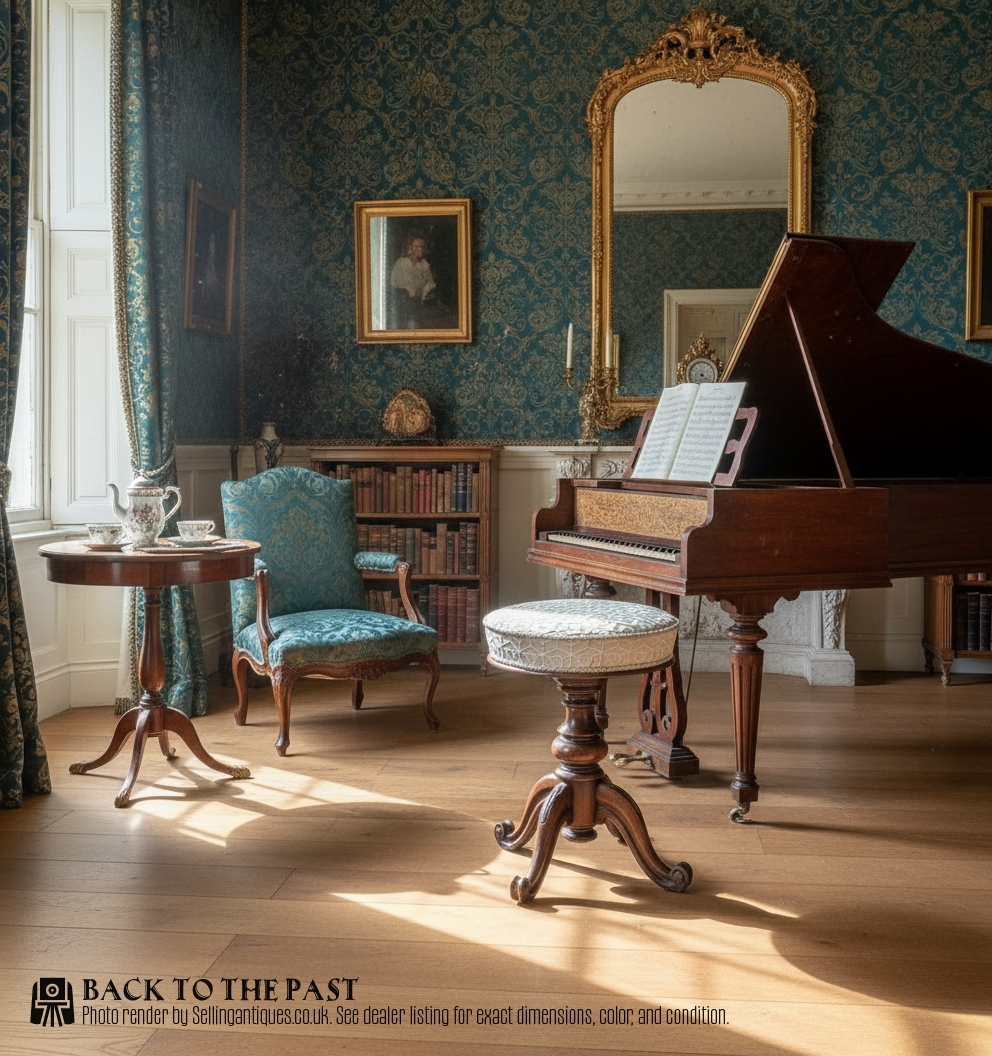
How they were made
Cabinetmakers utilised dense timbers like walnut, rosewood, and oak, shaping the seats and legs through manual turning, chip-carving, and joinery techniques. Iron components frequently appear within the adjustable rise and fall mechanisms of revolving piano stools.
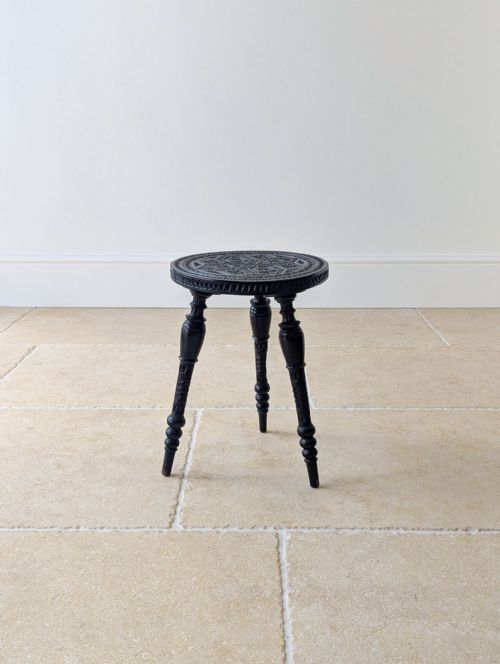
Surface finish relies on polish, wax, and occasional pokerwork or bone inlay to highlight the grain and decorative motifs. Upholstery in fabric, leather, or velvet is sometimes integrated into the revolving seats.
Listings span the eighteenth, nineteenth, and early twentieth centuries, featuring materials such as walnut, oak, rosewood, velvet, iron, hardwood, elm, fabric, and pine.
What varies in quality
The sophistication of the carving and the selection of timber dictate the standing of each piece, with finely figured walnut and rosewood outranking plain pine or utility hardwoods. Crisp detailing in chip-carved motifs and botanical or zoomorphic designs distinguishes superior workshops.
Mechanical integrity defines the value of adjustable piano stools, where smooth rotation and sturdy thread operation matter as much as the timber frame. The proportion of the three legs relative to the top determines the stability of the overall structure.
J. Shoolbred·James Shoolbred
The Carved Tripod Stool Glossary
- Tripod
- A base comprising three supporting legs connected to a central column or seat underside. This configuration ensures stability on uneven historic floors.
- Revolving
- A top mechanism that turns on a central screw or spindle to alter the height of the seat. This feature is common in nineteenth-century music stools.
- Vernacular
- An informal style of furniture made by regional craftsmen using locally sourced timbers such as elm, pine, and oak. These objects reflect practical domestic traditions rather than high court fashions.
- Ebonised
- Timber treated with a dark stain or finish to imitate ebony. This technique was popular for Victorian occasional tables and decorative seating.
- Pokerwork
- A method of decorating wood by burning designs into the surface with heated tools. Scottish pieces often display traditional motifs using this technique.
Carved Tripod Stool: Frequently Asked Questions
What is a carved tripod stool used for?
These pieces served primarily as adjustable seating for musicians at piano and dressing tables, or functioned as small occasional tables in Victorian parlours.
Their compact footprint allows them to fit easily beside larger chairs or into corners as display surfaces.
How do I date a carved tripod stool?
Dating relies on identifying timber choices, turning styles, and mechanical hardware such as iron adjustment screws. Victorian examples often feature walnut or rosewood with heavy turned pedestal bases.
Earlier vernacular pieces display simpler pine, elm, or oak construction with pegged joints rather than modern metal fixings.
Are these stools comfortable for daily use?
Many examples include padded seats upholstered in leather, velvet, or fabric to provide comfort during long periods at a piano or dressing table.
Wooden top variants offer a firm surface intended for occasional seating or supporting decorative objects rather than lounging.
How do I maintain the wood?
Routine care involves dusting with a dry cloth and applying natural beeswax periodically to nourish the historic timber surfaces. Avoid placing them near direct heat sources to prevent the wood from splitting.