

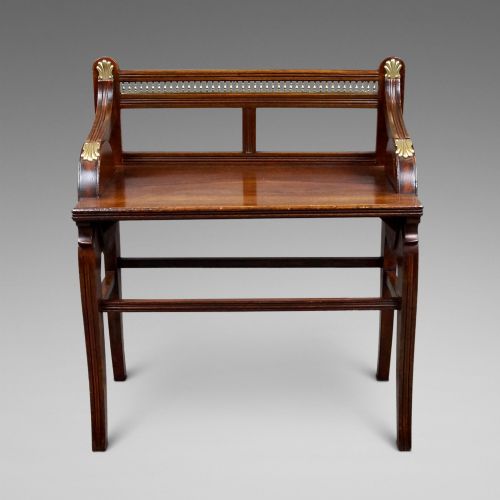

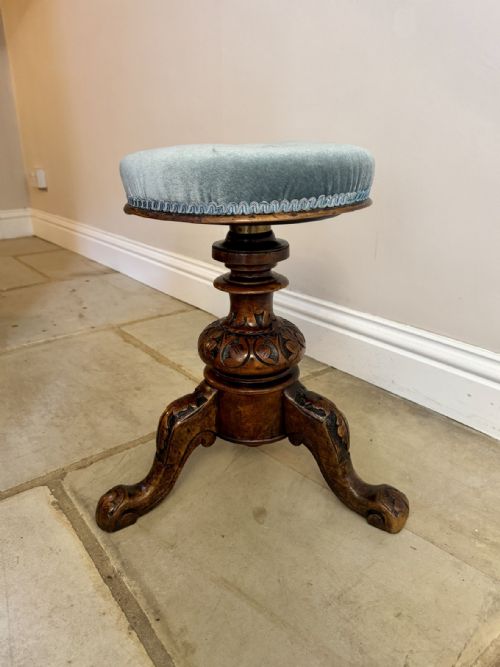
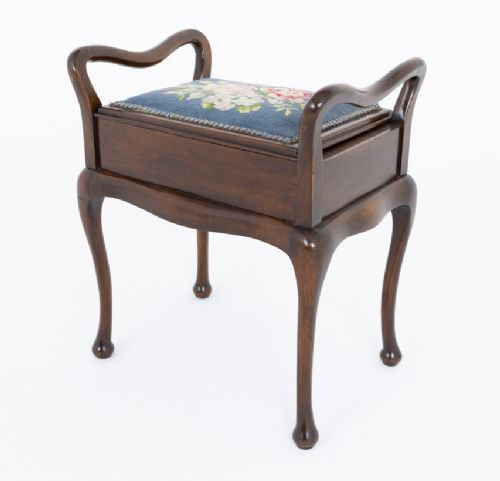
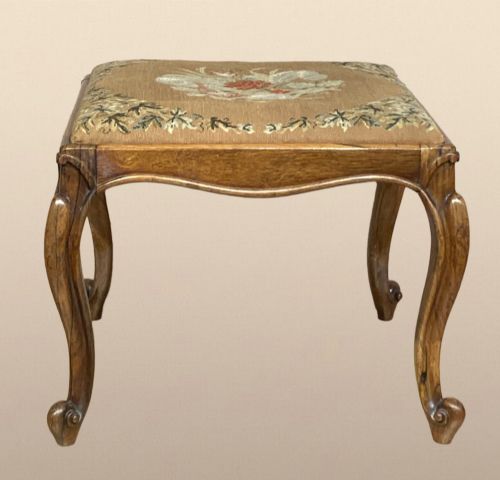
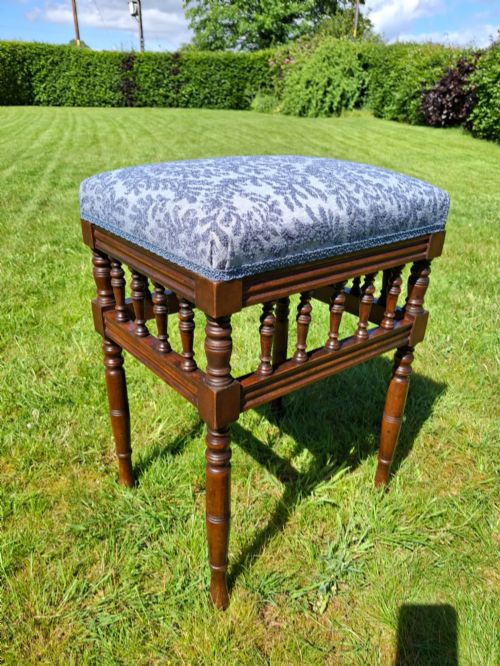

Edwardian Piano Seat
An edwardian piano seat brings practical music storage and comfortable seating to the music room, combining period timber work with traditional upholstery.
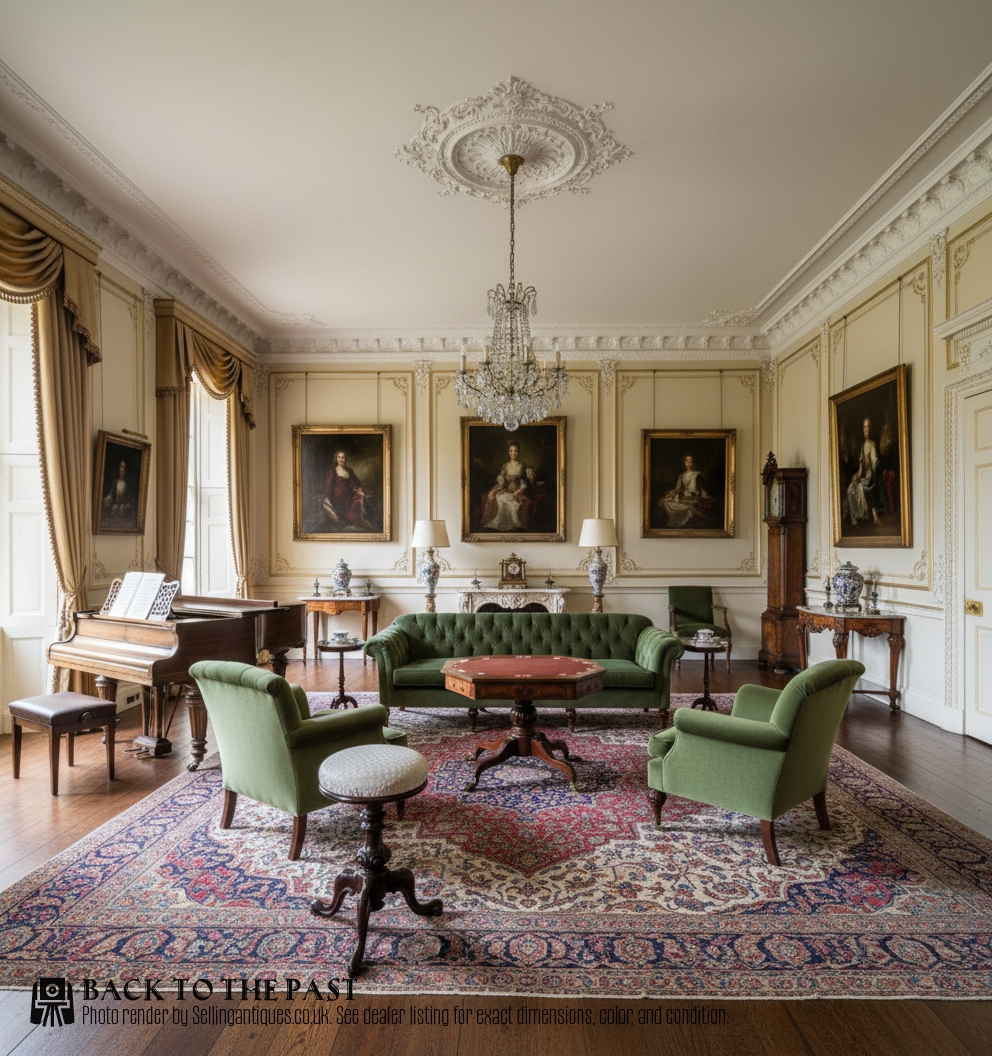
Understanding the Edwardian piano seat
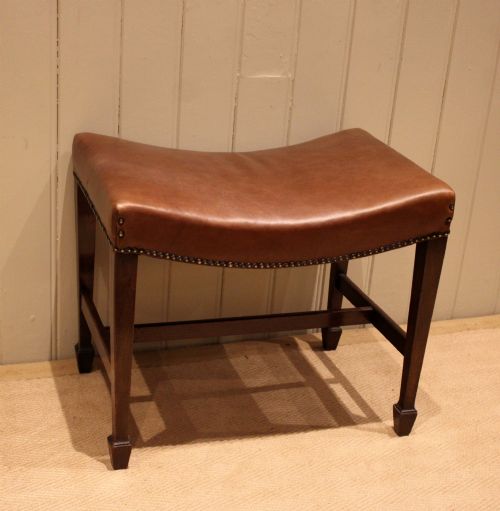
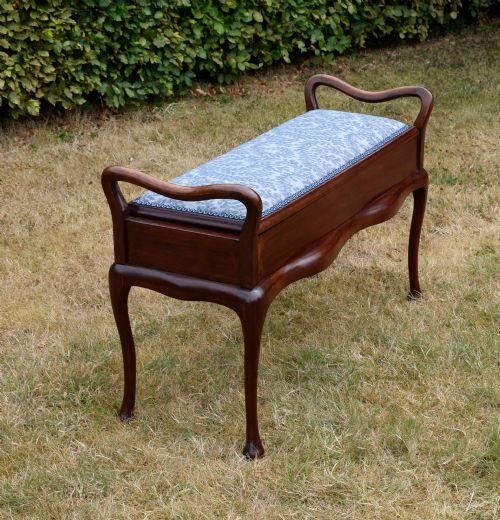
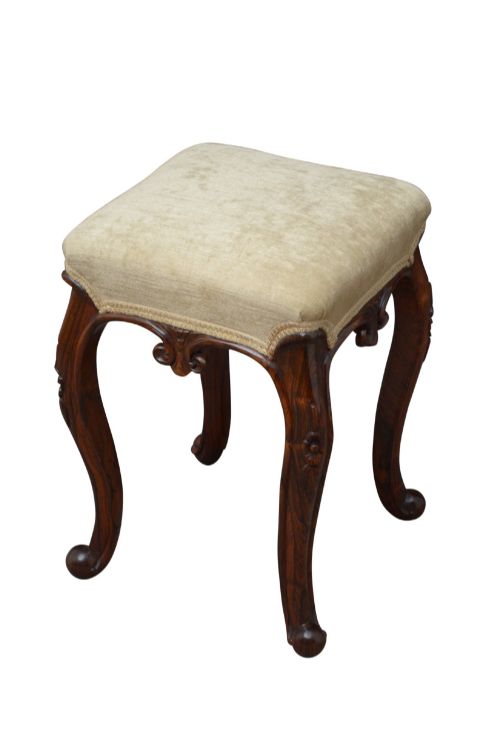
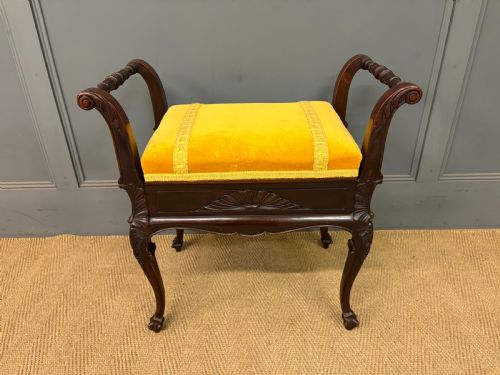
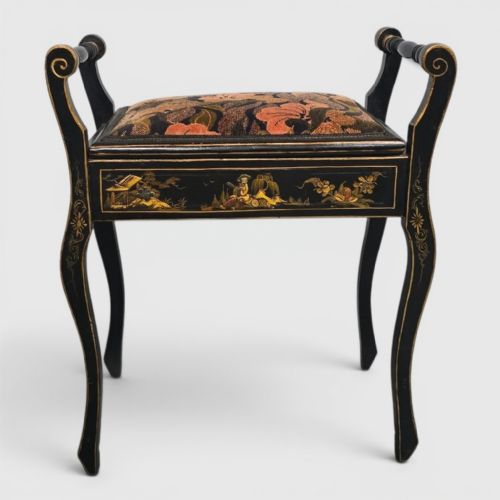
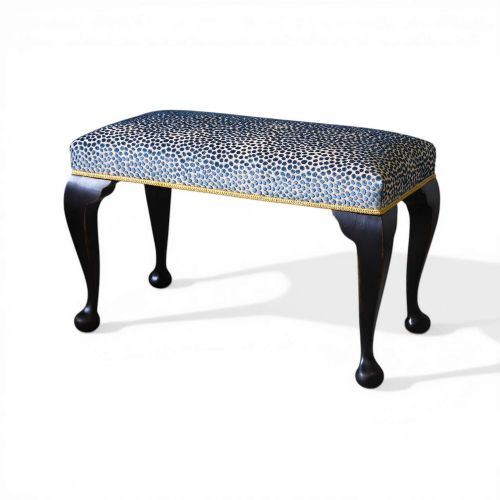
An edwardian piano seat combines sturdy timber construction with dedicated storage or adjustable height mechanisms designed for the Victorian and Edwardian music room. These pieces appear in forms ranging from simple stools to duet seats and music cabinets.
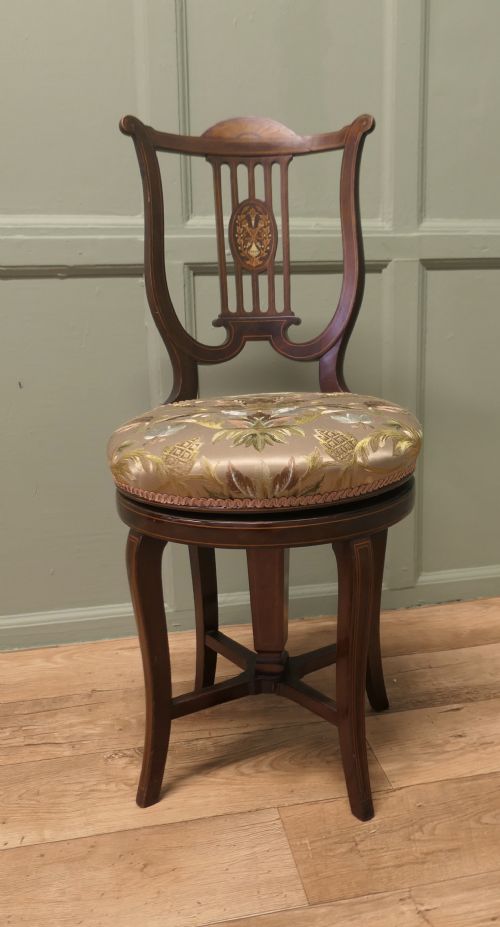
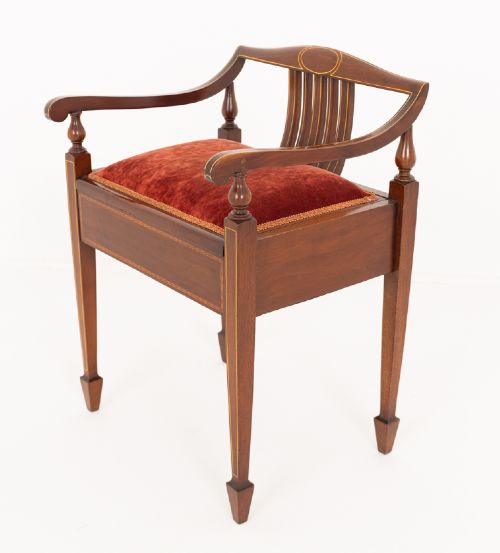
The selection includes mahogany and walnut examples, frequently featuring string inlay or carved detailing. Many incorporate lifting tops for sheet music storage or screw mechanisms for height adjustment.
Makers of the period produced both single and duet formats, alongside swivel and X-frame configurations. These items function equally well as window seats or dressing chairs in modern interiors.
Materials and construction
Makers relied primarily on mahogany and walnut, occasionally utilising rosewood and oak for carcass and leg construction. Timber surfaces often display fine string inlay or subtle carving.
Upholstery materials range from velvet and standard fabric to tapestry and needlepoint. Brass hardware appears on adjustable screw mechanisms and castors.
Retail Price Guide 2026
Typical UK retail prices for edwardian piano seat, calculated from the Sellingantiques database of over a million retail prices indexed since 2003. This retail price guide relies exclusively on Sellingantiques data; no external sources or auction records are used, so the figures do not describe the wider market.
Musicians relied on hidden compartments inside these seats to keep troublesome sheet music out of sight.
Factors of distinction
Superior examples display crisp timber carving, precise string inlay, and robust mechanical components that operate smoothly. The choice of primary timber and secondary woods reveals the maker's original intention.
The condition of the original upholstery fabric or needlepoint sits alongside the structural integrity of the lifting box or swivel screw. Heavier gauge brass and solid timber frames separate standard production from finer workshop output.
The Edwardian Piano Seat Glossary
- Duet stool
- An extended piano seat designed to accommodate two players side by side. These wider forms often feature hinged storage lids.
- Needlepoint
- A type of canvas work embroidery used for upholstery on musical seat tops. It provides a decorative textured surface executed in wool.
- String inlay
- Fine contrasting lines of wood veneer inlaid into the main timber surface. This decorative technique characterises Edwardian cabinet work.
- Tripod
- A three-legged base construction frequently utilised on revolving piano stools. It provides stable support on uneven floor surfaces.
- Box seat
- A stool design featuring a hollow compartment beneath a hinged upholstered lid. Musicians utilised this space for storing sheet scores.
Frequently Asked Questions
How do I use an edwardian piano seat today?
These versatile pieces serve well as functional seating at a dressing table or desk, or placed beneath a window for extra seating.
The internal storage compartment also provides a discreet place to tidy away small items in a living room or hallway.
What is the difference between single and duet piano seats?
Single piano seats accommodate one person and often feature a swivel mechanism or a compact square top.
Duet seats are wider rectangular benches designed for two players, frequently incorporating a lifting lid for music storage.
How do adjustable piano stools work?
Adjustable models use a central threaded screw mechanism connected to the upholstered seat top.
Turning the seat rotates the screw to raise or lower the height to suit the player.
What woods are typical for these seats?
Mahogany and walnut form the vast majority of surviving frames, often finished with a rich polish.
Rosewood and oak appear less frequently, while various secondary timbers support the internal box structures.