
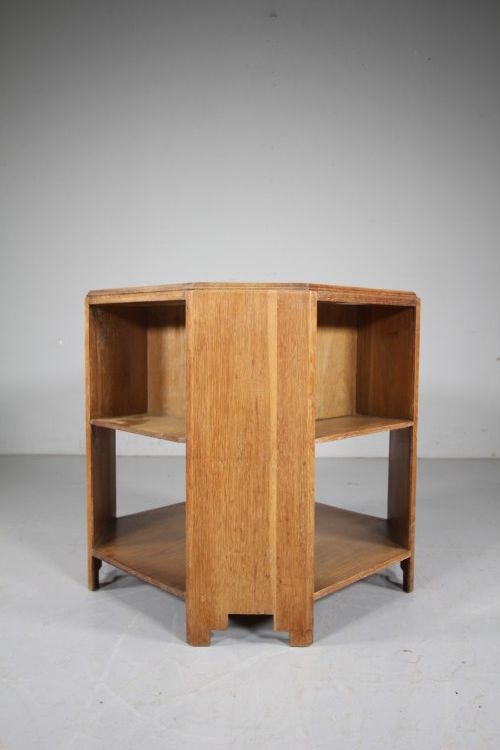
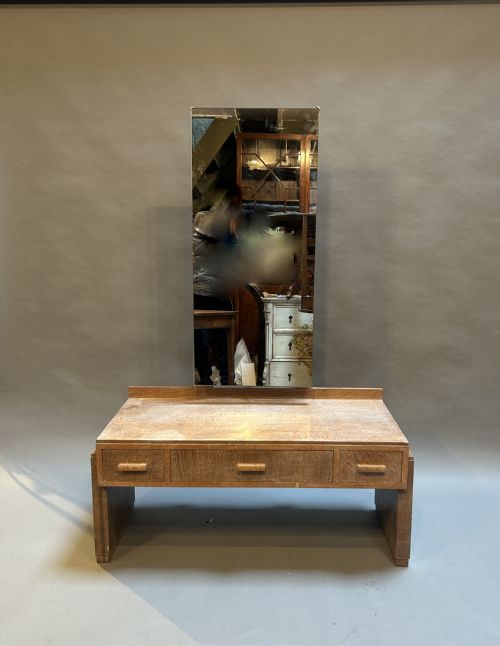


Heals Art Deco Furniture
Heals art deco furniture brings functional British modernism into a room, offering clean architectural lines and honest materials that collectors prize.
Heals Art Deco Furniture
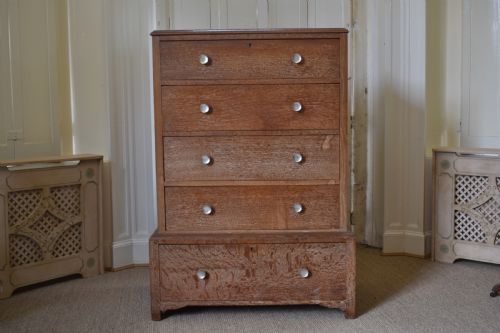
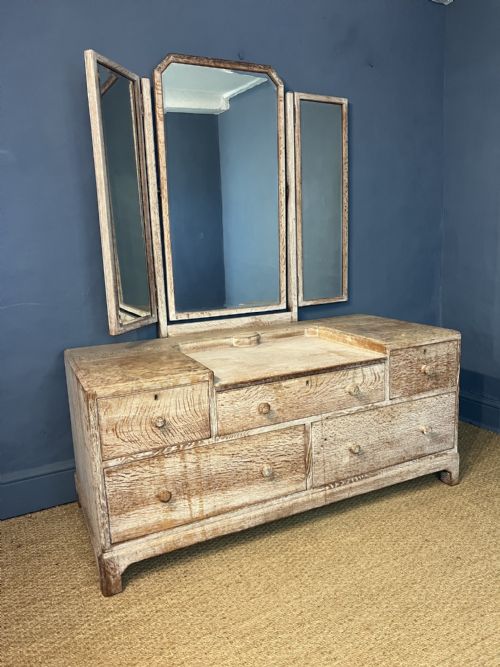
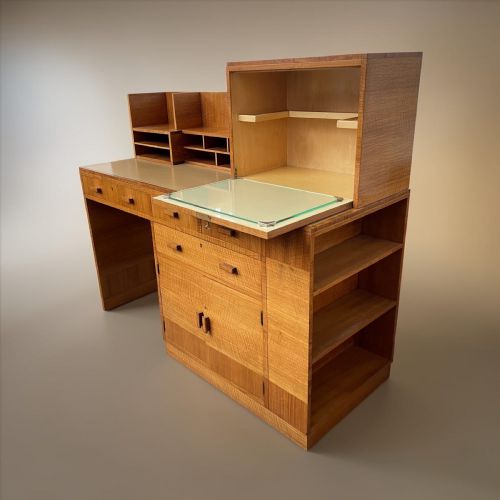
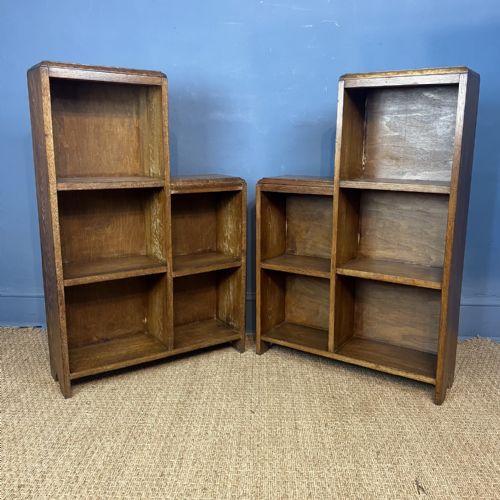
When you search for heals art deco furniture, you encounter practical domestic pieces spanning dressing tables, desks, chests of drawers, bookcases, side tables, sideboards, armchairs, and cabinets. These items originate predominantly from the 1920s and 1930s, reflecting the modernist shift led by the London firm.
The version most commonly met on this page is constructed from limed oak or walnut, often taking the form of wardrobes, tallboys, and bookcases designed for compact urban living. Pieces range from matched bedroom suites to occasional tables and stacking bookcases.
Occasional examples stretch back to 1900 or forward into mid-century modern idioms, though the core remains firmly anchored in interwar craftsmanship. Buyers find both labelled originals and attributed pieces reflecting the distinctive London aesthetic.
How they were made
Makers utilised solid timbers and veneers such as oak, limed oak, walnut, satin birchwood, and general timber, frequently pairing them with glass and metal accents. The liming process on oak created a pale, contemporary finish that defined the modern interwar interior.
Structural framing relied on sturdy wood joinery, while specialised forms incorporated bentwood for armchairs and modular stacking mechanisms for bookcases. Surfaces were finished to highlight the natural grain of the wood rather than concealing it beneath heavy lacquer.
Heals Art Deco Furniture Retail Price Guide 2026
Typical asking prices for heals art deco furniture among the pieces listed under this phrase on Sellingantiques today, from the lower quarter to the upper quarter. They describe what is for sale here now, not the wider market.
A solitary bed dating from 1900 proves the firm was quietly rethinking the bedroom decades before the jazz age arrived.
What varies in quality
The distinction between standard production and finer pieces rests on the selection of figured veneers, the subtlety of the limed oak finish, and the presence of original maker labels or stamps. Furniture featuring unusual configurations or matched suites commands greater attention from serious collectors.
Construction details such as dovetailed drawer linings, integrated handles, and the integrity of bentwood frames dictate the durability and finish of each item. Pieces retaining their original hardware and unaltered structural elements represent the standard of the workshop.
Heal and Son·Heals of London
The Heals Art Deco Furniture Glossary
- Limed oak
- A wood treatment that fills the grain of oak with a white composition, producing a pale, chalky finish popular in interwar modern design. This technique brightened domestic interiors and highlighted the natural texture of the timber.
- Bentwood
- Wood softened by steam or boiling water and bent into curved structural forms, utilised here for armchair frames. This method allowed makers to achieve smooth, continuous lines without relying on heavy joints.
- Tallboy
- A tall chest of drawers, frequently combining wardrobe space or smaller compartments above standard drawers. These vertical units maximised storage floor space in smaller period bedrooms.
- Satin birchwood
- A pale, fine-grained timber with a lustrous sheen, employed for select desks and cabinets to provide a sophisticated contrast to darker walnut.
Heals Art Deco Furniture: Frequently Asked Questions
How do I identify genuine pieces?
Look for maker labels, stamps, or characteristic design restraint associated with the London firm. Construction methods, particularly limed oak finishes and specific interwar proportions, help distinguish authentic items from later interpretations.
Examine the interior drawer construction and timber choices, as these workshops maintained strict material standards across bedroom suites, desks, and bookcases.
Are these pieces suitable for daily use?
Interwar modern furniture was built for practical domestic habitation, making desks, sideboards, and chests of drawers entirely functional today. Their robust wood construction handles regular modern living without issue.
Ensure moving parts like drawers and stacking bookcase doors operate smoothly, and protect surfaces from excess moisture to preserve the original timber and veneer.
What rooms suit these items?
The clean lines and pale limed oak or walnut tones fit naturally into contemporary living rooms, studies, and bedrooms. Side tables, coffee tables, and compact bookcases anchor modern spaces without overwhelming the floor plan.
Pairing matching bedroom suite elements or individual cabinets with neutral backgrounds allows the architectural grain and form of the wood to stand out.
How do 1920s and 1930s styles differ?
Pieces from the 1920s often retain heavier traditional proportions combined with emerging modernist details, while 1930s designs lean further into streamlined geometry and lighter limed finishes. Both decades share a commitment to honest materials and utility.
Reviewing the specific object types, from early wardrobes to later nest of tables, reveals the progressive lightening of forms through the interwar period.