


Rococo Revival Cabinet
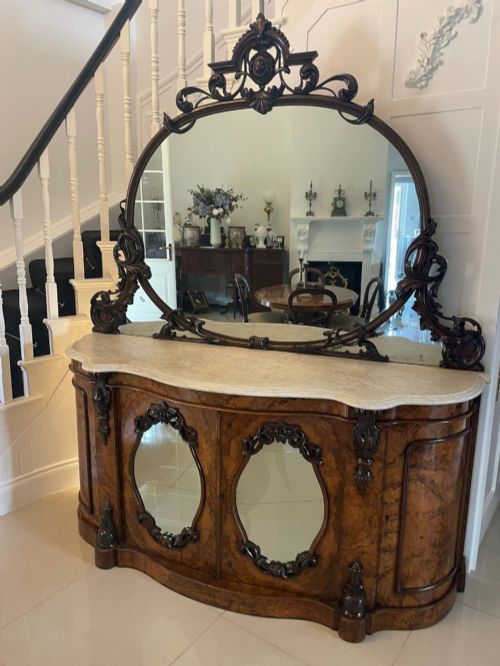
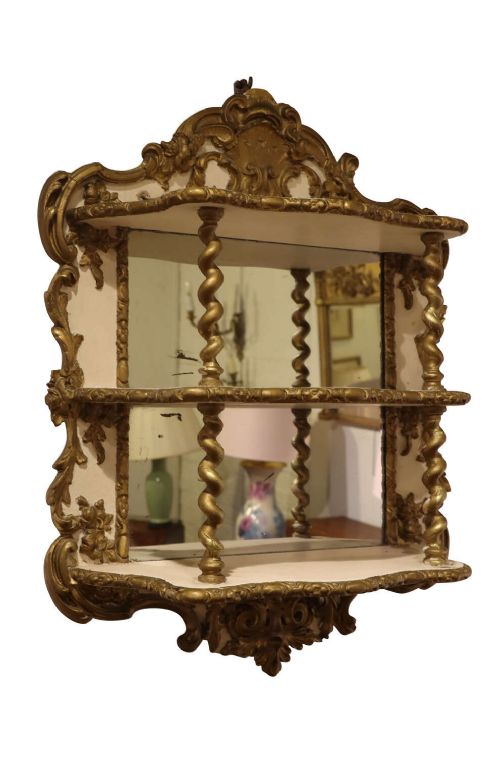
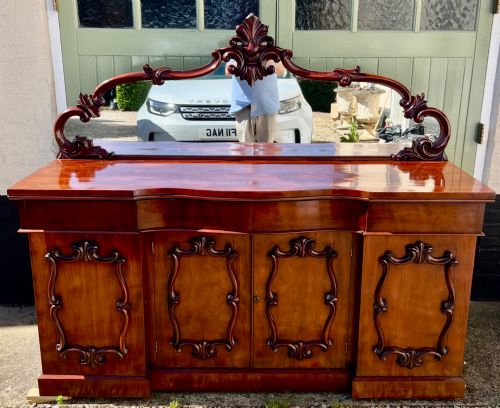
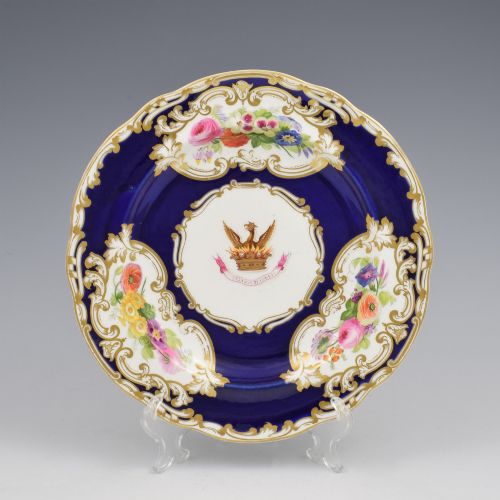
A rococo revival cabinet brings sweeping, asymmetrical curves and lavish mounts into a room, offering both display space and high decorative drama.
What these cabinets are
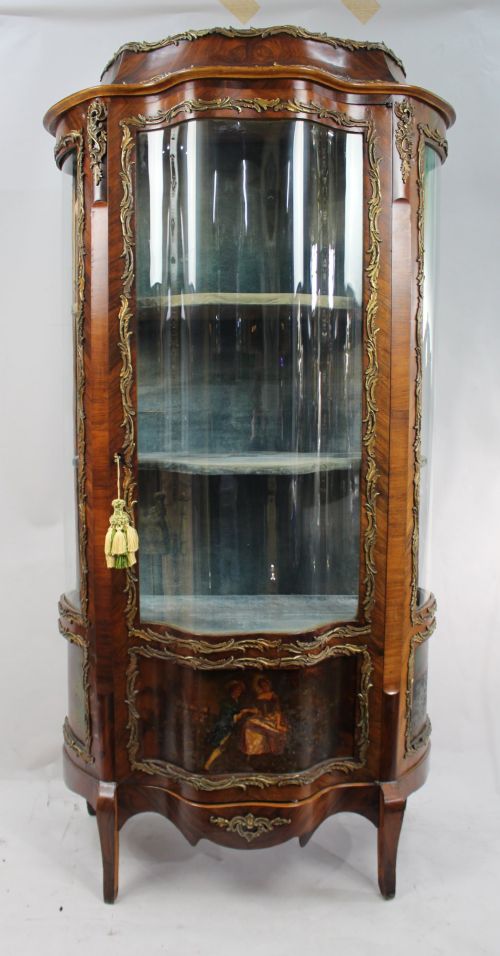
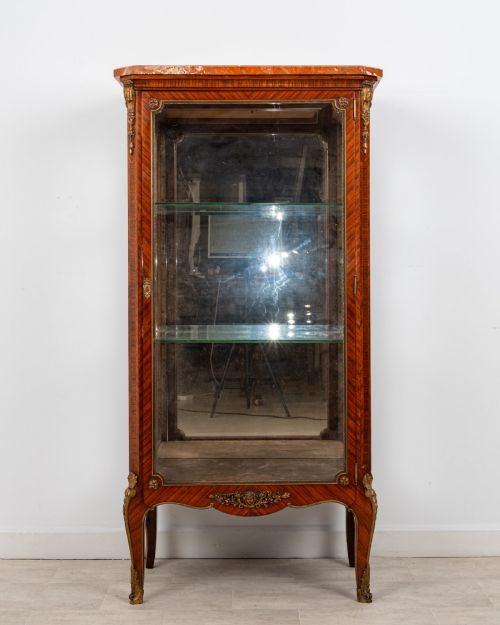
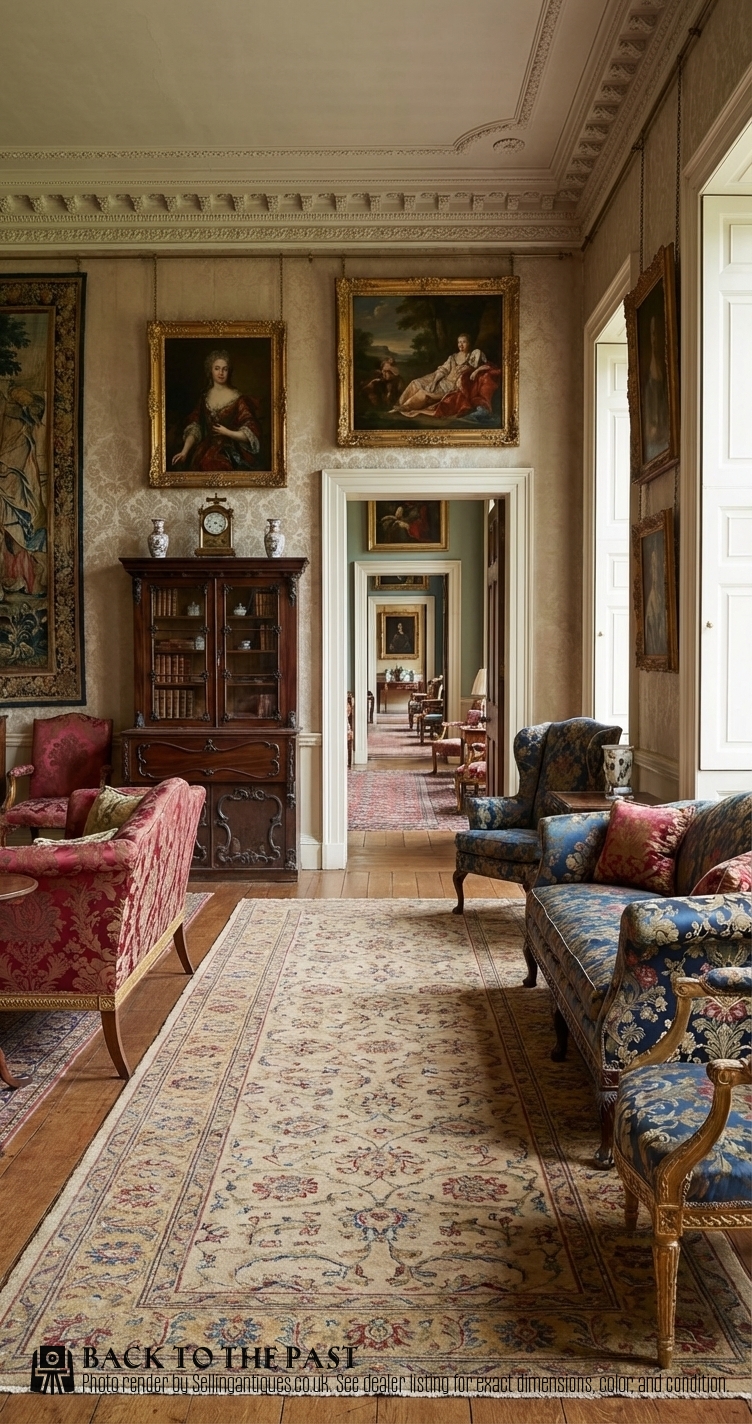
A rococo revival cabinet draws on mid-eighteenth-century French design, reappearing across the nineteenth century through Victorian and continental revivals. These pieces combine curvilinear forms with rich surface decoration, functioning as display cabinets, vitrines, and bookcase cabinets.
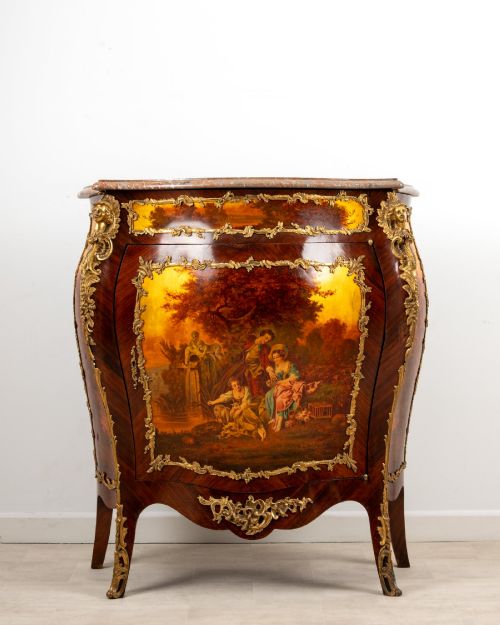
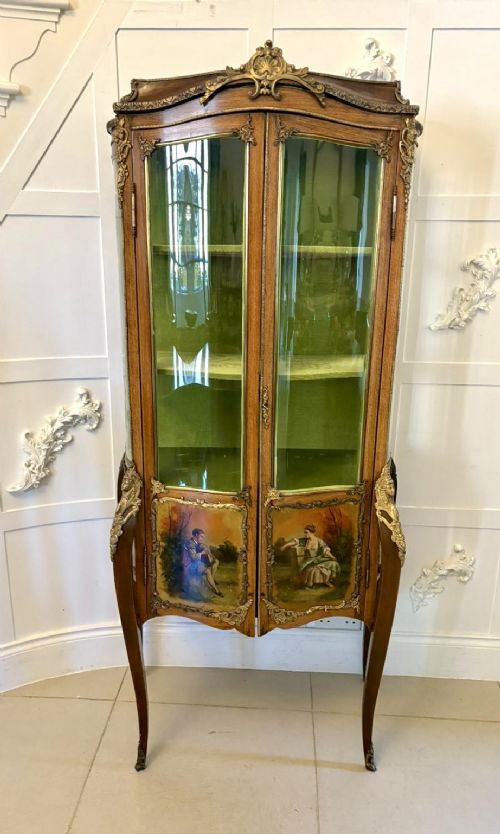
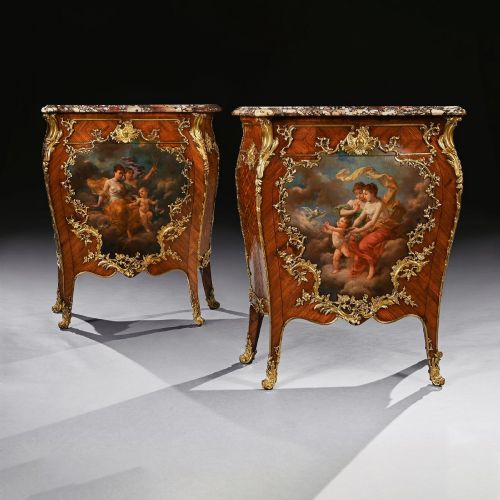
The versions most commonly met on this page date from the nineteenth century, including specific decades from the eighteen-fifties through the nineteen-hundreds. They frequently channel French Louis XV revival aesthetics and feature glass panels, marble tops, or painted decorative panels.
Makers and designers of the period looked back to earlier masterworks, with some pieces explicitly created in the manner of renowned cabinetmakers like Zweiner. They range from compact bombé vitrines to larger three-door formats in diverse timbers.
How they were made
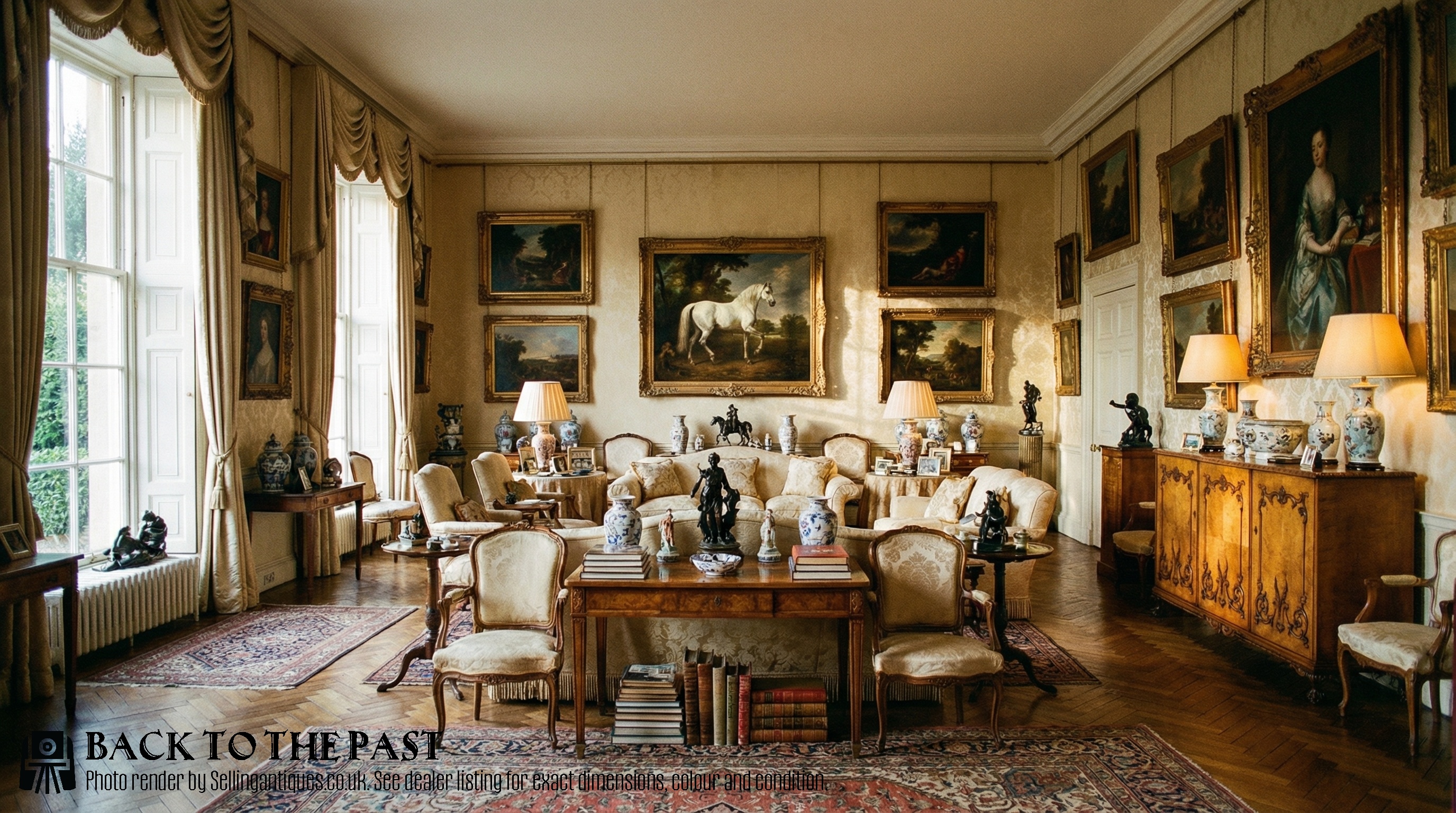
Cabinetmakers utilised exotic timbers such as kingwood, rosewood, mahogany, and birds-eye maple, often laying them as sophisticated veneers or marquetry. Frames were constructed to support substantial weight, particularly where marble tops or heavy glass doors were incorporated.
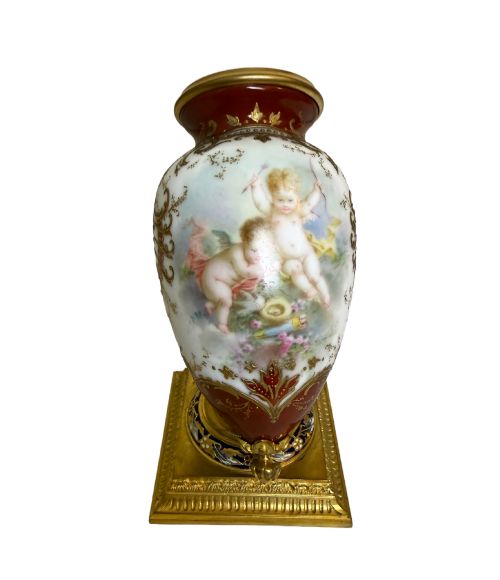
Gilt bronze or brass ormolu mounts were cast and chased to accentuate the sweeping outlines and corners of the furniture. Painted panels, including Vernis Martin techniques and lacquer work, added pictorial depth to cabinet doors and friezes.
Retail Price Guide 2026
Typical UK retail prices for rococo revival cabinet, calculated from the Sellingantiques database of over a million retail prices indexed since 2003. This retail price guide relies exclusively on Sellingantiques data; no external sources or auction records are used, so the figures do not describe the wider market.
Some nineteenth-century makers hid secret compartments behind serpentine drawers, ensuring your most scandalous love letters stayed entirely out of sight.
What varies in quality
The refinement of the ormolu mounts separates standard production from exceptional work, as finely chased bronze displays crisp detail and a deeper integration with the timber carcass. Timber selection and the precision of veneer matching or marquetry execution further distinguish finer examples.
Structural harmony dictates worth, where curvilinear bombé shapes maintain balance and doors close flush despite seasonal wood movement. The integration of high-grade components, such as heavy white marble tops and bevelled glass, marks the upper tier of the range.
The Rococo Revival Cabinet Glossary
- Ormolu
- Gilt bronze mounts applied to furniture. This technique involves coating cast bronze with gold amalgam to create a bright decorative finish.
- Bombé
- A swelling, outward-curving contour in furniture design. This shape requires advanced woodworking skill to achieve balanced proportions.
- Vitrine
- A glass-fronted display cabinet designed for porcelain and objects. The style prioritises visibility from multiple angles.
- Marquetry
- Inlaid patterns using various coloured woods. Craftsmen cut thin veneers to form intricate floral or geometric pictures.
- Vernis Martin
- A simulated Japanese lacquer developed in France. The finish uses multiple layers of varnish to achieve a translucent gloss.
Frequently Asked Questions
What is a rococo revival cabinet?
A rococo revival cabinet is a nineteenth-century piece inspired by earlier French styles, characterised by curved lines and ornate mounts.
These items were built to showcase precious objects and elevate domestic interiors with dramatic decoration.
How do I date a cabinet?
Dating relies on examining construction methods, timber choices, and secondary woods used in the carcass.
Stylistic cues, such as specific Victorian revival traits or French Louis XV influences, also help narrow the decade of production.
Are marble tops original?
Marble tops on nineteenth-century cabinets were generally fitted during the initial production to provide a durable and luxurious surface.
Their thickness, edge profiling, and fit against the timber frame help confirm authenticity.
How do I care for kingwood veneer?
Kingwood veneer requires stable room humidity and protection from direct sunlight to prevent fading and splitting.
Regular dusting with a dry, soft cloth preserves the polished surface without damaging the underlying timbers.