


Rococo Plant Stand
These rococo plant stand pieces combine serpentine curves and rich natural materials to elevate botanical displays in principal rooms.
Rococo Plant Stand
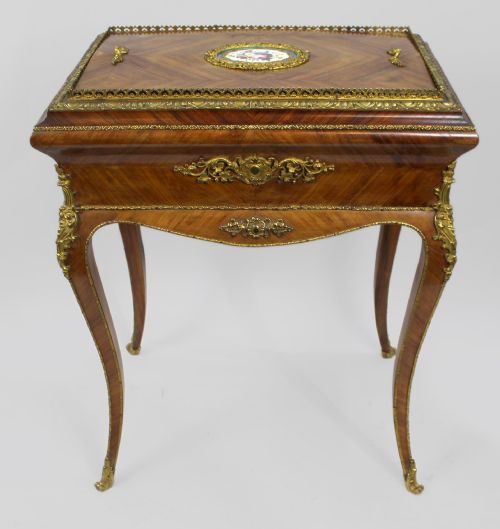
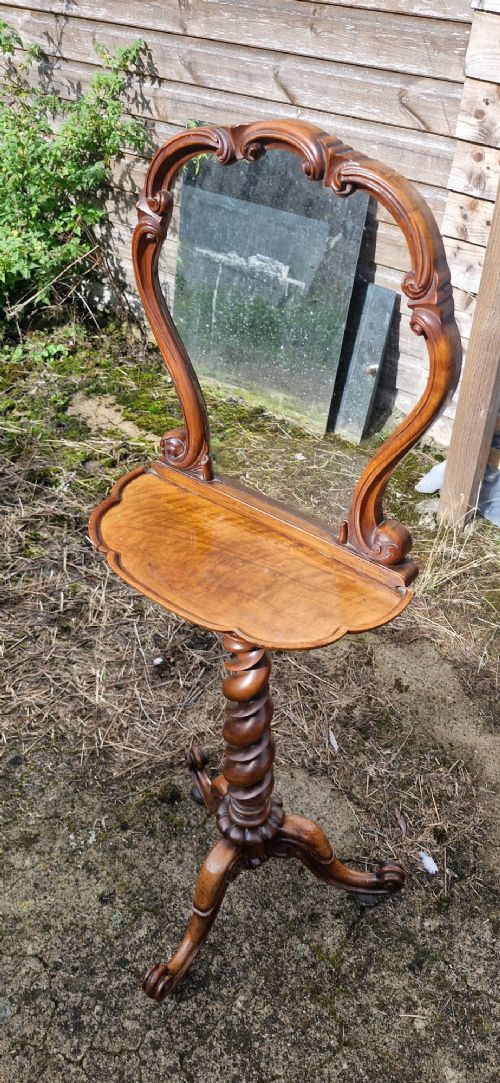
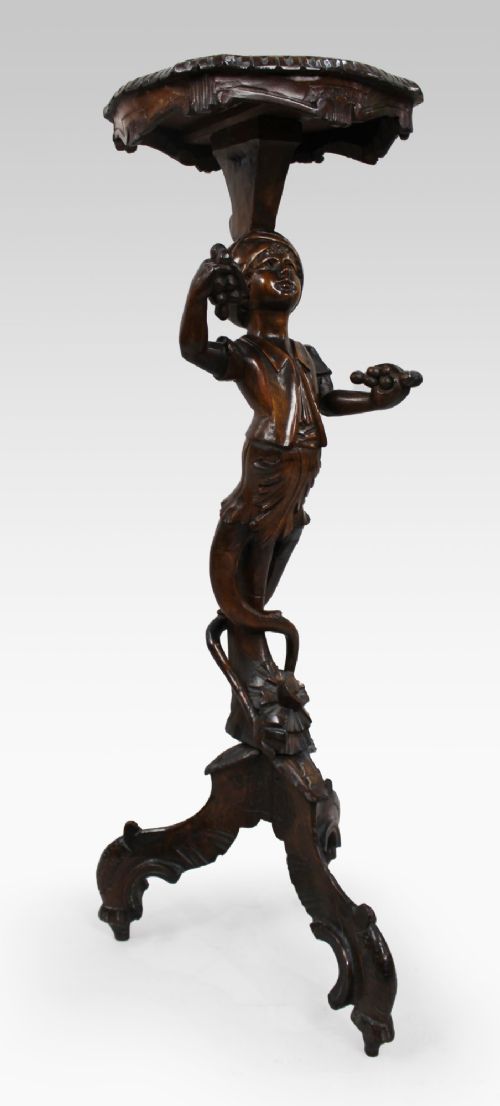
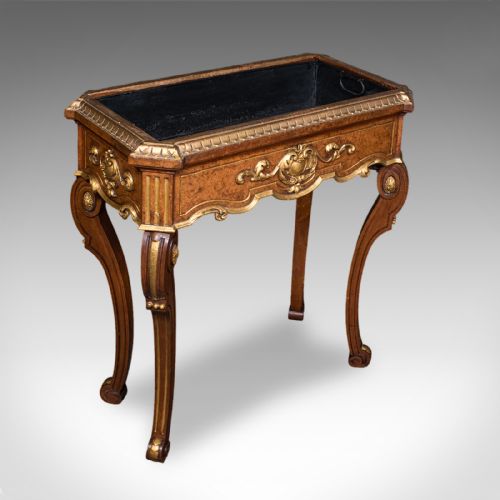
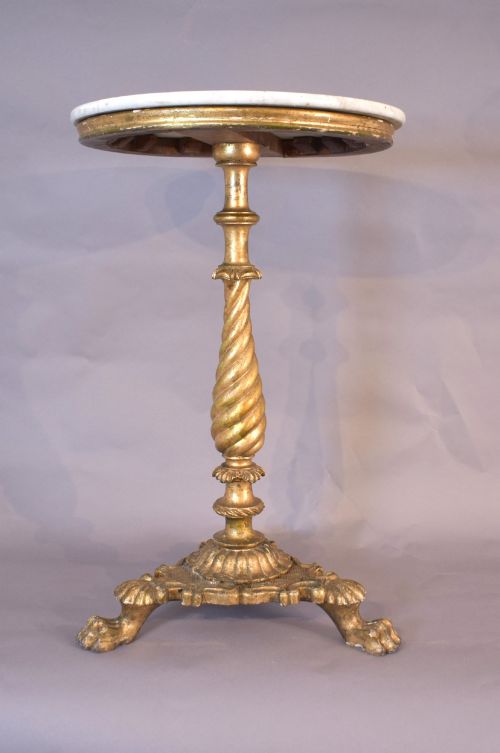
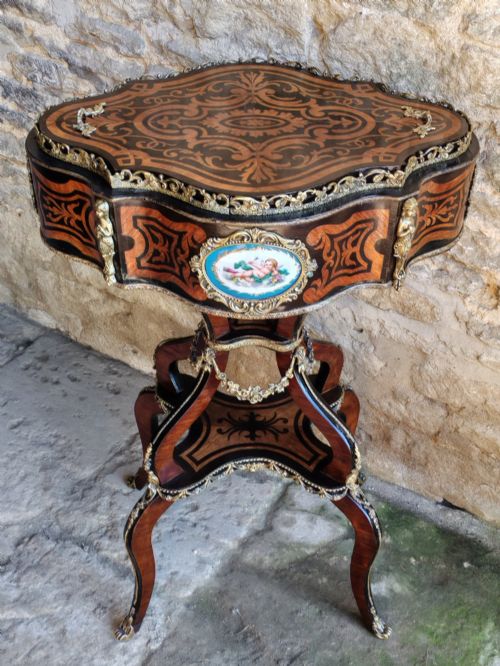
A rococo plant stand encompasses tall torchere columns, low jardiniere tables, and display pedestals designed for interior greenery. Most examples emerge from nineteenth-century revivals, channelling earlier French Louis XV motifs through walnut, mahogany, and giltwood structures.
Buyers encounter versatile side tables alongside dedicated planter stands featuring inset marble or alabaster tops. These elevated surfaces serve botanical arrangements while displaying sculptural forms influenced by Venetian baroque and French chateau aesthetics.
Assessing Quality
Quality rests upon the crispness of carved wooden foliage and the fidelity of cast ormolu mounts. Finer pieces demonstrate hand-chiselled detailing on metal elements and precise marquetry rather than printed or superficial surface ornament.
The integration of heavy stone tops, such as genuine marble or alabaster, distinguishes superior workshop production. Structural integrity in slender triform and tripod bases determines longevity and everyday utility.
One exceptional walnut stand carries an automotive moniker in its title, proving that even antique furniture occasionally enjoys a high-speed title.
The Rococo Plant Stand Glossary
- Torchere
- A tall, slender stand designed to elevate a lamp, bust, or plant. These vertical supports frequently feature carved wooden shafts and tripod bases.
- Jardiniere
- An ornamental receptacle or stand specifically built to hold plants and flowers. They often incorporate metal liners or waterproof wells within wooden or cast iron frames.
- Ormolu
- Gilt bronze ornamentation applied to furniture and decorative objects. This technique involves coating cast bronze with a finely ground gold-mercury amalgam before heating.
- Vernis Martin
- A type of decorative lacquer finish developed in France during the eighteenth century. It mimics Asian lacquer work through translucent oil-based varnishes applied over painted panels.
- Gueridon
- A small French occasional table supported by one or more columns. These pieces function as mobile display surfaces for plants, lamps, or wine.
Rococo Plant Stand: Frequently Asked Questions
What is a torchere stand?
A torchere is a tall vertical stand designed to elevate lighting or decorative botanical displays. They bring height and architectural presence to empty corners.
These pieces rely on slender carved wooden shafts supported by tripod or triform bases. Their elevated platforms make them ideal for trailing plants.
How do I use a jardiniere table?
Jardiniere tables incorporate dedicated compartments or trays for housing potted plants within domestic interiors. They combine the utility of a side table with indoor gardening.
Many examples feature protective marble tops or removable metal liners to manage moisture. They suit drawing rooms and hallways requiring botanical accents.
What distinguishes French revival styles?
Nineteenth-century revival pieces appropriate the asymmetrical scrolling curves and naturalistic motifs of earlier European periods. Makers combined rich veneers with gilt metal mounts to emulate royal workshops.
These designs prioritise decorative flourish, utilising marquetry and sculptural bronze work. They reflect a nineteenth-century appetite for theatrical interior decoration.
Are stone tops original to these stands?
Many plant stands and occasional tables feature inset marble, onyx, or alabaster surfaces designed to resist water damage from plants. These heavy stone slabs provide a stable, cool platform for pots.
Makers selected contrasting stones to complement walnut and kingwood veneers. Examining the underside reveals how the stone integrates with the wooden frame.