





French Walnut Stand
A french walnut stand brings the refined proportions and warm grain of continental cabinet-making into a room.
French Walnut Stand
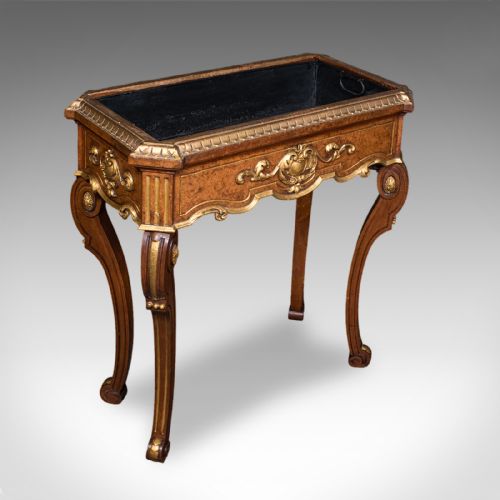
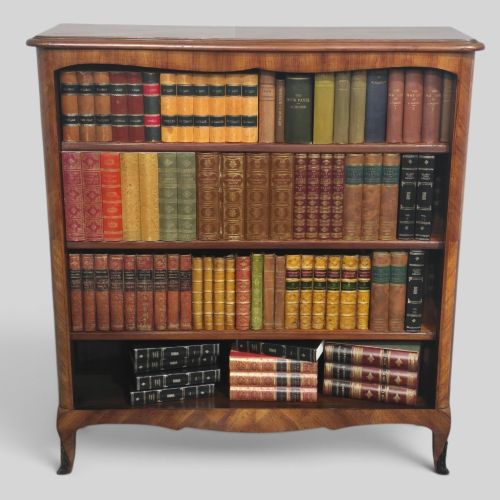
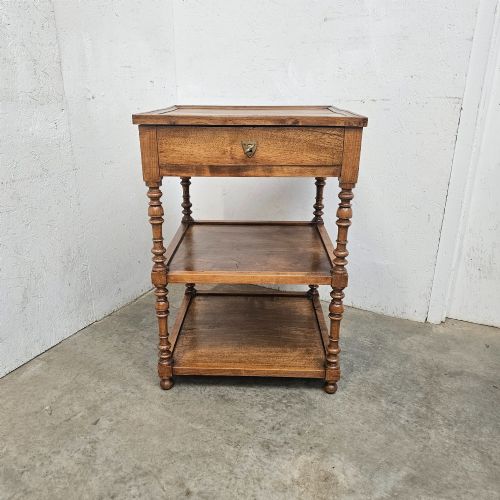
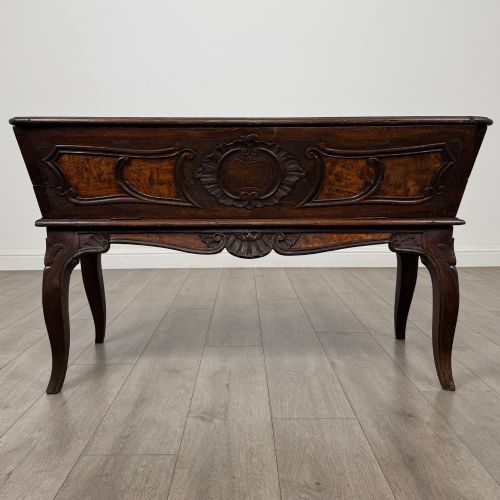
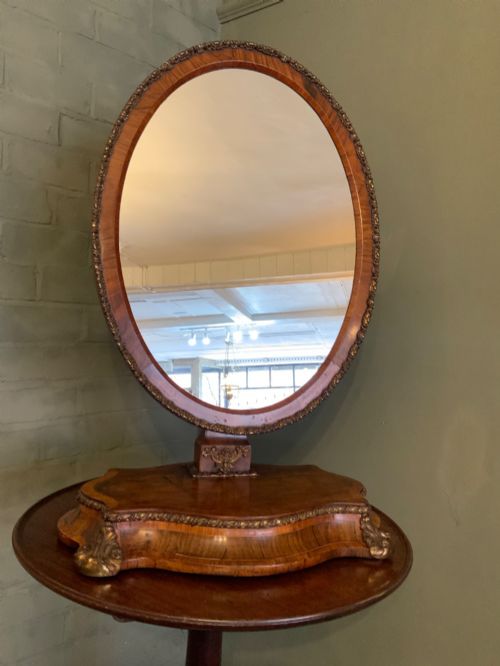
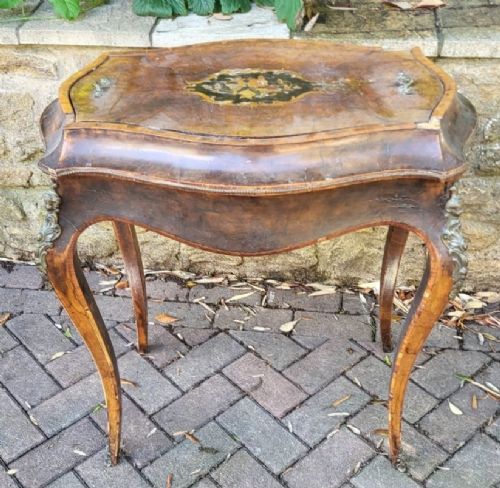
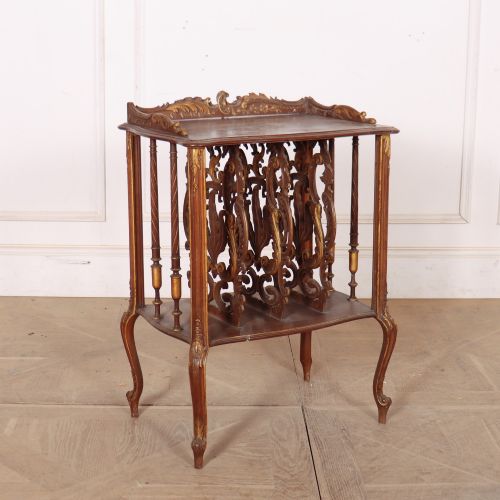
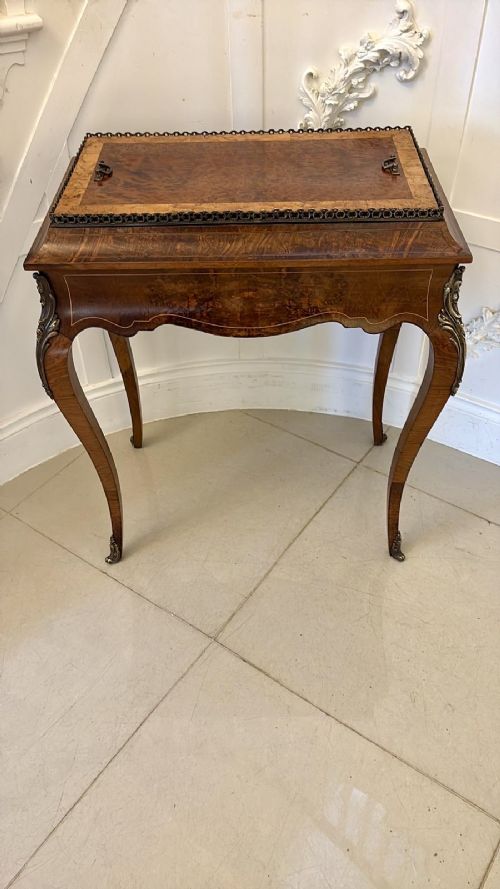
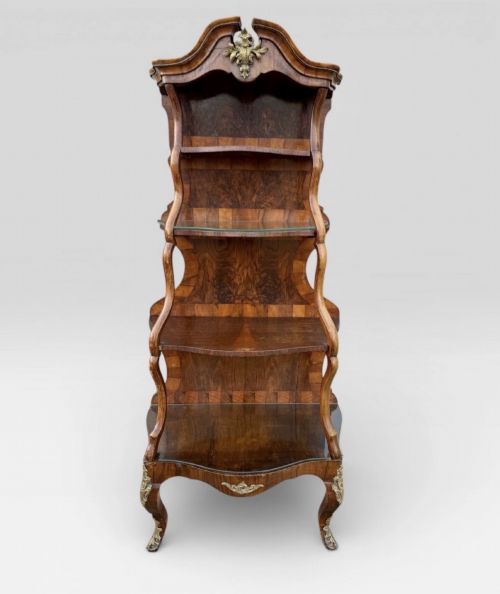
A search for a french walnut stand encompasses a diverse group of occasional furniture, plant holders, and bedside pieces originating from the nineteenth and early twentieth centuries. These forms include multi-tiered etageres, marble-topped nightstands, and dedicated planter tables designed to display botanicals or hold small objects.
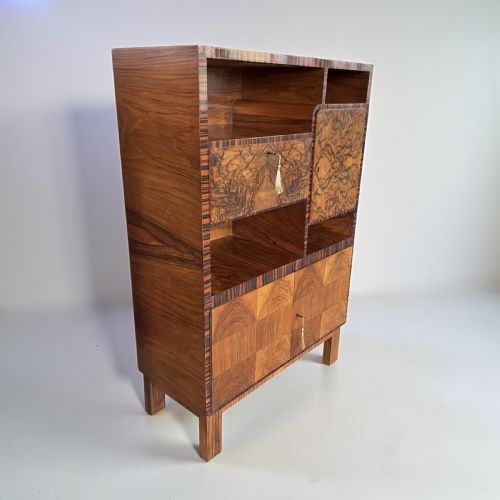
The versions most commonly met on this page span the Victorian era through the Art Deco period, utilising distinct regional styles such as Louis XV and French Provincial. Pieces range from diminutive carved stands to polished pedestals and small cabinets raised on slender legs.
How they were made
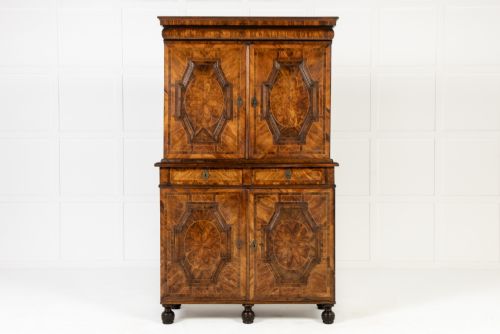
Cabinet-makers relied on solid walnut and highly figured burr walnut veneers applied to secondary timbers, often embellishing surfaces with intricate marquetry and parquetry patterns. The grain is frequently highlighted through french polishing to bring out the natural warmth of the timber.
Metal mounts in brass, ormolu, and gilt bronze provide structural accent and decorative detail around tabletops, drawers, and feet. Marble inserts appear frequently on tops, offering a cool, durable surface for plant stands and night tables.
Some nineteenth-century makers evidently believed no drawing room was complete without a dedicated place to set down a potted fern.
What varies in quality
The distinction between standard examples and exceptional pieces rests primarily on the choice of timber and the precision of the joinery. Highly figured burr walnut and complex floral marquetry demand advanced carpentry skill, elevating the visual weight of smaller items like etageres and bedside cabinets.
Hardware and finishing details dictate the overall refinement of the piece. Crispness in carved wooden motifs, the weight of cast ormolu mounts, and the tight fit of drawers or marble slabs distinguish workshop output of higher ambition.
Gabriel Viardot
The French Walnut Stand Glossary
- Etagere
- A set of open shelves for displaying small objects or books. These tiered stands often feature slender uprights and delicate marquetry inlays.
- Jardiniere
- A decorative container or stand designed to hold plants and flowers. Examples often incorporate metal liners or marble tops to resist moisture.
- Ormolu
- Gilt bronze ornamentation applied to furniture mounts and feet. This technique adds metallic contrast to the dark walnut timber.
- Marquetry
- Decorative veneer work arranged in pictorial or geometric patterns using various coloured woods. It creates intricate surface designs on tabletops and cabinet doors.
- Gueridon
- A small circular table supported by one or more central columns or three legs. These tables frequently feature marble inserts or canework tiers.
French Walnut Stand: Frequently Asked Questions
What is a french walnut stand used for?
These pieces serve primarily as auxiliary furniture for holding lamps, displaying decorative items, or housing plants within a domestic interior.
Depending on the specific form, such as an etagere or a bedside cabinet, they also provide compact storage for books and small personal possessions.
Are marble tops original to these stands?
Marble tops are common on nineteenth-century nightstands, washstands, and specific planter tables to provide a water-resistant surface. Many examples were designed specifically to accommodate fitted marble slabs.
When examining a piece, look for consistent ageing between the stone insert and the surrounding walnut frame.
How do I care for burr walnut furniture?
Burr walnut requires protection from direct sunlight and extreme humidity shifts to prevent the decorative veneer from drying or cracking. Regular dusting with a soft, dry cloth maintains the polished finish without requiring heavy chemical polishes.
Applying a traditional beeswax conditioner periodically helps nourish the timber and preserve the grain.