


Rococo Pedestal Stand
These rococo pedestal stand pieces bring ornamental flourish and height to a room, offering a stage for sculpture, plants or lamps.
Rococo Pedestal Stand
When searching for a rococo pedestal stand, you encounter tall supporting columns, torcheres and display tables drawing on 18th century French design. The pieces available span the nineteenth century and later periods, capturing the revival of asymmetrical curves and naturalistic motifs.
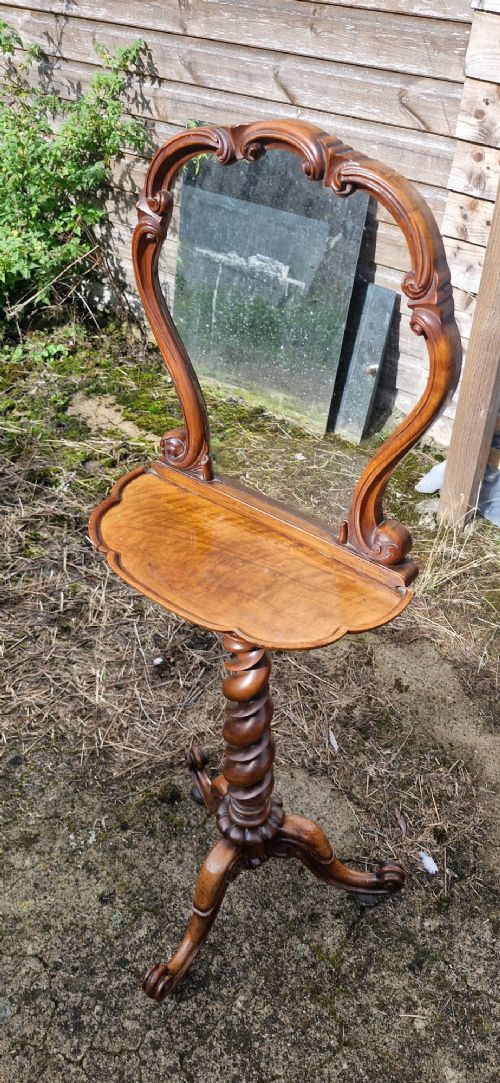
Most examples take the form of carved wooden columns or plant stands, often topped with marble or integrated with giltwood and ormolu mounts. Walnut and mahogany appear alongside cast iron and brass, reflecting the diverse interpretations of the style across different decades.
How they were made
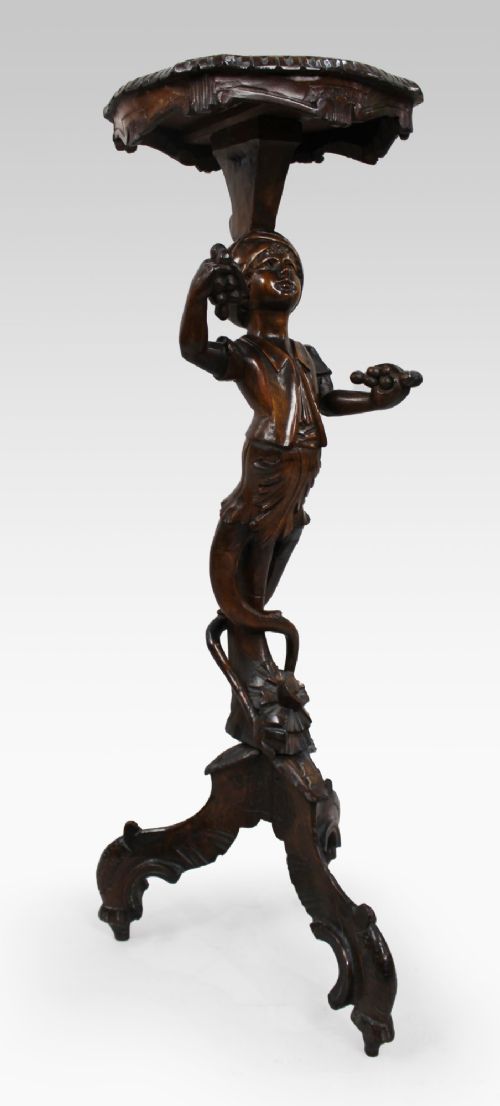
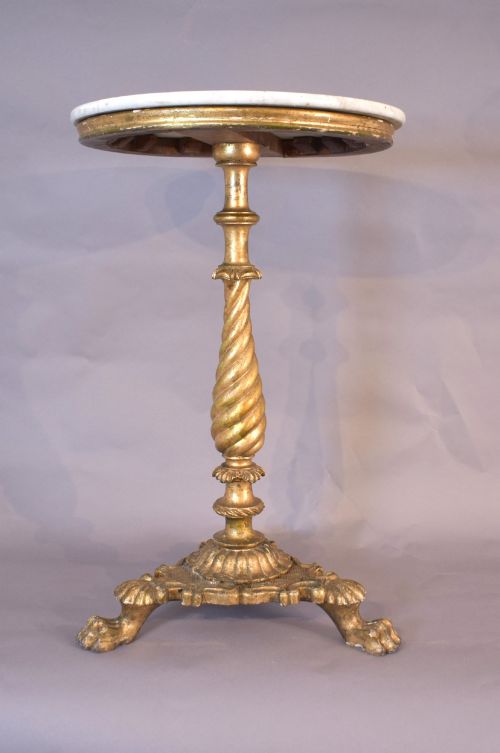
Carved timber provides the structural core for many examples, utilising walnut, mahogany and kingwood shaped with deep relief. Giltwood and gesso finishes create the reflective surfaces typical of the aesthetic, applied over carved wood bases.
Cast metals such as brass and iron introduce intricate openwork bases, whilst marble slabs and alabaster form durable upper surfaces. Ormolu mounts enhance wooden columns, and porcelain elements appear on related centrepieces and comports.
A motor-themed French walnut stand proves that even venerable furniture makers occasionally enjoyed a nod to Rolls Royce.
What varies in quality
The depth and crispness of the carving separate standard production from superior examples, particularly in the rendering of scrolls and foliage. Hand-applied gilding and the weight of the marble or alabaster tops also determine the standard of the piece.
Integration of mounts and the choice of secondary timbers reveal the maker's intent, with finely chased ormolu and dense walnut marking out the better interpretations of the style.
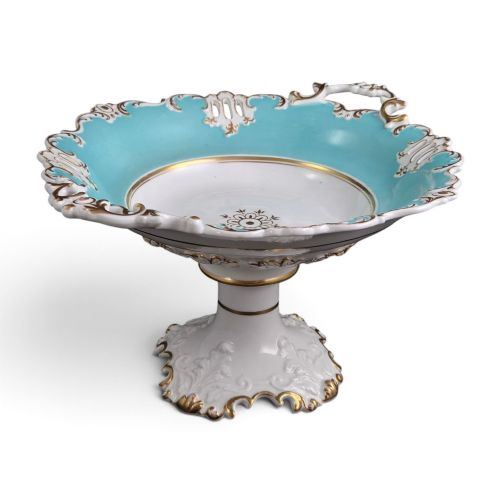
Coalport·C.G. Schierholz and Sohn
The Rococo Pedestal Stand Glossary
- Torchere
- A tall stand designed to hold a light or a decorative object. These slender pillars lift displays to eye level.
- Ormolu
- Gilded bronze mounts applied to furniture and stands. This technique adds metallic highlights to wood structures.
- Gesso
- A plaster mixture applied to wood as a base for gilding. It allows for sharp, moulded surface decoration.
- Comport
- An ornamental dish raised on a stem. These pieces often feature porcelain construction and serve as table centrepieces.
Rococo Pedestal Stand: Frequently Asked Questions
What is a rococo pedestal stand used for?
These pieces function primarily as elevated platforms for display, holding table lamps, bronze busts, floral arrangements or ceramic comports. Their height draws the eye upward and creates focal points in corners or empty wall spaces.
Historically, torcheres held lighting devices before the general adoption of electric lamps. Today, collectors utilise them to showcase decorative objects and plants within period or eclectic interiors.
How do I identify the period of a stand?
Dating relies on examining the timber species, construction methods and the specific characteristics of the revival style. Nineteenth century pieces often combine heavy carving with cast brass or ormolu mounts, reflecting Victorian and continental tastes.
Later interpretations from the twentieth century introduce alternative materials like onyx alongside chiseled brass. Comparing the surface wear and joinery helps distinguish mid nineteenth century work from later revivals.
Are marble tops original to these stands?
Marble and alabaster tops frequently accompany wooden and gilt bases, providing a stable, cool surface for heavy items. The presence of stone indicates the intended function as a plant or bust stand where moisture or weight required a durable top.
Matching the edge profile and the rebate in the wooden frame helps confirm whether the stone top belongs to the piece. Revival pieces from the nineteenth century commonly utilised inset marble slabs.
Where should I place a pedestal in a room?
Stands suit corners, entrance halls and empty wall spaces where vertical height breaks up low furniture layouts. Because these pieces are designed to be viewed from multiple angles, positioning them away from direct foot traffic protects delicate carvings and mounted items.
Matching the timber tone to surrounding furniture helps integrate the piece, though contrasting giltwood stands also act as standalone sculptural objects.