





Edwardian Marble Pedestals
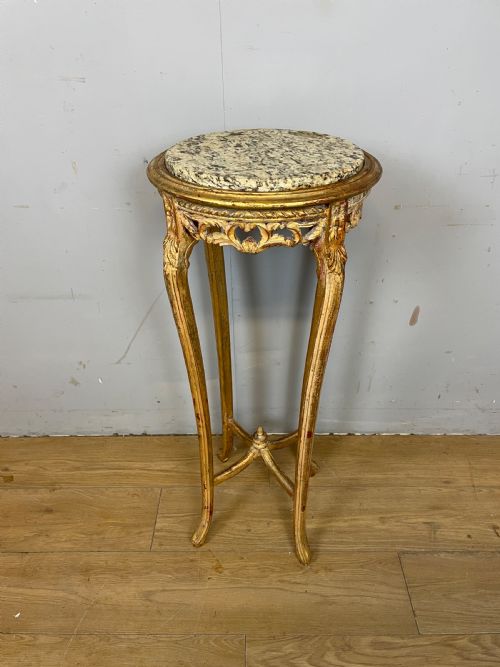
Edwardian marble pedestals bring classical architecture indoors, offering heavy stone display columns that elevate statues, urns or lamps.
Edwardian Marble Pedestals
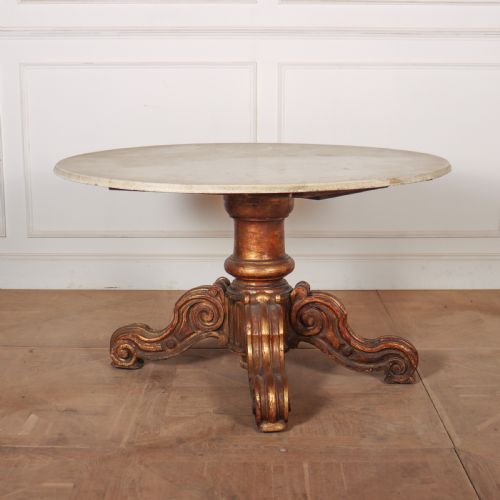
When you search for edwardian marble pedestals, you find robust display columns and plant stands designed to support heavy decorative items in period interiors. The pieces on this page span the Edwardian era alongside adjacent Victorian and early twentieth-century periods.
Forms include straightforward cylindrical columns, stepped architectural shafts and specialised torchere stands intended to hold lamps or large floral arrangements. Materials extend beyond pure stone to incorporate associated elements like mahogany, brass, onyx and giltwood.
Origins represented in the current selection range from English country house furnishings to French revival designs and classical neoclassical interpretations. These sturdy stands function practically as display surfaces while adding architectural weight to a room.
What varies in quality
Quality separates through the purity and figuring of the stone, where evenly grained marble or richly banded onyx commands greater visual presence than simpler utilitarian materials. The precision of the turning and the crispness of any carved wooden elements also distinguish finer examples.
The integration of mixed media dictates the standard of craftsmanship, particularly how cleanly brass mounts, giltwood details and timber bases meet the central stone column. Greater stability and heavier structural mass generally denote superior workshop production.
Some Edwardian pedestals secretly moonlight as plant stands, proving even heavy stone columns enjoy playing host to a humble fern.
Edwards and Roberts·F De Luca
The Edwardian Marble Pedestals Glossary
- Pedestal
- A structural support or column designed to elevate a sculpture, vase or lamp above floor level. These sturdy vertical stands create a focal point in a hallway or drawing room.
- Onyx
- A banded variety of chalcedony quartz utilised for decorative tabletops and column shafts. This translucent stone displays natural layered patterns in warm tones.
- Torchere
- An ornate standing light fixture or tall ornamental stand originally designed to hold a torch. In later periods, these evolved into tall pedestals supporting electric lamps.
- Scagliola
- A composite material made from selenite, glue and pigments, mimicking natural marble and other hard stones. Craftsmen applied this mixture to architectural columns and urns.
- Giltwood
- Timber coated with a thin layer of gold leaf or metallic gilt paint. This reflective surface finish appeared on revival style furniture and decorative stands.
Edwardian Marble Pedestals: Frequently Asked Questions
What holds an edwardian marble pedestal upright?
These tall stands rely on a heavy core of dense stone or a weighted timber base to maintain stability against heavy loads. Many examples combine a central column with wide footings to prevent tipping.
Additional internal steel rods or wooden dowels often run through the centre of the shaft to lock the heavy stone sections securely together.
How were edwardian marble pedestals used originally?
Period homes utilised these tall columns to display bronze sculptures, large floral arrangements, decorative urns and electric or oil lamps. Placing them in hallways or corners drew the eye upward and filled empty vertical space.
They served both as functional tables for lighting and as architectural ornaments displaying household status and taste.
Are these stands suitable for everyday plants?
Many surviving examples double as plant stands or jardiniere supports designed specifically to hold potted ferns and heavy foliage indoors. The stone and glazed tops resist water damage from routine plant watering.
Garden conservatory stands similarly accommodated potted greenery, protecting interior floors while integrating natural elements into the room.
How do I distinguish edwardian pieces from victorian ones?
Edwardian pedestals often lean towards lighter neoclassical revival forms, whereas earlier Victorian iterations favor heavier aesthetic movement styles and darker timbers. Examining the turning style and associated materials helps clarify the manufacturing decade.
Construction methods also shift over time, with turn-of-the-century workshops favoring simpler classical proportions compared to mid-nineteenth-century ornamentation.